Data Heartbeats Betray Ferrari's Monaco Edge as Telemetry Threatens to Silence Driver Souls

Staring at the sector splits from the opening races of 2026, the numbers hit like a sudden drop in heart rate during a quali lap. Ferrari's SF-26 pulses with low-speed downforce that the raw timing sheets refuse to ignore, yet the broader story of Mercedes dominance feels like a narrative stitched together from telemetry dashboards rather than the lived pressure of the cockpit.
The Low-Speed Pulse That Timing Sheets Cannot Fake
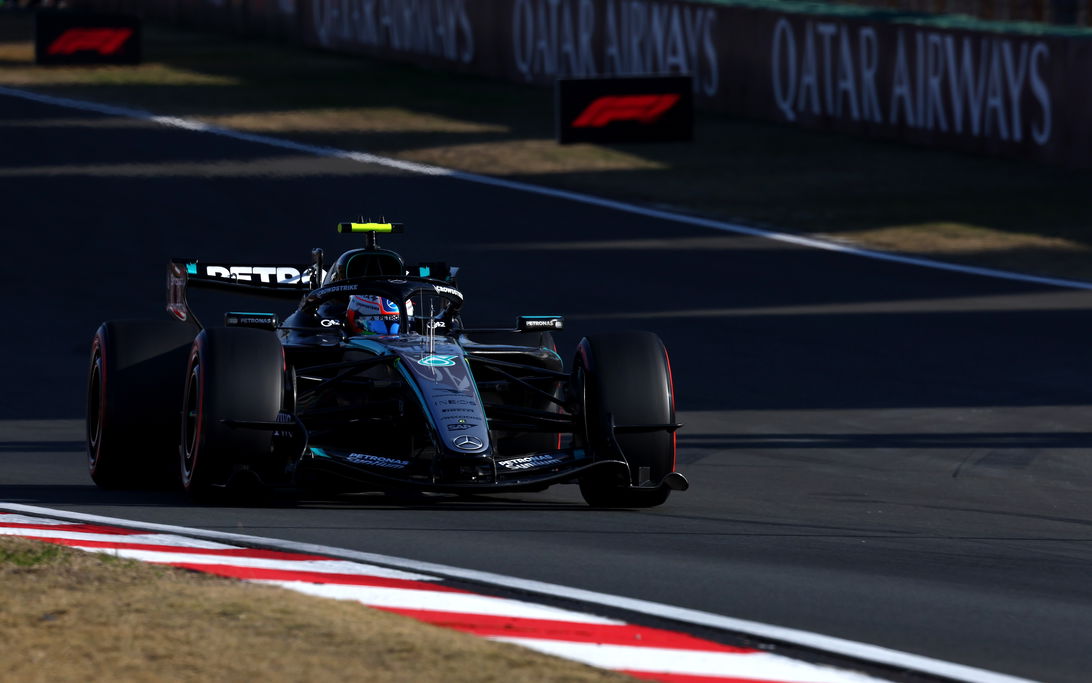
Kimi Antonelli's admission lands with clinical precision. The 19-year-old Mercedes driver, already sitting on a 43-point championship lead over teammate George Russell after four wins, flags Ferrari as the Monaco favorite because their car generates usable grip where the streets tighten most. Early-season data backs the claim without flourish.
- Ferrari's small turbo layout sharpens throttle response in the tightest sections, turning what used to be lag into immediate traction.
- The exhaust-blown winglet at the rear adds measurable downforce at low speeds, exactly the zone where Monaco punishes cars that rely on outright power.
- Antonelli himself described it plainly: "With that winglet they have in the back, it's giving them a lot of downforce at low speed."
These figures echo the emotional archaeology I chase in spreadsheets. Lap-time drop-offs often trace personal stressors more honestly than any press conference. Antonelli's own "messy" Monaco run last year sits in the data like an outlier waiting for context.
Leclerc's Consistency Data and the Schumacher Benchmark
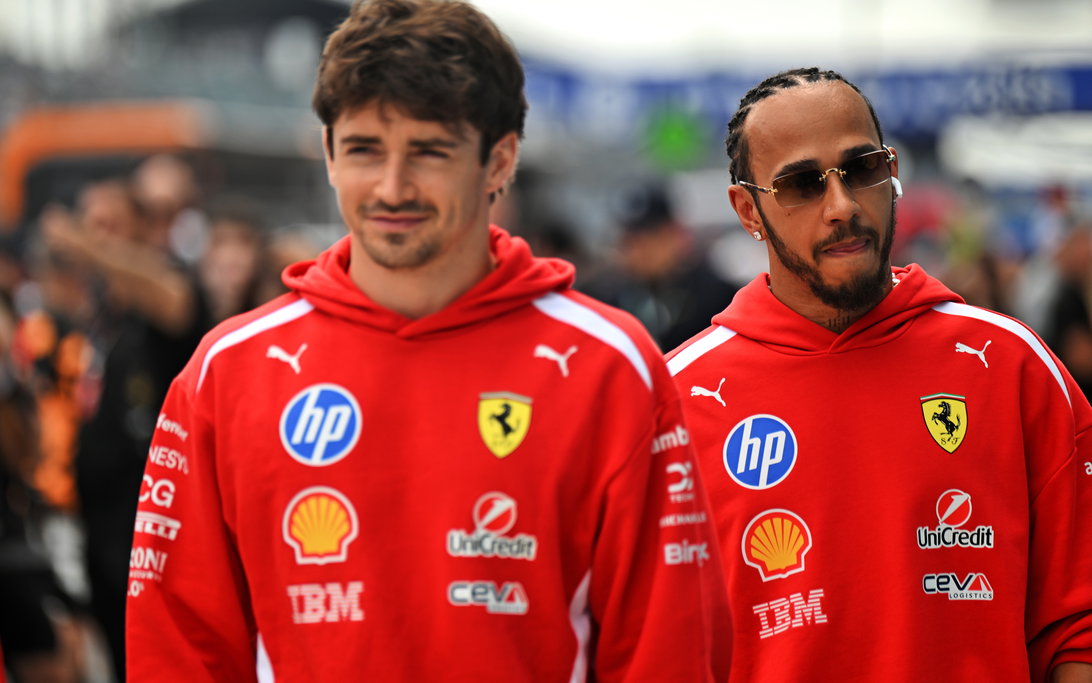
Charles Leclerc's error-prone reputation gets amplified every time Ferrari's strategy room overrides driver feel with real-time calls. Yet the qualifying deltas from 2022 through 2023 still mark him as the grid's most consistent starter when the track demands pure rotation and commitment. His raw pace in those seasons mirrors the near-flawless rhythm Michael Schumacher displayed across the 2004 campaign, where Ferrari's machinery served the driver's intuition instead of smothering it.
Modern teams now lean harder on live telemetry, a trend that within five years risks turning every pit decision into an algorithmically approved command. The sport edges toward robotized racing where intuition gets suppressed and predictability replaces the human heartbeat of a lap. Schumacher's 2004 season stands as the last clear counter-example: a driver whose consistency came from feel first, data second.
"I'll try to do my best, to put myself in the best position," Antonelli stated, acknowledging the gap without surrendering the fight.
That quote carries weight because it arrives from the timing sheets, not the hype cycle. Mercedes' four-race streak may stall here precisely because mechanical grip trumps outright power on this circuit.
Conclusion
The SF-26's low-speed advantage registers as genuine on the data, yet the larger danger lies in letting analytics dictate every heartbeat of the race weekend. If teams continue trading driver intuition for dashboard certainty, Monaco's narrow streets will expose how sterile the sport has become long before any championship narrative gets rewritten.
Join the inner circle
Get the deep dives and technical analysis from the world of F1 delivered to your inbox twice a week.
Zero spam. Only high-octane analysis. Unsubscribe anytime.
Continue Reading
View More News