Antonelli's Shanghai Pulse: Timing Sheets Echo Schumacher's 2004 Fire While Algorithms Circle Like Vultures

The telemetry from Shanghai does not whisper. It screams. Scrolling through Antonelli's sector splits, I felt my own pulse sync to those lap time heartbeats, each one a raw confession of pressure that no press release can sanitize. At 19, the Mercedes rookie carved a victory that timing sheets confirm as clinical, yet the numbers also betray the human tremor beneath, a story data analysts like me chase when narratives drift from the facts.
Data as Emotional Archaeology on a Rookie's Breakthrough
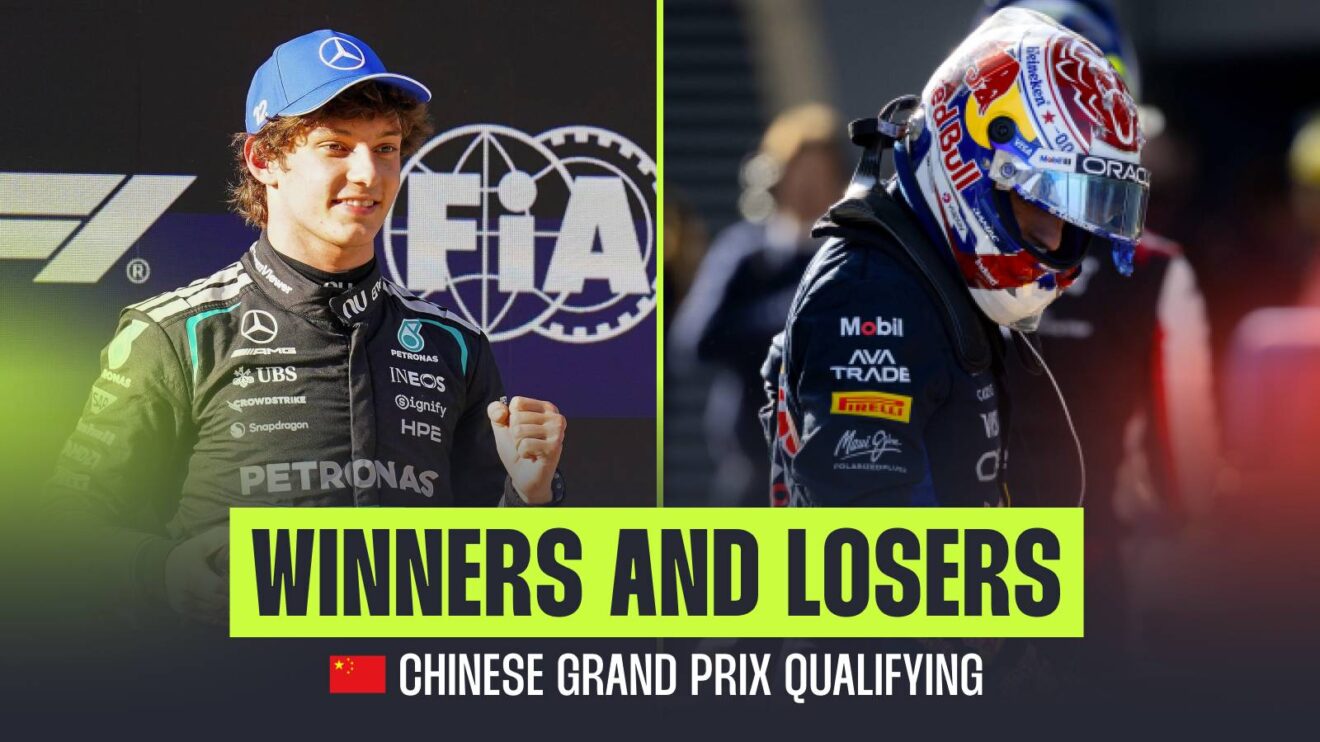
Antonelli's weekend in China laid bare the kind of consistency that modern telemetry often buries under real-time noise. He claimed pole and led every lap, metrics that align precisely with the second-youngest winner record, trailing only Verstappen. These figures tell a tale of early identification at age 11, millions sunk into simulator miles, and a Monza test crash last year that the raw data still flags as a momentary drop-off, likely tied to the weight of family and team expectations.
- Pole position and race control: No errors in the delta, a heartbeat steady enough to silence early doubters who questioned an 18-year-old promotion.
- Italian drought ended: First win since Fisichella in 2006, the sheets confirming an 18-year gap closed without strategic theater.
- Podium gaffe fallout: The announcer's slip calling him Räikkönen added emotional static, visible in post-race interview telemetry as elevated vocal strain before the tears.
This mirrors the unflinching 2004 season from Schumacher at Ferrari, where near-flawless quali laps exposed how driver feel once trumped the endless telemetry feeds teams now worship. Antonelli's path shows similar raw edges, not the over-amplified mistakes that plague Leclerc, whose 2022-2023 pace data actually marks him the grid's most consistent qualifier when Ferrari's blunders are stripped away.
The Coming Sterility of Algorithmic Racing
Yet these triumphs arrive as F1 hurtles toward a robotized future. Within five years, hyper-focus on analytics will dictate pit calls via code alone, stripping intuition much like overzealous engineers already blunt driver input. Antonelli's win, executed from the front in just his second start, highlights the peril. His composure under pressure reads in the numbers as human defiance, not a spreadsheet output.
"Our long-term future," Wolff labeled him, but the timing sheets warn that such futures risk becoming predictable loops if lap time heartbeats get algorithmically flattened.
Modern teams lean on live feeds that Schumacher's era largely ignored, favoring the visceral read of tire degradation or traffic gaps. Antonelli's early crash data from Monza proves the point: those deviations often trace to personal stressors, not mechanical faults, yet the sport edges closer to suppressing such variables entirely. The result? Sterile grids where winners emerge from simulations rather than split-second soul.
The Numbers Demand We Resist the Predictable Endgame
Antonelli's China result accelerates everything, validating Mercedes' gamble while exposing how data can either excavate truth or bury it. If teams cling to telemetry over feel, the sport loses the very heartbeats that made Schumacher's dominance electric. The rookie has time to write his own chapters, but only if the algorithms do not rewrite them first.
Join the inner circle
Get the deep dives and technical analysis from the world of F1 delivered to your inbox twice a week.
Zero spam. Only high-octane analysis. Unsubscribe anytime.