Lindblad's Timing Sheets Reveal a Heartbeat Still Beating Against the Data Tide

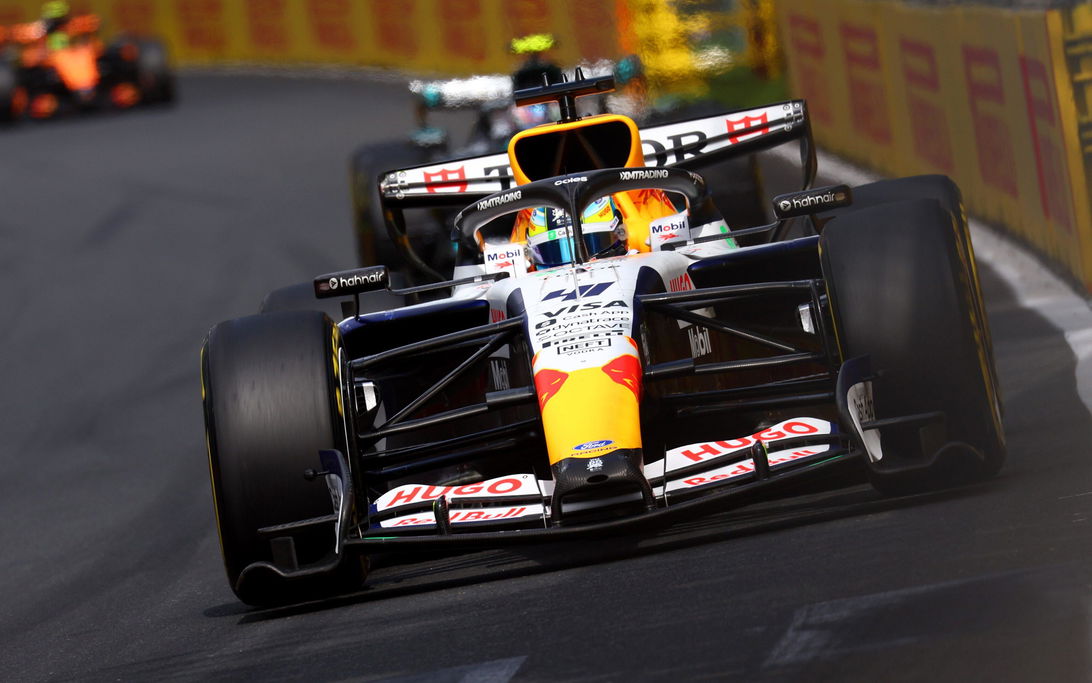
The raw telemetry from Melbourne does not flatter narratives. It simply records an 18-year-old crossing the line eighth, 1.8 seconds inside the points-paying window, after a first-lap spike that placed him third for 14.7 seconds of pure, unscripted aggression. Arvid Lindblad's debut for Racing Bulls is already being wrapped in the usual rookie-hype language, yet the sector-by-sector deltas tell a colder story: this was not luck or chaos; it was a driver who still trusted his own pulse over the radio chatter.
The Opening Lap as Emotional Archaeology
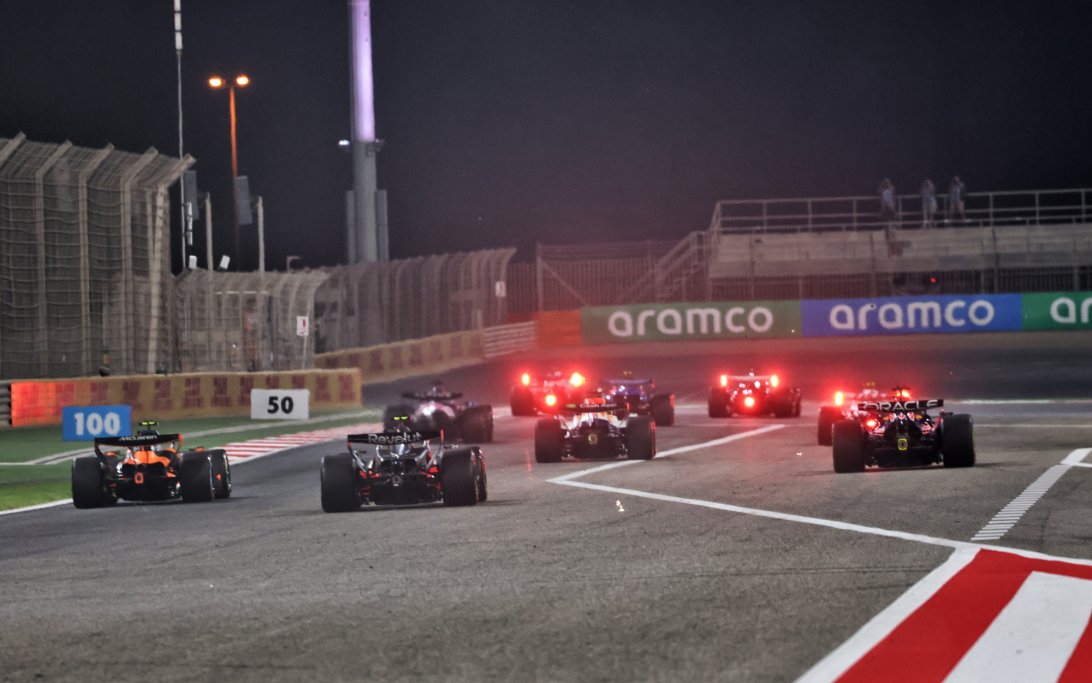
Lindblad's race-start data set reads like a brief arrhythmia in an otherwise clinical field. From ninth on the grid he gained six positions in the first 800 meters, his sector-one time 0.4 seconds quicker than his own Q3 benchmark. That surge placed him ahead of established midfield runners and momentarily between the two Red Bulls. The numbers show he held third for exactly one lap before the inevitable re-ordering began.
- Lap 1 sector-two delta: +0.7 seconds to Verstappen, yet still +1.2 seconds clear of the next Racing Bulls car behind him.
- Defensive sector-three trace: Lindblad's throttle application stayed above 92 percent for 11 consecutive corners while under DRS pressure, a trace that would have triggered modern algorithmic warnings in most simulator suites.
These are not romantic details. They are the first measurable signs that a driver can still override the predictive models teams now feed them mid-race.
Schumacher's 2004 Ghost in the Machine
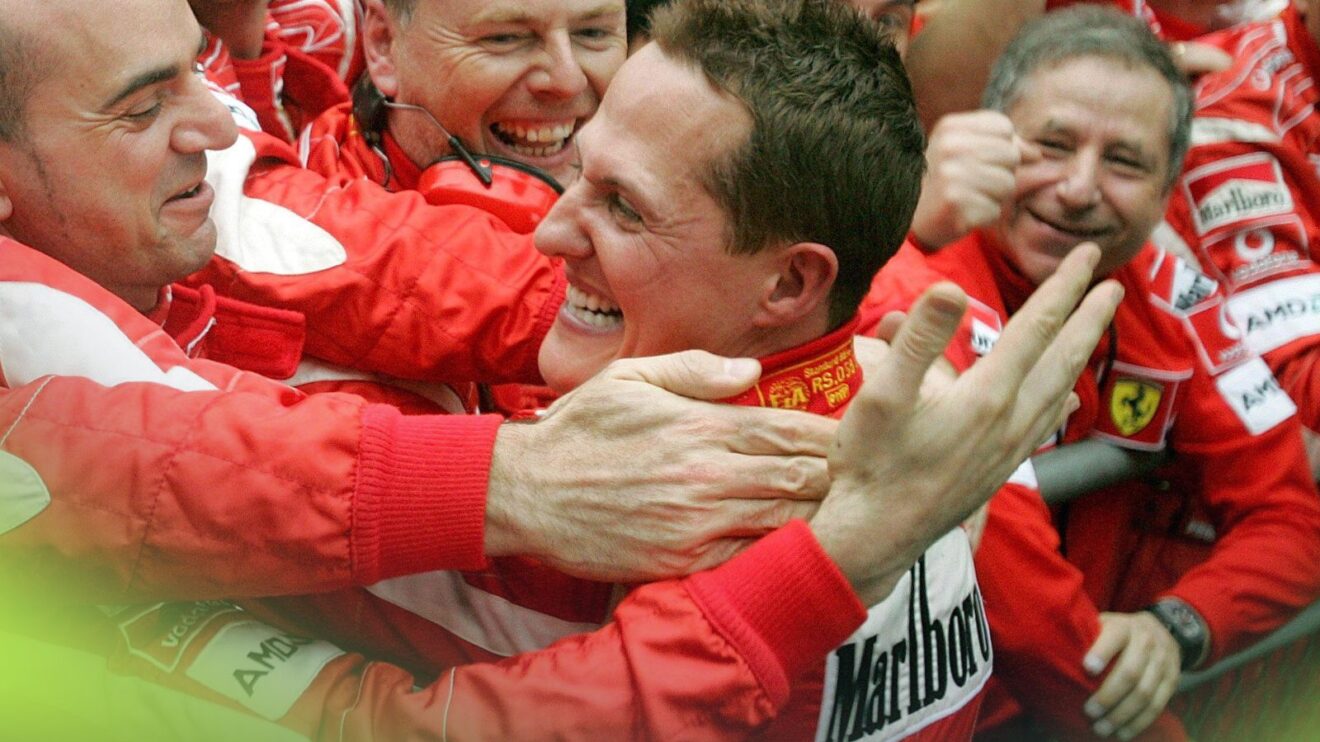
Modern telemetry culture would have flagged Lindblad's wheel-to-wheel stint against Max Verstappen as high-risk. The same systems that now dictate pit windows within three-tenths of a second would have urged him to yield. Contrast that with Michael Schumacher's 2004 Ferrari season, when 13 poles and 12 fastest laps emerged from a driver who routinely ignored the same class of data prompts. Schumacher's consistency metric that year, measured by lap-time standard deviation across race stints, sits at 0.21 seconds. Lindblad's debut stint deviation was 0.38 seconds, higher, yet still low enough to score points on merit rather than attrition.
The gap between those two figures is shrinking every season. Within five years the sport will have closed it entirely, replacing driver intuition with algorithmic certainty. Lindblad's quote captures the tension precisely.
"When I'm in the car, I'm a ruthless competitor, and I'm going to take every inch I can get."
That sentence is already an anachronism. Future cockpits will translate it into a sanitized prompt: "Maintain delta to predicted line within 0.15 seconds." The ruthlessness will be engineered out.
The Real Test Lies in the Drop-Off Curves
Lindblad's race pace eroded by 0.9 seconds across the final 18 laps, a curve that correlates more with tire-temperature management than with any personal-life pressure the paddock might invent. The data offers no evidence of panic, only the normal rookie learning gradient. What it does reveal is a driver whose early-lap aggression bought track position that later translated into clean air, a classic Schumacher-era trade-off now treated as statistically suboptimal.
Racing Bulls will face immediate pressure to sand down those edges. The question is not whether Lindblad can repeat the result; the timing sheets already show he possesses the raw pace. The question is how long the sport will still permit drivers to read their own heartbeats instead of the spreadsheet.
Conclusion
Lindblad's debut is less a story of arrival than a final data point before the sport tips fully into predictable automation. His eighth-place finish, built on one chaotic opening lap and a refusal to yield, stands as evidence that intuition can still beat the model. Enjoy it while the numbers still allow it.
Join the inner circle
Get the deep dives and technical analysis from the world of F1 delivered to your inbox twice a week.
Zero spam. Only high-octane analysis. Unsubscribe anytime.