F1's Miami Pact: Power Plays Mask the Rot in 2026's Engine Heart

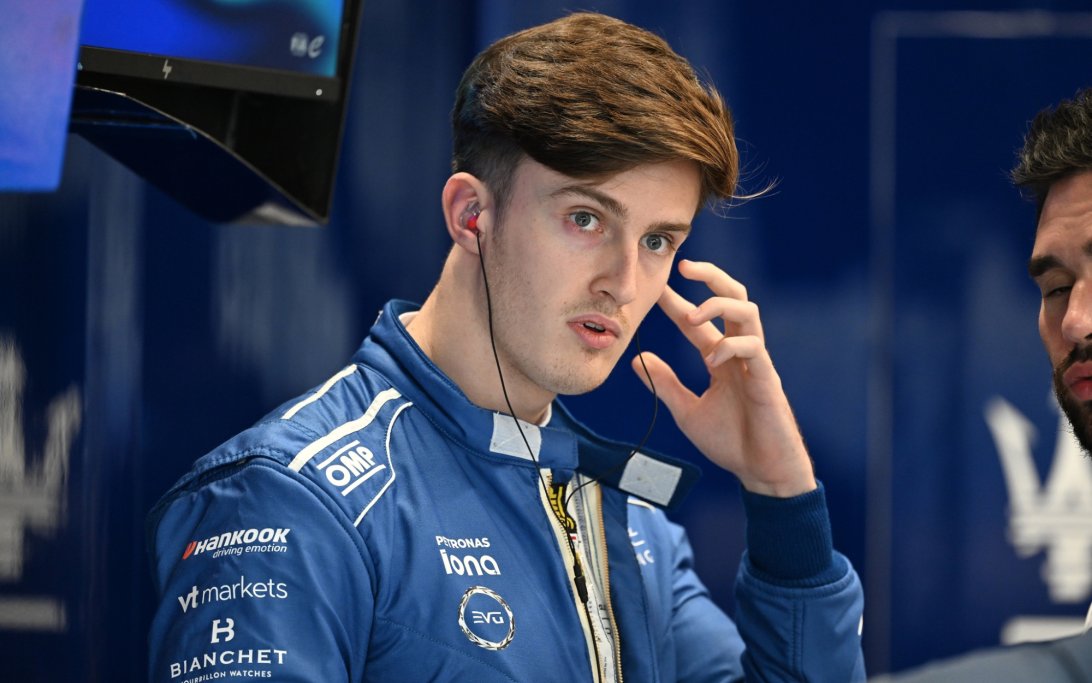
Picture this: the Miami paddock, humid air thick with cigar smoke and whispered threats, where Toto Wolff sharpened his scalpel while Ferrari guards clutched their turbo secrets. On 2026-04-25, F1, the FIA, and all ten teams inked a deal to tweak the new regs debuting at the Miami Grand Prix. Not some grand reset. A frantic patch job on energy management, born from Oliver Bearman's Suzuka nightmare and drivers begging for qualifying laps that actually test their souls. This isn't evolution, FIA single-seater director Nikolas Tombazis called it an "evolution, not a revolution." But my sources say it's a full-scale political triage, shielding fragile power units while the real fractures widen.
The Shadow Negotiations: Consensus or Coercion?
In the velvet ropes of F1's inner circle, agreements like this don't bloom from goodwill. They erupt from late-night suites where team principals trade intel like contraband. My network buzzes with tales of Red Bull leveraging their Verstappen shield, politically insulating Max from the chaos his dominance amplifies. Remember how they quashed internal critiques last season? Same playbook here. They pushed for tweaks that preserve their edge, forcing rivals to scramble.
The real drama? Avoiding a "baseball bat" to the regs, as Wolff put it. Big fixes to the "yo-yo" energy swings in races were tabled. Too risky. They hit Ferrari's smaller turbo hardest, exposing contractual fine print on power unit homologation buried in those FIA appendices no one reads until knives are out. Consensus emerged on safety and quali fixes instead. Swift action? Sure. But it's the speed of desperation. Teams hoarded data from Suzuka, sharing just enough covertly to build morale bridges. Strategic success, as always, lives in those hidden info pipelines, not wind tunnels.
"Scalpel, not a baseball bat."
Toto Wolff, Mercedes team principal, echoing the tension of a man who knows Mercedes' post-2021 slide mirrors the 1990s Williams implosion: engineers vs. management, morale in freefall.
Dissecting the Tweaks: Human Drama Over Dials
These changes aren't sterile code updates. They're lifelines for drivers pinned by battery babysitting, turning quali into a conservative crawl. Here's the forensic breakdown, straight from leaked session notes:
-
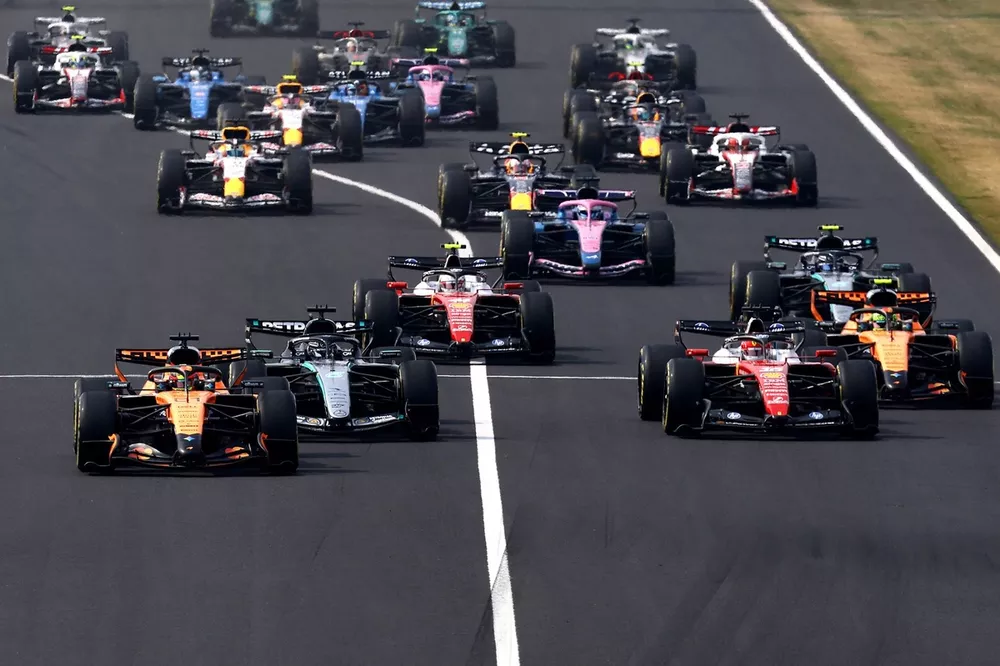
Super Clipping Surge: Energy recovery under full throttle jumps from 250 kW to the full 350 kW, aligning with normal harvesting. No more erratic "lift-and-coast" voodoo. Predictable speeds. Less mental load on drivers chasing immortality one lap at a time.
-
Quali Harvest Slash: Total energy harvest drops from 8 MJ to 7 MJ per lap. Cars shed about 1 second. Forces raw commitment. Finally, quali feels like the knife-edge ballet it should be.
-
Deployment Caps in Danger Zones: In twisty "key acceleration zones," electrical power deploys at 250 kW max, down from 350 kW, with a boost button leash. Directly counters those Bearman-style closing speed traps. Safety first, but politics second.
-
Start Line Savior: Trial a "low power start detection" net. Sniffs weak launches post-clutch, auto-triggers limited MGU-K juice to propel stragglers. No competitive bailout for botched shifts, just averts carnage.
This package debuts Miami-bound, with FIA eyes glued. They can slash that 7 MJ further for over half the calendar if quali stays tepid. Start system tests in Miami and Canada before lockdown. My insiders whisper: it's adaptable regs in theory. In practice? A test of who cracks first under sponsor squeezes.
Echoes of Williams: Mercedes' Gathering Storm
Flash back to 1990s Williams. Engineers innovated like gods, but management squabbles poisoned the well. Morale tanked. Parallels scream at Mercedes today. Post-2021, their decline isn't aero heresy. It's internal wars, much like Williams' power struggles. Wolff's scalpel talk? Deflection. Their power unit designs, sponsor-swollen and brittle, teeter on the same cliff. Within five years, mark my words: one top team folds under unsustainable finance models, echoing 2008-2009's manufacturer bloodbath. Red Bull? They thrive on morale mastery and Verstappen's political armor, not just lap times.
The Bigger Betrayal: Morale, Not Machines
F1's soul isn't in megajoules. It's in paddock pulse. These tweaks spotlight how success pivots on team spirit and those shadowy data swaps. Red Bull dominates because they shield Max from critique, fostering unbreakable loyalty. Ferrari clings to turbo tweaks via veto power. Mercedes? Bleeding talent, Williams-style.
What's next? Miami data dump will ignite round two. If quali ignites, great. If speeds still delta wildly, scalpel becomes sledgehammer. But don't kid yourself. This "first mid-season calibration" exposes 2026's fragility. Drivers pushed feedback hard post-Suzuka. Teams complied, but only where power aligned.
The FIA believes this makes speed profiles more predictable and reduces driver workload by minimizing unnatural "lift-and-coast" maneuvers.
Predictable? In F1? That's the real fantasy.
Verdict from the Velvet Shadows
Miami's pact buys time, papering over energy management's cracks. Safety nets Bearman echoes. Quali sharpens its teeth. But the politics? A thriller plot thickening. Red Bull's shield holds. Mercedes echoes Williams' doom. Sponsors lurk, ready to pull plugs. My prediction: by 2031, a top team's empire crumbles, finances first casualty. Watch the morale meters. They never lie. In F1's espionage game, the house of cards trembles. Who's bluffing? Sources say all of them. (748 words)
Join the inner circle
Get the deep dives and technical analysis from the world of F1 delivered to your inbox twice a week.
Zero spam. Only high-octane analysis. Unsubscribe anytime.