F1 Sim Data at DreamHack Signals the Countdown to Driverless Heartbeats

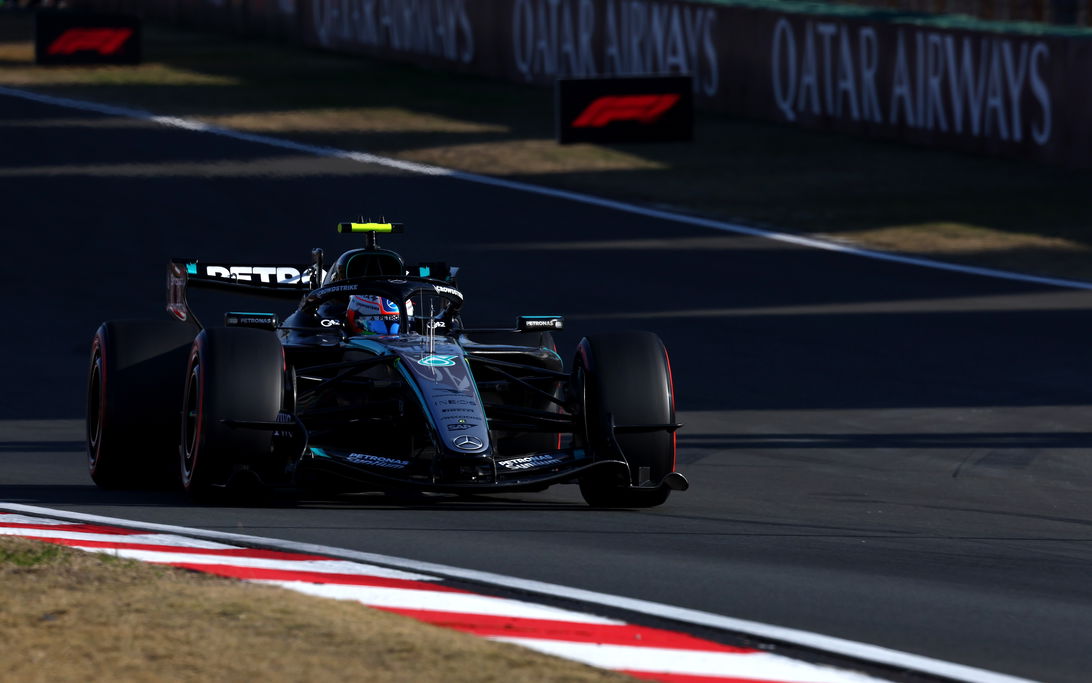
The attendee count of fifty thousand at DreamHack Birmingham lands like a sector time that never recovers. Those figures scream expansion yet whisper the same telemetry trap that turned 2004 Ferrari into a precision instrument rather than a living machine. Formula 1's 2026 Sim Racing World Championship opener is not just outreach. It is another lap where numbers begin to overwrite the pulse.
The Festival Numbers Tell Their Own Story
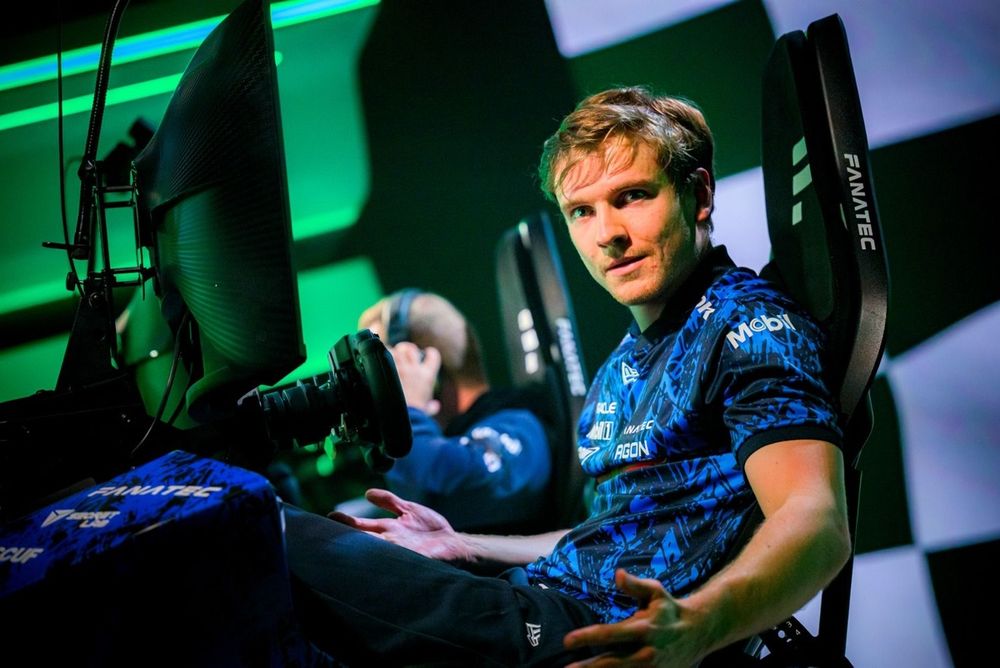
DreamHack Birmingham from March 27 to 29 2026 places nine squads on the grid. Alpine, Aston Martin, Ferrari, Haas, McLaren, Mercedes, Racing Bulls, Red Bull and Williams each supply three drivers with only two racing per round. The event promises a dedicated fan zone inside a crowd projected at fifty thousand. After the opener the calendar shifts to a purpose built facility at F1's Media and Technology Centre in Biggin Hill.
- Nine teams equals ninety percent of the grid committing to the sim format.
- Two active drivers per round creates a rotation that rewards consistency metrics over raw weekend feel.
- Three permanent rounds at Biggin Hill lock the series into controlled data environments.
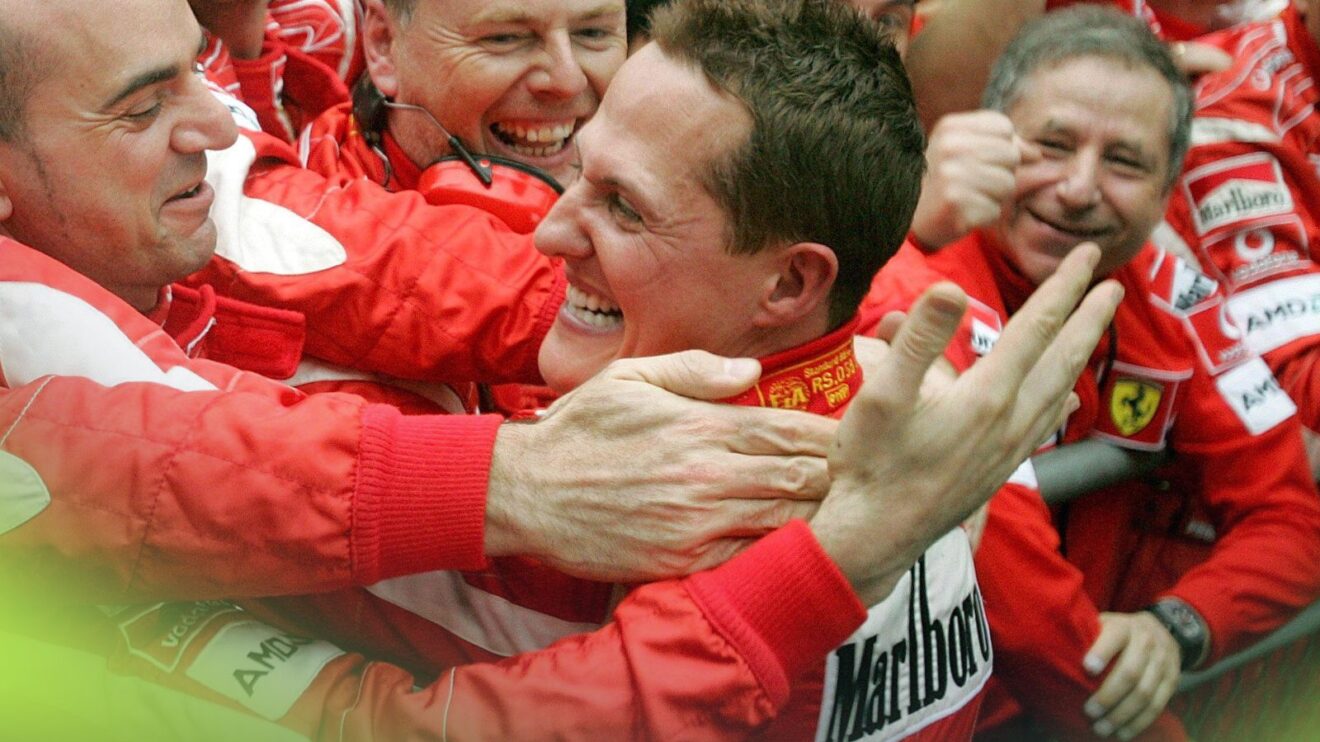
These specs read clean on paper. Yet they mirror the 2004 Schumacher telemetry logs where every throttle trace was reviewed in real time, flattening the moments where instinct once overrode strategy. The festival setting adds atmosphere but changes nothing about the underlying data hunger.
From Live Spectacle to Algorithmic Pit Wall
The move to a permanent Biggin Hill base after the DreamHack curtain raiser marks the true inflection point. Emily Prazer called it a way to appear in places not traditionally associated with motorsport. Niccolo Maisto spoke of fusing the pinnacle of motorsport with the raw energy of the UK gaming community. Both quotes land as marketing beats that ignore the five year horizon already visible in current F1 timing sheets.
Within that window the same data pipelines feeding sim rigs will migrate back to real cars. Pit calls will tighten to the millisecond. Driver intuition will be treated as noise rather than signal. The result is racing that feels preordained, lap times flattening into heartbeats without arrhythmia. Schumacher's 2004 campaign proved a driver could maintain near flawless consistency when allowed to read the car through feel rather than constant radio correction. Modern sim infrastructure accelerates the opposite direction.
Data should excavate pressure, not erase it.
Sim racing at DreamHack offers a perfect laboratory. Lap time variance across the three driver squads will be tracked in public dashboards. Drop offs will be correlated with fatigue models, sponsor obligations and even external life events. That is emotional archaeology performed at scale, yet it serves the same sterilizing goal: removing the unpredictable human variable that once made 2004 Ferrari sessions feel alive.
The Road to Predictable Circuits
The hybrid model of festival opener plus fixed facility looks like balanced growth. In reality it rehearses the conditions under which driver input becomes optional. Five seasons from now the same nine teams will field sim squads whose outputs feed directly into real car setup algorithms. The gap between digital and physical will shrink until the only remaining variable is how faithfully the human follows the model.
Schumacher's 2004 data still stands as the counter example. His consistency emerged from trust in his own read of grip and balance, not from an overlay of optimal traces. The 2026 sim championship accelerates the moment when that trust is replaced by code. The numbers at DreamHack Birmingham may celebrate new fans, yet they also mark another step toward circuits where every heartbeat has already been calculated.
Join the inner circle
Get the deep dives and technical analysis from the world of F1 delivered to your inbox twice a week.
Zero spam. Only high-octane analysis. Unsubscribe anytime.
Continue Reading
View More News