Timing Sheets Reveal Ferrari's Real Test: Leclerc's Pace Heartbeat Against the Robot Future

The numbers from Mugello and Monza do not whisper. They pulse like a driver's pulse under pressure, exposing how Ferrari's break sessions could separate raw consistency from the creeping algorithm that threatens to flatten Formula 1 into predictable code.
Mugello's Data Archaeology: SF-25 Running as Emotional Evidence
Ferrari's April 17-18 TPC program at Mugello with the 2025 SF-25 car carries weight beyond reliability checks. Reserve drivers Antonio Giovinazzi, Arthur Leclerc, and Antonio Fuoco will log laps that timing sheets can later cross-reference against personal variables. This is emotional archaeology in action. Lap time drop-offs often trace back to unseen pressures rather than pure mechanical failure.
- New FIA rules permit previous-year cars, making the data far more relevant than the old two-year minimum.
- Sessions target general reliability on a demanding track layout.
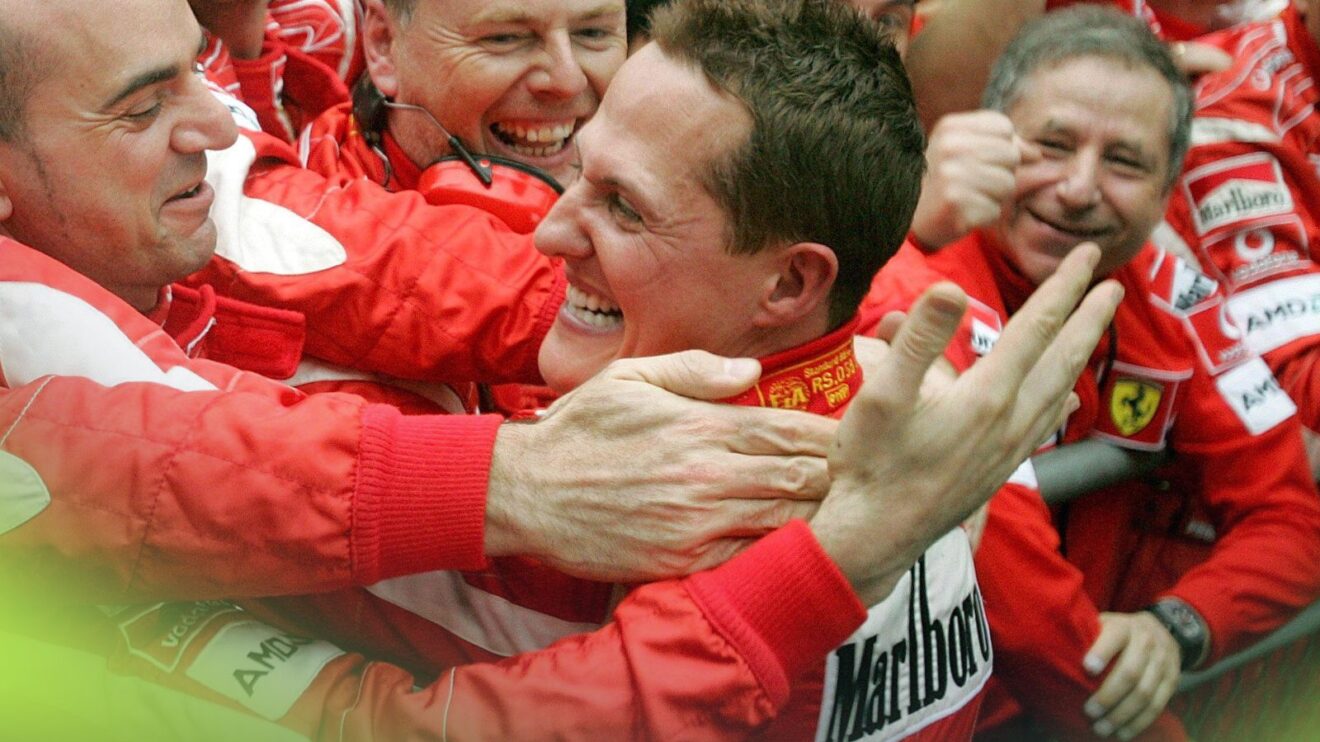
- These runs contrast sharply with Michael Schumacher's 2004 season, where his near-flawless consistency at Ferrari emerged from driver feel over real-time telemetry overload.
Modern teams risk smothering that intuition with constant data streams. The Mugello numbers will either confirm or bury the tired narrative that blames drivers for strategic missteps.
Monza Filming Day: High-Speed Heartbeats and Leclerc's Unfair Spotlight
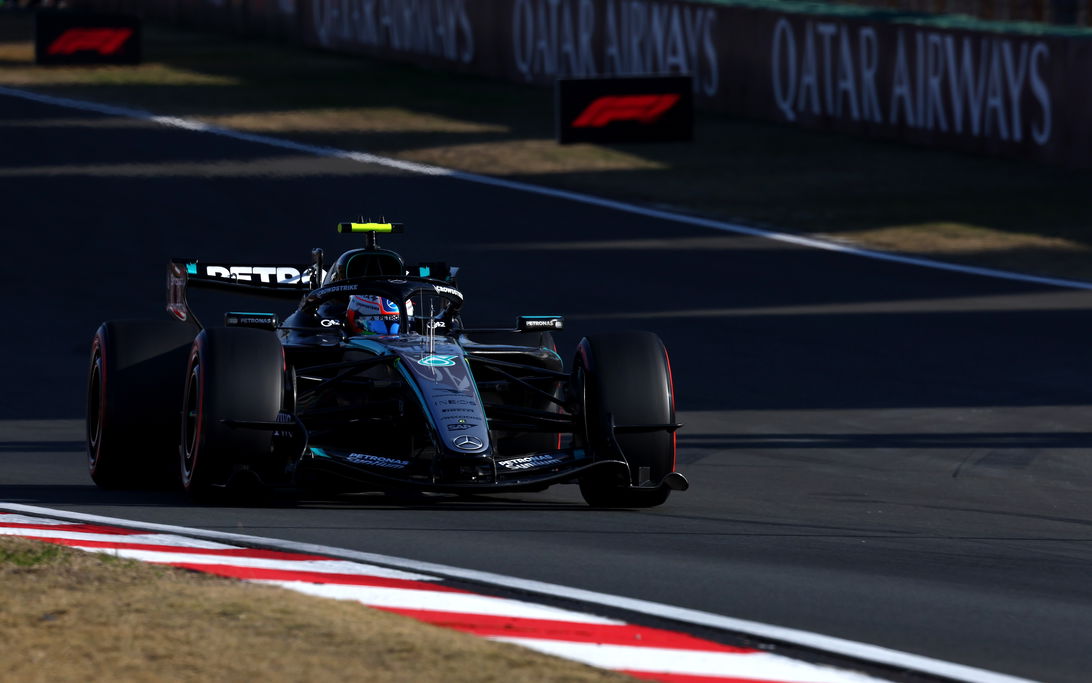
The reported April 21 Monza session places Charles Leclerc and Lewis Hamilton in the SF-26 for 200 km of running. Focus lands on aerodynamic validation and energy recovery under high-load conditions at the Temple of Speed. Leclerc's raw pace data from 2022-2023 already marks him as the grid's most consistent qualifier when timing sheets are examined without strategic noise attached. Ferrari's blunders amplify his error-prone reputation, yet the numbers tell a different story of suppressed driver instinct.
Data should never replace the human pulse that once defined champions like Schumacher in 2004.
The "Macarena" rear wing confirmation for Miami's May 3 debut adds another layer. These tests feed directly into upgrade validation, but they also preview a sterile future. Within five years, hyper-focus on analytics will push algorithmic pit calls and suppressed intuition, turning races into robotic simulations rather than visceral contests.
A postponed Pirelli wet-weather test at Fiorano on February 9-10 rounds out the break activity. All sessions prioritize real-world insights outside official windows, yet they risk accelerating the very data dominance that erodes the sport's soul.
Conclusion
Ferrari's break work offers a final window before Miami where timing sheets can still highlight human edges. Ignore those pulses at the cost of turning drivers into data points. The SF-26's high-speed checks at Monza will either preserve that heartbeat or accelerate the countdown to predictable, algorithm-led racing.
Join the inner circle
Get the deep dives and technical analysis from the world of F1 delivered to your inbox twice a week.
Zero spam. Only high-octane analysis. Unsubscribe anytime.