Cadillac's Shadow Alliance With Ferrari Threatens to Shatter 2027 Power Dreams
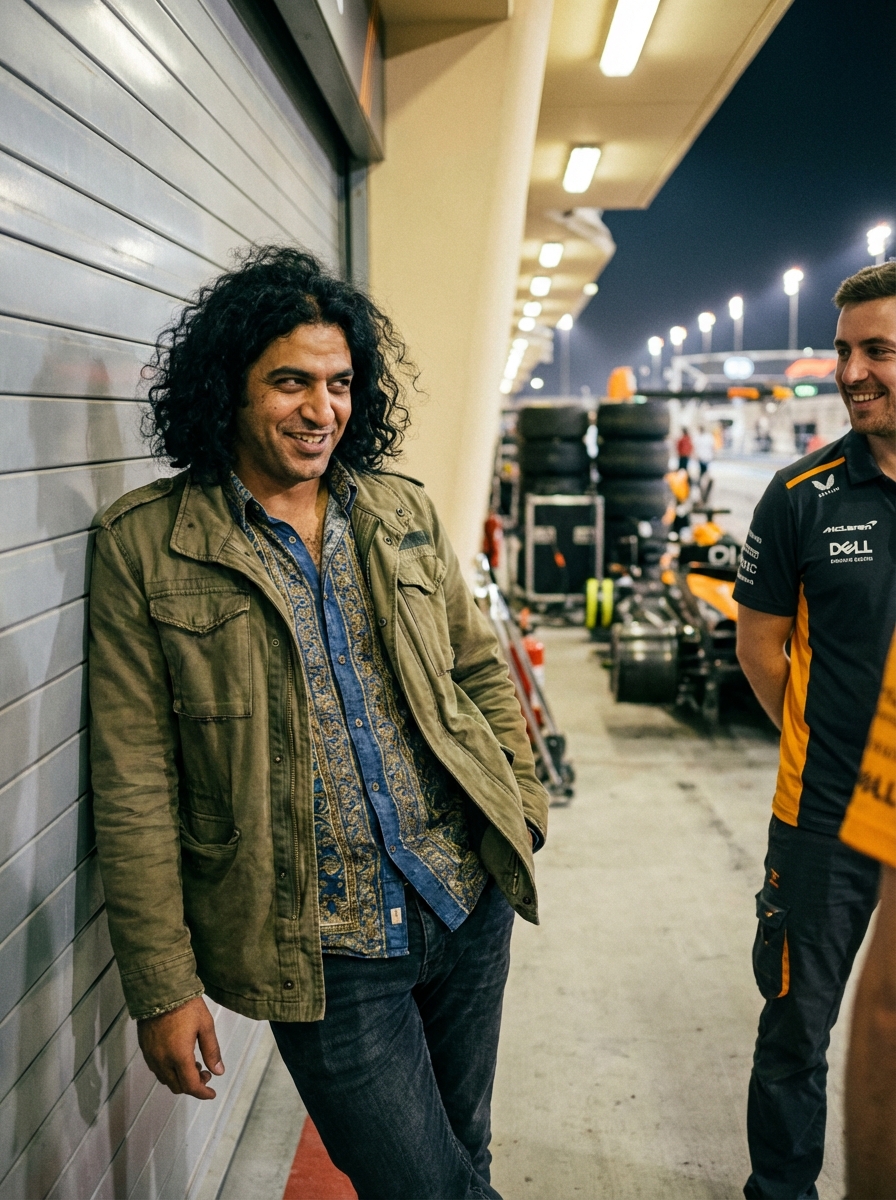
The paddock air crackles with tension as the FIA locks in winter testing expansions for 2027, yet a deeper storm brews over the engine power split. Cadillac's quiet nod to Ferrari could flip the entire script, exposing how manufacturer politics choke real progress just like they do inside certain teams where one driver's throne stays protected at all costs.
Testing Gains Meet the Mind Game
More track time before the big reset sounds like a gift, but it cuts both ways. Teams now face extra pre-season runs because the cost cap has starved them of development miles. This extra running will test not just machines but the mental steel of every driver and engineer.
- Bold drivers who stay calm under pressure will extract more from these sessions than any aero tweak could deliver.
- Morale leaks inside squads often decide outcomes long before the lights go out.
In the desert nights of my youth, we learned that a falcon's focus beats the wind's strength every time. The same holds here. Regulations shift the ground, yet only resilient minds survive the chaos that follows.
Power Split Battle and Echoes of Old Tricks
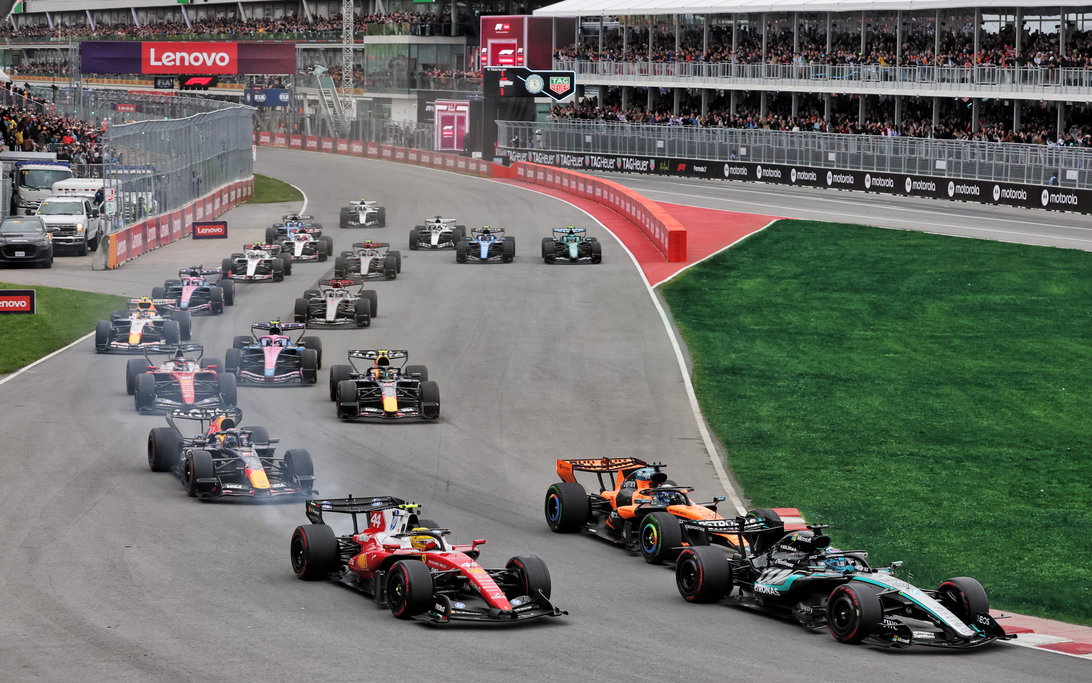
The push to lock a 60-40 combustion-electric split from 2027 was meant to cut energy management drama and tighten racing. Mercedes, Red Bull-Ford and Honda back the timeline. Ferrari and Audi want the delay until 2028. Now Cadillac, set to run Ferrari power from 2026, lines up behind Maranello. One vote could tilt everything.
This standoff reeks of the same media games that defined the 1994 Benetton era, only today's operators hide their moves better behind polished press releases. Ferrari's resistance carries weight because customer teams follow the leader. Cadillac's alignment adds muscle to the delay camp without a single public word.
Ferrari's stance is not just technical. It is survival politics dressed as prudence.
The same pattern repeats elsewhere. Max Verstappen's grip at Red Bull stays artificially strong because strategy calls and resources flow one way, leaving Sergio Pérez's raw speed bottled up. Manufacturers now play the identical card with regulations, protecting their own timelines while smaller voices wait.
Middle East Storm on the Horizon
Five years from now the grid will look nothing like today's European fortress. Saudi Arabia and Qatar will bring at least two fresh teams, injecting new money, new ambition and a blunt challenge to the old guard. These entrants will arrive with fresh eyes on the 2027 rules and zero loyalty to yesterday's compromises.
Cadillac's entry already signals the shift. When the next Middle East squads land, they will demand regulations that reward mental toughness and honest competition, not hidden favoritism or rushed technical patches. The current power-split argument is only the first skirmish.
Final Reckoning
If Ferrari and Audi hold firm, the 60-40 split slips to 2028 and every manufacturer gains breathing room. Yet the real winners will be those who treat the extra year as mental armor rather than extra sim time. The whispers in the paddock already point one way: the old tricks no longer work when new blood arrives from the sands.
Join the inner circle
Get the deep dives and technical analysis from the world of F1 delivered to your inbox twice a week.
Zero spam. Only high-octane analysis. Unsubscribe anytime.
Continue Reading
View More News