Data Whispers Clear Hamilton While Modern Telemetry Chokes Driver Instinct

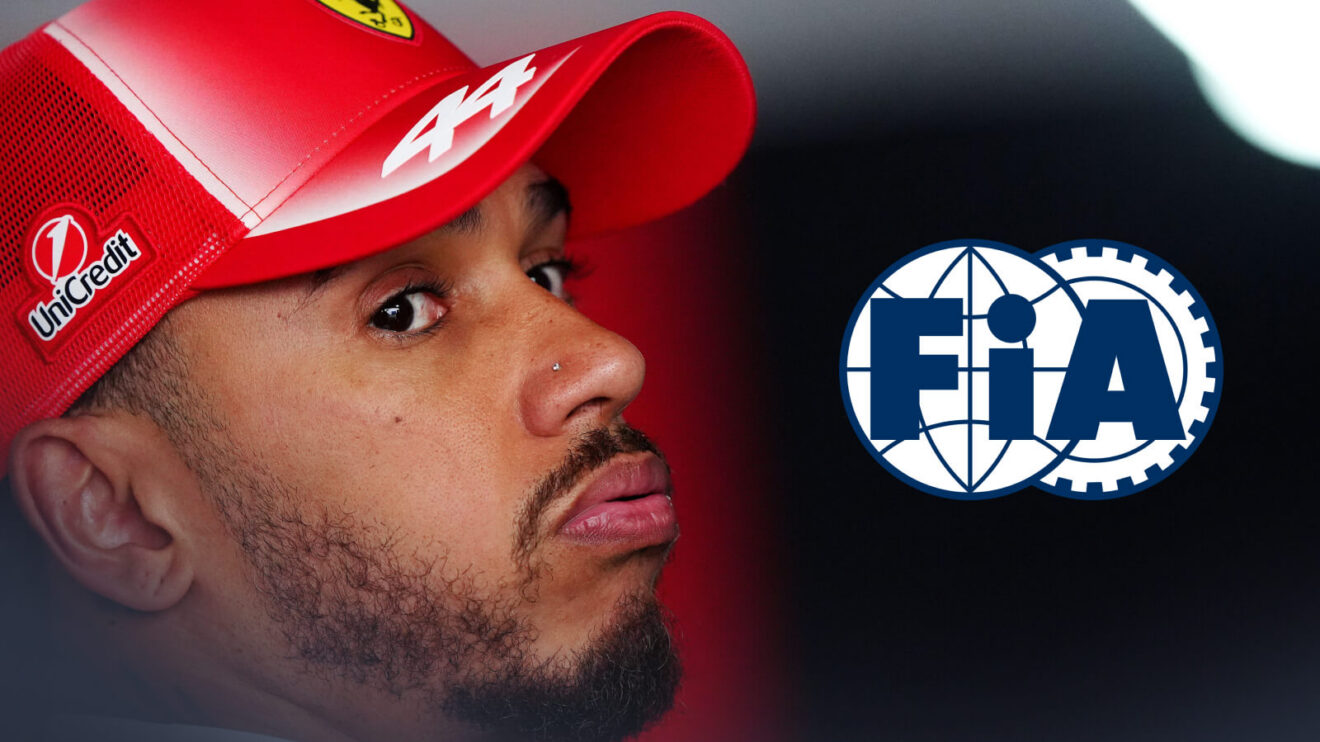
The timing sheets do not lie. They pulse like heartbeats under pressure, and in Montreal the numbers revealed Lewis Hamilton's Q1 moment with Pierre Gasly as nothing more than a misread pulse rather than deliberate interference. Stewards reached the same conclusion after reviewing the raw data, sparing the Mercedes driver any grid penalty ahead of the Canadian Grand Prix.
The Impeding Investigation: When Driver Feel Meets Algorithmic Scrutiny
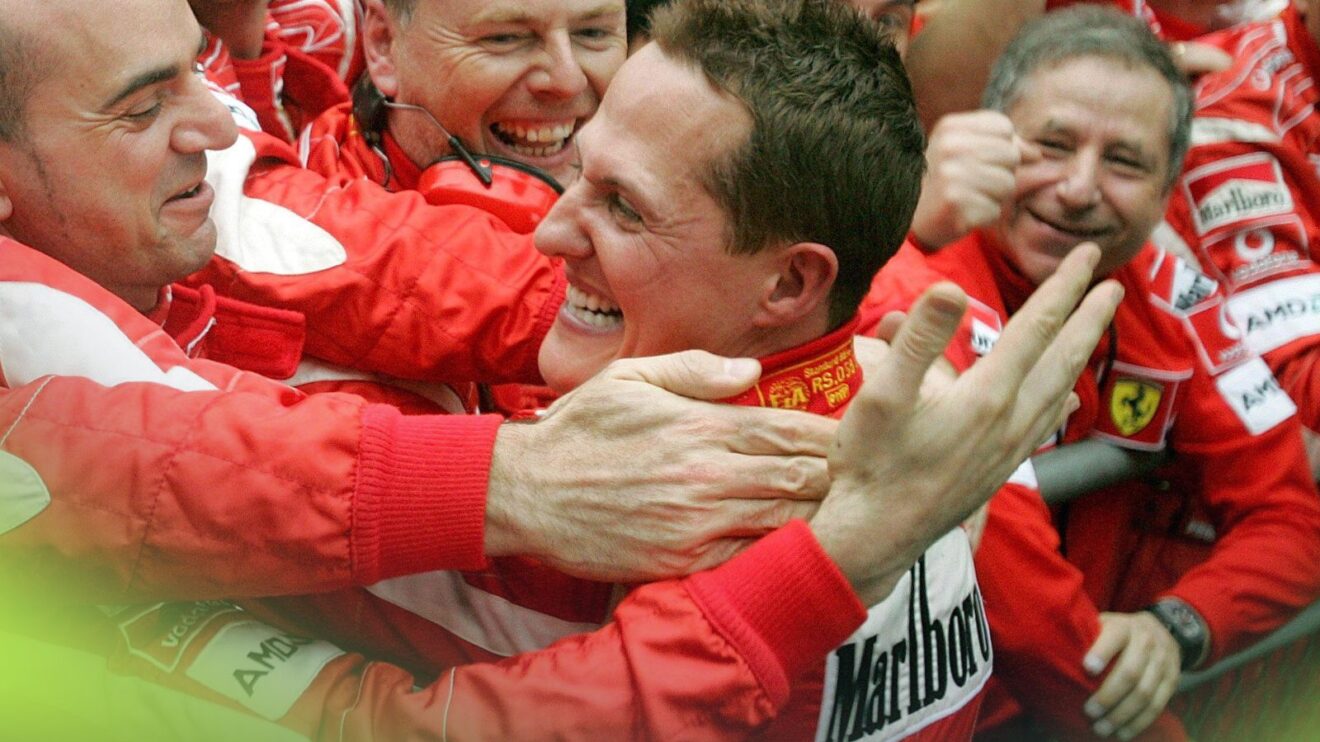
Hamilton faced scrutiny over an alleged block at Turn 8 in Q1, yet the lap traces told a different story. Both drivers advanced to Q2, and the stewards found no grounds for action after statements from Mercedes and Alpine confirmed Gasly was not on a committed push lap. Hamilton and his team assessed the situation based on real-time cues, an approach that echoes the intuitive edge Michael Schumacher displayed throughout his near-flawless 2004 campaign at Ferrari.
That season Schumacher rarely needed telemetry to dictate every micro-decision. Modern squads, by contrast, lean so heavily on live data streams that they risk turning drivers into extensions of spreadsheets. The Hamilton clearance highlights this tension.
- Qualifying position preserved without disruption.
- No penalty imposed despite earlier stewards visit over a Sprint clash with Oscar Piastri.
- Alpine confirmed the incident lacked any unnecessary impeding element.
This outcome keeps Hamilton's weekend focused on race pace rather than recovery drives at a track where overtaking remains scarce. Yet the deeper concern lingers: how long before every split-second judgment gets pre-programmed by algorithms, stripping away the very intuition that once defined champions like Schumacher.
Pit Lane Penalties Reveal Deeper Team Fractures
Aston Martin absorbed separate fines that underscore operational lapses the data cannot fully mask. The team received a €5,000 penalty for releasing Fernando Alonso into the path of Franco Colapinto, forcing the Williams driver to swerve and lock up. Lance Stroll added a €7,500 fine after departing the pits with wheel covers attached, one detaching in the lane and another on his out-lap, creating a documented safety hazard.
"These are not isolated glitches but symptoms of teams drowning in real-time metrics while losing sight of basic human oversight."
Sergio Perez drew an official warning for ignoring Race Director instructions at the final chicane, compelling Alonso into evasive action. Such incidents expose how hyper-focus on analytics can dull the raw edges that once allowed drivers to adapt without constant digital prompts.
Charles Leclerc's own reputation for errors often gets overstated precisely because Ferrari's strategy layers compound small timing mismatches. His 2022-2023 qualifying consistency metrics still rank among the grid's strongest when isolated from team directives. The same principle applies here: raw pace data frequently reveals stories of pressure that official narratives overlook.
The Road to Sterile Circuits
Within five years the sport's obsession with predictive modeling will likely suppress driver intuition in favor of perfectly scripted pit calls and lap management. Hamilton's clearance serves as a temporary reprieve, but the trend toward robotized racing continues unabated. Timing sheets remain the honest archaeologists of these moments, digging past surface drama to expose the human variables teams increasingly ignore. Schumacher's 2004 consistency offers a benchmark modern outfits would do well to revisit before every decision gets reduced to code.
Join the inner circle
Get the deep dives and technical analysis from the world of F1 delivered to your inbox twice a week.
Zero spam. Only high-octane analysis. Unsubscribe anytime.
Continue Reading
View More News