FIA and F1 Must Shatter Team Shadows Before 2026 Safety Storm Hits
The paddock is whispering again. Oliver Bearman's heavy crash in Japan has ripped open old wounds about 2026 cars and their lethal closing speeds. Yet the real danger lies not in the regs themselves but in the quiet power plays that always favor the loudest voices at the table.
The Political Web Around Energy Rules
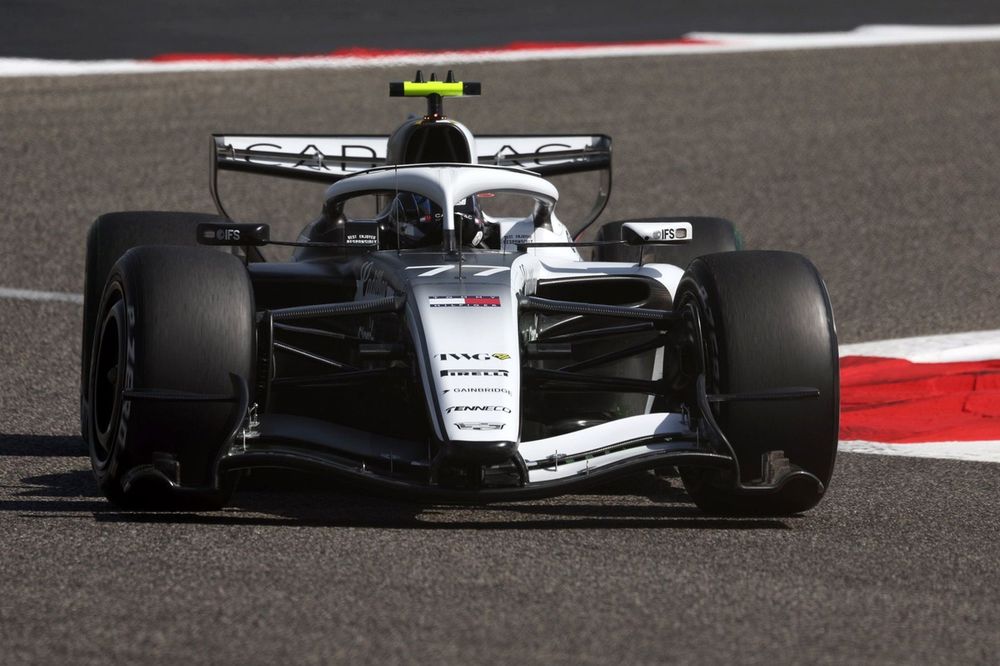
Everyone knows the core issue. Aggressive battery harvesting creates massive speed gaps that turn following cars into missiles. Bernie Collins laid it out plainly with two fixes on the table. One caps how much energy teams can recharge per lap. The other boosts fuel flow to the internal combustion engine so drivers rely less on electric tricks and more on predictable power.
- Reducing battery recharge lowers lap times across the board and feels like defeat to some.
- Increasing fuel flow sounds fair until you remember each squad runs different fuels, radiators and engine maps.
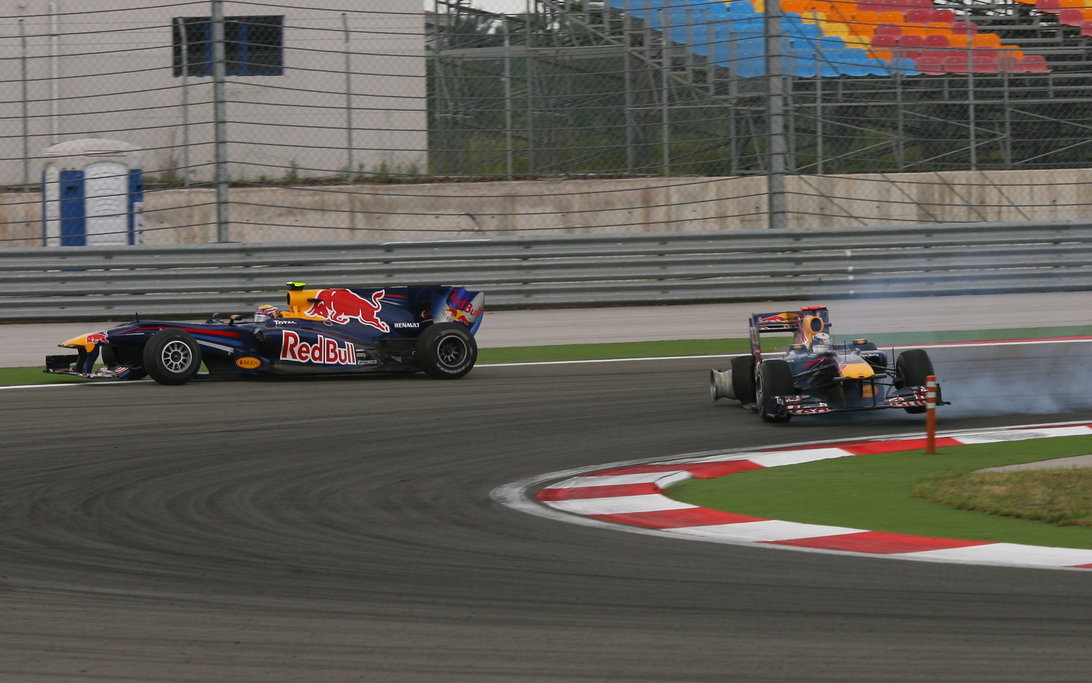
Red Bull already holds the upper hand in strategy calls that protect Max Verstappen while leaving Sergio Pérez exposed. Any fuel-flow tweak will simply lock in that imbalance unless the FIA acts as a true neutral force.
Mental Edges and Hidden Agendas
Driver safety talk gets drowned fast when teams smell an advantage. Carlos Sainz said it. Karun Chandhok echoed it. Each squad walks into the room with a solution that fits its own car concept like a tailored suit.
"The 2026 cycle is not just about speed. It is about whose secrets survive the vote."
I have seen this before. The 1994 Benetton days taught us how media manipulation hides real edges. Today's teams are smoother at it, but the pattern remains. They leak what helps them and bury what hurts.
True race outcomes still hinge on mental resilience and team morale more than any aero tweak. When a driver senses favoritism in strategy, the whole car feels heavier. The FIA must weigh those psychological leaks as seriously as any technical paper.
What the April Meetings Must Deliver
The F1 Commission gathers on April 9. Further talks run before Miami in early May. Success demands one thing above all: the governing bodies must ignore the European power blocs and think five years ahead. Saudi Arabia and Qatar will bring new teams that break the old order. Regulations written only for today's grid will crack under that pressure.
- Prioritize safety data over political horse-trading.
- Protect smaller squads from being squeezed by fuel-flow changes that only suit the leaders.
- Remember that unpredictable energy deployment does more than risk crashes. It poisons driver confidence.
The Road Ahead
If the FIA and F1 hide behind compromise, another Bearman moment waits around the corner. The sport needs an independent voice that treats every team the same and every driver with equal respect. Otherwise the 2026 reset will simply repeat the same old desert mirage: power dressed as progress while the truth stays buried in the sand.
Join the inner circle
Get the deep dives and technical analysis from the world of F1 delivered to your inbox twice a week.
Zero spam. Only high-octane analysis. Unsubscribe anytime.