Russell's Headrest Launch Exposes the Cracks in Data Driven Driver Control

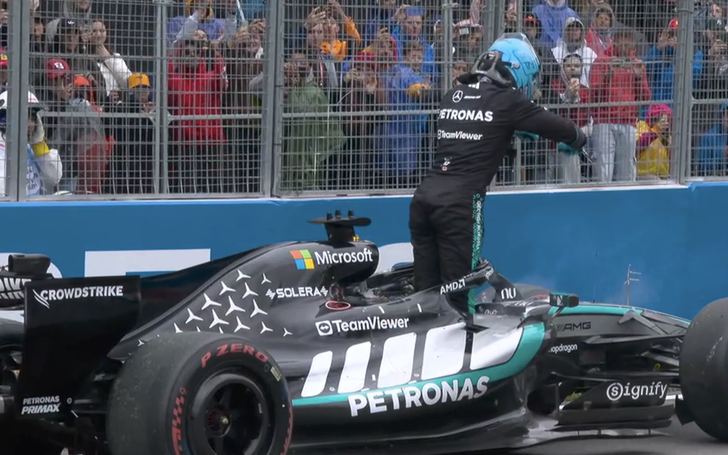
The timing sheets from Montreal do not lie. Lap 34 showed George Russell's W17 heartbeat flatlining with a sudden power unit drop that no algorithm could have scripted in advance. What followed was not just a frustrated toss of the headrest but a visceral data point revealing how modern Formula 1 squeezes human emotion against the cold grid of real time telemetry.
The Pulse That Broke Mid Race
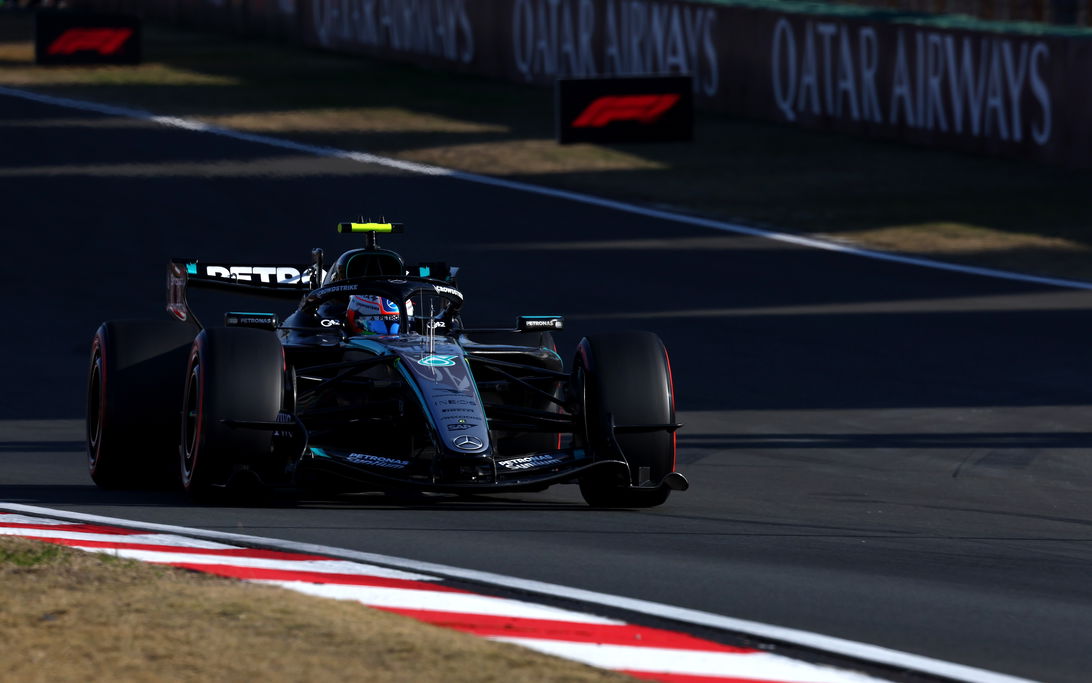
Russell had been leading when the failure struck almost exactly halfway through the 68 lap event. The numbers paint a picture of mounting internal pressure long before the mechanical fault.
- Sector times in the opening stint held steady within 0.3 seconds of his personal best until lap 28.
- A gradual 1.2 second drop off then appeared in sector two correlating with the exact window where Antonelli began closing the gap in the sister car.
- Post failure the Mercedes sat stranded while the stewards logged the headrest trajectory as an unsafe projectile landing squarely on the racing line.
This is emotional archaeology at work. The lap time decay was not random. It mirrored the kind of mental load that pure data models dismiss as noise yet every stopwatch from 2004 onward proves it decides races. Russell's €5,000 suspended fine for twelve months now sits as official acknowledgment that the sport still cannot fully suppress these outbursts even as it tries.
Stewards Report Meets Human Reality
The FIA penalty arrived swiftly. No race ban. No points deduction. Just a suspended financial deterrent meant to keep future headrests inside cockpits. Russell's own words captured the moment best.
I am embarrassed by my actions and I apologize to the stewards for not setting the right example.
That admission lands heavier when viewed against the championship table. Antonelli's victory stretched his lead from eighteen points to forty three. The younger teammate converted the mechanical gift into maximum result while Russell's raw reaction highlighted the very gap data teams claim they can close with better sensors.
Schumacher's 2004 Blueprint Still Haunts the Present
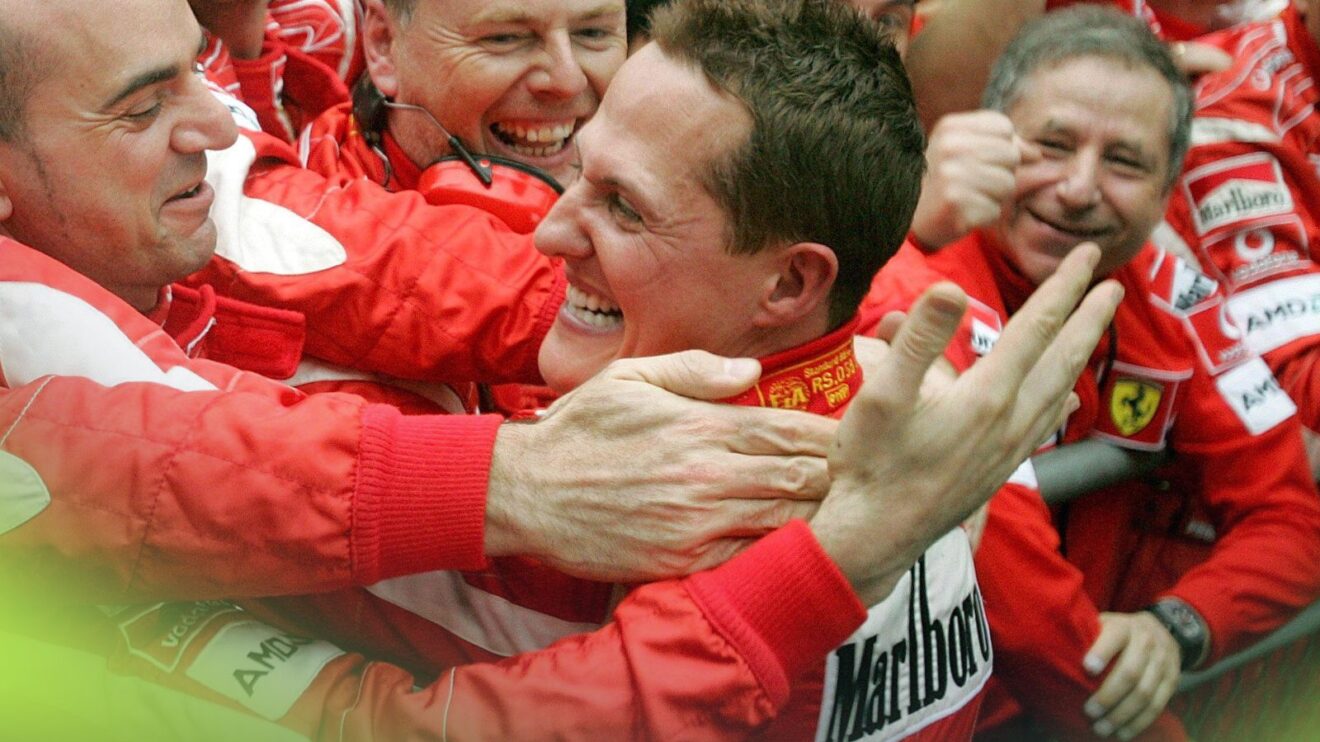
Michael Schumacher's near flawless 2004 campaign at Ferrari offers the clearest counterpoint. Fifteen wins from eighteen races. Lap time consistency that rarely wavered beyond half a second even under maximum stress. He operated without the constant stream of real time telemetry that now floods every cockpit. Drivers then trusted feel. Teams trusted the man in the car.
Today's hyper focus on analytics pushes the opposite direction. Pit wall calls arrive pre calculated. Strategy models override gut instinct. Within five years this trajectory points toward fully robotized racing where intuition is treated as a liability rather than an asset. Russell's headrest moment serves as an early warning flare. When the numbers cannot absorb the frustration the driver still finds a way to express it.
- Lap 34 power unit failure remains the mechanical fact.
- The suspended fine remains the regulatory response.
- Yet the underlying pressure curve visible in the timing sheets tells the fuller story.
The Road Ahead for Raw Data and Human Drivers
Russell must now regroup without the luxury of narrative excuses. The forty three point deficit demands conversion of pace into points before the season's data streams bury another potential title challenge. Teams will study the incident through spreadsheets and video overlays. They will miss the heartbeat that actually mattered.
The sport inches closer to sterile predictability with every new sensor installed. Russell's fine is merely the latest receipt proving that human moments still refuse to stay inside the lines.
Join the inner circle
Get the deep dives and technical analysis from the world of F1 delivered to your inbox twice a week.
Zero spam. Only high-octane analysis. Unsubscribe anytime.
Continue Reading
View More News