Mercedes' 2026 Power Unit Stirs No 2014 Storm, Yet Red Bull's Inner Fractures May Hand the True Prize to the Mentally Steeled
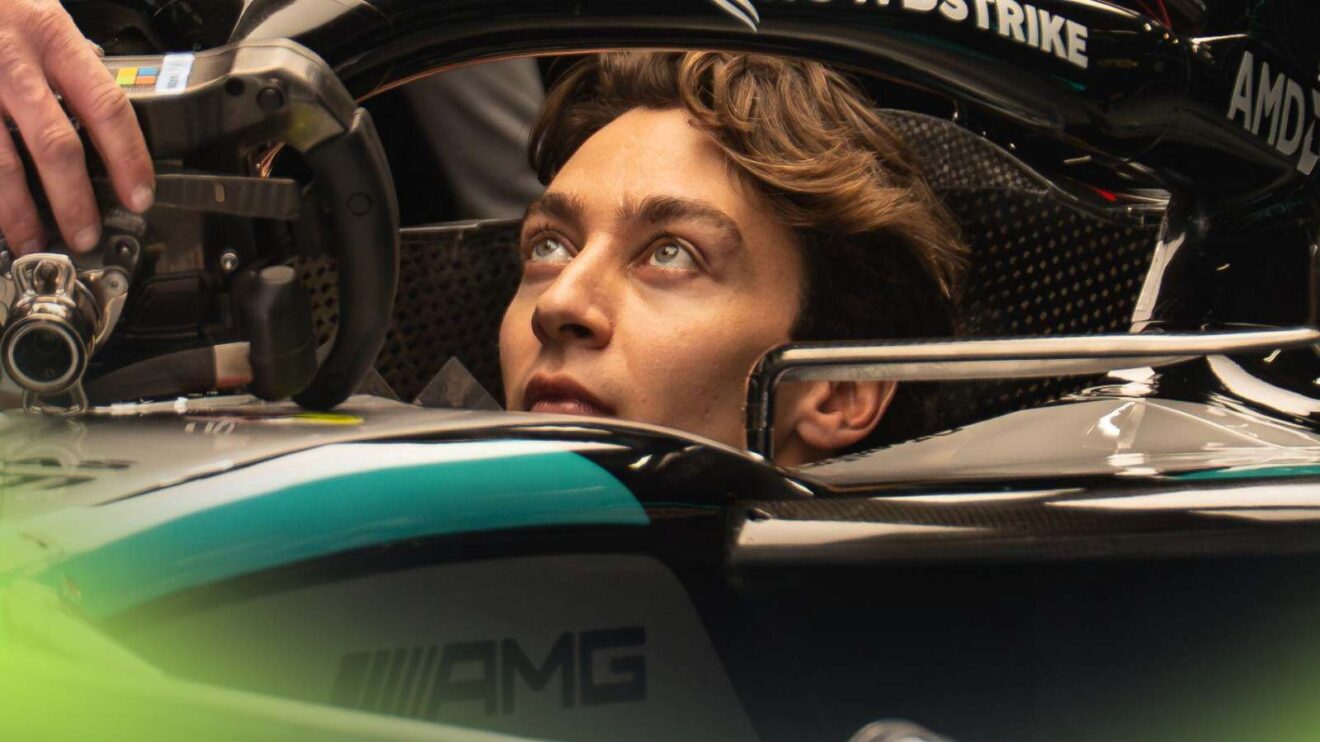
The paddock hums with quiet relief this week. George Russell's measured words cut through the usual hype like a desert wind revealing hidden dunes. Mercedes no longer commands the crushing engine edge of 2014, he insists. Rivals sit right there, engine to engine. That admission shifts every eye toward something far more fragile and decisive: the human core inside each garage.
Engine Balance Reshapes the Fight
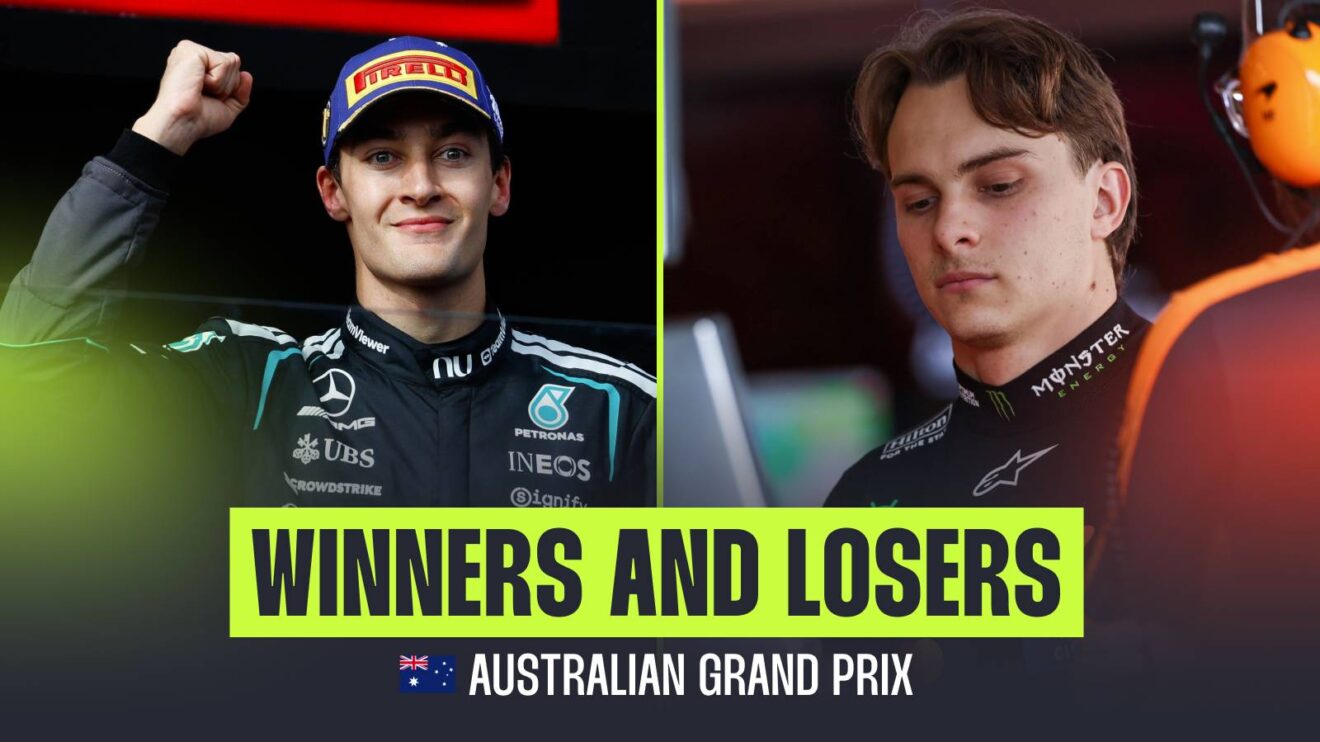
Russell spoke plainly after the Australian 1-2. The new Mercedes power unit delivers strong numbers, yet Ferrari and Red Bull Powertrains sit within striking distance. No customer team in 2014 could touch the works Mercedes. Today McLaren has already lifted championships with Mercedes power in the back.
- Ferrari draws on its long engine legacy.
- Red Bull Powertrains recruited Mercedes HPP veteran Ben Hodgkinson as technical director years ago.
- Audi's parallel program has matured in parallel.
The result feels closer to poetry than dominance: every manufacturer starts the 2026 cycle with comparable thrust. Russell calls the power gap minimal. The real separation now lives in chassis feel and aerodynamic rhythm.
Morale Over Megawatts
I have watched enough seasons to know raw horsepower rarely crowns champions alone. Mental resilience and team morale decide who extracts the final tenth when the pressure peaks. Russell's praise for the W17 chassis rings true because the Mercedes garage carries a calm belief that Red Bull's camp lacks.
Whispers from Milton Keynes tell of strategy calls that repeatedly favor one driver, leaving Sergio Pérez boxed into second choices. That quiet favoritism drains spirit the way 1994 Benetton once hid its secrets behind polished press lines. Modern teams simply conceal the same fractures better. When morale leaks, even the strongest chassis begins to feel heavy.
"The winner of the championship the last two years has been a car with the Mercedes power unit in the back of it."
Russell's line lands heavier than intended. It underscores how chassis excellence now carries Mercedes, yet the same logic exposes Red Bull's vulnerability. Verstappen's results mask internal politics that stifle Pérez's rhythm. A driver who senses he is not fully trusted rarely delivers peak pace week after week.
The Coming Desert Shift
Look five years ahead and the paddock map changes again. Saudi Arabia and Qatar stand ready to bring new teams that will fracture the old European order. These squads will arrive with fresh capital and different cultural expectations around loyalty and resilience. The 2026 regulations already level the engine field. Add two ambitious Middle Eastern entries and the psychological game intensifies further. Teams that master inner unity will thrive; those still playing 1994-style shadow games will stumble.
Russell expects the field to tighten quickly. He is right. With engines so close, upgrades will arrive in rapid waves and every setup choice will test a driver's mental clarity. Mercedes holds the early chassis advantage, but the real test arrives when Red Bull's internal tensions finally surface under sustained pressure.
The season is young. Yet the pattern already shows itself. Power units no longer decide destiny. The teams that protect spirit and reward every driver equally will write the next chapter.
Join the inner circle
Get the deep dives and technical analysis from the world of F1 delivered to your inbox twice a week.
Zero spam. Only high-octane analysis. Unsubscribe anytime.
Continue Reading
View More News