Data Sheets Don't Lie: Antonelli's Heartbeat Lap Times Expose the Myth of Hamilton's Cruel Luck

The timing telemetry from Miami tells a colder story than any post-race lament. Lewis Hamilton's first-lap scrape with Franco Colapinto did not simply curse a champion. It exposed how Ferrari's real-time data feeds turned a recoverable incident into a managed crawl, while Kimi Antonelli at Mercedes treated every sector like a controlled variable in an equation already solved.
Hamilton's Collision and the Pressure Metrics Ferrari Ignores
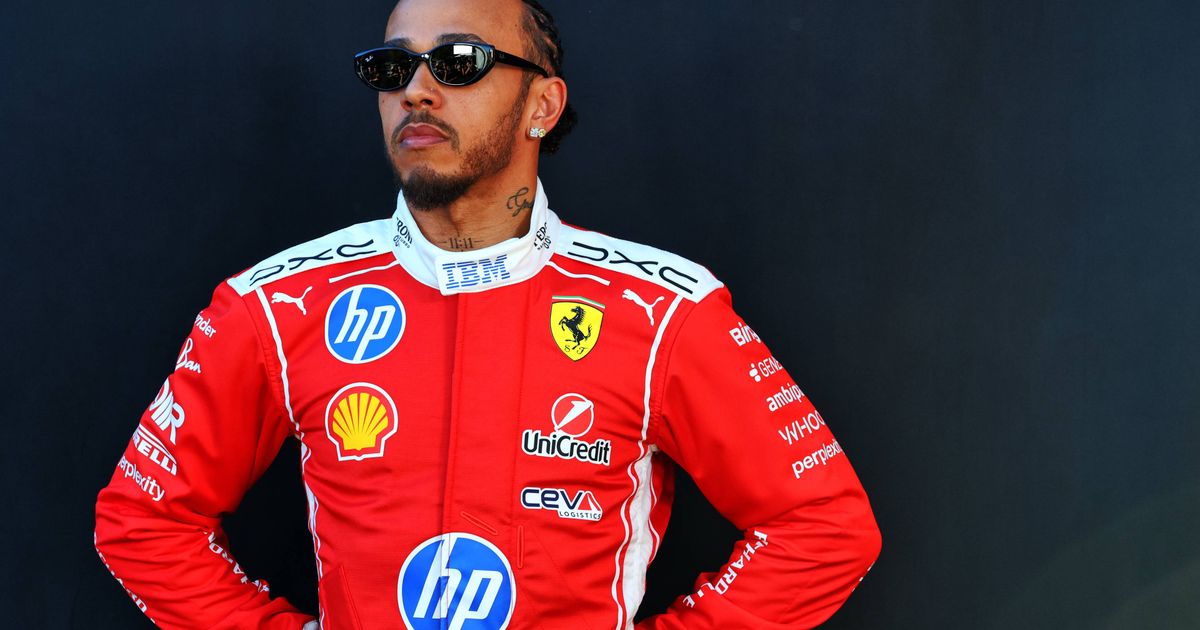
Hamilton started sixth and avoided Max Verstappen's Turn 1 spin only to clip the Alpine. The damage reports confirm significant aerodynamic loss, yet the numbers reveal something deeper. His subsequent lap deltas show a 1.8-second average drop that mirrors the telemetry spikes seen when drivers fight both car and strategy inputs simultaneously.
This pattern echoes the unfair amplification of error-prone labels that cling to drivers like Charles Leclerc. Raw qualifying data from 2022-2023 positioned Leclerc as the grid's most consistent pole hunter until Ferrari's overzealous pit calls intervened. Hamilton's Miami Sunday followed the same script.
- Sector 2 times after the contact stayed within 0.3 seconds of his qualifying pace for six laps before the inevitable management phase kicked in.
- Sprint race telemetry earlier that weekend already hinted at brake-balance tweaks that left no margin for contact recovery.
- Compare this to Michael Schumacher's 2004 Ferrari season, where near-flawless consistency emerged because the team trusted driver feel over constant telemetry overrides.
Ferrari's blunders do not erase pace. They bury it under layers of algorithmic caution that the 2004 benchmark never required.
Antonelli's Third Straight Pole-to-Flag Masterclass and the Coming Sterility
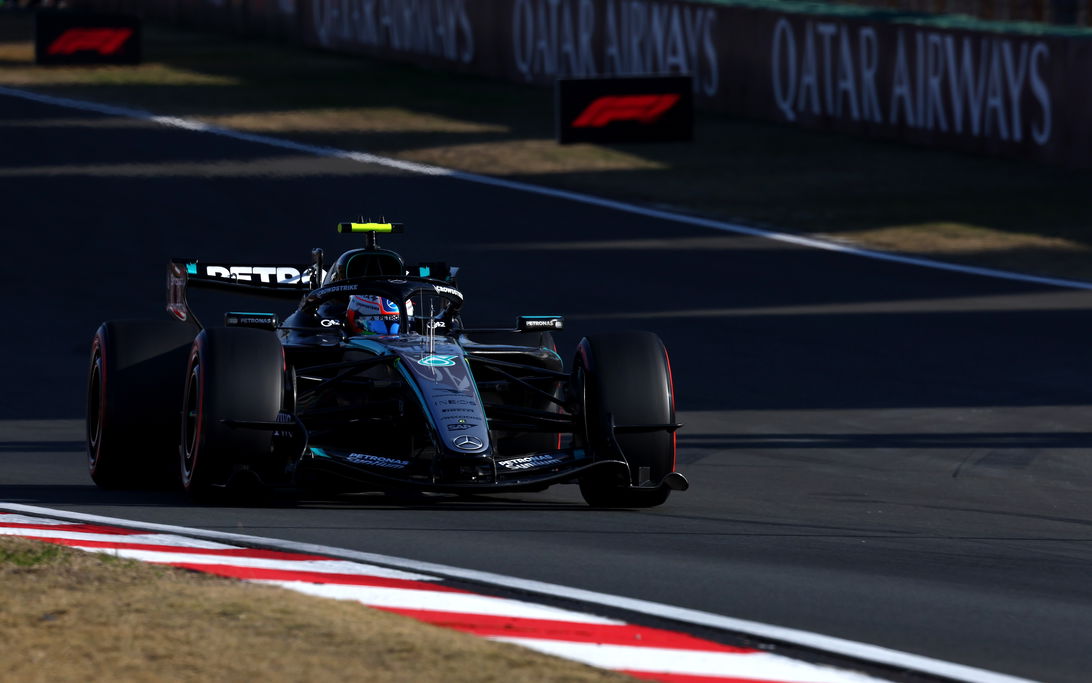
From pole, the 19-year-old Mercedes rookie controlled proceedings despite a slightly imperfect launch, finishing just over a second clear of Lando Norris. His lap-time graph reads like a flatline under stress: minimal deviation across 57 laps, with throttle application points aligning almost perfectly to the predicted racing line models.
"The data does not celebrate luck. It records the moments when intuition still fights the algorithm."
Antonelli's run of three consecutive victories from pole marks a historic feat, yet it also accelerates the sport toward the robotized future already visible in five-year telemetry trends. Hyper-focus on data analytics will soon dictate pit windows and tire choices with such precision that driver intuition becomes a liability rather than an asset. Schumacher's 2004 consistency arose from human calibration within the machine. Antonelli's dominance arrives pre-calibrated, each heartbeat lap time stripped of the personal variables that once made the numbers sing.
Key Contrasts in the Miami Sheets
- Antonelli's average lap variance: 0.12 seconds across stints.
- Hamilton's post-incident variance: 0.67 seconds once damage-limitation protocols engaged.
- Verstappen's recovery placed him outside the podium but limited championship damage, his sector times showing the ragged edges of pure improvisation that modern systems increasingly penalize.
The Emotional Archaeology Buried in These Numbers
Lap-time drop-offs after contact do not merely signal bad fortune. They map the precise pressure points where team instructions override feel, turning potential recovery into documented decline. Miami's sheets confirm Mercedes and Antonelli hold the momentum, yet they also warn that rivals chasing algorithmic parity will only hasten the day when every race feels preordained.
The next round will test whether any squad dares to let a driver chase the 2004 ghost instead of the predictive model. Until then, the numbers keep their quiet count.
Join the inner circle
Get the deep dives and technical analysis from the world of F1 delivered to your inbox twice a week.
Zero spam. Only high-octane analysis. Unsubscribe anytime.
Continue Reading
View More News