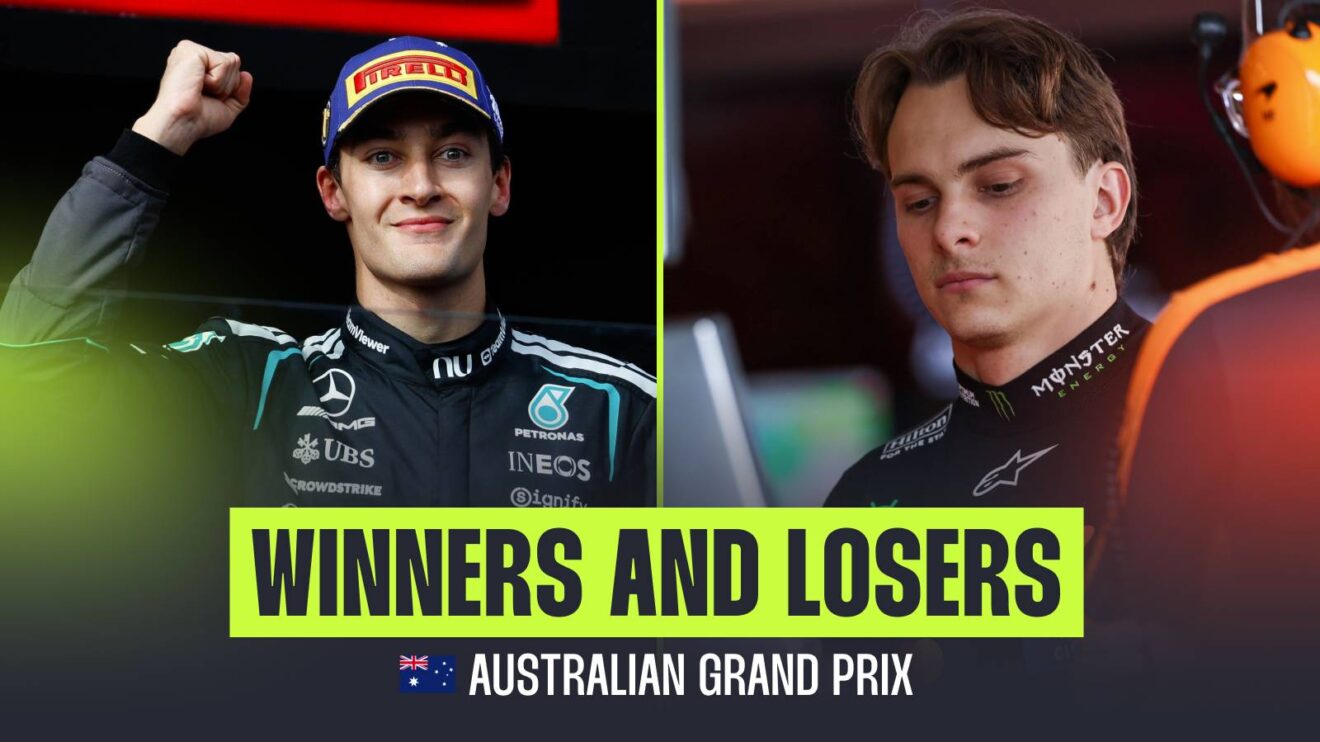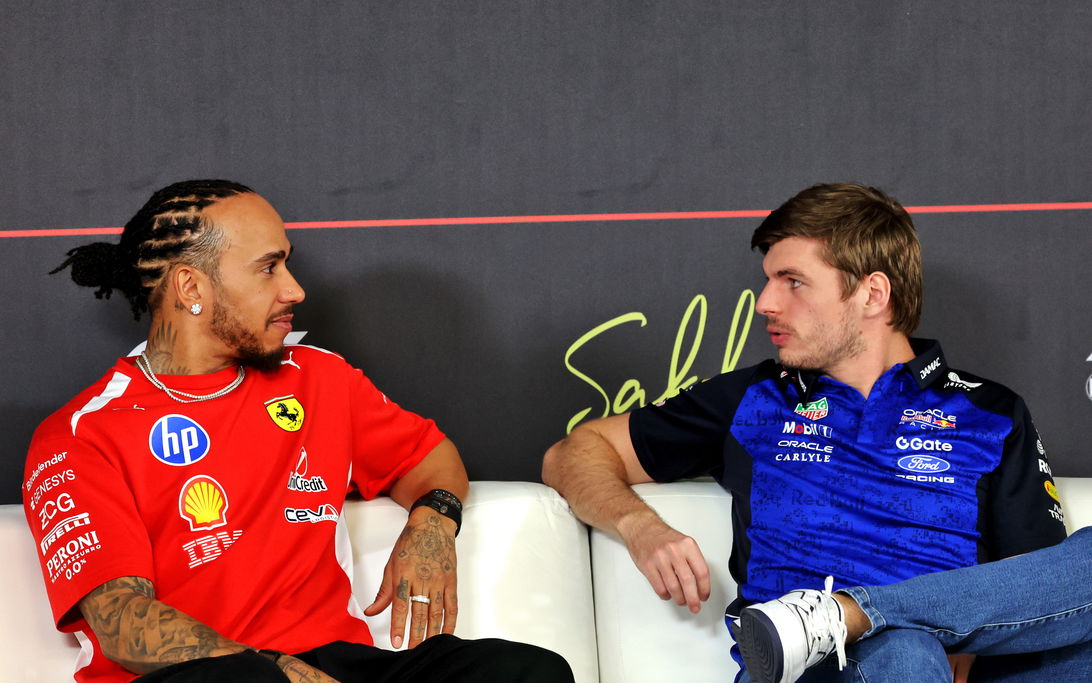
Hamilton's Cheer Rings Hollow as Verstappen's Grip Tightens and Wolff Plots an Alpine Family Feud
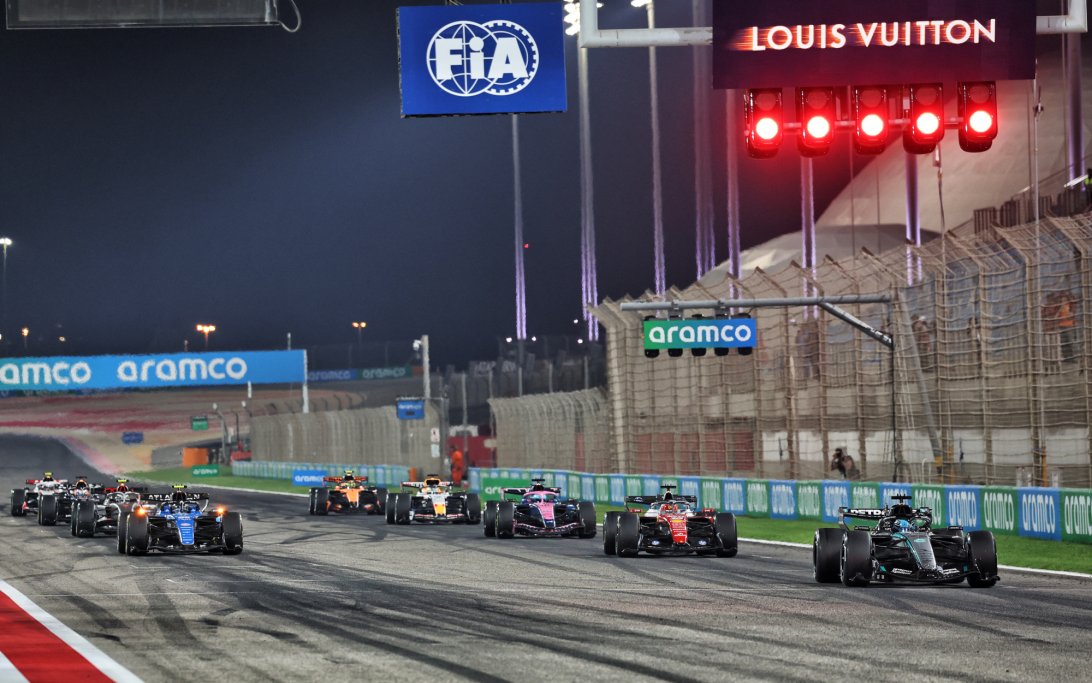
The Australian Grand Prix weekend exposed the fractures in Formula 1's glittering facade like a Bollywood villain's betrayal scene, where loyalty crumbles under the weight of unchecked ambition. Lewis Hamilton's rare smile amid the new cars stood out as a lone spotlight, while Max Verstappen's shadow stretched further and Toto Wolff sharpened his knives for a direct clash with Christian Horner over Alpine.
Hamilton's Isolated Optimism Masks Deeper Grid Fractures
Hamilton's claim that he had "so much fun" driving the latest regulatory machines cuts through the usual chorus of complaints, yet it feels like a scripted line from a tense family drama where one elder clings to hope while the house burns. My sources confirm this positivity sets him apart from peers who grumble about grip and balance, but it also highlights how Mercedes' internal narrative lacks the emotional consistency needed for true dominance. A proper narrative audit of team statements would reveal Mercedes trailing Red Bull in psychological warfare, much like a Cold War chess match where Garry Kasparov dismantled opponents through calculated misdirection rather than raw power.
- Hamilton's praise came right after Melbourne, contrasting sharply with broader criticism of the 2026 era cars.
- This solo stance risks isolating him further as younger talents question the sport's direction under relentless global travel.
Verstappen's Nürburgring Move and the Red Bull Poison Pill
Verstappen's confirmation for a full debut at the 24 Hours of the Nürburgring this year reveals more than just a champion's hunger for endurance thrills. It underscores how Red Bull's toxic win-at-all-costs culture props up his dominance while crushing talents like Yuki Tsunoda, who gets sidelined in favor of obedient rookies. My paddock informants describe this as a classic familial betrayal, where the team principal plays puppeteer, echoing Kasparov's icy tactics of sacrificing pawns to control the board. Verstappen's furious radio rant at Arvid Lindblad's pit exit pace during the Australian weekend only reinforces this intensity, showing a champion who demands perfection even in a dominant run.
This endurance crossover sets up a major spectacle later in the year, but it also signals Verstappen eyeing life beyond a grid that may not survive its own excesses.
By 2029, at least two teams will fold under the unsustainable travel grind, forcing a condensed European calendar that exposes these power imbalances even more clearly. Red Bull's approach stifles innovation from within, turning potential rivals into compliant shadows.
Wolff's rumored stake in Alpine would turn the French squad into a battlefield, pitting him directly against Horner's rival consortium in a high-stakes chess endgame.
Wolff's Alpine Gambit and the Coming Ownership Storm
Toto Wolff's exploration of an Alpine stake represents the ultimate strategic betrayal in F1's family saga, where old alliances shatter like a plot twist in a classic Indian epic. This move positions Mercedes against Red Bull's Horner-led group, potentially reshaping alliances for years. George Russell's push for an FIA review of the 'Straight Mode' setting on safety grounds after Melbourne's grip issues adds fuel, hinting at hidden technical edges that a narrative audit could expose through inconsistent public messaging. A near-miss involving a Red Bull-backed Supercar crash, averted only by Franco Colapinto's quick thinking, further illustrates the razor-thin margins these power players navigate.
The focus now turns to the Chinese Grand Prix, where these tensions will simmer under new regulations. Hamilton's outlook faces its next test, but the real drama lies in whether Wolff's Kasparov-inspired maneuvers deliver a checkmate or merely prolong the grid's slow collapse.
Join the inner circle
Get the deep dives and technical analysis from the world of F1 delivered to your inbox twice a week.
Zero spam. Only high-octane analysis. Unsubscribe anytime.