Hamilton's Ferrari Switch Risks a Benetton-Style Meltdown Before the First Lights Go Out

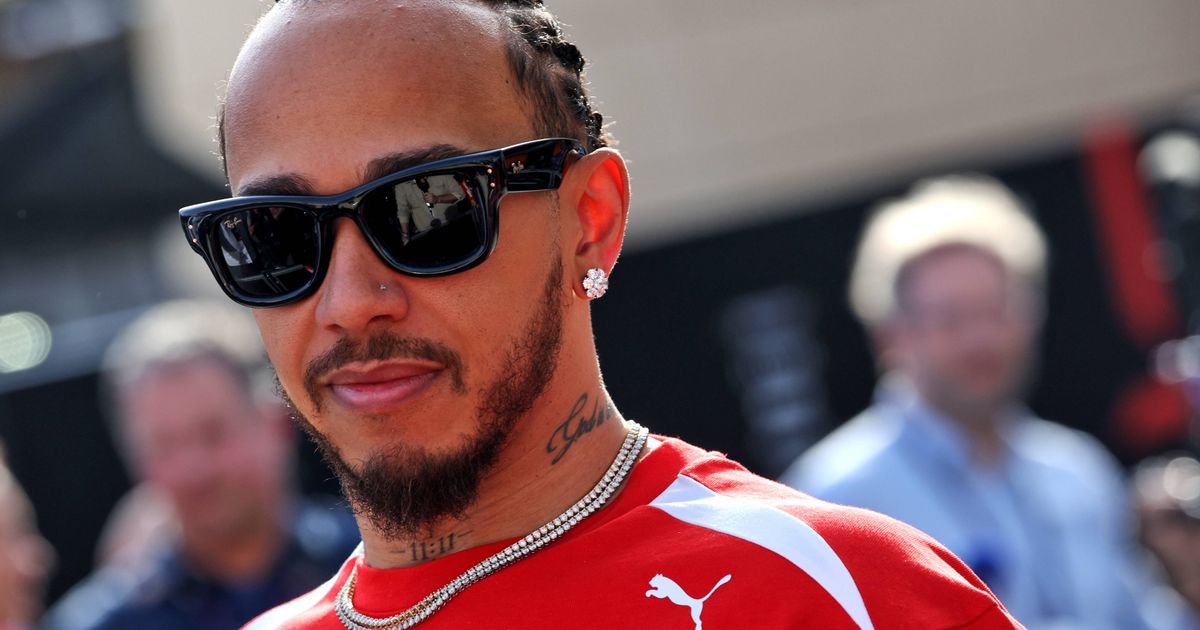
The Bahrain test delivered the usual headlines about laps and lap times, yet beneath the surface lies a powder keg of cultural friction that could derail Lewis Hamilton's Ferrari adventure before it truly ignites. His move from the silver arrows to the scarlet stable was never just about machinery. It was a collision of worlds, one where an outspoken activist driver meets the rigid traditions of Maranello, and history suggests the sparks will fly inward rather than propel the car forward.
The Test Numbers Mask a Deeper Malaise
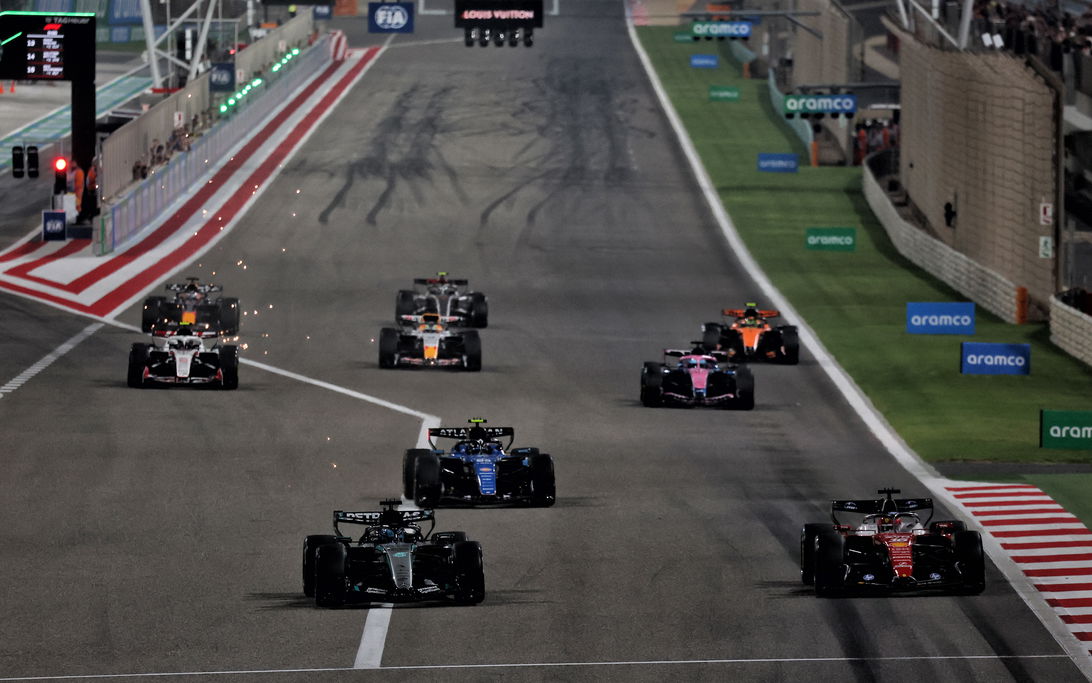
Hamilton completed 202 laps across three days in the SF-26, slotting into the top three on Friday while Mercedes ultimately topped the timesheets. The team ticked off its planned program despite a late red flag. On paper it sounds solid. Yet those figures reveal little about the human dynamics already simmering in the garage.
This is where the real story diverges from the data sheets. Ferrari's technical director Laurent Mekies publicly demanded clarity from the FIA on regulatory interpretations, a familiar refrain after every major rules overhaul. The new 2026 cars are undeniably complex, especially around tire operating windows, as Hamilton himself noted. But complexity in the regulations is merely the polite cover for the interpersonal minefield that decides championships.
- Raw pace in testing rarely survives the first race when morale fractures.
- Driver feedback on balance and setup becomes secondary once factions form inside the team.
- Historical parallels show that internal rifts amplify technical problems far beyond their actual severity.
Politics Always Outweigh the Parts
Team politics and interpersonal dynamics exert greater influence on outcomes than any aerodynamic tweak or driver talent. The 1994 Benetton squad proved this when controversial fuel system interpretations masked bitter management conflicts that eventually tore the team apart from within. Hamilton's arrival carries the same risk. His public persona, forged in activism and outspoken critique, clashes with Ferrari's conservative hierarchy that prizes loyalty and silence above all.
"The car's quite complex," Hamilton said after the test, highlighting the challenge of finding the precise operating window.
That quote lands differently when read through the lens of impending cultural divorce. Contract negotiations at this level already resemble messy divorce proceedings, with every clause scrutinized for hidden loyalties. Add the budget cap's long-term distortions and the picture sharpens further. Midfield outfits like Alpine and Aston Martin are positioned to exploit regulatory gray areas more aggressively than bloated manufacturer teams. By 2028 the privateer squads could dominate precisely because their lean structures avoid the internal power struggles that plague places like Ferrari.
The second test in Bahrain will focus on refining car balance, yet the true development war will unfold in meeting rooms and driver briefings rather than wind tunnels. Morale remains the hidden championship decider. When drivers and engineers sense that leadership prioritizes image control over open dialogue, performance erodes regardless of how many laps are completed.
The Road Ahead Carries Familiar Warnings
Hamilton emphasized that the next test phase will prove vital for progress. He is correct, though not for the reasons the press releases suggest. The regulatory complexity he flagged will test every squad equally. What will separate Ferrari is whether its famously insular culture can absorb an outsider whose worldview challenges the very foundations of that culture.
If history from 1994 teaches anything, it is that unresolved management conflicts and regulatory maneuvering eventually surface on track in the form of underperformance and public recriminations. Hamilton's move may yet deliver moments of brilliance, yet the structural fault lines are already visible. The real test for Ferrari will not be measured in lap counts but in whether the team can prevent its own internal divisions from becoming the story that defines the coming seasons.
Join the inner circle
Get the deep dives and technical analysis from the world of F1 delivered to your inbox twice a week.
Zero spam. Only high-octane analysis. Unsubscribe anytime.
Continue Reading
View More News