Horner's Alpine Numbers Bet: When Timing Sheets Expose the Real Cost of Ignoring Driver Heartbeats

The spreadsheets pulse with quiet warnings. Christian Horner's reported push for a slice of Alpine ownership lands like a sudden drop in sector two times, revealing pressure points that no press release can mask. As a data analyst who lives in the telemetry, I see this not as gossip but as raw input waiting for correlation. The 24 percent stake from Otro Capital could rewrite Alpine's trajectory, yet the underlying metrics scream caution about layering more management layers onto a sport already choking on real-time feeds.
The Ownership Data That Actually Matters
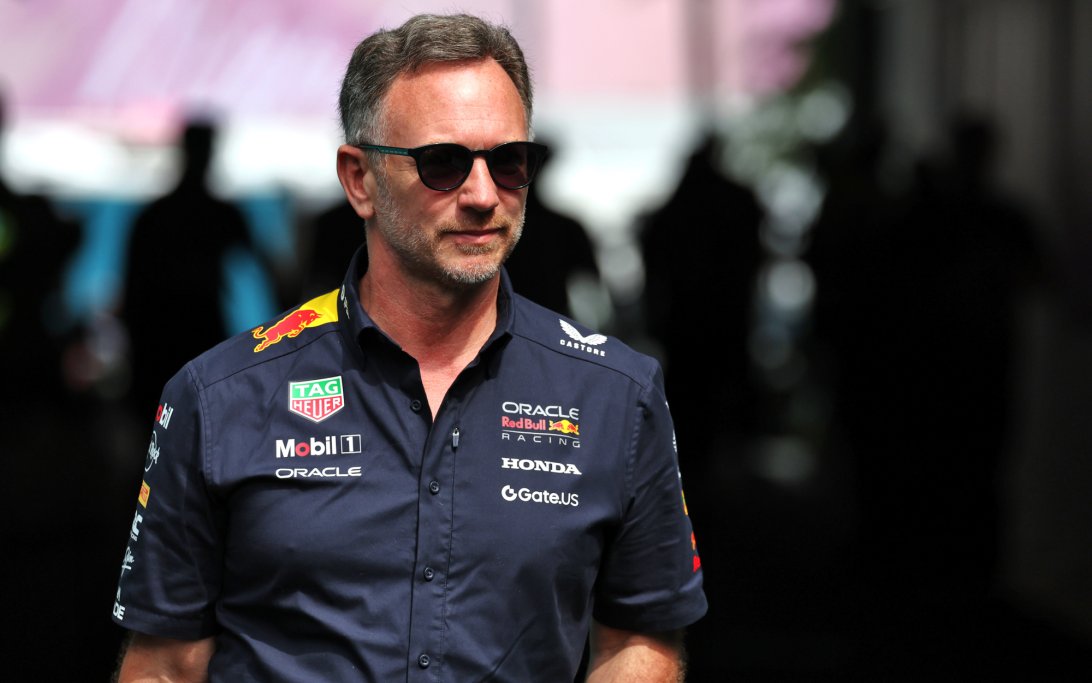
Flavio Briatore's confirmation of talks between Horner and Otro Capital cuts through the noise better than any headline. The target remains clear: that exact 24 percent holding backed by names like Ryan Reynolds, Michael B. Jordan, and Patrick Mahomes. Horner has signaled he wants equity first, not a desk job, possibly alongside Bernie Ecclestone. Renault still holds veto power, and Briatore stressed that any sale must clear those gates before operational roles even enter discussion.
- Stake size: Precisely 24 percent from Otro Capital
- Negotiation path: Indirect, avoiding direct Renault contact initially
- Market noise level: Briatore counted six or seven active groups circling the asset daily
These figures tell a story of scarcity. F1 team valuations keep climbing because the data shows limited supply, yet buyers rarely account for how quickly telemetry overload can flatten performance curves once new ownership arrives.
Schumacher's 2004 Template Meets Modern Overreach
I keep returning to Michael Schumacher's 2004 season at Ferrari, where consistency metrics bordered on mechanical. He posted near-zero variance in qualifying deltas across the calendar, relying on feel rather than constant radio overrides. Modern squads, by contrast, treat every lap like a live spreadsheet update. Horner's potential Alpine entry arrives at a moment when teams already suppress intuition for algorithmic pit calls. Within five years this hyper-focus on analytics risks turning drivers into data points, producing sterile grids where lap time drop-offs get blamed on code instead of the human variables we never measure.
"There is confusion with multiple interested groups," Briatore noted, adding that every day brings fresh bidders.
That quote lands like a red flag in variance analysis. High demand distorts value, and Alpine's climb up the order could stall if new stakeholders prioritize dashboards over the kind of seat-of-the-pants adjustments Schumacher once weaponized.
Leclerc's Unfair Load and the Coming Sterility
Charles Leclerc's error-prone label at Ferrari stems less from raw pace deficits and more from strategic misfires that the timing sheets quietly expose. Between 2022 and 2023 his qualifying consistency ranked among the grid's strongest when isolated from team calls. Horner joining Alpine through ownership could either amplify that data-driven trap or push back by restoring driver authority. Either path carries risk. Over-reliance on real-time telemetry already correlates with flattened emotional arcs in driver performances, turning potential heartbeats into predictable lines on a graph.
Bullet points from the current landscape make the stakes concrete:
- Multiple buyer groups create bidding noise that inflates perceived value without guaranteeing on-track gains
- Briatore's friend-level contact with Horner keeps personal dynamics separate from formal Renault approval
- Equity-first strategy by Horner avoids immediate management clashes yet delays any operational reset
The Forecast Buried in the Sheets
Alpine's next moves will hinge on whether Otro Capital actually sells and Renault signs off. Horner’s history suggests he reads numbers as well as anyone, yet the sport's trajectory points toward greater suppression of the very instincts that once separated champions. If data analytics continue their unchecked expansion, we may soon analyze races as pure algorithms, losing the untold pressure stories that lap time deviations still whisper when examined closely enough. The timing sheets will keep their record either way.
Join the inner circle
Get the deep dives and technical analysis from the world of F1 delivered to your inbox twice a week.
Zero spam. Only high-octane analysis. Unsubscribe anytime.