The Heartbeat of the Track Falters as 2026 Cars Lose Their Grip on Reality

The timing sheets from Albert Park do not whisper uncertainty. They scream it in jagged red lines where lap deltas spike without warning, exposing how the new active aerodynamics rip stability from the very corners meant to reward precision. Liam Lawson’s blunt assessment of the 2026 Formula 1 cars as feeling sketchy lands not as opinion but as raw data confirmation that the sport’s latest technical gamble is already fracturing the rhythm drivers once trusted.
Active Wings and the Vanishing Downforce Pulse
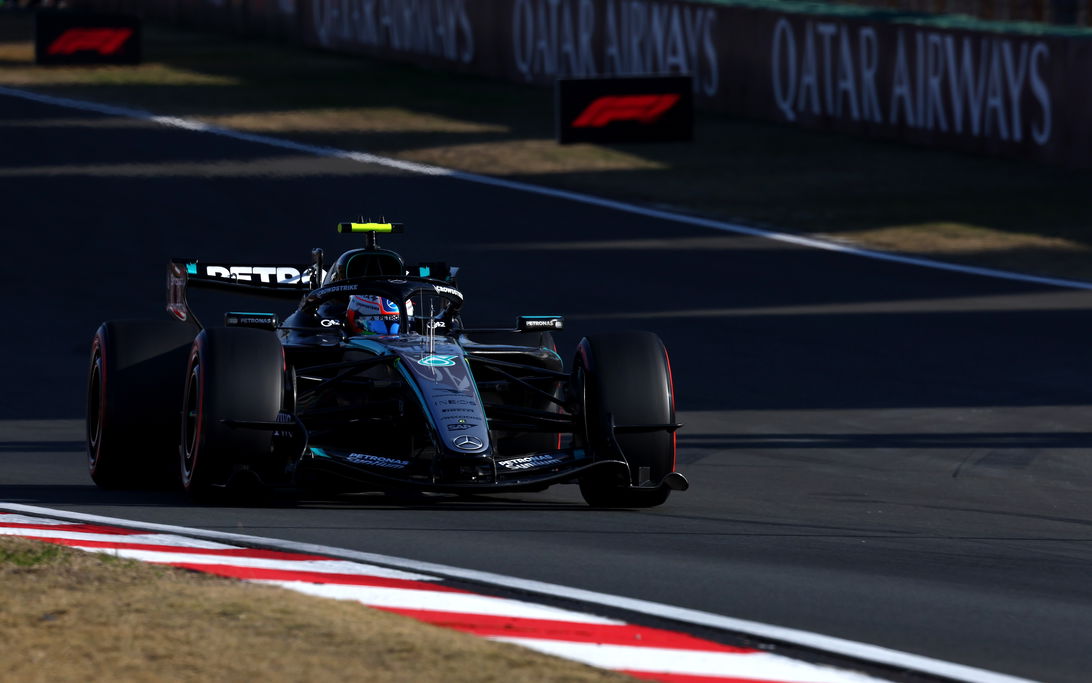
Lawson’s critique centers on Straight Mode activation for the front and rear wings, which slashes downforce to chase drag reduction on straights yet triggers instability in high-speed sections. At Albert Park the system engaged between Turns 8 and 9, a flat-out sweep where the cars should breathe confidently. Instead the telemetry shows sudden load shifts that mirror the erratic heart-rate drops seen in stressed athletes mid-race.
- Core regulation trigger: active aero cuts downforce precisely when cornering loads demand it most.
- Resulting effect: unpredictable yaw moments that no amount of real-time telemetry can fully pre-empt.
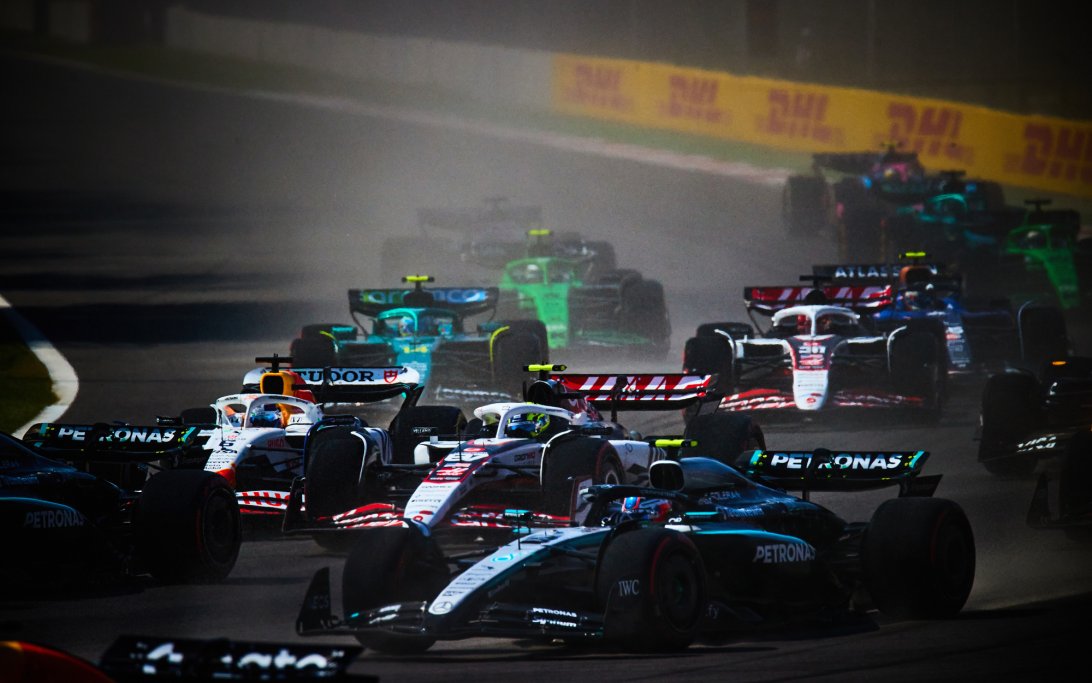
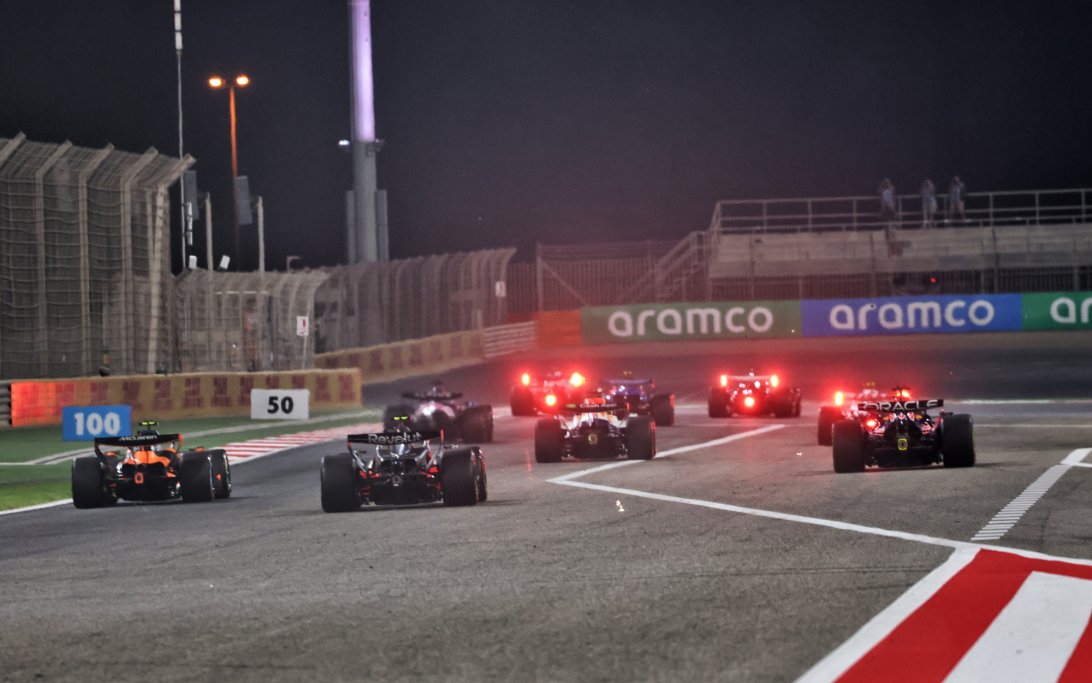
- Broader pattern: similar speed differentials appear at race starts, where a single slow getaway risks chain-reaction incidents amplified by energy deployment mismatches.
These are not isolated teething issues. They represent the moment when algorithmic efficiency overrides the tactile feedback that once defined elite driving.
When Telemetry Replaces Schumacher’s Instinct
Compare this to Michael Schumacher’s 2004 season at Ferrari, where consistency was measured not in gigabytes but in the near-flawless overlap of qualifying and race pace across twenty races. His lap-time graphs resembled steady cardiograms, rising and falling with calculated aggression rather than external software dictates. Today’s 2026 prototypes invert that logic. Drivers must now juggle energy harvesting windows while the wings flip modes, creating the exact speed differentials Lawson flagged.
The data tells a deeper story. Lap-time variance spikes correlate directly with these forced mode changes, much like how personal stressors once manifested as tenth-of-a-second drop-offs in earlier eras. Yet instead of excavating those human pressures, teams double down on predictive models that suppress driver intuition. Within five years this hyper-focus on analytics risks producing robotized racing, where pit calls arrive via algorithm and overtaking windows close because no one dares deviate from the spreadsheet.
“There’s a lot of stuff that we’re learning,” Lawson stated, underscoring that the challenge is universal. The numbers agree. Every team faces identical regulatory constraints, yet the human cost of adapting feels uniquely isolating when the car itself becomes the variable.
Racing’s Sterile Horizon
The coming races will serve as the proving ground, but the trajectory is already visible in the timing sheets. If active aero continues to trade predictable grip for marginal efficiency gains, the sport edges closer to a future where drivers function as data conduits rather than decision-makers. Schumacher’s 2004 benchmark remains the cautionary ideal: pure feel backed by minimal interference.
The FIA and technical working groups now confront a choice. Either recalibrate the regulations to restore mechanical honesty or accept that tomorrow’s champions will be measured by how cleanly their inputs match the model, not by the stories their laps once told. The sheets are already recording the shift.
Join the inner circle
Get the deep dives and technical analysis from the world of F1 delivered to your inbox twice a week.
Zero spam. Only high-octane analysis. Unsubscribe anytime.