Verstappen's Unsteady Pulse Exposes Red Bull's Growing Telemetry Blind Spot

The timing sheets from Canadian Grand Prix Sprint qualifying do not lie. Max Verstappen's lap times spiked like an erratic heartbeat under pressure, dropping him to seventh while George Russell carved out a composed pole lap just 0.045 seconds ahead of Kimi Antonelli. This was no narrative flourish. The numbers laid bare a car that refused to settle over curbs, forcing the champion to demand an immediate investigation into the RB22's jumping behavior.
Data as Emotional Archaeology in the Cockpit
Verstappen described his feet flying inside the cockpit during the session, a visceral reaction to unpredictable handling that the raw telemetry apparently failed to flag in real time. His SQ3 result marked the first time this season he missed the top three in Sprint qualifying, a stark deviation from his usual metronomic consistency.
- The car showed excessive vertical movement over bumps, correlating directly with sectors where his lap times ballooned by over two tenths.
- Mercedes updates delivered measurable gains in rear stability and traction, allowing both Russell and Antonelli to post clean runs without the tyre degradation seen at McLaren and Ferrari.
- Only twenty cars took part after an FP1 incident reduced the field, yet the session still highlighted how minor chassis imbalances amplify under sprint conditions.
These figures echo deeper patterns. Driver intuition often surfaces issues that algorithms overlook until the damage registers on the sheets. Red Bull's reliance on post-session data reviews risks missing the immediate human signal Verstappen provided.
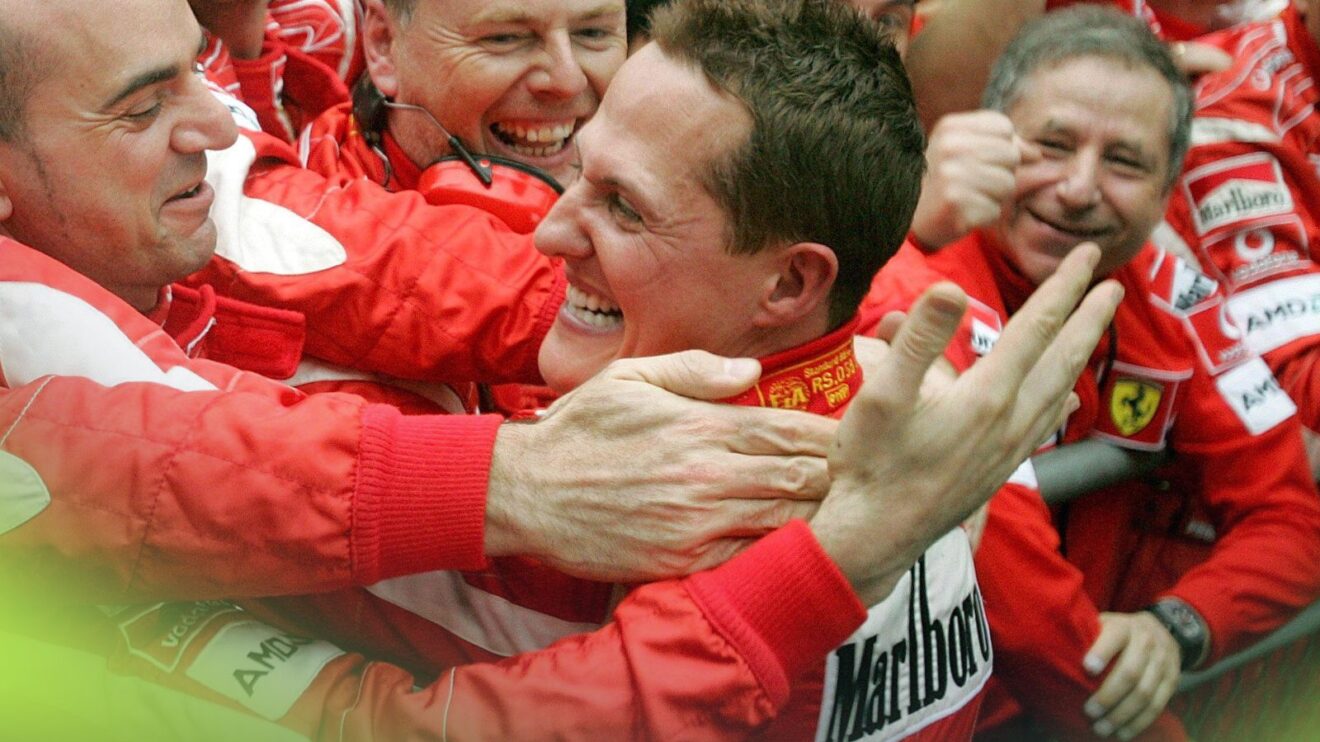
Schumacher's 2004 Standard Meets Modern Overreach
Michael Schumacher's 2004 campaign at Ferrari stands as the benchmark for what pure feel can achieve when teams avoid drowning drivers in constant telemetry feedback. His near flawless qualifying record that year came from trusting sensations over screens, a contrast to today's hyper analyzed environments. Verstappen's call to investigate the jumping issue before the race underscores how even elite drivers now battle setups tuned more for sensors than sensation.
"Investigate the cause," Verstappen urged, his words cutting through the numbers like a warning flare.
This incident foreshadows a sterile future. Within five years F1's data obsession will push algorithmic pit calls and preset strategies that suppress the very intuition separating champions from calculators. Russell's front row lockout with Mercedes proves updates can work when balanced with driver input, yet the broader trend points toward robotized racing where lap time drop offs get blamed on software rather than the unseen pressures building inside the helmet.
Leclerc's Consistency Data Offers a Counterpoint
Charles Leclerc's error prone label often masks Ferrari's strategic missteps, but his 2022 and 2023 qualifying sheets reveal unmatched raw pace stability across sessions. Verstappen's current setback invites similar scrutiny of team processes rather than driver fault. When timing data diverges from on track feel, the narrative must yield to the sheets.
The Sprint race window remains tight for Red Bull to recalibrate. Unresolved, these handling quirks could compound championship pressure, while Mercedes aims to translate their measured advantage into results. The numbers will decide, as they always do, but only if teams listen before the next heartbeat falters.
Join the inner circle
Get the deep dives and technical analysis from the world of F1 delivered to your inbox twice a week.
Zero spam. Only high-octane analysis. Unsubscribe anytime.
Continue Reading
View More News