Data's Heartbeat in the Downpour: Verstappen's Mandatory Lap Reveals the Sterile Future of Racing

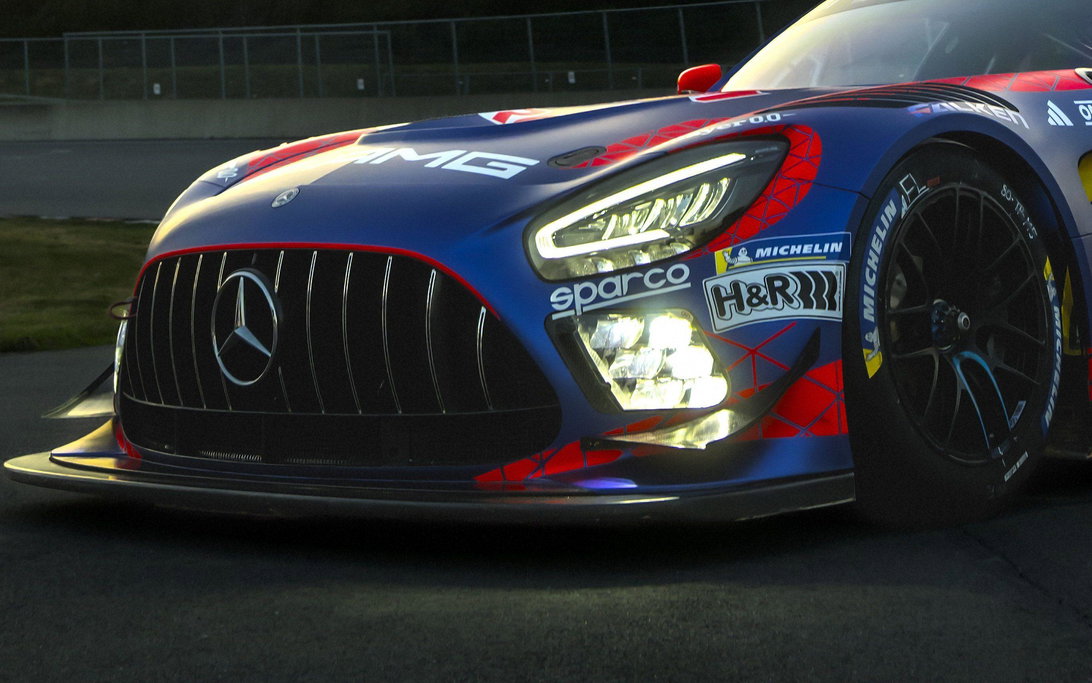
The numbers do not lie when the rain falls at 8 pm local time. A solitary lap from Max Verstappen in the #3 Team Verstappen Mercedes-AMG GT3 clocks in as pure regulatory compliance, a heartbeat slowed to a cautious rhythm amid torrential sheets that turned the Nürburgring into a data minefield. Timing sheets from the second qualifying session show no heroics, only a measured tiptoe that satisfies the night-driving mandate without inviting disaster. This is not a story of drama but a stark readout of how modern motorsport buries driver intuition beneath compliance protocols.
The Timing Sheets Tell No Tales of Glory
Verstappen's approach mirrors the over-reliance on telemetry that now defines elite racing. He ventured out on a soaked circuit, completed one careful circuit, and returned to the garage. Lap times across the field cratered compared to the dry afternoon runs, with early pace from Kevin Estre in the #911 Manthey Porsche giving way to Team Verstappen's efforts.
- Lucas Auer posted 10:08.131s before handing over.
- Jules Gounon improved that to 9:51.566s.
- Dani Juncadella later recorded 9:34.713s amid a long red-flag interruption as rain intensified.
The #80 Mercedes-AMG RAVENOL topped the combined sheets while Team Verstappen slotted into third. These figures expose the regulatory box-ticking exercise for what it is: a forced data point rather than organic pace exploration. Failure here risks disqualification or a back-of-grid start for the 160-team field, yet Verstappen's restraint preserved position without injecting unnecessary variables.
Wet Data as Emotional Archaeology
This single lap functions as pressure archaeology, the kind of numerical dig that links lap-time conservatism to the weight of expectation. Verstappen gained wet-weather night experience under duress, yet the session's red flags and plummeting sectors reveal how external mandates suppress the raw feel that once separated greats from the pack. In five years, F1's hyper-focus on real-time analytics will accelerate this trend toward robotized racing, where algorithmic pit calls and predictive models dictate every throttle input. Driver intuition erodes, replaced by sterile predictability that turns circuits into spreadsheets.
The wet lap delivered crucial data for potential race-day scenarios, but at what cost to the human element that makes motorsport pulse?
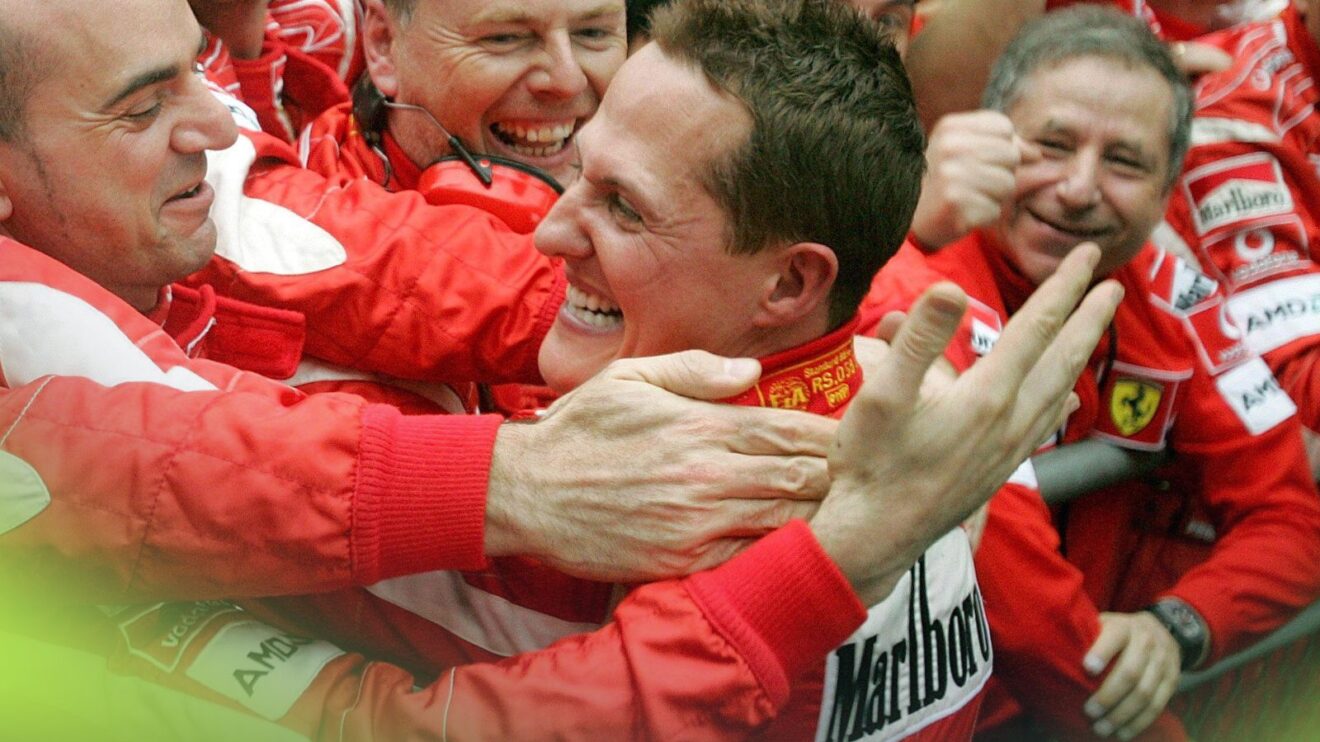
Michael Schumacher's 2004 season offers the counterpoint. His near-flawless consistency at Ferrari stemmed from feel-first mastery, not constant telemetry overrides. Modern teams, by contrast, treat every drop of rain as an input for simulation rather than a prompt for visceral response. Verstappen's cautious night run highlights the shift: compliance data now trumps the heartbeat variability that defined Schumacher's dominance.
Grid Math and the Push Toward Predictability
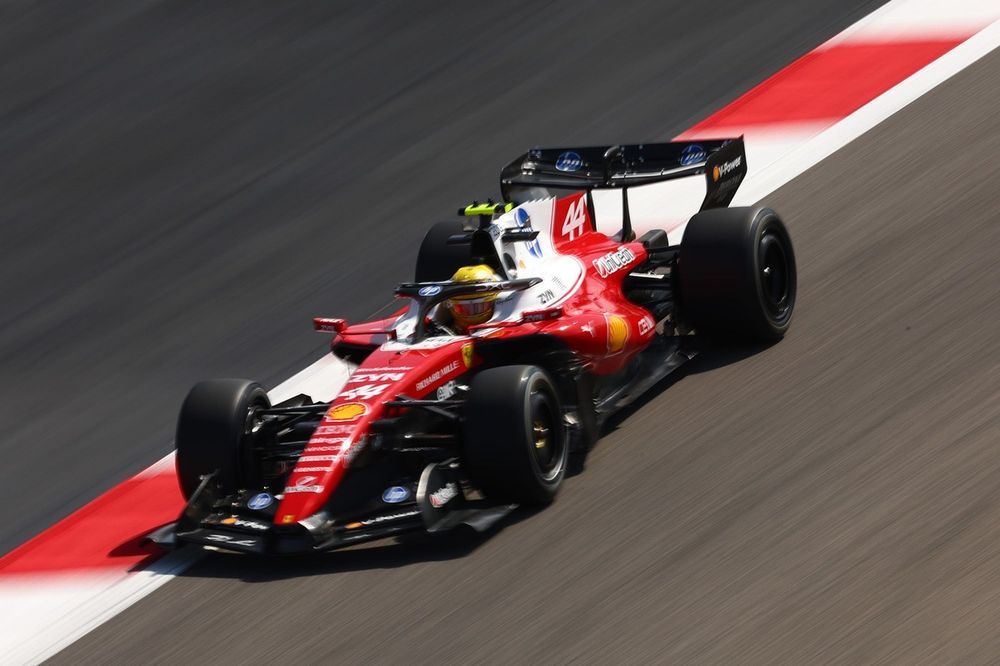
Top-49 advancement from Thursday qualifying feeds directly into Friday's Top Qualifying trim to 20, then 12 for pole contention. Team Verstappen's third-place standing positions them comfortably for that progression, barring incidents. Yet the broader implication lingers in the numbers. Mandatory night laps like this one accelerate the sport's drift into algorithmic control, where personal life pressures or split-second intuition get filtered through data dashboards. Leclerc's raw pace metrics from 2022-2023 already demonstrate how strategic overlays at Ferrari distort perceptions of consistency, much as these Nürburgring rules layer compliance over natural rhythm.
The session's overall lack of dry-to-wet improvement underscores the point. Torrential conditions exposed vulnerabilities in every car's setup, but Verstappen's measured response kept the team's trajectory intact. This is data serving as witness, not narrative enhancer.
The Inevitable March to Algorithmic Tracks
Verstappen's completed mandate clears the path for outright pace focus ahead, yet it also marks another incremental step toward the sterile grid of tomorrow. When every lap becomes a regulated data capture, the sport loses the emotional volatility that once made timing sheets sing with human drama. Schumacher's 2004 blueprint, built on unfiltered consistency, stands as rebuke to this trajectory. The rain-soaked night at the Nürburgring delivered its required box tick, but the deeper numbers forecast a future where intuition yields entirely to code.
Join the inner circle
Get the deep dives and technical analysis from the world of F1 delivered to your inbox twice a week.
Zero spam. Only high-octane analysis. Unsubscribe anytime.