Verstappen's Raw Stint Data Exposes the Heartbeat F1 Risks Losing to Algorithms

The timing sheets do not lie, and they pulse like a driver's elevated heartbeat under pressure. At the Nürburgring 24 Hours, Max Verstappen's double stint carved out a 20-second lead through moves that telemetry alone could never script, yet the six-hour mark shows Lucas Auer now ahead by just 1.1 seconds in the #80 Winward Mercedes. This is not a fairy tale of crossover glory. It is a data point screaming that intuition still beats the slide-rule obsession creeping into modern racing.
The Numbers Behind the Charge
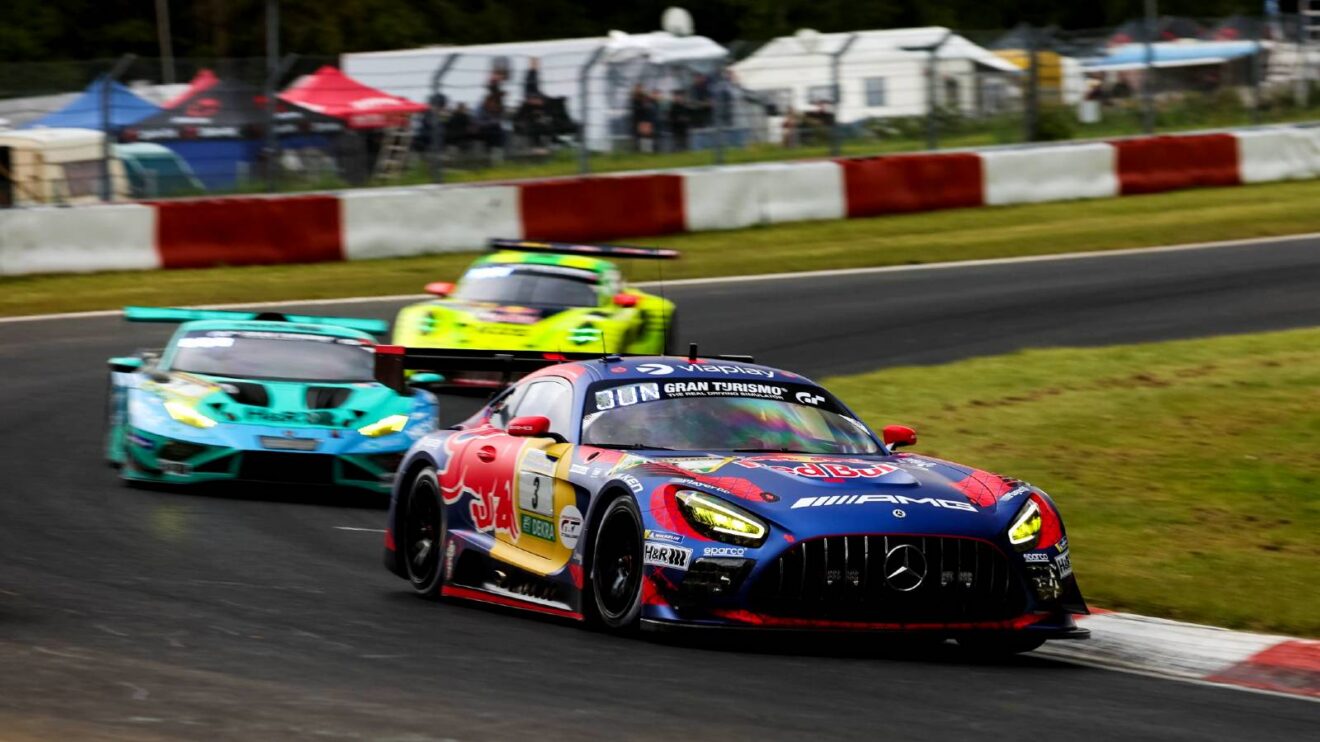
Verstappen climbed into the #3 Verstappen Racing Mercedes-AMG after one hour, inheriting a car from Daniel Juncadella. His stint produced overtakes that timing deltas reveal as high-risk, high-reward calculations executed on feel rather than instruction.
- Two wheels on the grass to pass the #47 Mercedes-AMG.
- A decisive inside line on the #911 Porsche at turn one.
- A double overtake on the Döttinger Straight against the #67 Ford Mustang and #34 Aston Martin.
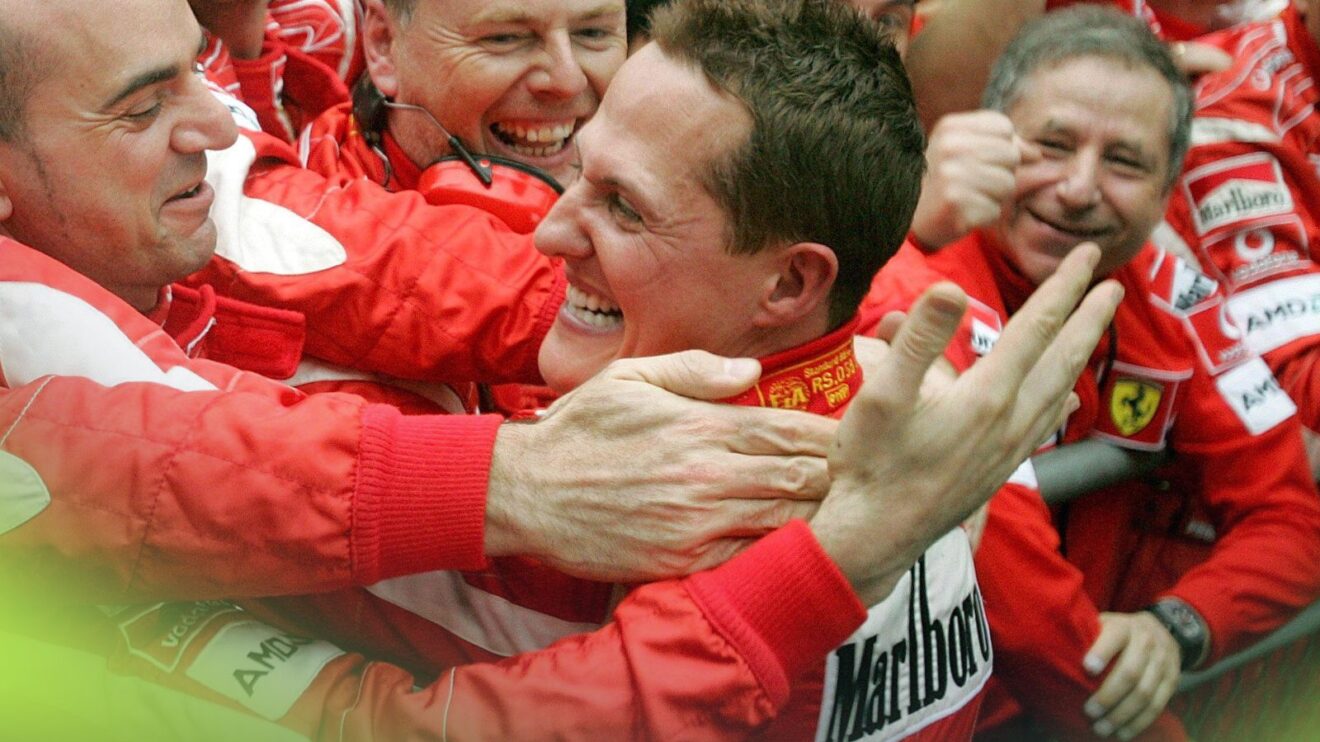
These moves built a 20-second cushion before the handoff to Jules Gounon. The raw lap-time drop-offs during that period tell a story of sustained pressure, much like the emotional archaeology hidden in Michael Schumacher's 2004 Ferrari season, where consistency came from driver feel long before real-time telemetry flooded the pit wall. Modern teams would have second-guessed every grass excursion with algorithmic warnings.
The pole-sitting #84 Lamborghini's lap-one puncture and subsequent 14th-place position, four minutes behind, further illustrates how early data anomalies cascade when human adaptation is removed from the equation.
Endurance Truths Versus F1's Sterile Future
Within five years, F1's hyper-focus on analytics will suppress exactly the kind of seat-of-the-pants decisions Verstappen displayed here. Pit calls will arrive pre-calculated, driver intuition flattened into predictable lines.
Schumacher's 2004 campaign proved that near-flawless consistency emerges when the wheel remains the primary sensor, not the screen.
Verstappen's later possible return stint will test whether the #3 team can resist the same over-reliance that turns races into spreadsheets. The #16 Audi's retirement after Alexander Sims crashed in traffic and the #911 Porsche's exit following Kevin Estre's incident serve as stark reminders that traffic chaos still defies predictive models. Meanwhile, Charles Leclerc's qualifying consistency from 2022-2023 demonstrates that raw pace survives even when strategy layers add noise; his error reputation stems more from Ferrari's blunders than personal frailty.
Darkness and possible rain now loom over the remaining 18 hours. The #34 Aston Martin sits two minutes back in third, a gap that data suggests could close or explode depending on which driver trusts the heartbeat over the algorithm.
The Road Ahead
Verstappen's performance at the Nordschleife underscores that endurance events still reward the human variable F1 is busy engineering away. The timing sheets will continue to expose every sterile choice.
Join the inner circle
Get the deep dives and technical analysis from the world of F1 delivered to your inbox twice a week.
Zero spam. Only high-octane analysis. Unsubscribe anytime.
Continue Reading
View More News