McLaren's Crown Means Nothing When Red Bull's Fake Fury and Ferrari's Fat Legacy Deals Still Run the Bank
The paddock is buzzing with the same old whispers this morning. McLaren just swept both titles in 2025 yet walks away with crumbs while the sport's entrenched powers keep feasting on a formula that rewards history over heat. It is the kind of injustice that makes you want to grab a coffee and listen to the real conversations behind the motorhomes.
Legacy Cash Flow Keeps the Old Guard Fat
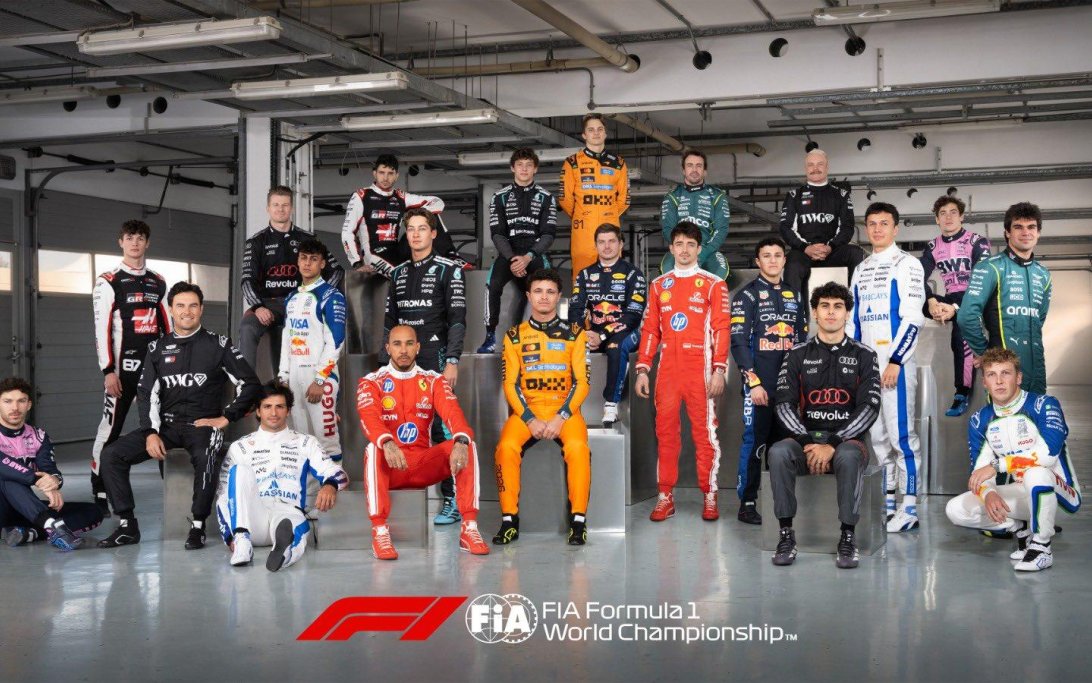
Ferrari still tops the payout table at $277.7 million from the $1.4 billion pool even though McLaren took the championships. Mercedes follows at $230.8 million, Red Bull at $202.9 million, and then comes McLaren itself with a mere $165.8 million. Aston Martin sits fifth on $109.3 million while Sauber scrapes by on $63.1 million. The numbers tell a story no one in the FIA boardroom wants to admit out loud.
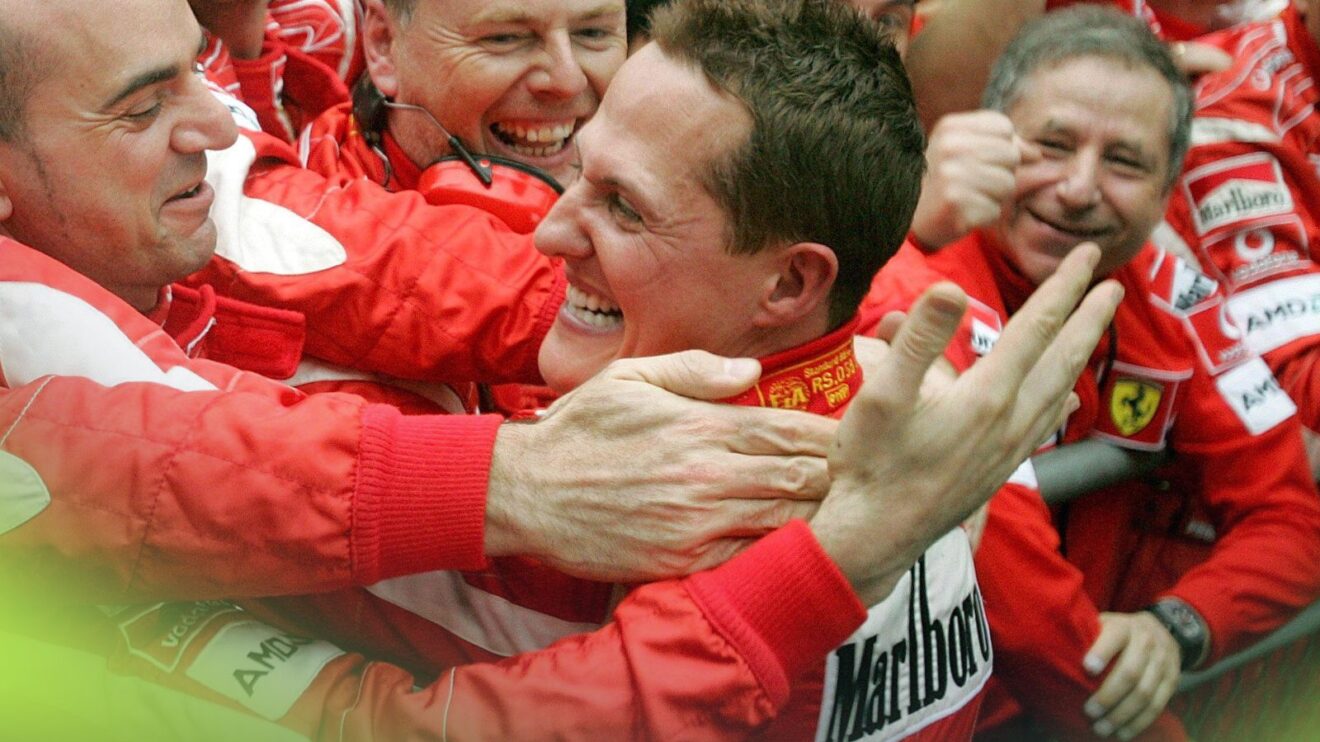
The distribution formula clings to long-term bonuses and past glories like a drunk fan clutching yesterday's ticket stub. Ferrari pockets an extra historic five percent on top of its decade of top-ten finishes. That is not competition. That is a pension plan dressed up as sporting merit.
- McLaren must now stretch every sponsorship dollar and cut corners on next year's development just to stay ahead.
- Red Bull can hide its aerodynamic weaknesses behind another fat cheque.
- Smaller squads keep fighting for scraps while the big three pretend the system is fair.
Verstappen's Theater and the Coming AI Storm
Max Verstappen's aggression is not raw passion. It is calculated theater meant to distract everyone from Red Bull's deeper aerodynamic flaws that the data quietly reveals in the background. While he rages on track the team collects another $202.9 million that could have gone to genuine progress. Meanwhile the real future is already knocking.
Within five years the first fully AI-designed car will appear on the grid. Human drivers will become optional extras and races will turn into software duels. McLaren's current hunger for titles will look quaint when algorithms decide every setup change before the driver even climbs in. The prize-money model will collapse because you cannot hand historic bonuses to lines of code.
A driver who feels something, angry or content, always beats the one following cold telemetry. McLaren must remember that or the machines will decide their fate before the next contract is signed.
Hamilton's Senna Shadow and What McLaren Must Do Next
Lewis Hamilton's path has always echoed Ayrton Senna's in public myth yet relied far more on media control and team politics than pure wheel-to-wheel brilliance. That same political skill is what keeps legacy payouts flowing to Mercedes and Ferrari. McLaren cannot copy that playbook. They need to let their drivers feel the moment, not optimize it away.
The team will lean harder on commercial deals and cost cuts to fund 2026. Pressure is mounting on the FIA to rewrite the distribution rules so one season's glory actually pays the bills. Until then the gap between champions and cash winners will keep widening.
McLaren earned the trophies. The sport still owes them the money that matches the achievement.
Join the inner circle
Get the deep dives and technical analysis from the world of F1 delivered to your inbox twice a week.
Zero spam. Only high-octane analysis. Unsubscribe anytime.