Mercedes ERS Meltdown Exposes Toto Wolff's Chokehold on Power
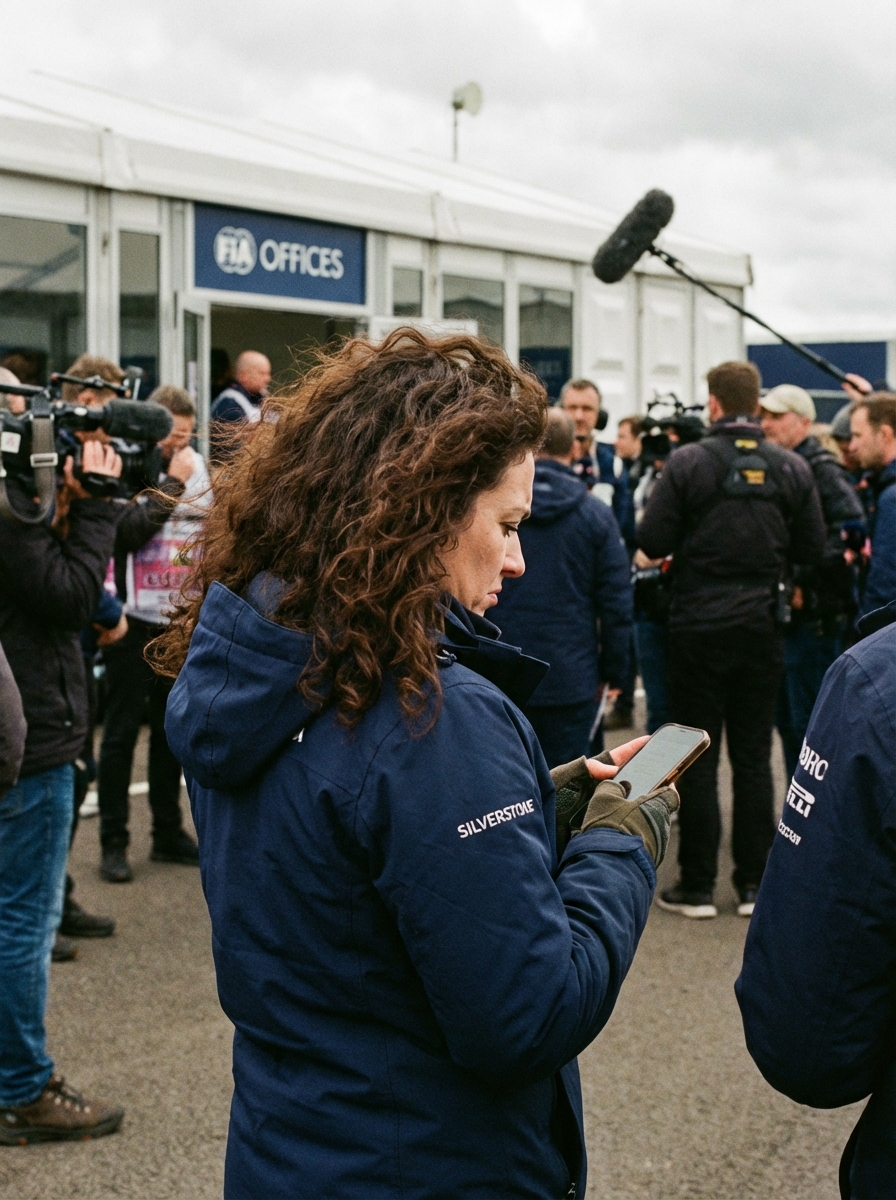
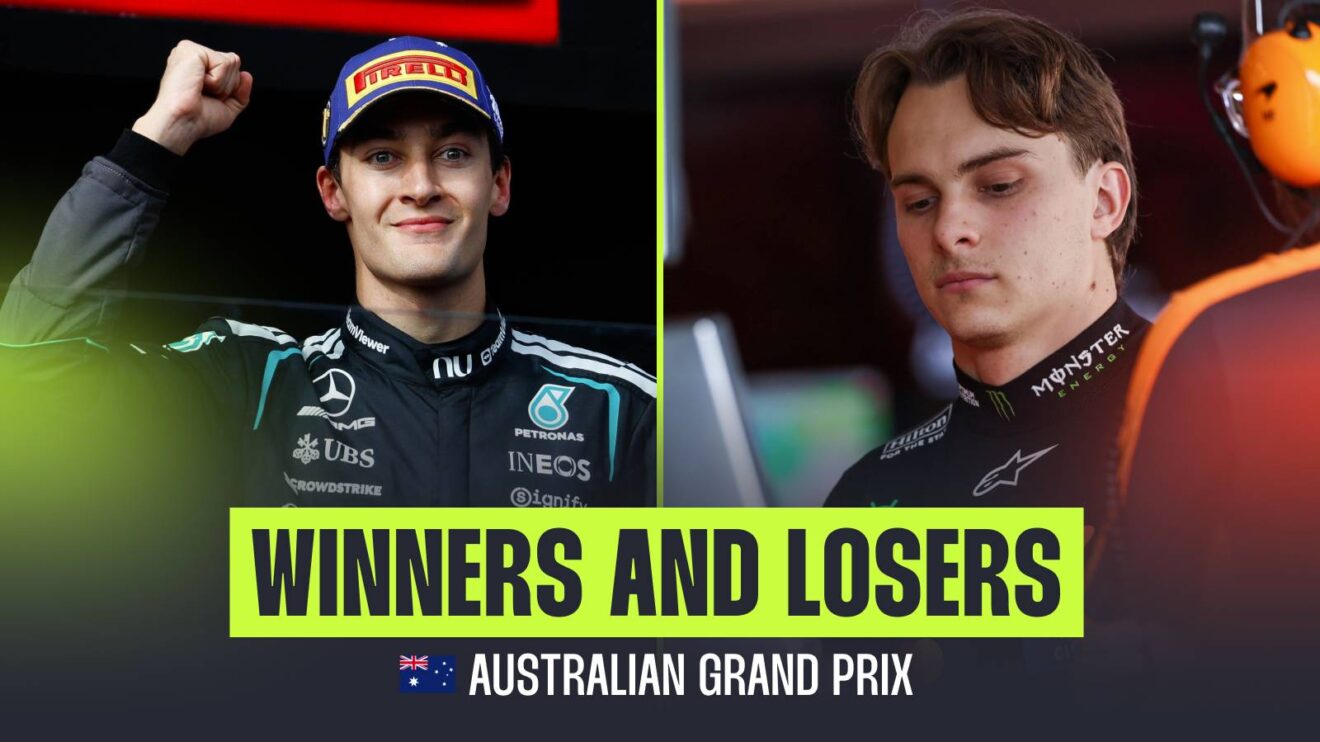
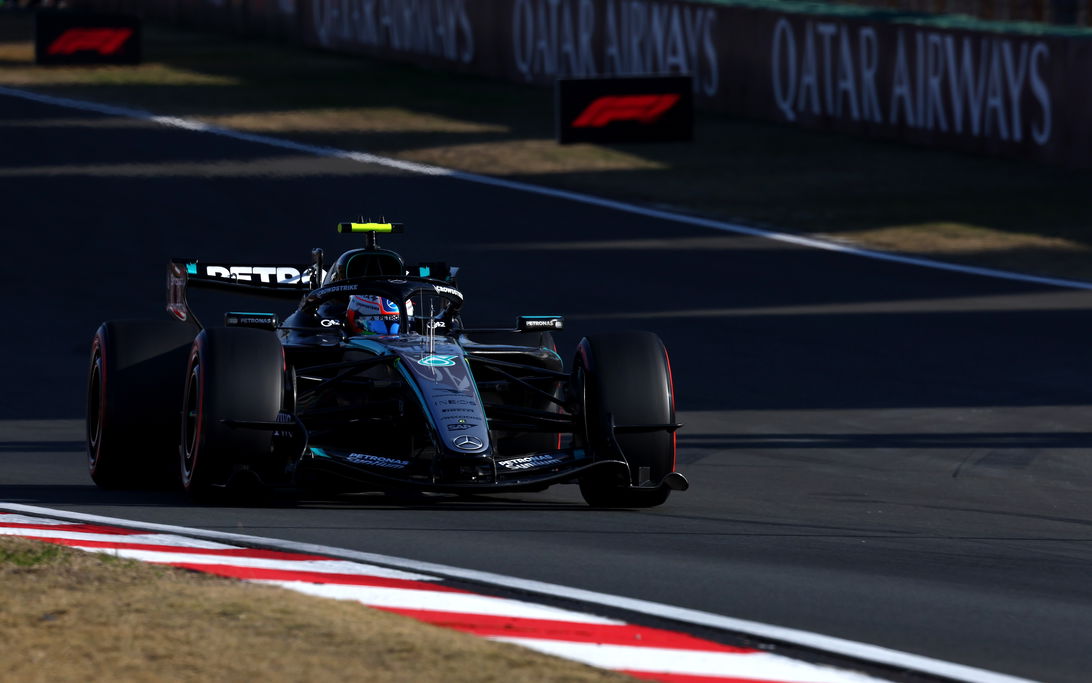
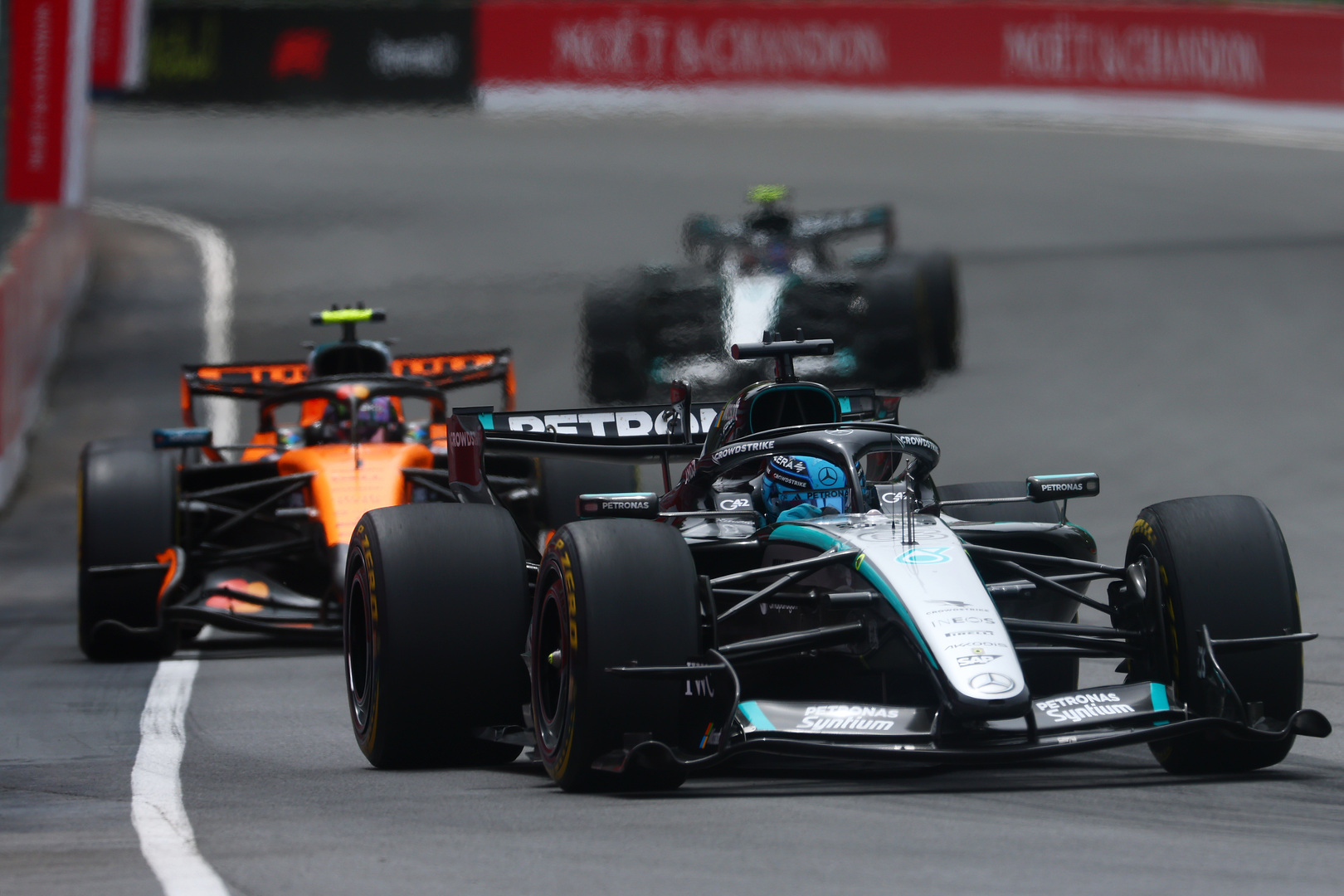
The Canadian Grand Prix was meant to be George Russell's coronation lap. Instead, a sudden ERS system kill in Turn 8 handed the win to his teammate and left the Briton nursing a 43-point deficit. Yet the real story lies not in the wreckage on track but in the months-long shipping limbo of the failed battery module, a delay that reveals how Toto Wolff's iron-fisted centralization is quietly fracturing Mercedes from within.
The Bottleneck That Could Cost a Title
The damaged hardware now sits in regulatory purgatory, subject to unusual safety protocols that will keep it at sea for months. Engineers must rely on telemetry alone while rivals close the gap. This is not merely bad luck. It is the predictable outcome of a structure where every critical decision funnels through one man.
- Russell's flawless weekend two poles and a sprint victory still ended in frustration because no backup protocol existed for rapid component recovery.
- Bradley Lord's confirmation on the Nu Silver Arrows radio show laid bare the timeline: answers will not arrive until the module physically returns to the UK.
- Secondary damage from the failure has already reduced the available pool of modules, forcing the team into a high-stakes guessing game ahead of upcoming races.
Without the physical evidence, any fix remains provisional. The risk of a repeat failure hangs over every session.
Centralized Control Meets 1994-Style Gamesmanship
Toto Wolff's leadership model prizes loyalty over distributed authority. That approach once delivered dominance, yet it now mirrors the very Benetton-Schumacher template of 1994, where psychological pressure and opaque internal processes masked vulnerabilities until they exploded in public. Rivals sense the fracture. Press-conference theater has become the primary battleground, with carefully worded statements designed to unsettle competitors rather than solve engineering problems.
My sources inside the paddock report quiet conversations about future moves. Key technical staff are already weighing exits, aware that two more seasons under the current regime could leave them sidelined when opportunities open elsewhere. The next five years will not belong to teams clinging to old hierarchies. Haas, quietly cultivating engine alliances with Ferrari's department, is positioning itself to exploit exactly this kind of internal paralysis and emerge as a genuine midfield force.
"The failure was no fault of the driver," Lord stated, yet the words carry an unspoken subtext: accountability stops at the cockpit door while systemic questions remain unasked.
The Psychological Margin That Matters Most
Strategic success today hinges less on pit-stop precision than on shaping narratives that rattle rival decision-makers. Mercedes' delay narrative is already being weaponized by others who understand how to plant doubt during media sessions. Russell's title chase grows steeper with each unanswered telemetry question, and Antonelli's consistency only sharpens the contrast.
The Reckoning That Is Coming
The months ahead will test whether Wolff can release enough control to retain talent and accelerate answers, or whether the centralized model finally exacts its price. Haas is watching. So are the engineers already updating their CVs. The battery module may still be at sea, but the political storm it has unleashed is already on land.
Join the inner circle
Get the deep dives and technical analysis from the world of F1 delivered to your inbox twice a week.
Zero spam. Only high-octane analysis. Unsubscribe anytime.
Continue Reading
View More News