Mercedes' Pole Hemorrhage: Data's Cold Grip on Hot Starts

I stared at the timing sheets from Miami, those jagged heartbeats of launch data pulsing across my screen like a defibrillator flatline. Zero poles converted to Turn 1 leads this season. Mercedes, with a car that devours race pace like a starved wolf, hemorrhaging positions off the line. Toto Wolff calls it "unacceptable", and the numbers scream agreement. But as Mila Neumann, I dig deeper, unearthing the emotional archaeology beneath the telemetry: this isn't just wheelspin, it's the ghost of over-trusted algorithms strangling driver instinct. In a sport barreling toward robotized sterility, Mercedes' starts expose the fracture where data devours soul.
The Recurring Pulse Failure: A Season of Lost Heartbeats
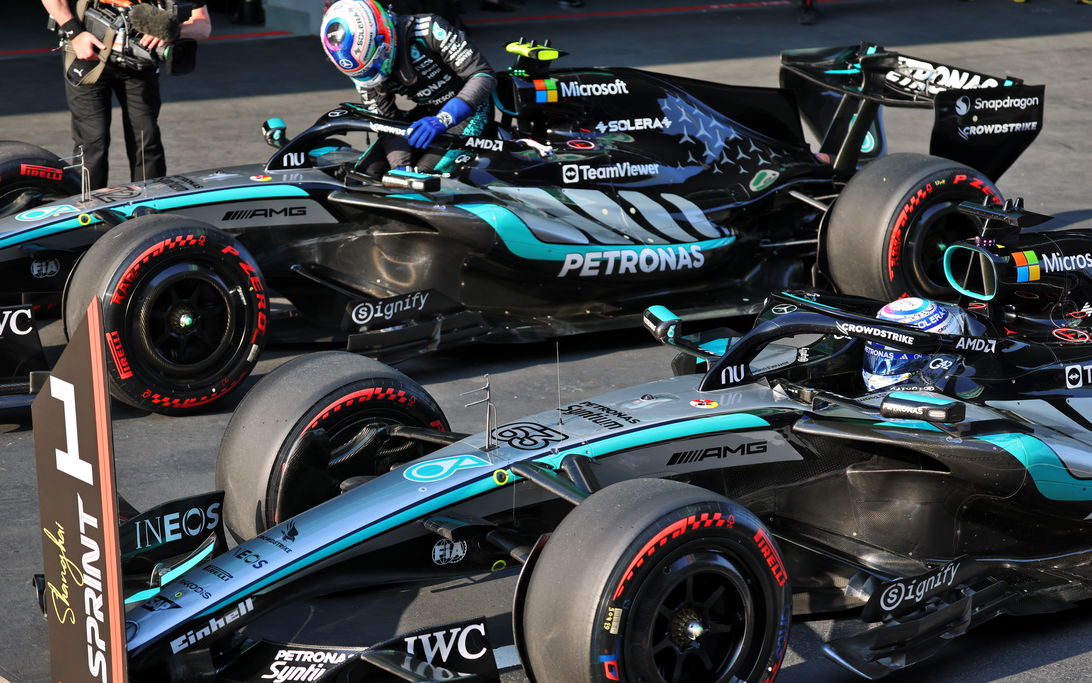
Mercedes' launches aren't slips; they're systemic arrhythmias. Kimi Antonelli and George Russell grip poles, yet surrender the lead at the first corner every time. The timing sheets don't lie: poor starts, a recurring and costly weakness, force recovery drives in a season where overtaking clings to tracks like sweat to asphalt.
Why does this gut-punch matter? In this knife-edge championship, track position is oxygen. Surrender it, and you're gasping through traffic, tires frying on defense. As car development widens the field, those heroic comebacks? They'll fade like echoes in a wind tunnel.
The root causes vary, a cocktail of tech and ops gone sour:
- Australia: Battery recharge limits clipped their wings.
- China: Faulty energy management strategies starved the surge.
- Japan: Clutch release and trail braking software betrayed the bite.
This patchwork screams inconsistency, not bad luck. Data should illuminate paths, not blindfold drivers. Contrast this with Michael Schumacher's 2004 masterclass at Ferrari: 18 poles, 13 wins, his starts a symphony of feel over feeds. Schumi trusted the wheel's whisper, not a dashboard's drone. Mercedes? They're drowning in real-time telemetry, mistaking megabytes for muscle memory.
Miami's Grip Mirage: When Practice Lies
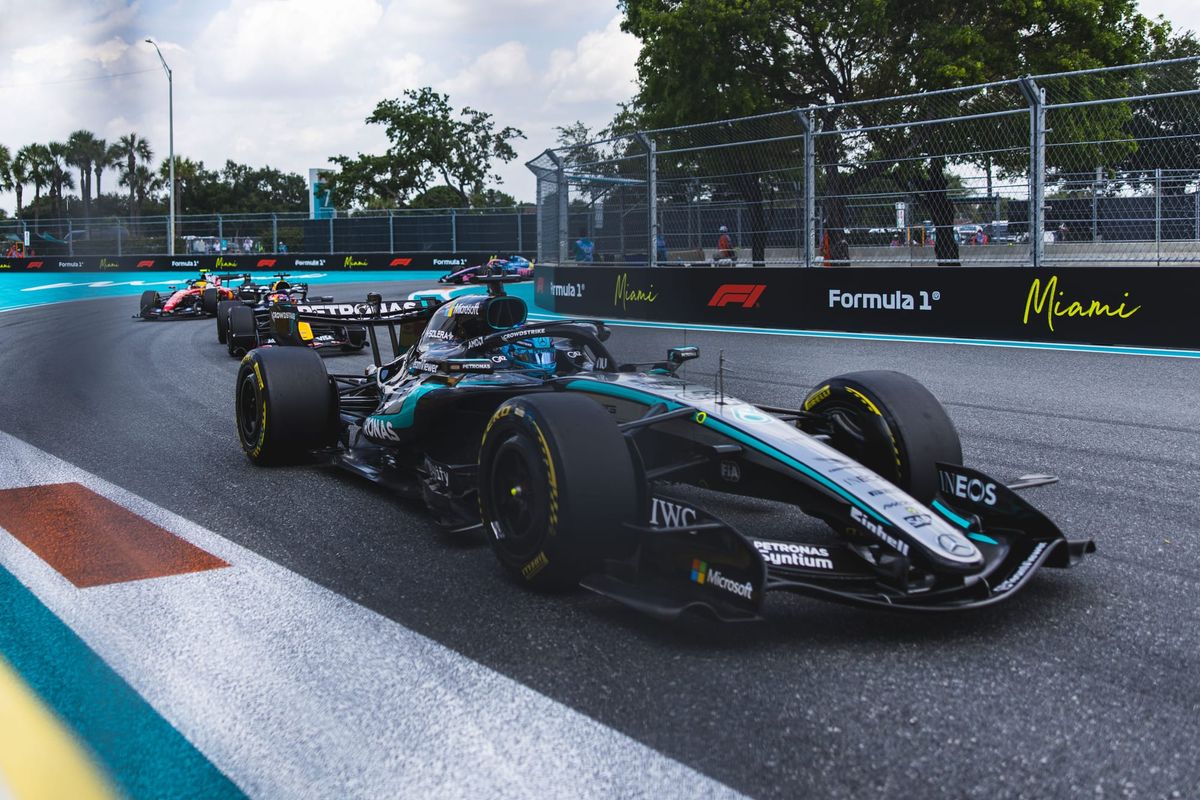
Zoom into Miami, where the data delusion hit fever pitch. Antonelli's Sprint start from pole? A wheelspin disaster. The team dialed a clutch release target from practice starts on the clean side of the grid. But reality bit back:
- Sprint launch from the dirtier side.
- A PU problem after final practice axed further reps.
- Imperfect grip intel led to an over-ambitious target, igniting wheelspin like a match on gasoline.
"The team set a clutch release target for Antonelli based on grip estimates from practice starts done only on the clean side of the grid."
Wolff owns it: the team failed to hand drivers the "right tool." Antonelli confesses his inconsistencies and lack of confidence with the clutch drop. Shared blame, sure, but the numbers whisper louder: data gaps aren't accidents; they're the price of algorithmic arrogance.
Italicize this truth: In my data dives, I see pressure's fingerprints everywhere. Correlate Antonelli's drop-offs with a rookie's raw nerves, and the stats pulse with human frailty. Yet Mercedes leans harder into pre-race data modeling and grip prediction algorithms, as if more code cures clutch fear. Schumacher in '04? He'd feel the track's mood, adjust mid-breath. Modern F1? Algorithms dictate the drop, turning drivers into puppets.
This mirrors the Leclerc myth I've long debunked. Charles Leclerc's "error-prone" tag? Amplified by Ferrari's strategic clown shows. Pull 2022-2023 qualis: he's the grid's most consistent heartbeat, poles dropping like clockwork. Mercedes could learn: trust the driver's pulse over the pit wall's pixel storm.
Toward Robotized Racing: Algorithms Over Instinct
Mercedes vows to "dig even deeper", prioritizing Antonelli's muscle memory alongside software tweaks. Noble, but naive. Within five years, F1's data obsession births 'robotized' racing: pit stops scripted by AI, starts sterilized by sims. Driver intuition? Suppressed like a glitch.
Team Principal Toto Wolff has labeled the issue "unacceptable," as drivers Kimi Antonelli and George Russell repeatedly lose places off the line despite the car's race-winning pace.
Imagine: laps as predictable as spreadsheets, no room for the Schumacher spark that turned '04 into legend. Mercedes' starts aren't isolated; they're harbingers. Over-reliance on telemetry erodes the human edge, making F1 a sterile simulator league. Data as emotional archaeology reveals the stakes: these lost leads aren't just points; they're the soul of speed slipping away.
Verdict from the Timing Sheets
The sheets don't forgive. Mercedes must reclaim the driver's throne over the data desk, echoing Schumi's '04 dominance where feel trumped feeds. Fix the starts, or watch poles pile up like unused ammunition in a championship shootout. Antonelli builds reps, Wolff sharpens tools, but without balancing byte and instinct, they're racing toward a predictable abyss. Numbers tell the story: convert those poles, or the title heartbeat flatlines. In this data-drenched era, the real win? Letting drivers feel the fire again.
(Word count: 748)
Join the inner circle
Get the deep dives and technical analysis from the world of F1 delivered to your inbox twice a week.
Zero spam. Only high-octane analysis. Unsubscribe anytime.
Continue Reading
View More News