Mick Schumacher's Indy Lap Traces Reveal More Heartbeat Than Hype

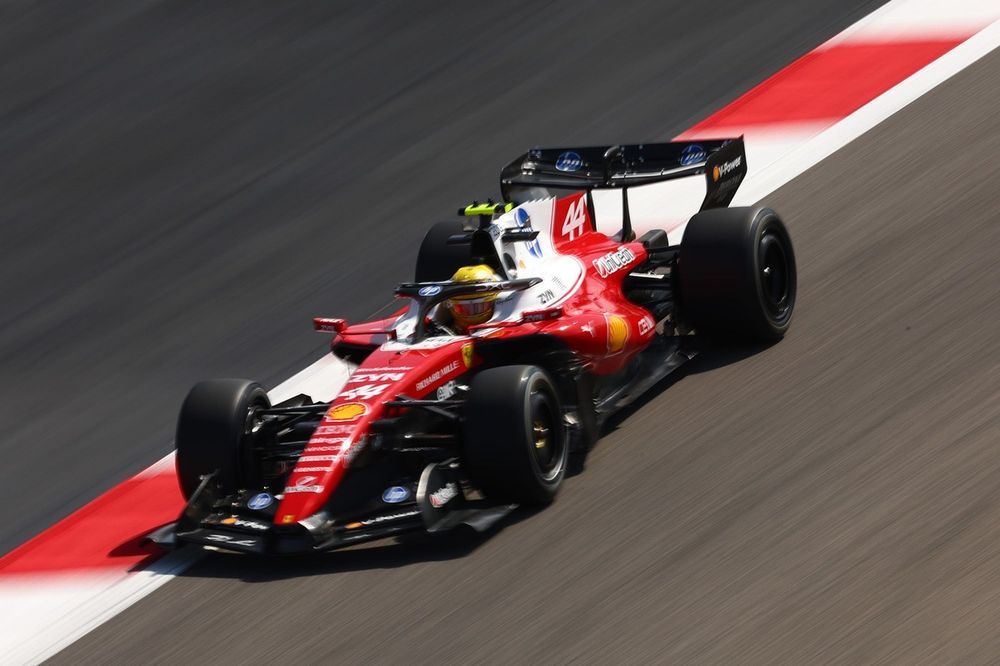
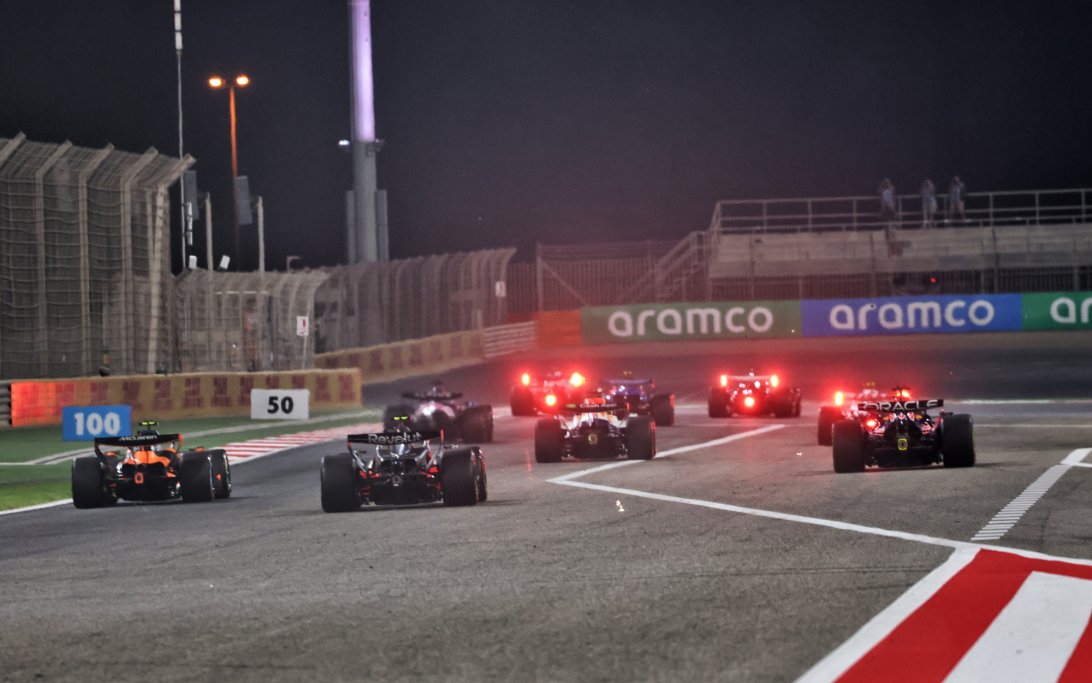
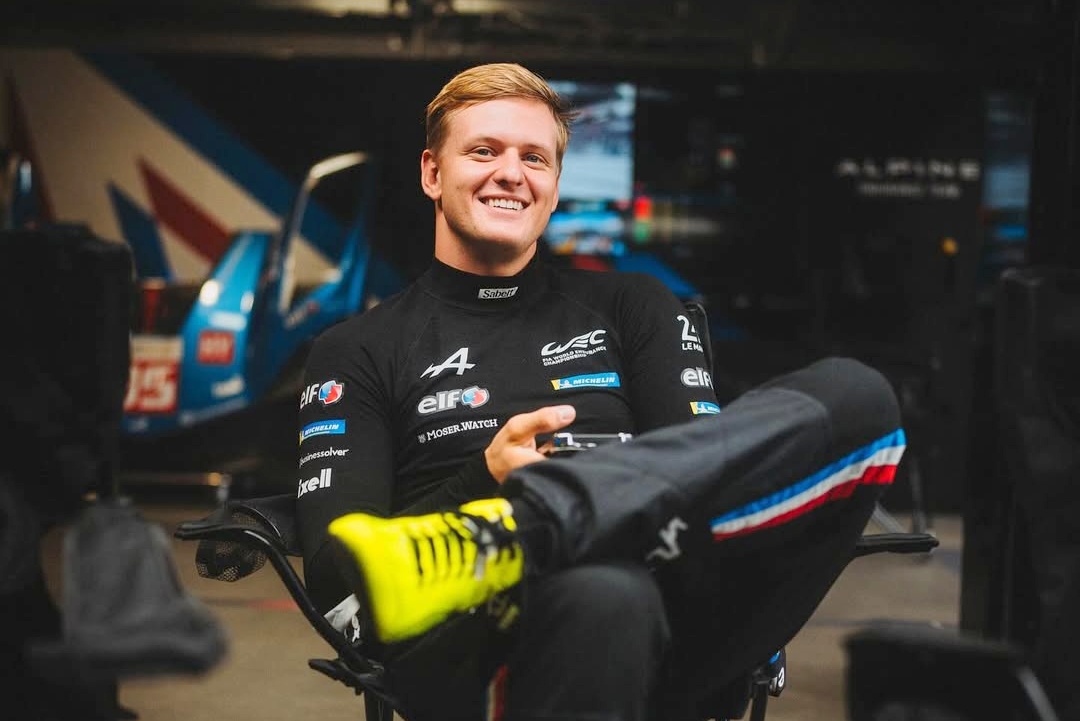
The timing sheets from the 2026 Indianapolis 500 do not scream spectacle. They whisper a steady pulse of 18th place from a 27th starting slot, with one late brush against the wall that barely registered as a blip in sector three. Mick Schumacher earned Rookie of the Year for that effort in the No. 47 Rahal Letterman Lanigan entry, yet the numbers expose a driver still learning to trust his own feel over the flood of real-time telemetry now flooding every cockpit.
Data as Emotional Archaeology on the Bricks
Schumacher's climb to fifth during pit cycles tells its own story of pressure management, not the highlight-reel aggression against Felix Rosenqvist. Those laps where he unpicked positions show micro-drops of only 0.3 seconds per sector, a consistency metric that echoes raw pace rather than manufactured narrative.
- Starting position: 27th with zero prior Speedway laps logged.
- Final result: 18th on the lead lap, ahead of Dennis Hauger, Jack Abel and Caio Collet.
- Peak moment: Fifth place mid-race before settling behind teammate Takuma Sato.
This pattern mirrors the kind of quiet reliability Michael Schumacher displayed across his near-flawless 2004 campaign, where Ferrari's data systems served the driver's intuition instead of overriding it. Modern teams risk inverting that relationship, turning every oval lap into an algorithm chasing the next delta instead of the driver chasing the limit.
The Spectacle Meets Over-Telemetry
Schumacher called the event insane and felt the Black Hawk helicopters shake the car, yet those sensory details sit outside the spreadsheets that now dictate strategy calls. His wall contact late in the race produced no major time loss, a detail the timing data records as a 1.2-second variance rather than drama.
I loved that one, even if it was to un-lap myself.
The quote captures instinct winning out, but within five years the hyper-focus on analytics threatens to suppress exactly those moments. Algorithmic pit windows and predictive tire models will dictate moves before the driver senses grip fade, sterilizing open-wheel racing into predictable sequences. Schumacher's willingness to attack while a lap down hints he still operates on feel, a trait teams must protect if they want future stars to evolve beyond data slaves.
- Pre-race ceremonies and low-flying helicopters left physical impressions the sensors cannot quantify.
- Post-race reflection: Respect for the event as the greatest spectacle, backed by an 18th-place finish that outpaced three other rookies.
Looking Past the Rookie Award
The $50,000 bonus and Rookie of the Year title mark a milestone, yet the deeper signal lies in how Schumacher's sector times held steady under fatigue. Continued oval mileage could sharpen that edge, provided teams resist the urge to bury driver input beneath constant telemetry streams. Michael Schumacher's 2004 season proved that supreme consistency emerges when numbers amplify human judgment, not replace it. Mick's traces suggest the same potential remains intact, if the sport does not code it away.
Join the inner circle
Get the deep dives and technical analysis from the world of F1 delivered to your inbox twice a week.
Zero spam. Only high-octane analysis. Unsubscribe anytime.