Numbers Don't Lie in the Sand: Bahrain and Saudi GP Timelines Reveal a Sport Racing Against Its Own Data

The telemetry of war rarely aligns with the neat boxes of an F1 calendar. When I overlay the reported Iranian drone strike on Bahrain's desalination plant against the April 4-6 race window, the lap time drop-off becomes impossible to ignore. Security metrics are spiking like a driver's heart rate under qualifying pressure, yet the sport still clings to contracts as if they were 2004 Ferrari setup sheets.
The Raw Data of Escalation
Factual timelines paint a clearer picture than any headline narrative. Iran has ruled out a ceasefire this week, while the Israel Defence Forces report thousands of strikes that have disabled over 150 Iranian defense systems. These figures arrive alongside the United States ordering non-essential diplomats out of Saudi Arabia.
- The Bahrain host nation logged direct infrastructure damage from the alleged drone attack.
- Precedent already exists: the FIA postponed the World Endurance Championship season opener in Qatar for the same regional reasons.
- Freight and travel cutoffs for Bahrain close within weeks, leaving little margin for error.
My skepticism kicks in here. Narratives about "monitoring the situation" crumble when stacked against these timing sheets. The numbers show intensification, not de-escalation.
When Telemetry Overrides Driver Feel
Team principals speak in measured tones, but their words carry the weight of data they cannot fully control. Toto Wolff admits it is difficult to even ask local leaders about the Grand Prix amid the crisis, hoping to race yet questioning the realism under current conditions. Zak Brown correctly places safety above any financial hit from cancellation. Carlos Sainz defers to F1 and FIA intelligence, which is the prudent call when drivers sit far from the primary sources.
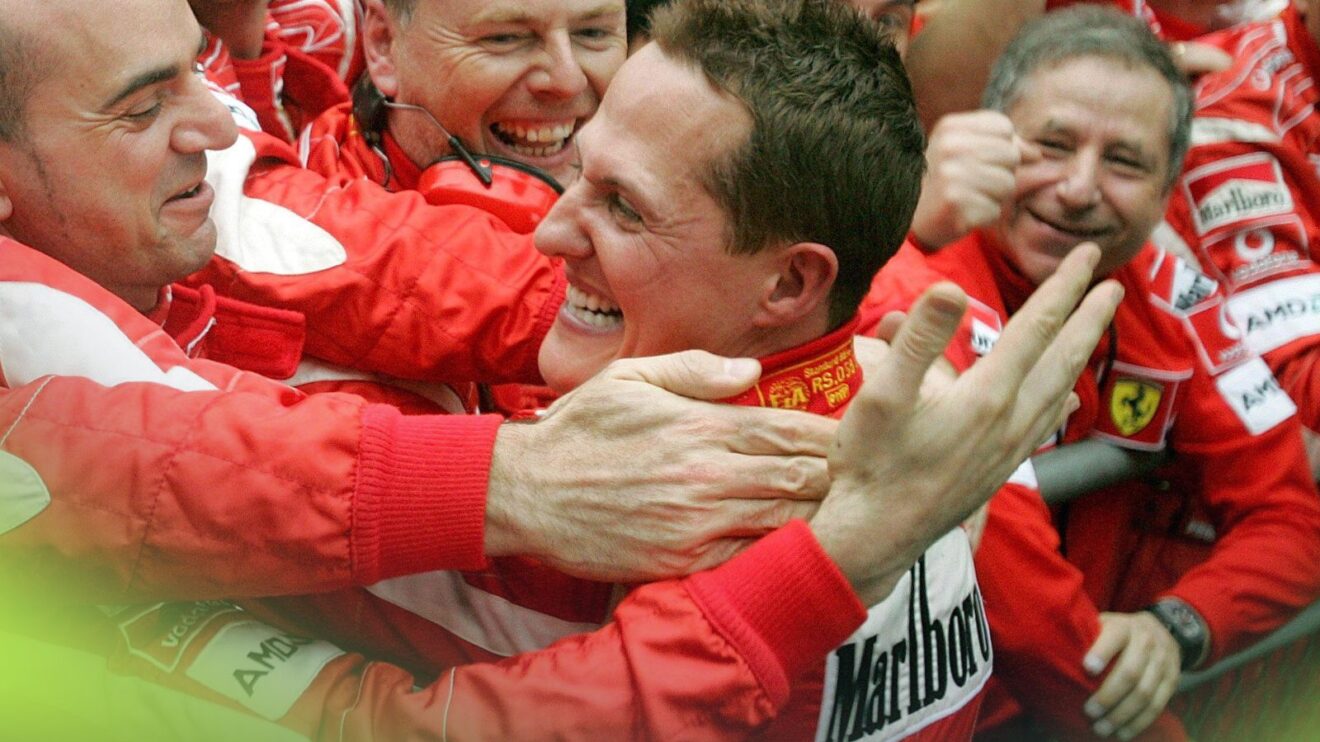
This moment exposes F1's creeping robotization. Within five years the sport's obsession with real-time analytics will turn every pit call into an algorithm, stripping away the intuitive edge that once defined champions. Michael Schumacher's 2004 season at Ferrari stands as the counter-example: near-flawless consistency born from seat-of-the-pants feel rather than constant telemetry overrides. Today's leadership risks making the same mistake on a continental scale, letting spreadsheets dictate whether the Bahrain and Saudi events survive.
Data should serve as emotional archaeology, not a muzzle on judgment.
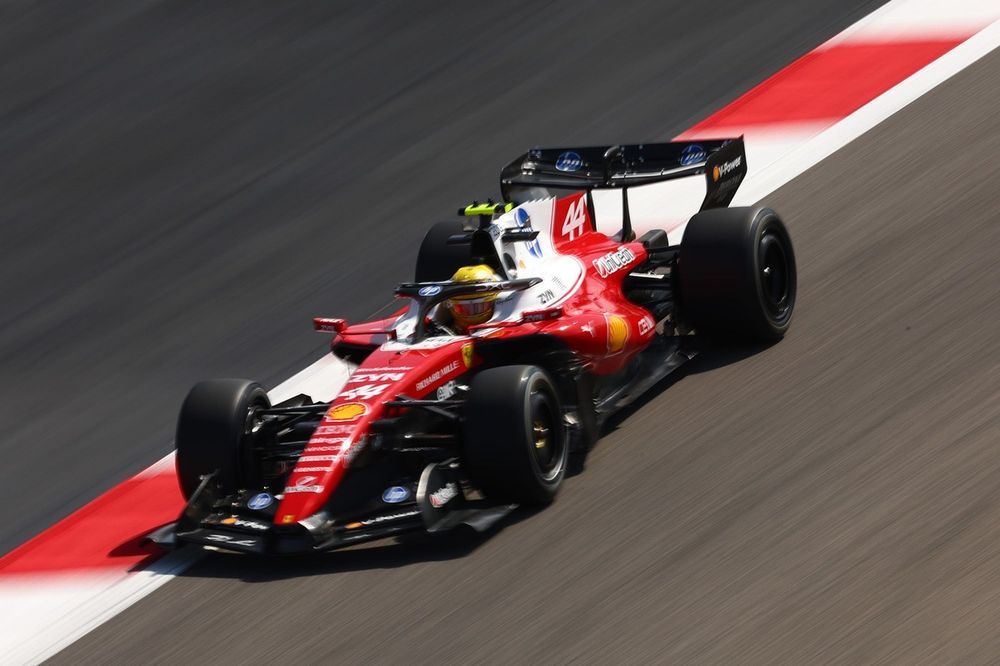
Correlating the rising strike counts with the shrinking race-preparation window reveals pressure points no PR statement can smooth over. Like Charles Leclerc's raw qualifying pace from 2022-2023 being unfairly buried beneath Ferrari strategy errors, the true viability of these Grands Prix is masked by institutional hesitation rather than honest assessment of the numbers.
The Calendar's Breaking Point
Options on the table remain cancellation, postponement, or the logistically nightmarish relocation. Each carries its own ripple through the early-season points battle and team logistics. The FIA has already shown it can prioritize safety when the data demands it. The question is whether F1 will treat the current conflict metrics with the same clinical honesty Schumacher once applied to every sector time.
The sport stands at a junction where over-reliance on external assurances could sterilize its remaining soul. Let the timing sheets decide before the window slams shut.
Join the inner circle
Get the deep dives and technical analysis from the world of F1 delivered to your inbox twice a week.
Zero spam. Only high-octane analysis. Unsubscribe anytime.