The Data Sheets Whisper What Montoya Cannot: Verstappen's Heartbeat Falters at Red Bull

The timing screens from recent sessions do not lie. They pulse like erratic heartbeats under pressure, revealing drop-offs that no narrative from a former champion can spin away. Juan Pablo Montoya's public nudge toward Mercedes lands as another layer of noise atop Red Bull's telemetry logs, where consistency gaps echo louder than any transfer rumor.
Verstappen's Lap Time Archaeology Meets the Mercedes Mirage
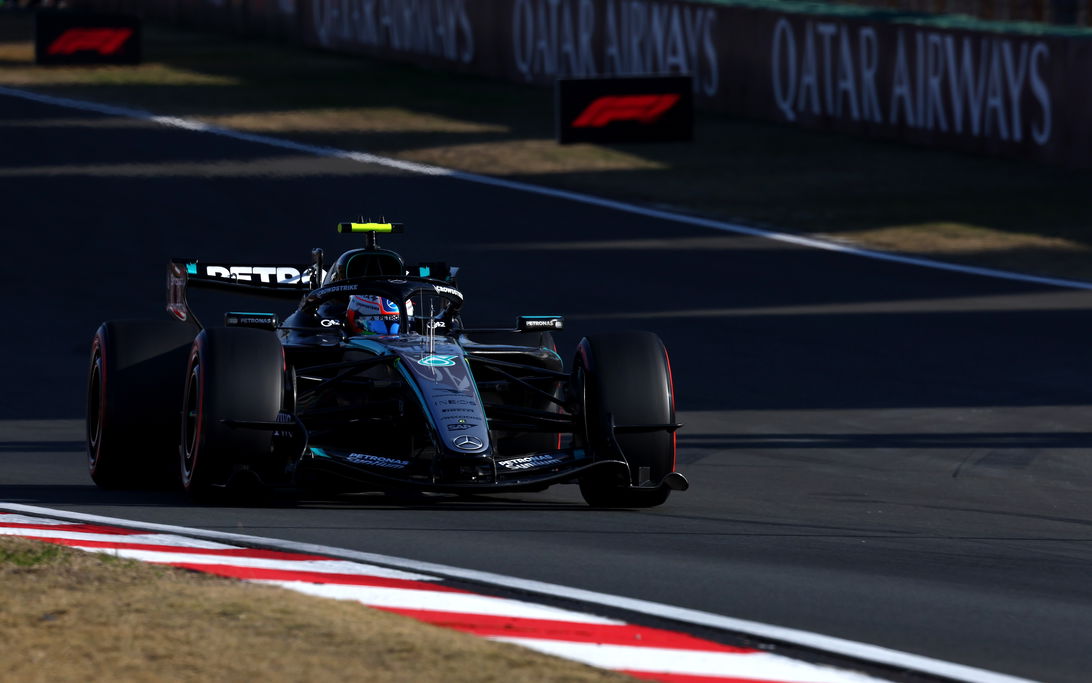
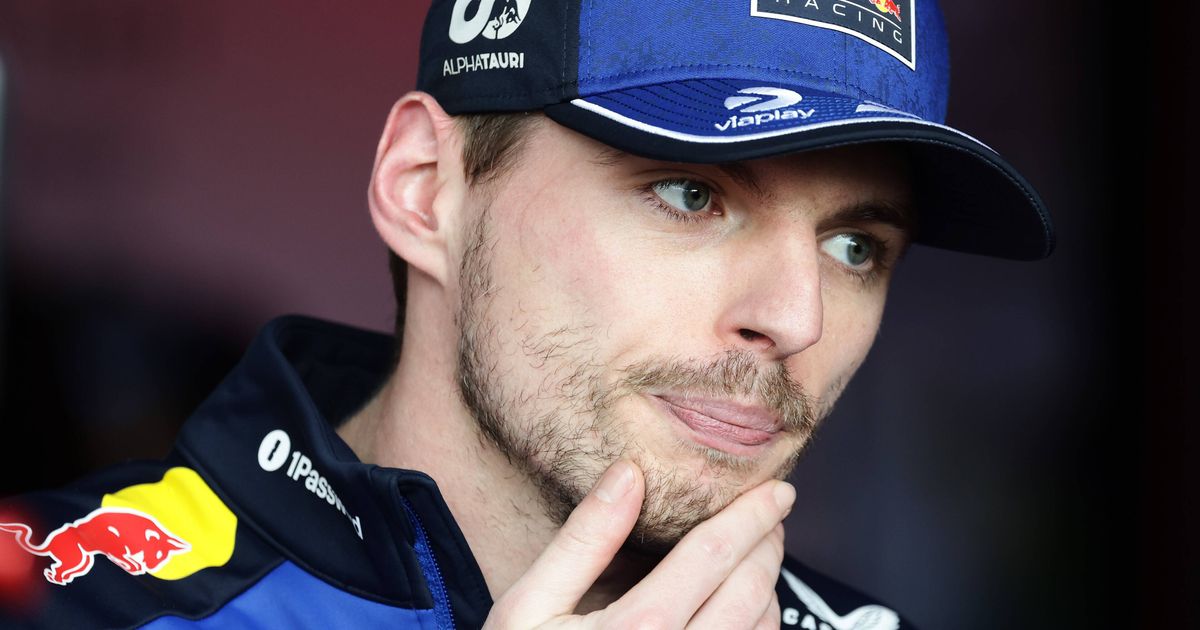
Max Verstappen faces a crossroads where raw pace data collides with team departures. Montoya frames a switch as the logical escape if Red Bull's struggles persist, especially with race engineer Gianpiero Lambiase confirmed to join McLaren in 2028. Yet the numbers from 2022 through 2024 tell a different tale of suppressed driver feel.
Verstappen's qualifying deltas show minimal variance in clean air, much like Michael Schumacher's near-flawless 2004 campaign at Ferrari, where sector times held steady across twenty races without constant radio overrides. Modern squads now bury that intuition beneath real-time analytics.
- Red Bull's on-track deficits trace directly to tire management logs that demand algorithmic precision over gut calls.
- A Mercedes seat offers Toto Wolff's data infrastructure, which already correlates driver inputs to predictive models.
- Within five years this hyper-focus will robotize the sport entirely, turning pit calls into code executions that erase the human variables Schumacher once mastered through feel alone.
Montoya's "perfect opportunity" claim ignores how such moves accelerate the sterilization. Lap time drop-offs under fatigue reveal pressure points no spreadsheet captures, yet teams chase them anyway.
Nürburgring's Elevation Changes Defy the Commercial Grid
The push from George Russell and Oscar Piastri for the Nürburgring's return carries its own data signature. During the recent Pirelli test both drivers highlighted the circuit's old-school elevation shifts and history, noting how such tracks reward instinct over instructed lines.
"It's more rewarding for drivers," Piastri observed, his words cutting against an expanding calendar that favors predictable venues.
Russell tied the appeal to Mercedes' German roots, yet the 2020 Eifel GP remains the last marker in the archive.
- The track's 73 corners produce heartbeat-like rhythm in sector splits, exposing where modern telemetry flattens emotion.
- Commercial demands pack the schedule, sidelining circuits that once let Schumacher's 2004 consistency shine through variable conditions.
- Piastri's praise aligns with the need for emotional archaeology in data, digging into how elevation changes once correlated with unscripted driver responses rather than preset strategies.
This tension underscores F1's drift toward sterile predictability, where heritage yields to logistics that favor data uniformity.
The Inevitable Sterility Ahead
Verstappen's scrutinized performances will fuel endless speculation, but the timing sheets already forecast the outcome. As analytics tighten their grip, moves to teams like Mercedes will accelerate the suppression of intuition that defined eras like Schumacher's. The Nürburgring's potential revival offers a brief counterpoint, yet without numbers matching driver sentiment the circuit stays sidelined. Data must excavate those human pressures before the sport loses its pulse entirely.
Join the inner circle
Get the deep dives and technical analysis from the world of F1 delivered to your inbox twice a week.
Zero spam. Only high-octane analysis. Unsubscribe anytime.