Piastri's Numbers Scream Warning: When Glitches Steal Heartbeats, F1 Edges Toward Robotic Ruin

The timing sheets do not lie, and they do not forgive. Oscar Piastri's Nurburgring tyre test ended at just 65 laps while George Russell banked 127, a raw data scar that reveals more about McLaren's brittle tech dependence than any press release admits. These figures pulse like irregular heartbeats under pressure, exposing how quickly a single fault can bury development miles before Suzuka.
The Nurburgring Fault and Schumacher's Shadow
Piastri's truncated run marks the first time current F1 cars have turned laps at the German circuit since the 2020 Eifel Grand Prix. Yet the split tells its own story. Russell doubled the distance because Mercedes avoided the same electronic hiccup that sidelined the McLaren.
- 65 laps: Piastri's total, enough for baseline data but nowhere near the statistical depth needed for 2026 tyre compounds.
- 127 laps: Russell's haul, creating a mileage gap that leaves McLaren guessing on degradation curves.
- First current-spec cars on track since 2020, yet the session collapsed under a technical glitch rather than driver input.
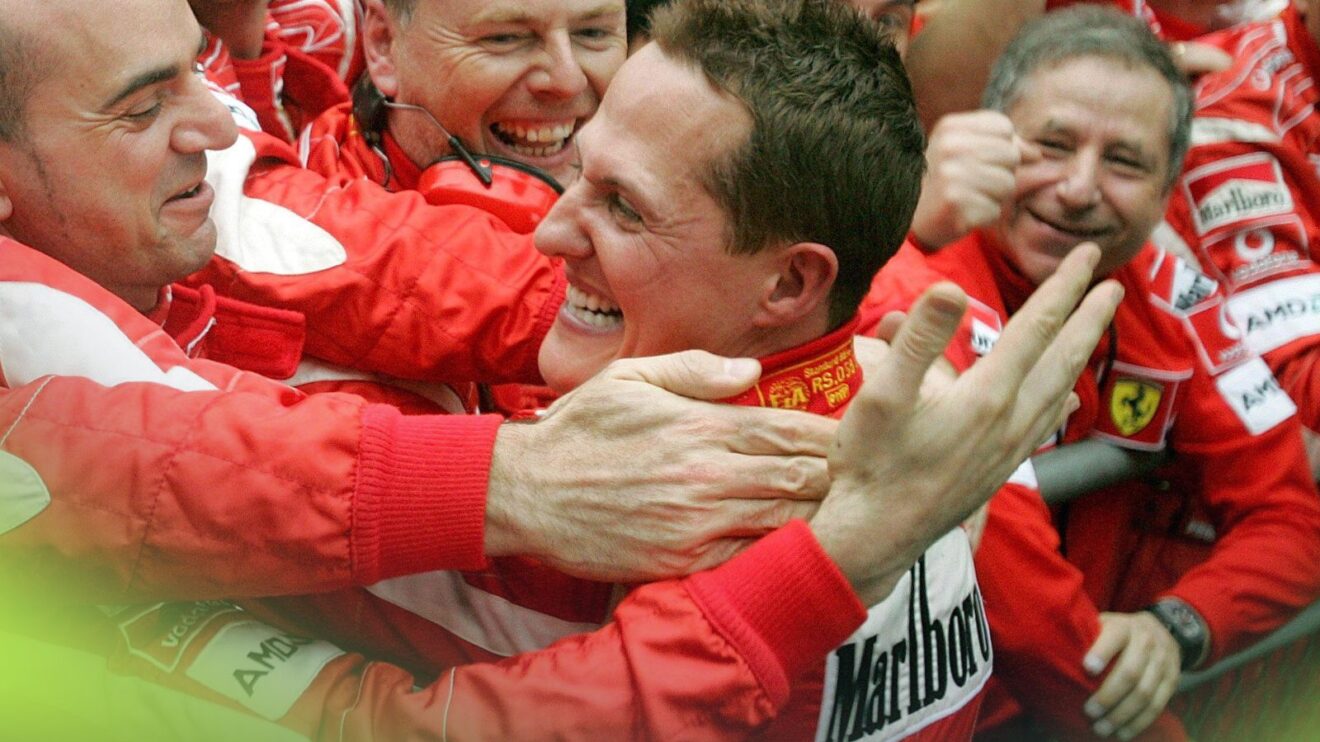
This is where Michael Schumacher's 2004 season becomes the necessary mirror. That year, Ferrari's champion delivered near-flawless consistency because the team trusted his feel over endless telemetry streams. Today's squads chase real-time data until a glitch like Piastri's leaves them blind. The result is the same over-reliance that turns potential into spreadsheets instead of instinct.
Ferrari's Straight-Line Deficit Meets Leclerc's Unfair Label
Ferrari team principal Fred Vasseur confirmed the SF-26 lacks straight-line speed, echoing earlier comments from Lewis Hamilton. The shortfall threatens podium momentum, yet the timing sheets from 2022-2023 already show Charles Leclerc posting the grid's most consistent qualifying pace. His error-prone reputation grows louder precisely because Ferrari's strategic calls override the data that proves his reliability.
"Lap time drop-offs often trace back to external noise, not the driver behind the wheel."
Data should function as emotional archaeology. When we correlate those qualifying deltas with documented team radio chaos, Leclerc's raw numbers look less like mistakes and more like suppressed consistency. Ferrari's upgrades planned for the coming races must address straight-line shortfalls, but they will fail if they keep treating the driver as the variable instead of the constant.
Alonso's Valkyrie Run and the Sterile Future
Fernando Alonso piloted the WEC-spec Aston Martin Valkyrie at Paul Ricard, the LM version designed by Adrian Newey and billed as the ultimate incarnation of the hypercar program. The run feeds Aston Martin's broader insights, yet it also accelerates F1's slide toward algorithm-driven sterility. Within five years, the sport's hyper-focus on analytics will favor scripted pit calls over driver intuition, producing races that feel predictable and drained of pulse.
Jos Verstappen's dismissal of Ralf Schumacher's comments about Helmut Marko adds another layer. The exchange keeps Red Bull's internal debates in the headlines, but the real tension lies in whether teams still value human feel or simply mine more data points. Fan polls naming Aston Martin and Williams as 2026 disappointments only reinforce how quickly narratives detach from the actual timing evidence.
Conclusion
McLaren will chase diagnostic fixes to finish tyre testing before the Japanese Grand Prix, while Aston Martin reviews Valkyrie data without shifting F1 priorities. Ferrari's aerodynamic push must close the straight-line gap or risk repeating the strategic patterns that distort Leclerc's record. The 65-lap shortfall at the Nurburgring stands as a warning flare. When glitches dictate mileage and algorithms dictate calls, the sport risks losing the very heartbeats that once made Schumacher's 2004 dominance feel alive rather than calculated.
Join the inner circle
Get the deep dives and technical analysis from the world of F1 delivered to your inbox twice a week.
Zero spam. Only high-octane analysis. Unsubscribe anytime.
Continue Reading
View More News