Lap Times Pulse Like Heartbeats: Red Bull's Raw Data Ignites the 2026 Grid

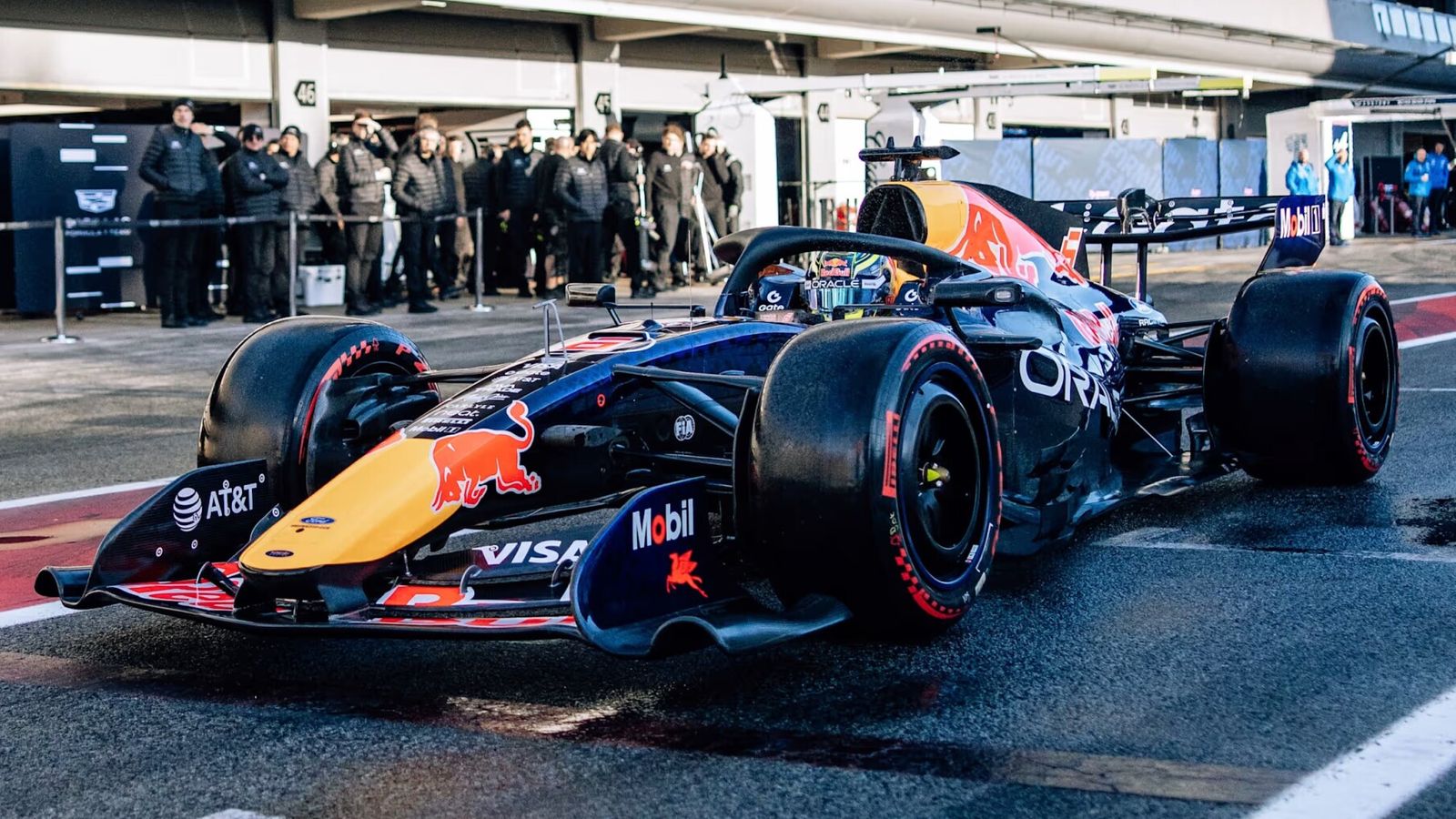
The timing sheets from Barcelona do not lie. They throb with the first real rhythms of F1's new era, and already they expose how teams cling to mechanical truth over hype. Red Bull's Isack Hadjar carved a 1:18.159 into the Circuit de Barcelona-Catalunya tarmac, a figure that feels less like a lap and more like a steady heartbeat under pressure. This closed-door shakedown was never about glory. It was about verifying that the radical active aerodynamics and power unit shifts could survive without fracturing the soul of the machine.
Data as Emotional Archaeology
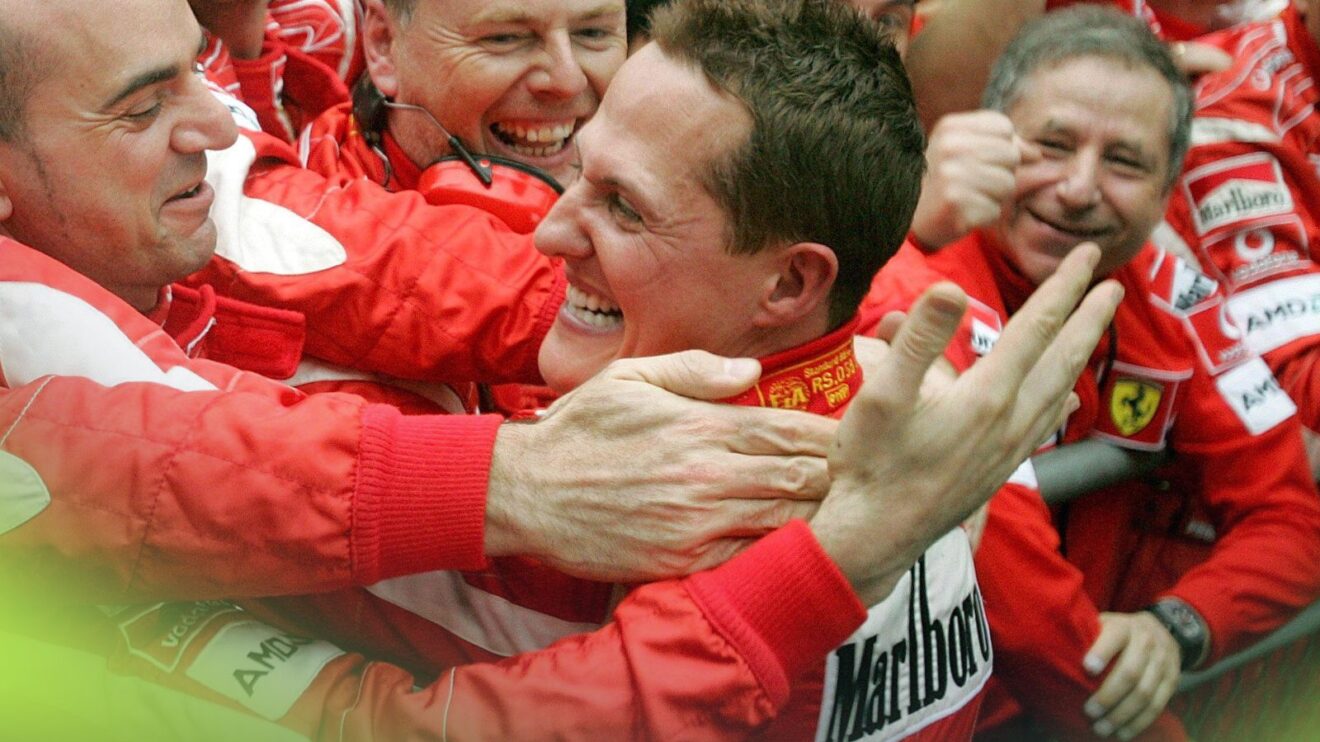
I treat every sector split like an excavation site. Hadjar's run in the Red Bull RB22, powered by the team's own unit, delivered the cleanest early signals of reliability. The lap did not scream aggression. It whispered consistency, the kind Michael Schumacher perfected in his near-flawless 2004 campaign at Ferrari. Back then, telemetry existed but never drowned the driver's feel. Schumacher's sector times held steady even when strategy faltered, proving raw pace data could outlast overthinking engineers.
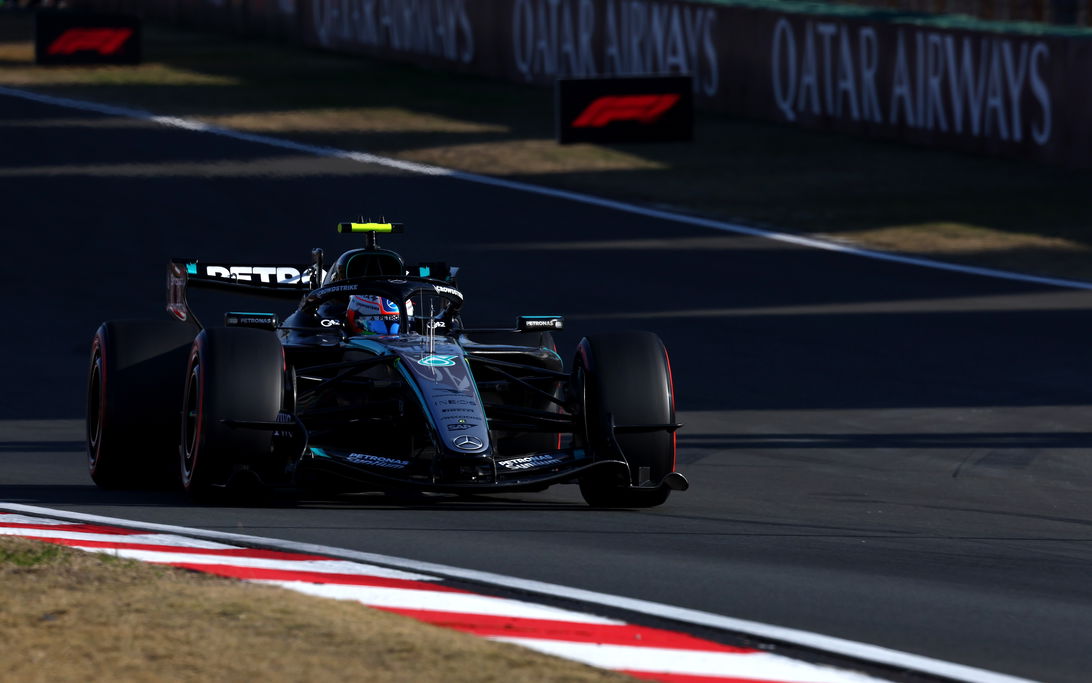
Today's sheets tell a different tale. George Russell slotted Mercedes into second, just 0.5 seconds adrift. That gap feels intimate, almost personal, as if the car itself was adjusting its pulse to match the driver's input. Franco Colapinto followed in the Mercedes-powered Alpine, logging miles that hint at early harmony between new regulations and driver adaptation.
- Reliability metrics first: Seven teams prioritized mechanical integrity over outright speed.
- Power unit notes: Kimi Antonelli described the Mercedes unit's driveability as a steep but rewarding curve, with clear afternoon gains.
- Cadillac milestone: Valtteri Bottas opened the session before handing the wheel to Sergio Perez for the new 11th team's official debut.
These numbers uncover pressure points no press release admits. Lap time drop-offs often trace back to unseen stresses, the same way personal events once rippled through Schumacher's flawless weekends.
The Coming Robotized Trap
Over-Reliance on Real-Time Telemetry
Modern teams now flood every corner with live data streams. This shakedown proved the danger. When Alpine triggered a red flag from a mere sensor glitch, the interruption revealed how fragile the new architecture remains under constant digital scrutiny. Drivers become interpreters of algorithms rather than feelers of grip. Within five years this hyper-focus on analytics will birth robotized racing, where pit calls arrive from predictive models and intuition gets suppressed like an outdated variable.
"The numbers must serve the human story, not erase it."
Schumacher's 2004 season stands as rebuke. His consistency came from trusting the wheel, not dashboards recalibrating every tenth. Barcelona's sheets already show the split: Red Bull and Mercedes logged clean mileage while McLaren and Ferrari skipped entirely, Williams stayed home over delays, and Aston Martin waits for Adrian Newey's Thursday debut.
Key Absences and Future Signals
The grid's shape emerges not from stories but from who dared to turn laps.
- McLaren and Ferrari preserved their cars for Bahrain.
- Williams' absence leaves a data void that timing alone cannot fill.
- Cadillac's dual-driver handoff between Bottas and Perez marks the first official trace of an expansion team in this regulatory dawn.
These choices echo the 2004 lesson: teams that over-engineer from the start often lose the human edge Schumacher wielded so ruthlessly.
Conclusion
Barcelona's opening day delivered no championship verdict, only a baseline pulse. The true test arrives February 11 in Bahrain, where live timing will expose whether intuition survives the data deluge. Until then, the sheets remain our clearest witness. They show Red Bull and Mercedes leading not through narrative but through numbers that still feel alive.
Join the inner circle
Get the deep dives and technical analysis from the world of F1 delivered to your inbox twice a week.
Zero spam. Only high-octane analysis. Unsubscribe anytime.
Continue Reading
View More News