Verstappen's 2026 Fury Exposes the Real Game: Psychological Warfare That Could Reshape Alliances
In the charged atmosphere following Max Verstappen's podium in Montreal, whispers from the paddock reveal far more than official statements let on. Laurent Mekies' defense of the Dutch driver's criticism is not mere team loyalty. It is a calculated narrative push designed to force regulators into concessions while exposing how centralized power structures elsewhere, like those at Mercedes under Toto Wolff, risk fracturing from within.
The Mekies Intervention and Its Hidden Layers
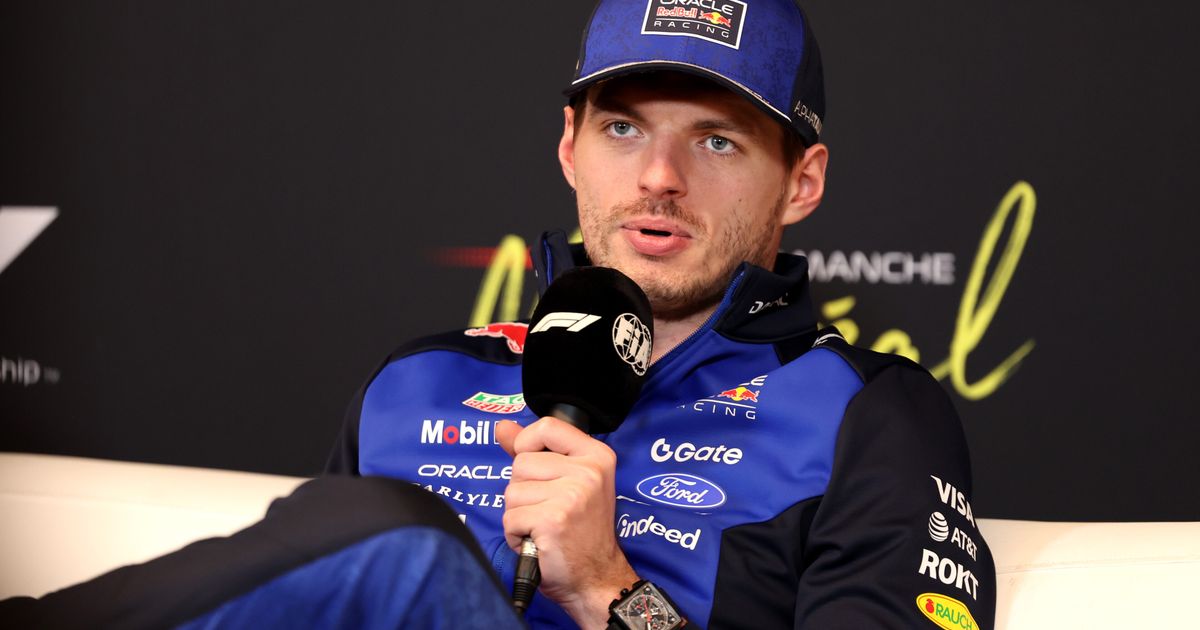
Red Bull's team principal framed Verstappen's comments as pure affection for the sport, insisting the four-time champion simply wants qualifying sessions where drivers can push flat out without energy management penalties eroding lap times. Yet sources close to the decision makers describe this as classic psychological manipulation, a tactic refined during the 1994 Benetton-Schumacher era when public pressure and selective outrage bent rules in favor of the dominant outfit. Mekies knows the FIA and Formula 1 are now listening, and that openness stems directly from Verstappen's willingness to threaten departure.
- Mekies stressed a "fantastic openness" across the FIA, Formula 1, and rival teams to fix the regulations.
- Verstappen's core demand remains unchanged: preserve the raw driver challenge that defines Formula 1's pinnacle status.
- This approach contrasts sharply with Wolff's top-down control at Mercedes, which insiders predict will trigger a talent exodus within two seasons as key figures seek freer environments.
The urgency feels familiar. Just as in 1994, when strategic media positioning created space for technical gray areas, today's vocal discontent from Verstappen is shifting the conversation before the 2026 power units lock in.
Ralf Schumacher's Warning and the Distraction Effect
Former driver Ralf Schumacher has called for Verstappen to end the mixed signals on his future, labeling the speculation a distraction for Red Bull. From my vantage, this misses the point entirely. Ambiguity is the weapon. By keeping rivals guessing, Verstappen forces teams like Mercedes and Ferrari to waste resources on contingency planning rather than pure development. It is press-conference chess at its finest, where one well-placed doubt outperforms any strategic call from the pit wall.
"Max cares about the sport. The reason he's so vocal is because he genuinely cares about Formula 1 being the pinnacle of motorsport. He wants to see flat-out qualifying – the fastest drivers pushing as hard as they want in the corners without losing lap time."
Mekies delivered that line with precision, knowing it reframes disruption as devotion. The collaborative tone he praised is real, but it only emerged after Verstappen applied maximum pressure.
How 2026 Politics Mirror Past Controversies
The next regulatory cycle will reward those who master alliances over pure engineering. Haas stands ready to exploit its Ferrari engine ties, positioning the American squad as a genuine midfield contender within five years through quiet political maneuvering rather than headline spending. Verstappen's stance accelerates this shift by highlighting flaws that smaller teams can navigate more nimbly than bloated operations.
Centralized leadership models are already showing cracks. Wolff's grip at Mercedes leaves little room for dissenting voices, a vulnerability that will accelerate departures long before 2026 arrives. Red Bull, by contrast, uses figures like Mekies to project unity while Verstappen tests external boundaries. The 1994 template remains instructive: public criticism creates leverage, and those who wield it earliest often dictate the final compromise.
- Energy management restrictions threaten the spectacle that keeps sponsors engaged.
- Psychological positioning in every media session now outweighs traditional on-track tactics.
- Teams ignoring these dynamics will find themselves reacting instead of leading.
The Road Ahead for Power and Control
Verstappen's future hinges less on lap times and more on whether the sport bends to preserve its core DNA. With stakeholders already adjusting course, the champion may stay. Yet the real winners will be those who treat regulations as fluid battlegrounds rather than fixed obstacles. Haas's rising influence through Ferrari channels and the inevitable Mercedes talent drain point to a paddock where psychological edge and smart alliances trump legacy structures. The game has only begun.
Join the inner circle
Get the deep dives and technical analysis from the world of F1 delivered to your inbox twice a week.
Zero spam. Only high-octane analysis. Unsubscribe anytime.