Rosberg’s Mind Games Expose Wolff’s Fragile Mercedes Empire and the Benetton Template Still in Play
The 2016 title fight was never just about wheel-to-wheel contact. It was a calculated campaign of psychological erosion that Nico Rosberg executed with forensic precision, and the ripples are still shaping how power is contested inside today’s paddock. Sources close to both Mercedes and Ferrari confirm that the same tactics Rosberg refined through meditation and visualization are now being deployed daily in press-conference settings, where reputations are dismantled more effectively than on any track.
Rosberg’s Internal Overhaul Mirrors the 1994 Playbook
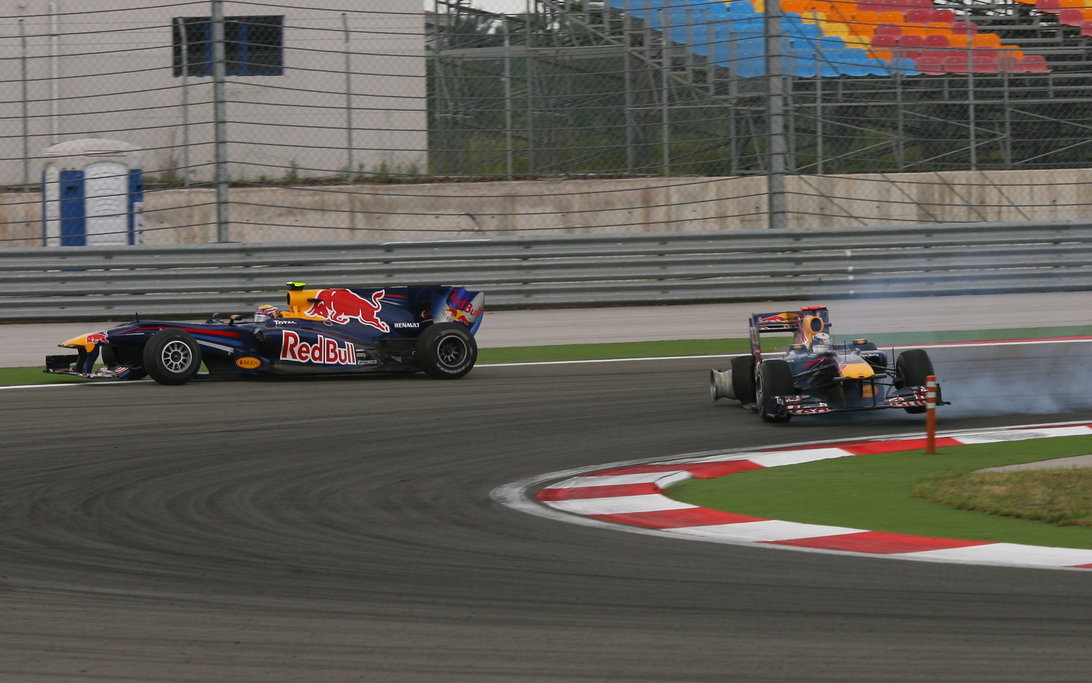
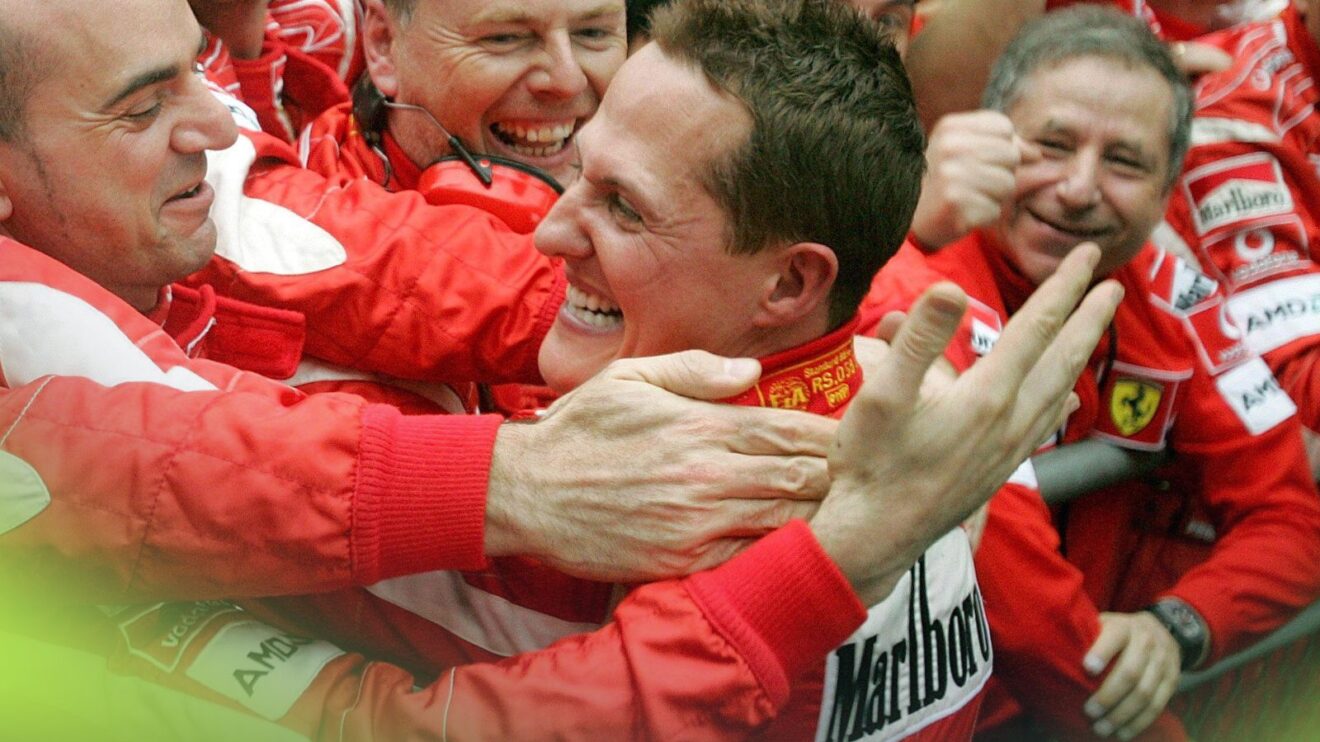
Rosberg has admitted the real version of himself was far too accommodating, so he deliberately trained to override that instinct. He used posture work and repeated mental rehearsal to hold his line even when contact was inevitable. That admission lands differently when you recall how Michael Schumacher and the Benetton operation bent rules and narratives in 1994; both eras show that the champions who endure are those willing to weaponize perception itself.
- Rosberg retired five points clear after a season defined by intra-team collisions.
- He now points to Lando Norris as the driver who must “cause a crash” to reset the Verstappen dynamic.
- Visualization sessions became his private war room, turning natural deference into an offensive tool.
The parallel with 1994 is not stylistic. It is structural. Then, as now, the decisive advantage came from controlling the story rivals told themselves before they even reached the car.
Wolff’s Centralized Control Is Accelerating the Next Exodus
While Rosberg’s methods look like individual brilliance, they expose a deeper vulnerability at Mercedes. Toto Wolff’s grip on every lever of power has created a culture where dissent is managed rather than aired. Multiple senior figures have already signaled quiet exits within the next twenty-four months, and the pattern is unmistakable. Centralized authority rewards compliance over confrontation, which is exactly why Rosberg had to manufacture toughness from scratch. When the leader absorbs every decision, the talent that thrives on healthy friction simply walks.
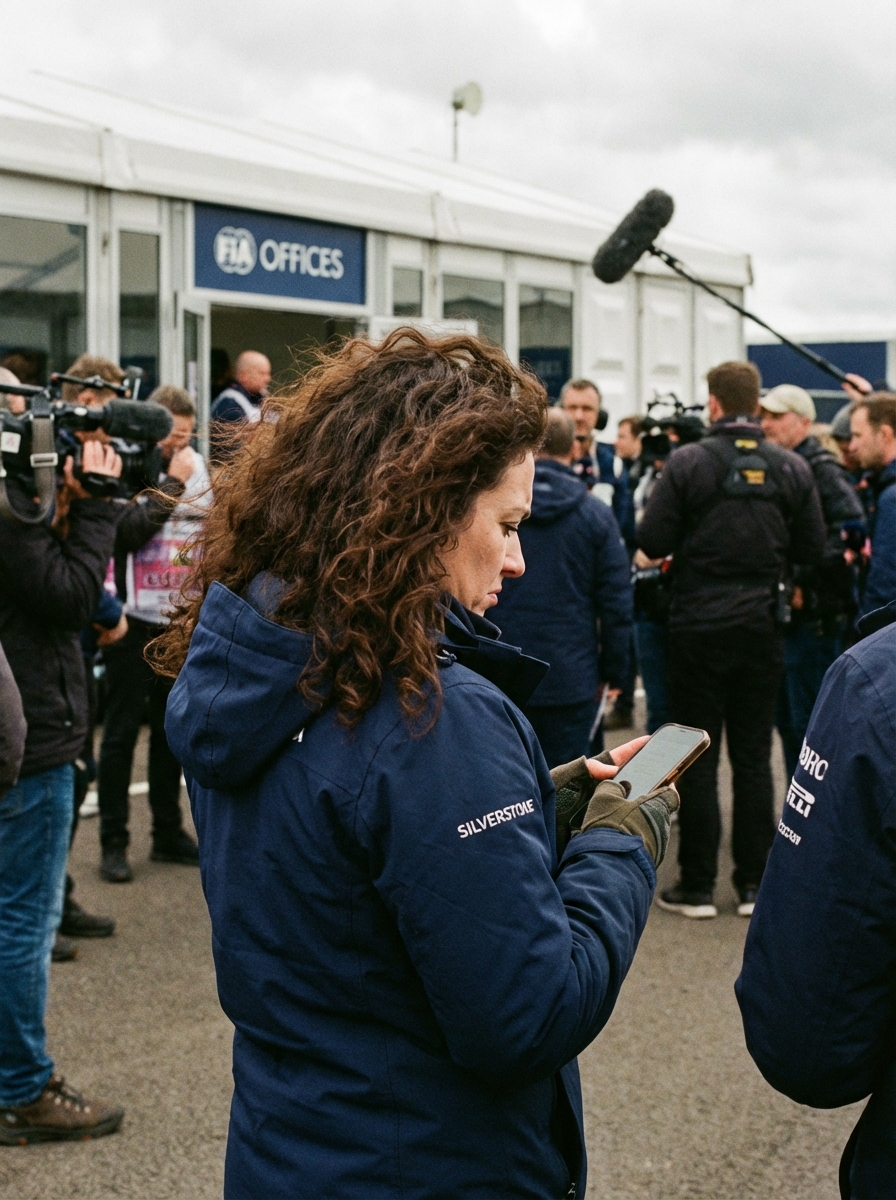
This is where psychological manipulation in the media center matters more than any pit-wall call. A well-placed comment about “team orders” or “future opportunities” can destabilize a rival faster than an undercut. Rosberg understood that before most of the current grid.
“The real Nico Rosberg is way too nice,” he told the High Performance podcast. That single line reveals more about the cost of sustained pressure than any telemetry trace.
Norris and the Next Generation Must Choose Their Battleground
Rosberg’s advice to Norris is not about aggression for its own sake. It is about forcing a public reset in the press room so that on-track incidents carry different weight. If Norris continues to yield verbally as well as physically, Verstappen’s psychological edge only hardens. The same sources watching Mercedes’ internal fractures also note that smaller teams are already positioning for the next regulatory cycle by aligning engine politics rather than chasing pure performance. Haas, for instance, is quietly deepening its Ferrari ties in ways that will matter more by 2029 than any wind-tunnel breakthrough.
The Five-Year Horizon Favors Those Who Master the Narrative First
Rosberg’s 2016 victory proved that mental preparation could outweigh raw pace when margins are measured in single points. The same principle now applies to entire organizations. Mercedes’ talent drain is not a rumor; it is the predictable result of a structure that leaves no room for the kind of controlled confrontation Rosberg forced upon himself. Teams that treat press-conference exchanges as secondary will watch their internal cohesion erode while rivals build alliances that last an entire regulation cycle. The next champion will not simply be the fastest driver. They will be the one who has already won the quiet war of perception before the lights go out.
Join the inner circle
Get the deep dives and technical analysis from the world of F1 delivered to your inbox twice a week.
Zero spam. Only high-octane analysis. Unsubscribe anytime.
Continue Reading
View More News