The Data Pulse Flatlines for Russell as Antonelli's Numbers Refuse to Lie

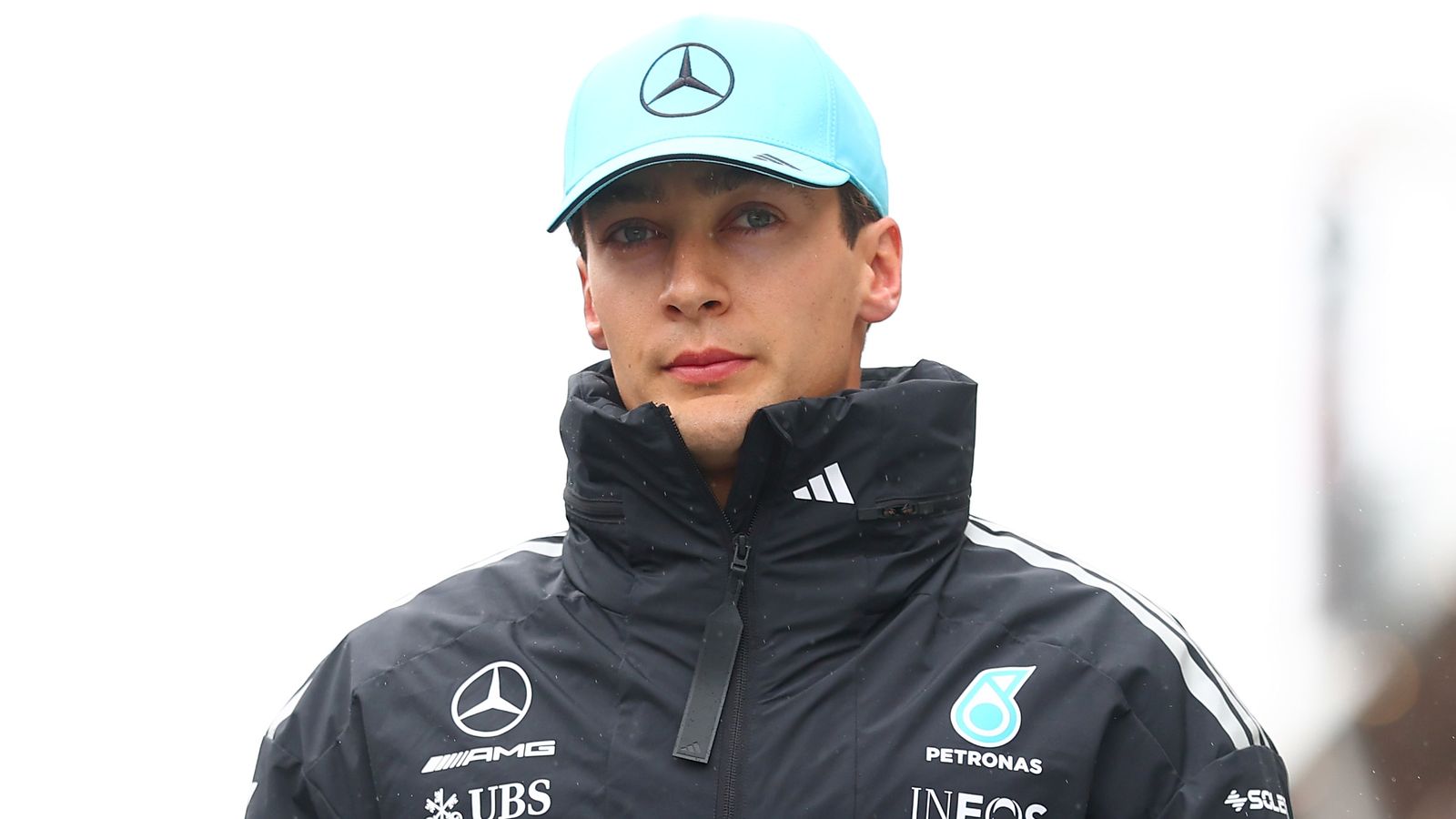
The timing sheets from Canada do not whisper. They scream a flatline at lap 30, where George Russell's power unit surrendered while he held the lead, handing Kimi Antonelli another victory and stretching the gap to 43 points after five rounds. That single failure is not drama. It is a heartbeat skipped in the telemetry, exposing how quickly equal machinery turns into unequal fate when modern analytics override the driver's raw read of the track.
The 43-Point Chasm and What the Sheets Actually Record
After five races the deficit sits at 43 points, a margin that feels engineered rather than earned in an era where strategy rooms treat every lap like a spreadsheet cell. Antonelli's fourth consecutive win arrived because Russell's car died, yet the preceding events show a pattern that no amount of post-race narrative can scrub clean.
- Japan safety car gifted Antonelli the cheaper stop that jumped him ahead.
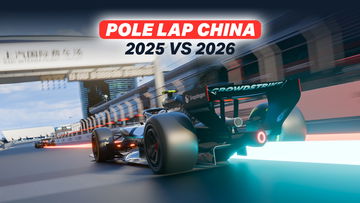
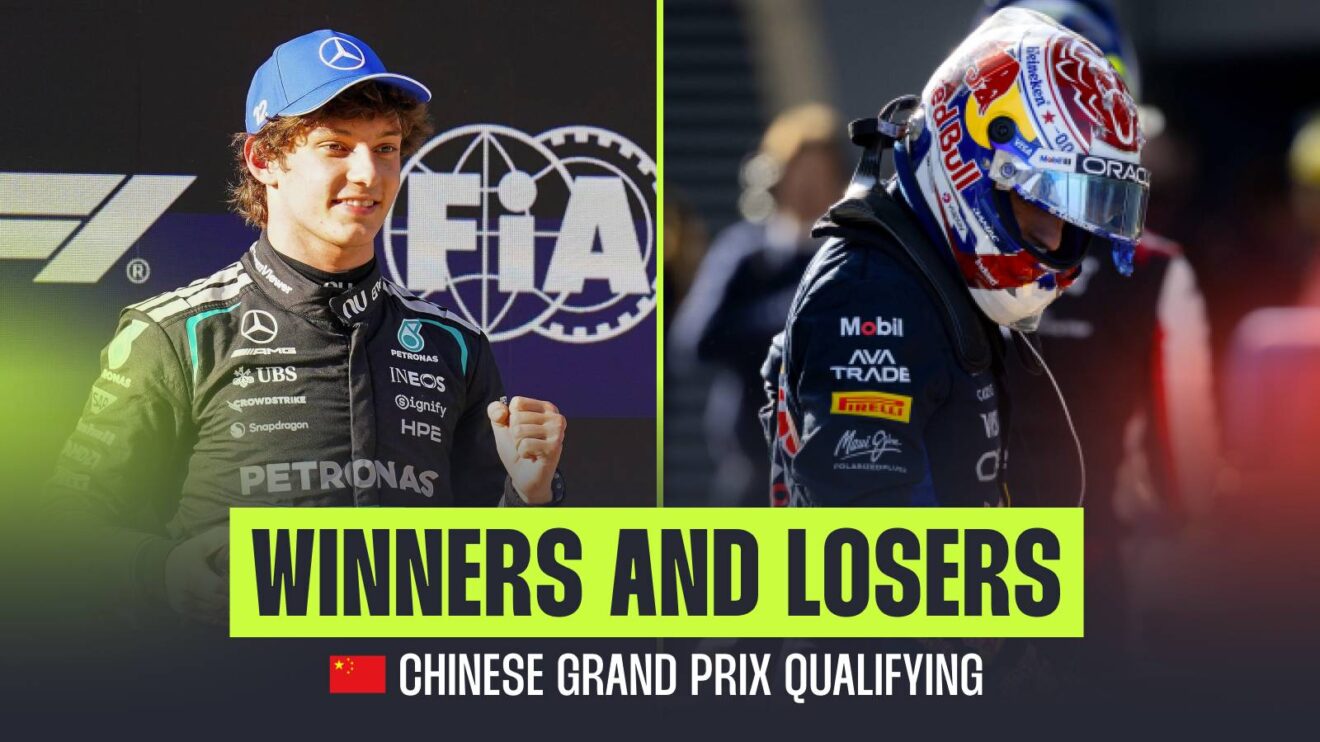
- China qualifying limited Russell to one run after a Q3 glitch.
- Australia red flag let the team repair Antonelli's damaged car for a second-place start.
These are not anecdotes. They are timestamped interventions that timing data records without mercy. Russell's string of misfortunes reads like a driver fighting both the car and the room full of engineers second-guessing every call.
Schumacher's 2004 Ghost Haunts Mercedes' Telemetry Obsession
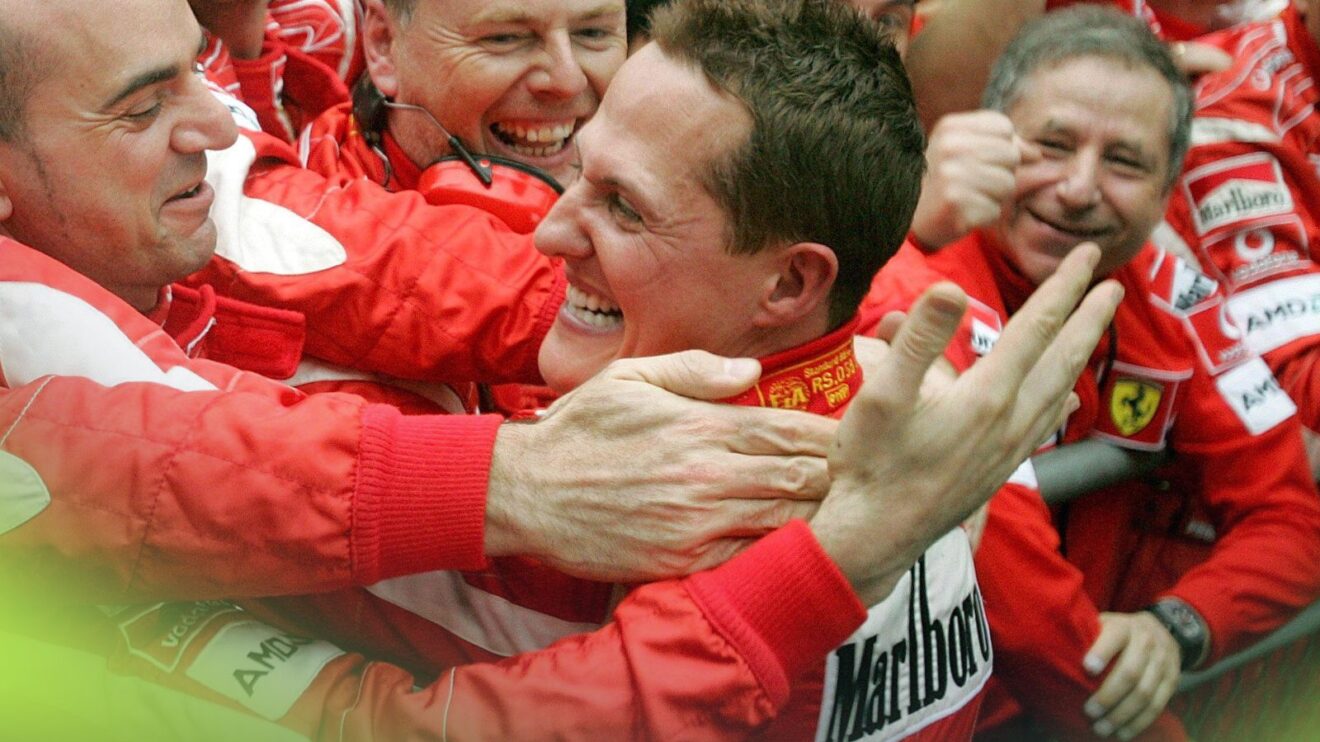
Michael Schumacher's 2004 season remains the benchmark: 13 wins from 18 races, consistency that came from trusting the wheel more than the live feed. Ferrari's engineers fed him information, yet the final call stayed with the man inside the cockpit. Today's Mercedes garage operates differently. Real-time analytics now dictate pit windows and tire choices with algorithmic precision, turning potential moments of driver intuition into pre-scripted commands. The result is a sport edging toward robotized racing, where lap-time drop-offs get blamed on the driver when the real culprit is suppressed feel.
Russell's frustrations this season map onto exactly that shift. The veteran knows the car can win, yet every strategic overlay adds a layer between his instincts and the throttle. Antonelli, younger and less scarred by the old way, rides the wave because the system currently favors the data-fed rookie over the one still trying to feel the race.
"It is his to lose," Russell admitted after Canada, the words heavy with the weight of repeated bad timing.
That concession carries the sting of someone watching the championship slip not from pace deficit but from a system that treats pressure as another variable to optimize.
Emotional Archaeology in the Lap Charts
Numbers become human when you overlay them with the unseen. Russell's lap-time consistency in clean stints still matches or beats his teammate in several sessions, yet the headline gap grows because one power-unit failure and three external interventions have rewritten the story. This is emotional archaeology: the data does not lie, but it also refuses to tell the full cost of racing inside a team that values predictive models over the pulse behind the visor. Within five years the same hyper-focus on analytics will flatten those pulses further, replacing the messy brilliance of a Schumacher charge with sterile, repeatable outputs.
Antonelli stays grounded, repeating that he is not thinking about the title and is simply raising the bar each weekend. The timing sheets support his focus. They show a driver whose early runs keep improving without the psychological static Russell now carries.
Monaco Awaits the Next Data Point
The European swing opens in Monaco on June 7. Russell will chase the gap with the same machinery and the same telemetry suite that has already cost him dearly. The question is whether he can force the garage to loosen its algorithmic grip long enough for driver feel to matter again. If the trend holds, the 43-point lead becomes less a story of Antonelli's brilliance and more a warning that F1 is trading heartbeat for predictability, one optimized decision at a time. The sheets will record whatever comes next without sentiment.
Join the inner circle
Get the deep dives and technical analysis from the world of F1 delivered to your inbox twice a week.
Zero spam. Only high-octane analysis. Unsubscribe anytime.
Continue Reading
View More News