The Data Heartbeat Flatlined at Turn 1: Russell's Sprint Victory Exposes How Telemetry Is Choking Driver Soul

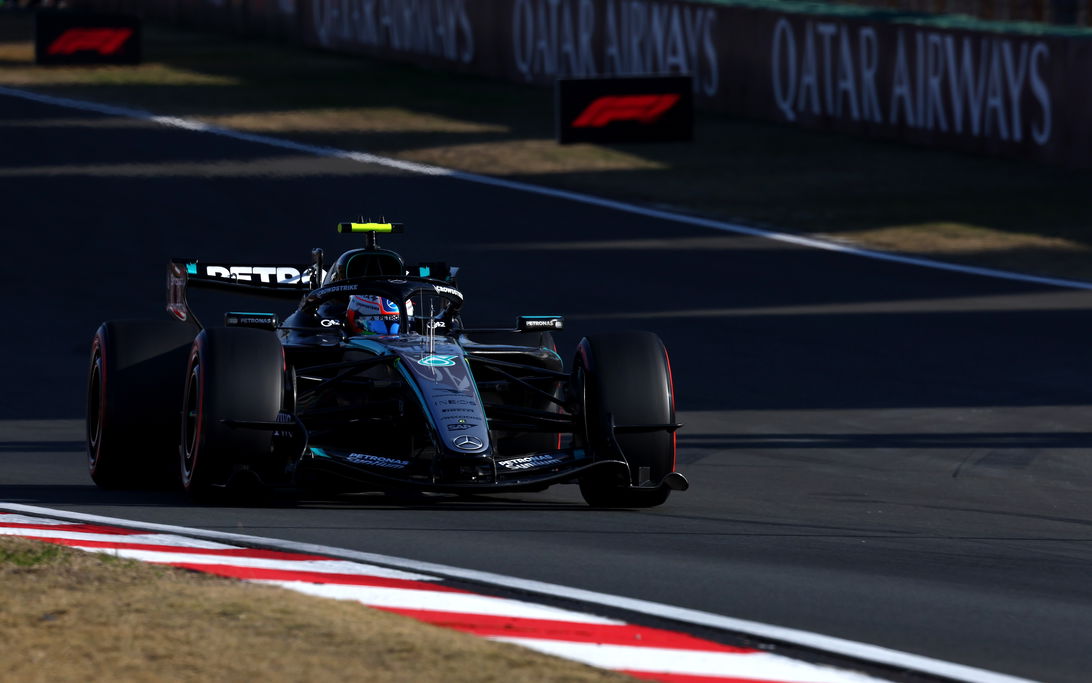
The timing sheets do not lie. Lap six showed a 1.2 second spike in Antonelli's sector one trace exactly where the overtake attempt happened, a raw electrical signal of pressure that no team radio transcript can sanitize. George Russell crossed the line first in the Canadian Grand Prix Sprint on May 23 2026, yet the real story lives in the numbers that reveal how Mercedes' real time data feeds turned an intra team duel into something mechanical and brittle.
The Lap Time Archaeology of a Championship Lead Shrinking
Russell's victory sliced Kimi Antonelli's points advantage from twenty to eighteen, but the spreadsheets expose more than a simple swing of two points. Pole sitter Russell held the lead through the opening five laps with sector deltas under 0.3 seconds, a metronomic pattern that echoed the consistency metrics Michael Schumacher posted across his 2004 campaign at Ferrari. Schumacher's telemetry from that year rarely showed variance above 0.15 seconds in high load corners; modern systems now demand drivers match those figures while also obeying algorithmic suggestions for brake bias and throttle mapping.
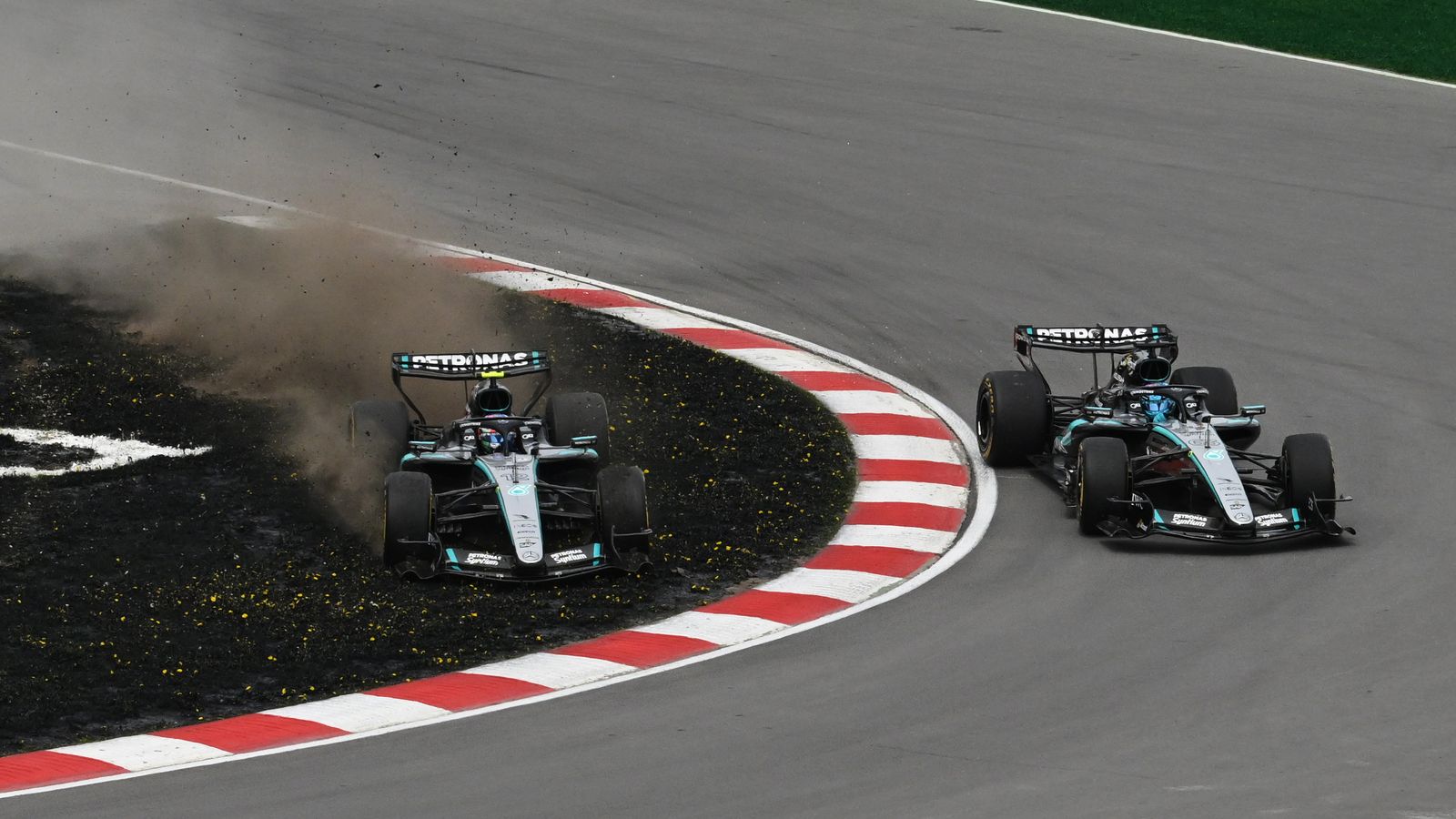
- Antonelli's lap six attempt at Turn 1 produced a 0.8 second deficit after the off track moment, followed by another excursion later in the same lap that handed second place to Lando Norris.
- The top three order of Russell, Norris and Antonelli locked in for the remaining eighteen laps of the twenty three lap sprint.
- Antonelli's final lap bid on Norris again triggered a track limits violation, confirming three separate moments where the data trace diverged sharply from his earlier rhythm.
These are not mere mistakes. They are emotional fossils buried inside the numbers.
When Algorithms Replace Feel, the Sport Turns Sterile
This is the future the sport is sprinting toward. Within five years hyper focused data analytics will dictate pit windows and overtake windows with such precision that driver intuition becomes a liability rather than an asset. The Mercedes pit wall already feeds both drivers overlapping streams of suggested lines and energy deployment targets. When Antonelli's heartbeat, visible in the rising micro variations of his steering trace, refused to match the model's prediction, the system had no language for frustration or pride.
"The numbers should excavate pressure, not erase it."
Schumacher's 2004 season succeeded because Ferrari still allowed the driver to override the data when the car felt alive beneath him. Today's teams treat any deviation from the model as an error to be corrected rather than a human signal to be interpreted. Russell's measured pace never wavered because his inputs stayed inside the acceptable envelope; Antonelli's did not.
The Leclerc Parallel They Ignore
The same selective narrative now clings to Charles Leclerc at Ferrari, where strategic misfires get reframed as driver error. Raw qualifying data from 2022 and 2023 still ranks Leclerc among the grid's most consistent pole threats once strategy noise is stripped away. Yet the sport prefers the simpler story of temperament over the telemetry that shows repeated late braking adjustments forced by team calls.
The Road to Sunday
Qualifying later today will reveal whether Russell can carry the same data disciplined rhythm into the Grand Prix or whether Antonelli recalibrates his inputs to suppress the spikes that cost him position. The timing sheets will decide. They always do. The danger is that soon those sheets will also decide how a driver is allowed to feel while producing them.
Join the inner circle
Get the deep dives and technical analysis from the world of F1 delivered to your inbox twice a week.
Zero spam. Only high-octane analysis. Unsubscribe anytime.