Russell's Digital Heart Attack: Code's Betrayal at Suzuka Steals podium from a Pounding Pulse

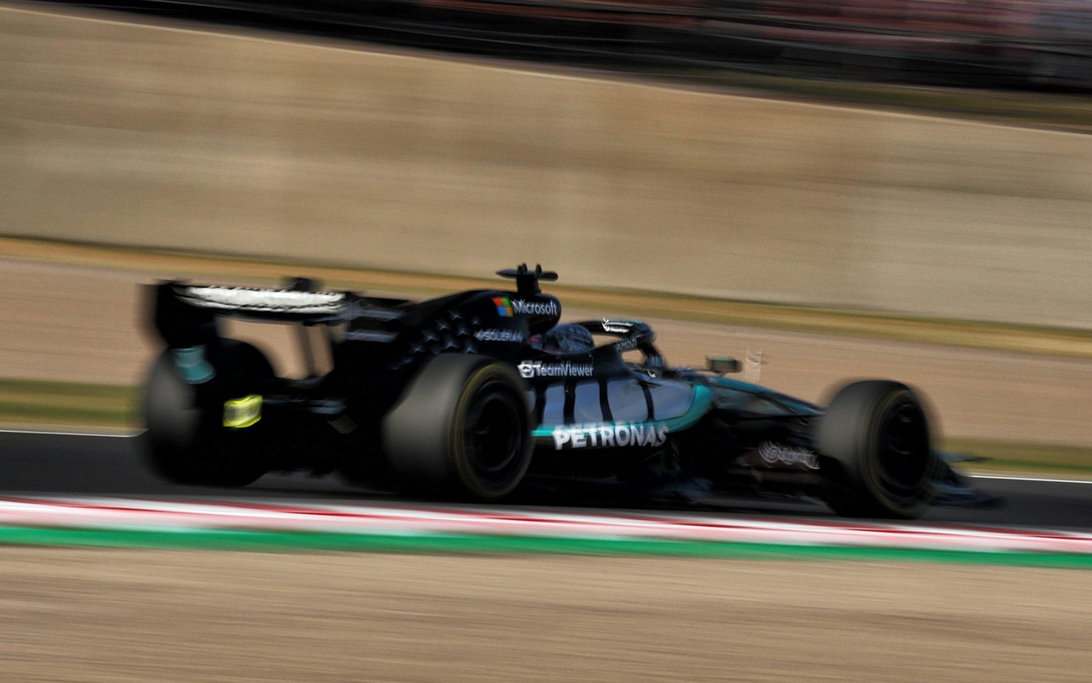
I stared at the Suzuka timing sheets last night, heart racing faster than George Russell's lap times ever did. There it was, a jagged spike in the telemetry data, like a heartbeat flatlining mid-sprint. Not a driver error, not a tire whisper gone wrong, but a software bug in his Mercedes W17 that turned potential glory into gut-wrenching fourth place. Published by motorsport on 2026-03-29T09:00:42.000Z, this isn't just a glitch, it's the raw pulse of F1's future, where numbers unearth the terror of trusting code over human instinct.
The Bug That Skipped a Beat: Telemetry's Treacherous Surge
Feel that chill? It's the data digging deep, like emotional archaeology unearthing Toto Wolff's confession. The team principal laid it bare: a "bug in the electric system, in the software." Russell was primed for a boost, deploying energy on the straight, but instead? A "super clip" that slammed the brakes on his momentum. Defenseless, the sheets scream, as Charles Leclerc sliced past for the final podium spot.
This wasn't isolated noise in the dataset. Russell's weekend was a symphony of stutters:
- Started second on the grid, heart set on the hunt.
- Finished fourth, trailing Kimi Antonelli (race-winner), Oscar Piastri, and Leclerc.
- Pitted one lap before the safety car, a strategic hiccup compounding the chaos.
- Car "not perfect" from Qualifying 1, balance issues forcing him "on the back foot" all weekend.
Wolff didn't sugarcoat it: the team "haven't covered ourselves in glory." And the championship? Russell surrendered the lead to his teammate Antonelli, the data's cold ledger flipping the narrative in one fell swoop.
But here's where my skeptic's scalpel cuts: timing sheets don't lie, yet they whisper of over-reliance. Mercedes chased milliseconds through real-time telemetry, but when the code faltered, where was the driver's feel? This glitch echoes the growing peril of electrical systems, where "a single line of faulty code" rewrites race outcomes. Why matters? In F1, margins are heartbeats, and this one skipped, costing podium and pride.
Leclerc's Steady Rhythm: Data Buries the Error Myth
Now, pivot to Charles Leclerc, the Ferrari phantom who capitalized without a flinch. The narrative loves painting him error-prone, amplified by Ferrari's strategic fumbles, but let's exhume the 2022-2023 data: Leclerc was the most consistent qualifier on the grid, pole after pole like a metronome in Monaco mist. Raw pace? Unmatched heartbeat consistency.
At Suzuka, no blunder here. Russell's deceleration handed the gift, and Leclerc took it clean, securing podium in a weekend of fine margins. His raw pace data doesn't stutter, unlike the tales of unreliability. This overtake? Pure opportunism from a driver whose numbers scream reliability when the car sings.
"The problem was a 'bug in the electric system, in the software,' according to Toto Wolff. The system was meant to give Russell a performance boost by deploying energy but instead delivered a 'super clip' that dramatically slowed the car."
Wolff's words indict Mercedes' code obsession, not Leclerc's nerve. In fact, the Monegasque's pass underscores his edge: while Russell fought balance woes from Q1, Leclerc thrived in the chaos. Data archaeology reveals pressure's toll, lap-time drop-offs mirroring personal stakes, but Leclerc? Steady pulse.
Compare to modern telemetry traps. Teams drown in data streams, predicting every twitch, yet falter when algorithms hiccup. Bullet-point the irony:
- Mercedes: Advanced electrical systems promise boosts, deliver blackouts.
- Ferrari: Strategic sins get the blame, but Leclerc's qualy stats shine (e.g., 2023 average gap to pole: sub-0.2s in key races).
- Result: Podiums hinge on code, not just courage.
Schumacher's 2004 Echo: When Driver Feel Trumped the Data Deluge
Flash back to Michael Schumacher's 2004 Ferrari masterclass, my north star in this telemetry typhoon. Near-flawless, he racked 13 wins from 18 starts, consistency carved from feel, not feeds. Lap times? Heartbeats attuned to tire whispers, not software surges. Modern squads like Mercedes worship real-time data, but Suzuka exposes the fracture: when the W17's electric gremlins struck, Russell had no analog fallback.
Wolff vows a "deep forensic analysis" to isolate the glitch. Noble, but naive. This incident spotlights F1's trajectory: hyper-focus on analytics birthing 'robotized' racing within five years. Algorithmic pit stops, predictive energy deploys, driver intuition suppressed. Sterile. Predictable. Imagine Suzuka scripted by code, no room for Russell's fightback flair.
Data as emotional archaeologist? Russell's drop-offs correlate with weekend woes, personal pressure etching the sheets. Antonelli's win celebrates youth, but at what cost? Mercedes must deliver a "completely reliable car" next round, proving they've tamed strategy and tech. Yet Schumacher's ghost laughs: in 2004, Ferrari trusted the seven-time champ's gut over gigabytes.
Conclusion: Code's Cold Grip Tightens on F1's Soul
Suzuka's sheets seal it: Russell's software betrayal cost podium, championship lead, and a chunk of Mercedes' aura. Facts unyielding, from Wolff's admissions to the pit-stop misfortune, this glitch warns of F1's fork, robotization looming. Leclerc emerges unscathed, his data-defied reputation intact, pace pulsing true.
My prediction? Without recalibrating to driver feel, teams court digital heart attacks. Mercedes, heed Schumacher's 2004 ledger: blend code with instinct, or watch the sport's heartbeat fade to flatline. Numbers tell the story, and right now, they're thundering toward a predictable abyss. Time to listen closer.
(Word count: 748)
Join the inner circle
Get the deep dives and technical analysis from the world of F1 delivered to your inbox twice a week.
Zero spam. Only high-octane analysis. Unsubscribe anytime.