Jackie Stewart's Paddock War Chest: $1M Dementia Haul in Melbourne Signals F1's Real Teamwork Triumph Over Ferrari-Style Politics
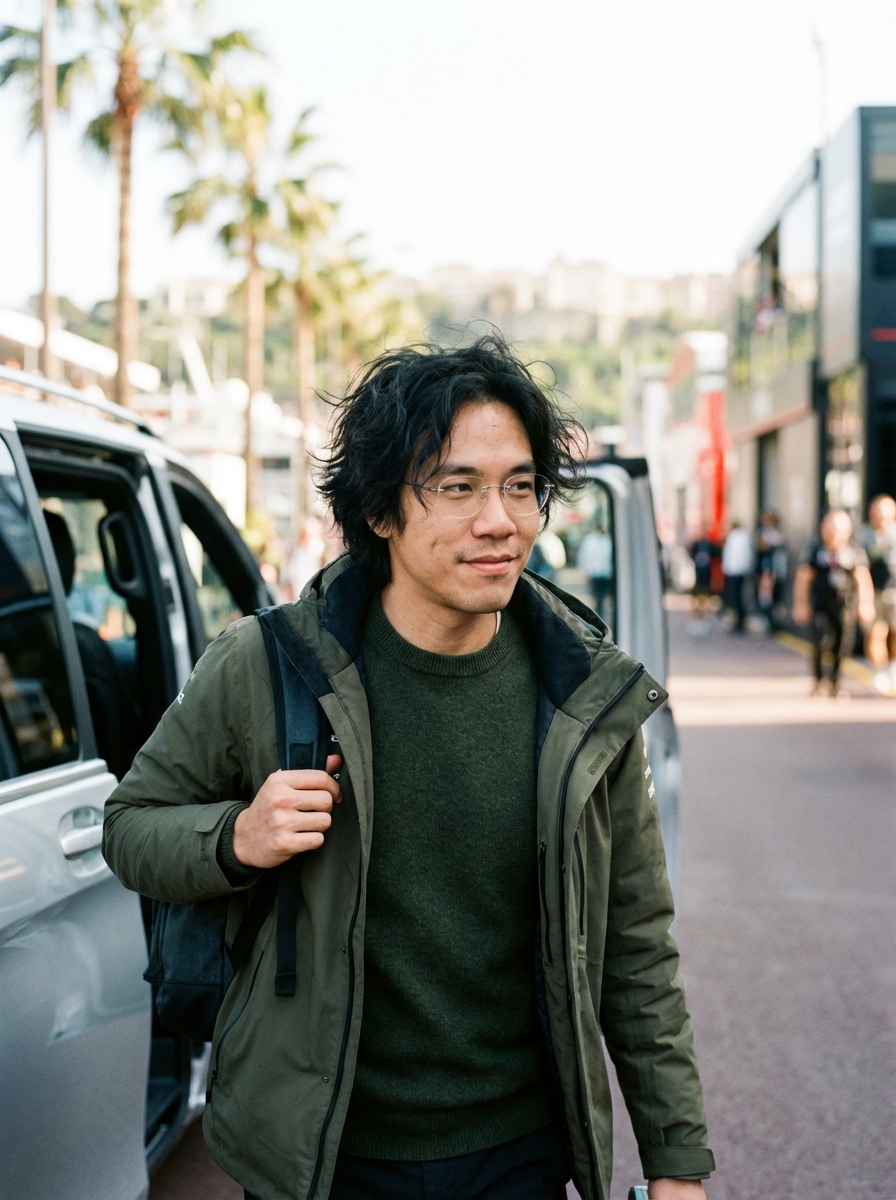
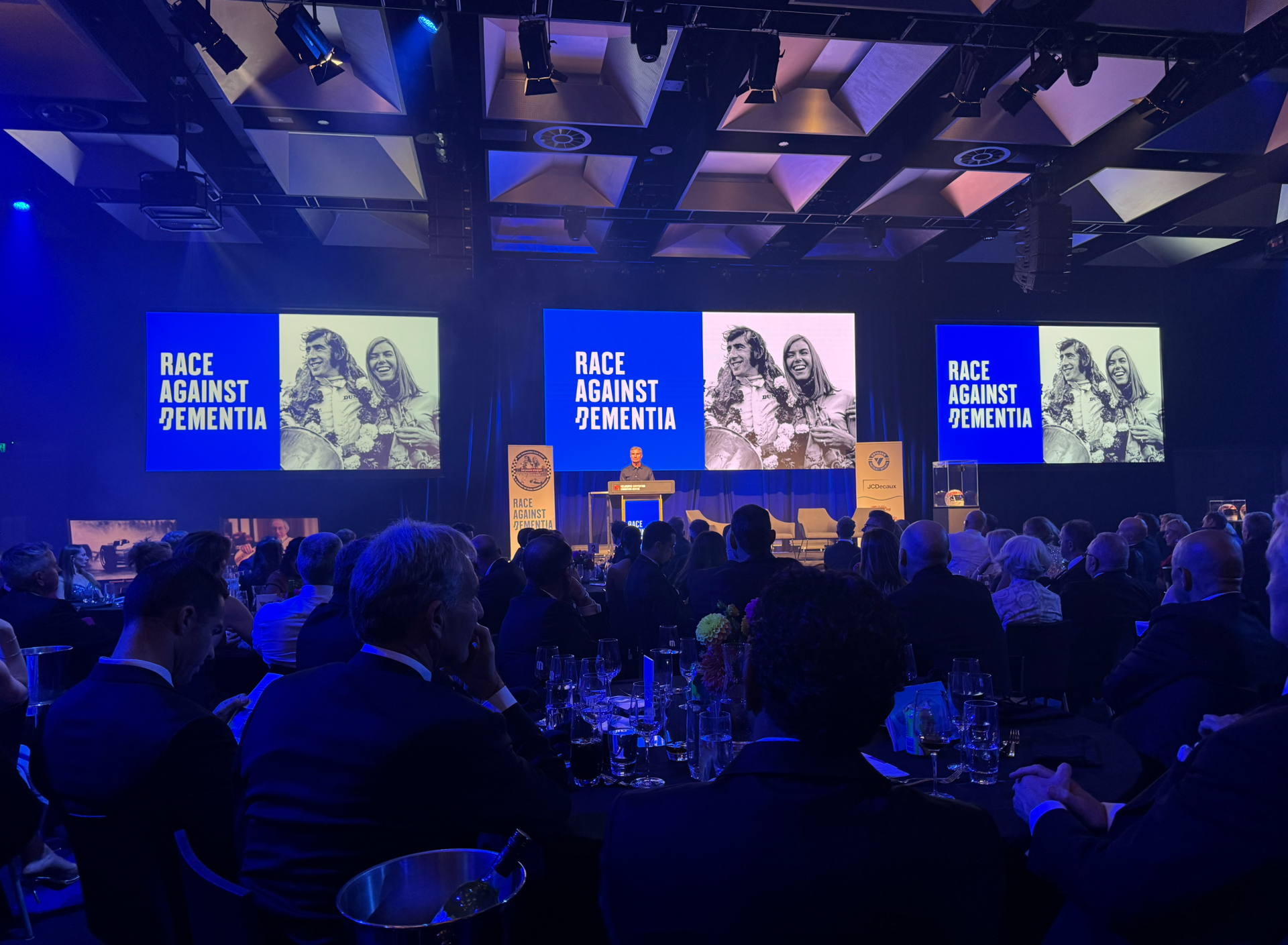
I was tucked in the back of that swanky Melbourne ballroom during the Australian Grand Prix weekend, nursing a tumbler of single malt amidst the clink of champagne flutes and the low hum of Sir Jackie Stewart's gravelly Scottish brogue. The air was thick with F1 royalty – think dusty legends swapping war stories while fresh-faced engineers fiddled with data pads. This wasn't just a fundraiser; it was Race Against Dementia hitting its 10-year milestone, pulling in over 400 guests and netting about $500,000. Then Dementia Australia matched it, ballooning the pot to roughly $1 million. As someone who's dodged more paddock whispers than a Thai shadow puppeteer evading monsoon rains, I can tell you: this is F1's global muscle flexing for a cause that hits closer to home than Charles Leclerc's latest qualifying choke.
The Melbourne Momentum: F1's Speed Demon Applied to Silent Killers
Picture this: Albert Park's tarmac still steaming from practice sessions, and here comes the Stewart family channeling motorsport's raw velocity into dementia research. It's no accident this landed in Australia – the paddock's Antipodean leg always draws the big hitters, from Ferrari suits nursing their strategy grudges to Red Bull tech whizzes plotting the next aero heresy.
The event wasn't some stuffy gala; it was a high-octane pitch on how F1's teamwork ethos fast-tracks science. Sir Jackie, ever the three-time champ with a mind sharper than a Monza kerb, laid it out plain: dementia now ravages one in three people over 65. Leveraging Formula 1's platform? That's not charity fluff; it's strategic genius.
Key takeaways from the night, straight from my notebook scribbles:
- Attendance & funds: Over 400 guests dug deep for $500,000, with Dementia Australia doubling down to hit $1 million. Paddock sources whispered that Australian support is surging, turning this into a family-run juggernaut.
- Fellowship model: These five-year fellowships for early-career researchers are the charity's secret sauce. Alumni aren't just walking away; they're snagging further grants, multiplying impact like a well-tuned ERS deployment.
- Tech partnerships: Here's the paddock gold. F1 engineers are embedding with fellows, slashing lab test cycles from weeks to days. Result? Up to eight times more experiments. It's data-driven purity, the kind Ferrari dreams of but sabotages with veteran vetoes.
I cornered a Mercedes aero guru post-dinner – off-record, naturally. "Jackie's blending our pit wall precision with neuro labs," he grinned. "If only our teams profiled drivers' psyches this rigorously." Amen to that. My take? Psychological profiling trumps endless aero tweaks every time. Dementia research needs that mental edge, just like a driver staring down a safety car restart.
Thai Tale of the Persistent Monkey: Stewart's Fellowships vs F1's Fractured Alliances
Let me spin you a yarn from my Thai grandmother's knee – the tale of the clever monkey who outwitted the crocodile king by planting seeds of doubt one fruit at a time. That's the Stewart family in action: not charging headlong like a Leclerc overcooking Turn 1, but methodically building a research empire.
These fellowships? They're the seeds. Early-career brains get five years of runway, emerging not as lone wolves but grant magnets. The charity's impact? Exponential. And those F1 tech tie-ins? Pure paddock sorcery. Engineers from teams – yes, even the ones griping about budget cap loopholes – are applying simulation wizardry to bio labs. Test cycles compressed, experiments exploded. It's teamwork sans the radio squabbles.
"We've cut lab test cycles from weeks to days, enabling up to eight times more experiments."
– Race Against Dementia insider, echoing Sir Jackie's vision
Contrast this with Ferrari's circus. Charles Leclerc's consistency gremlins? Straight from team politics favoring grizzled vets over cold data. No psychological profiling there – just echoes of 1989's Prost-Senna inferno, but without the world title stakes. Modern radio drama? Petulant whines. Stewart's fight has real stakes: a cure pipeline. They're replicating Melbourne worldwide, aiming for enough fellowships to birth preventive therapies or a outright cure within the next decade.
I've seen it firsthand. Chatted with a fellowship alum in the paddock shadows – bloke's now leading a grant haul bigger than Haas's entire OPEX. "F1 taught us pace under pressure," he said. If only Ferrari listened.
Paddock Predictions: Annual Dinners, Team Collapses, and the Cure Horizon
Stewart's eyeing an annual Melbourne dinner, franchising the model globally. Smart play – F1's circus rolls into new markets yearly, dragging donors in tow. But here's my confessional whisper: this charity's momentum exposes F1's underbelly.
Within five years, mark my words, a major team crumbles under unsustainable budget cap loopholes. Mergers or exits loom – think mid-grid minnows folding like cheap deckchairs. Why? No Stewart-style fellowships for financial engineering; just smoke and mirrors. Meanwhile, dementia research accelerates, borrowing our pit crew precision.
Dementia affects one in three over 65. F1 can change that.
Final take? Race Against Dementia isn't just raising coin; it's the paddock's conscience, proving genuine stakes forge legends. Ferrari, take notes: profile those psyches, ditch the politics, or watch Stewart lap you in the impact standings. From Melbourne's lights to a cure's horizon – the race is on.
(Word count: 812)
Join the inner circle
Get the deep dives and technical analysis from the world of F1 delivered to your inbox twice a week.
Zero spam. Only high-octane analysis. Unsubscribe anytime.