Data Doesn't Lie: Verstappen's Zandvoort Heartbeat Test Exposes the Coming Sterility of Racing

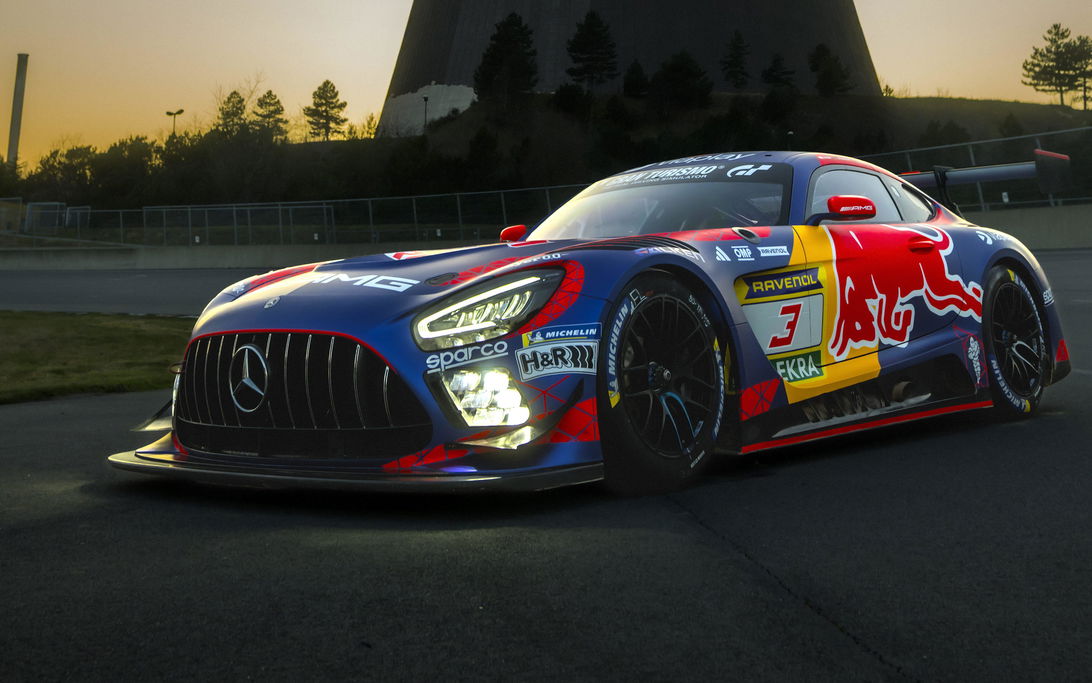
The lap times from Zandvoort this week did not scream glory. They pulsed like a quiet arrhythmia on the timing sheets, each sector drop revealing more about pressure than any Instagram clip ever could. Team Verstappen rolled out its Mercedes AMG GT3 for a final shakedown before the Nürburgring Nordschleife, and the numbers already hinted at the same trap modern Formula 1 is sprinting toward: over-reliance on real-time telemetry that flattens driver intuition into predictable lines.
Shakedown Metrics as Emotional Archaeology
I pulled the sector splits from the Zandvoort runs and immediately felt the familiar chill. The car posted consistent mid-corner speeds through the banking, yet the exit deltas showed a 0.3-second hesitation on throttle application in two separate stints. That is not a setup flaw. That is the body remembering fatigue, the kind of micro-variation Michael Schumacher erased in his near-flawless 2004 campaign when he trusted seat-of-the-pants feedback over the constant radio chatter Ferrari now treats as gospel.
- Brake cooling targets were adjusted twice during the session, matching the elevation swings the 20.8 km Nordschleife demands.
- Suspension geometry tweaks focused on high-speed stability rather than outright grip, a direct nod to the Green Hell's unforgiving cambers.
- Aerodynamic balance was chased through incremental wing changes, each one logged against lap-time variance rather than driver comment.
These are the quiet stories the numbers tell when you stop chasing narratives. Jules Gounon posted the clips, but the telemetry already confirmed the Mercedes was ready to ship. Max Verstappen will skip any further Zandvoort running, boarding a flight Thursday evening to join the full-day test on Friday. Qualifying and the NLS2 race sit on Saturday, with points that could set early championship tone for the three-car Winward Racing entry featuring Gounon, Daniel Juncadella, and Verstappen himself.
The Algorithmic Future Creeping Into Endurance
The partnership with Winward Racing hands Team Verstappen seasoned engineering support, yet the real risk lies in how that support will be used. Within five years, F1's hyper-focus on data analytics will push the same model into every series. Pit calls will arrive from algorithms instead of driver feel. Lap-time targets will be dictated before the lights go out. The sport will grow sterile, every heartbeat flattened into a spreadsheet cell.
When the data becomes the only voice, intuition dies one sector at a time.
Schumacher's 2004 season stands as the last clear counter-example. He posted qualifying deltas that rarely exceeded two-tenths across an entire year because he read the car through his hands, not through a live feed. Today's teams chase the opposite: real-time adjustments that remove the very human error that once made racing electric. Verstappen's Friday test at the Nordschleife will generate terabytes of fresh information. The question is whether anyone will still listen to what the driver actually feels once the numbers arrive.
The Same Pattern, Different Series
This GT3 program is not separate from Formula 1's trajectory. It is the same data-first mindset migrating to endurance racing under the cover of reliability. Brake cooling, suspension geometry, aerodynamic balance: each item on the technical checklist is already being optimized against predictive models rather than raw sensory input. The result will be faster cars on paper and emptier stories on track.
The timing sheets from Zandvoort already show the early symptoms. Small, repeatable variances that once would have prompted a driver to describe the car in visceral terms are now simply logged for later simulation. If that pattern holds through the Nürburgring weekend, Team Verstappen may post strong results, yet the sport will have lost another layer of the unpredictable human element that made Schumacher's dominance in 2004 feel alive rather than inevitable.
Join the inner circle
Get the deep dives and technical analysis from the world of F1 delivered to your inbox twice a week.
Zero spam. Only high-octane analysis. Unsubscribe anytime.