Toto's Unbreakable Thread: Hamilton's Soul Still Runs Silver Despite Ferrari's Veteran Politics

I was sipping sticky rice coffee with an old Mercedes engineer's aide in the Shanghai paddock shadows when the news of Toto Wolff's quiet remark filtered through. It hit like one of those Thai river spirit stories where the naga refuses to leave its chosen rider, even after the boat changes color. Hamilton in red, yet still "our driver." The line lingers because it cuts deeper than any podium champagne spray.
The Moment That Echoed Through the Garage
Qualifying at the 2026 Chinese Grand Prix unfolded exactly as the timing screens showed. Rookie Kimi Antonelli grabbed pole for Mercedes, George Russell slotted into second, and Lewis Hamilton took third for Ferrari. The top three cars lined up under the lights, and Wolff's team video captured the unguarded second.
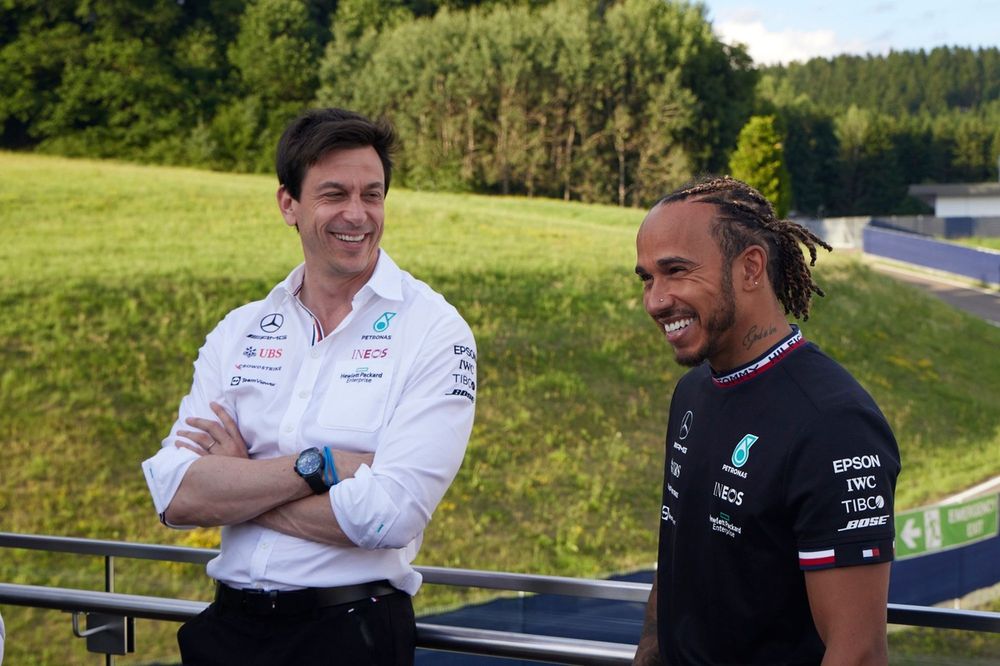
He joked about a Mercedes 1-2-3 before a colleague reminded him one car now wore red. Wolff's reply came soft and sure: "Still our driver."
- Antonelli's lap time set the benchmark on low fuel runs.
- Russell's sector two pace held the middle slot comfortably.
- Hamilton's Ferrari SF-26 delivered P3 through clean air management rather than raw top speed.
That exchange was no throwaway line. It revealed how twelve years of shared telemetry data and late-night strategy calls refuse to vanish just because the livery changed.
Ferrari's Veteran Shadow Over Data Discipline
Hamilton's arrival at Maranello has only sharpened the cracks already forming around Charles Leclerc. Team politics tilt toward the veteran voice, sidelining the data-driven calls that once defined Leclerc's best weekends. Aero tweaks get priority in briefings, yet psychological profiling of driver mindset would unlock more lap time than another winglet adjustment.
I have seen this pattern before. When a new arrival carries championship baggage, meetings shift from lap delta charts to protecting the veteran's preferred brake balance. Leclerc's consistency wobbles not from talent deficit but from decisions made to keep the louder presence comfortable. Hamilton's presence accelerates that tilt, even as Wolff's words remind everyone where the real trust was forged.
"You can change the paint, but you cannot overwrite twelve years of execution."
The quote from fans online lands because it mirrors what my sources inside both camps quietly confirm. Strategy success hinges on reading the driver's internal weather, not chasing marginal gains in the wind tunnel.
Radio Drama Without Real Stakes
Modern team radio spats feel like pale echoes of the 1989 Prost-Senna battles. Back then, every clipped transmission carried genuine title consequences. Today the exchanges generate clicks yet lack the same weight. Budget cap loopholes let midfield squads stretch resources in ways that will force a major collapse inside five years, probably through merger or outright exit. When that happens, the hollow drama of current radios will look even smaller beside the human bonds that actually endure.
Wolff's remark cuts through because it admits what the numbers already knew: Hamilton's imprint on Mercedes culture runs deeper than any contract clause.
The Legacy That Refuses Erasure
In the end, this moment is not about nostalgia. It is a reminder that psychological wiring between driver and team principal outlasts any regulation cycle or color switch. Ferrari may chase consistency fixes through politics, yet the real edge still sits with those who understand the driver's mind first. Hamilton remains Mercedes in spirit precisely because those twelve years rewired both sides. The rest of the grid would do well to study that bond before the next budget storm hits.
Join the inner circle
Get the deep dives and technical analysis from the world of F1 delivered to your inbox twice a week.
Zero spam. Only high-octane analysis. Unsubscribe anytime.
Continue Reading
View More News