Verstappen's Extra Heartbeat: How One Tire Set Exposed the Data Trap Closing In on Racing

The timing sheets do not lie, and this one screamed with the cold rhythm of seven tire changes instead of six. That single extra set turned Max Verstappen's hard-won Nurburgring endurance victory into a disqualification, revealing far more about modern motorsport's obsession with rigid metrics than any narrative about bad luck.
The Raw Count That Ended the Celebration
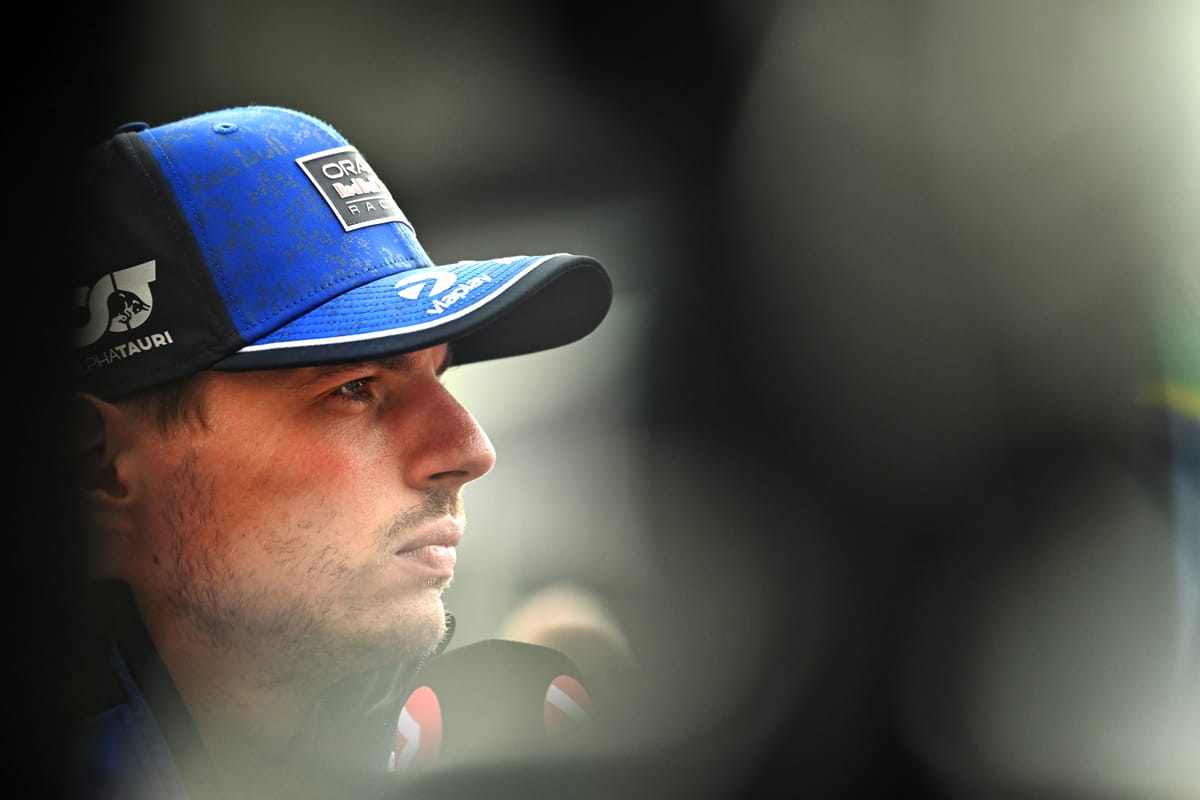
The numbers arrived like an autopsy report. Verstappen shared the #3 Mercedes-AMG GT3 with Dani Juncadella and Jules Gounon for the four-hour NLS round. They crossed the line first. Then the stewards tallied the rubber. Seven sets used on race day. The limit stood at six. The win moved to the #98 Rowe BMW of Jordan Pepper and Dan Harper.
- Seven sets deployed: One over the regulatory ceiling
- Team admission: Christian Hohenadel called it a "mistake within the team" that "hurt"
- Intended purpose: Seat time ahead of the 2025 Nurburgring 24 Hours
These figures carry the weight of pressure. Lap times function as heartbeats; each set of tires should pulse with driver intuition. Instead, the extra change exposed how telemetry dictates every rotation before the driver even feels the grip drop.
Schumacher's 2004 Blueprint Still Haunts the Present
Michael Schumacher's 2004 campaign at Ferrari offers the clearest counterpoint. He delivered near-flawless consistency across twenty races with minimal real-time interference, letting tire wear and track evolution speak through the wheel rather than through constant data streams. His lap deltas stayed tight because the car was tuned to his feel, not to an algorithm that flags every marginal set change.
Today's endurance efforts invert that approach. Teams monitor tire allocation like accountants, turning what should be visceral decisions into spreadsheet entries. Verstappen's disqualification lands as the logical endpoint: when every heartbeat of pace is pre-calculated, one extra set becomes an existential breach rather than a human misstep.
"The disqualification hurt," Hohenadel stated after the ruling. The numbers confirm the hurt was measurable.
Data Archaeology Reveals the Sterile Future
Dig deeper into the timing data and the pattern emerges. Verstappen's debut in the GT3 car was meant to build Nordschleife rhythm ahead of the 24-hour event. The tire infraction instead illustrates how hyper-focus on analytics suppresses the very intuition that once separated great drivers. Within five years this trajectory points toward fully robotized racing, where pit calls arrive from predictive models and drivers become executors rather than interpreters.
The same risk shadows every series. Ferrari's strategic misreads often mask Leclerc's qualifying consistency from 2022-2023, yet the underlying disease remains identical: real-time telemetry crowds out the driver's internal stopwatch. Schumacher never needed an external voice to tell him when the tires were finished. Modern squads cannot afford the same trust.
The Road Ahead Still Runs Through the Nordschleife
The seat time gained remains real despite the stripped result. An April NLS round still sits on the calendar, aligned with a cancelled F1 weekend. That window offers another chance to let the data serve emotion rather than erase it. The question is whether the team will allow the next set of heartbeats to be counted by the driver instead of the spreadsheet.
Join the inner circle
Get the deep dives and technical analysis from the world of F1 delivered to your inbox twice a week.
Zero spam. Only high-octane analysis. Unsubscribe anytime.
Continue Reading
View More News