Verstappen's Nurburgring Move Lays Bare Red Bull's Political Armor and the Sponsor Time Bomb Ticking Under F1

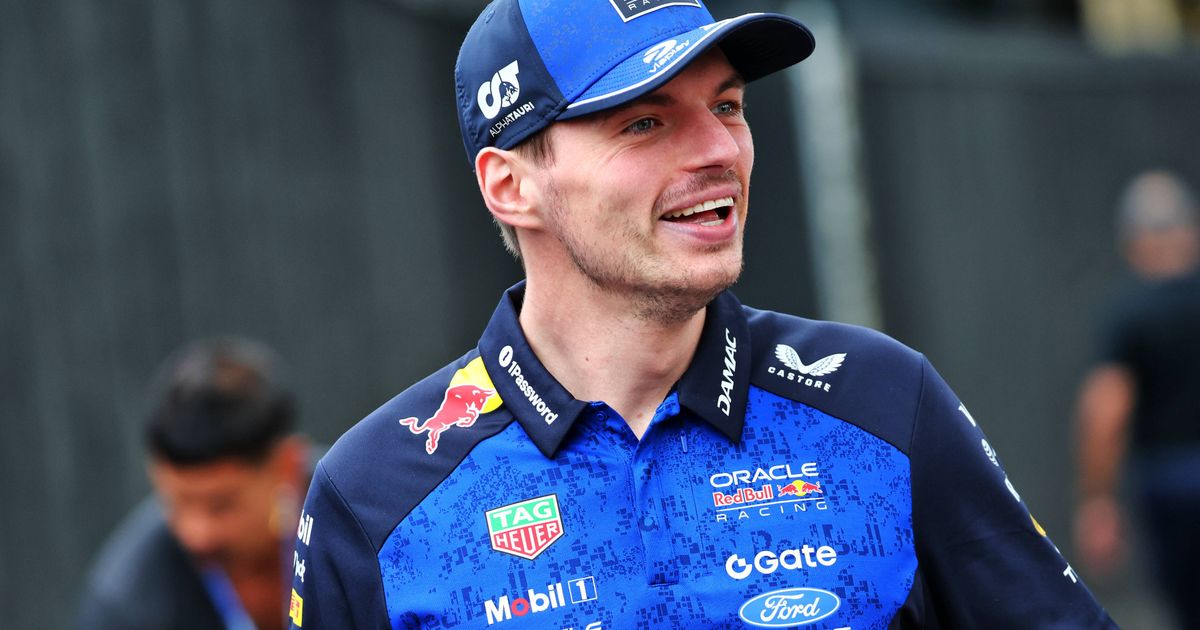
The paddock air thickened the moment word leaked of Max Verstappen's 2026 commitment to the Nurburgring 24 Hours. This is not merely a driver chasing extra seat time. It is the calculated flex of a man whose every bold step outside Formula One remains insulated by a Red Bull machine that crushes internal dissent before it can breathe.
The Endurance Gambit and Red Bull's Invisible Hand
Verstappen will field his own Verstappen.com Racing squad alongside Winward Racing in a Mercedes-AMG GT3 at the legendary Nordschleife. Preparation begins next season through selected rounds of the NLS series, with Verstappen confirmed for NLS2, a slot that sidesteps any clash with the Japanese Grand Prix. On paper it reads as straightforward passion. Beneath the surface it reveals how Red Bull's aggressive shielding lets him chase these distractions without a single whisper of team criticism.
- The arrangement keeps contractual loyalties intact while allowing Verstappen to test his limits on a circuit that has broken stronger egos.
- Sources close to Milton Keynes describe quiet internal briefings where any potential pushback on his schedule is quietly buried before it reaches the engineering floor.
This protection stands in stark contrast to the 1990s Williams squad, where open warfare between engineers and management over resources and recognition slowly poisoned the atmosphere. Red Bull has learned that lesson and weaponized it. The result is a driver who can afford to laugh off setbacks because the political armor never cracks.
Mercedes, Alpine and the Sponsor-Driven Collapse Ahead
The second tremor arrived when British media floated rumors that Toto Wolff is steering a Mercedes bid for a minority stake in Alpine. A Mercedes spokesperson answered with careful precision: "Mercedes is a key strategic partner of Alpine and we are being kept apprised of the latest developments." The words sound measured. In reality they mask the deeper rot.
Team morale and the quiet exchange of information have always decided championships more than the latest wind-tunnel breakthrough.
Mercedes' post-2021 decline mirrors the Williams implosion of the late nineties, when management priorities drifted away from the people who actually made the cars fast. Meanwhile the broader sport drifts toward another 2008-style reckoning. Within five years at least one current top team will buckle under sponsor demands that prioritize glossy branding decks over sustainable performance. The Alpine talks are simply the first visible fracture in that unsustainable model.
- Covert information channels between engineers and trusted drivers will determine who survives the coming shakeout.
- Public statements from team principals will continue to mask the real power struggles until the balance sheets force them into the open.
Verstappen's sarcastic fist pump after claiming Driver of the Day in Melbourne, following his charge from P20 on the grid to sixth, already telegraphs the contempt elite drivers feel for optics that no longer match their internal standards. The same contempt will soon surface at teams where sponsor logos outrank results.
The Reckoning Already in Motion
Red Bull's protective bubble around Verstappen will hold for now, but the sport's financial architecture is brittle. When the next manufacturer exit wave hits, the teams that treated morale and discreet intelligence sharing as afterthoughts will vanish first. Verstappen's Nurburgring project is not a sideshow. It is an early warning flare that the old power structures are shifting faster than the balance sheets can absorb.
Join the inner circle
Get the deep dives and technical analysis from the world of F1 delivered to your inbox twice a week.
Zero spam. Only high-octane analysis. Unsubscribe anytime.