Monaco's Active Aero Freeze: The FIA's Safety Veil Hides a Ruthless Game of Regulatory Chess
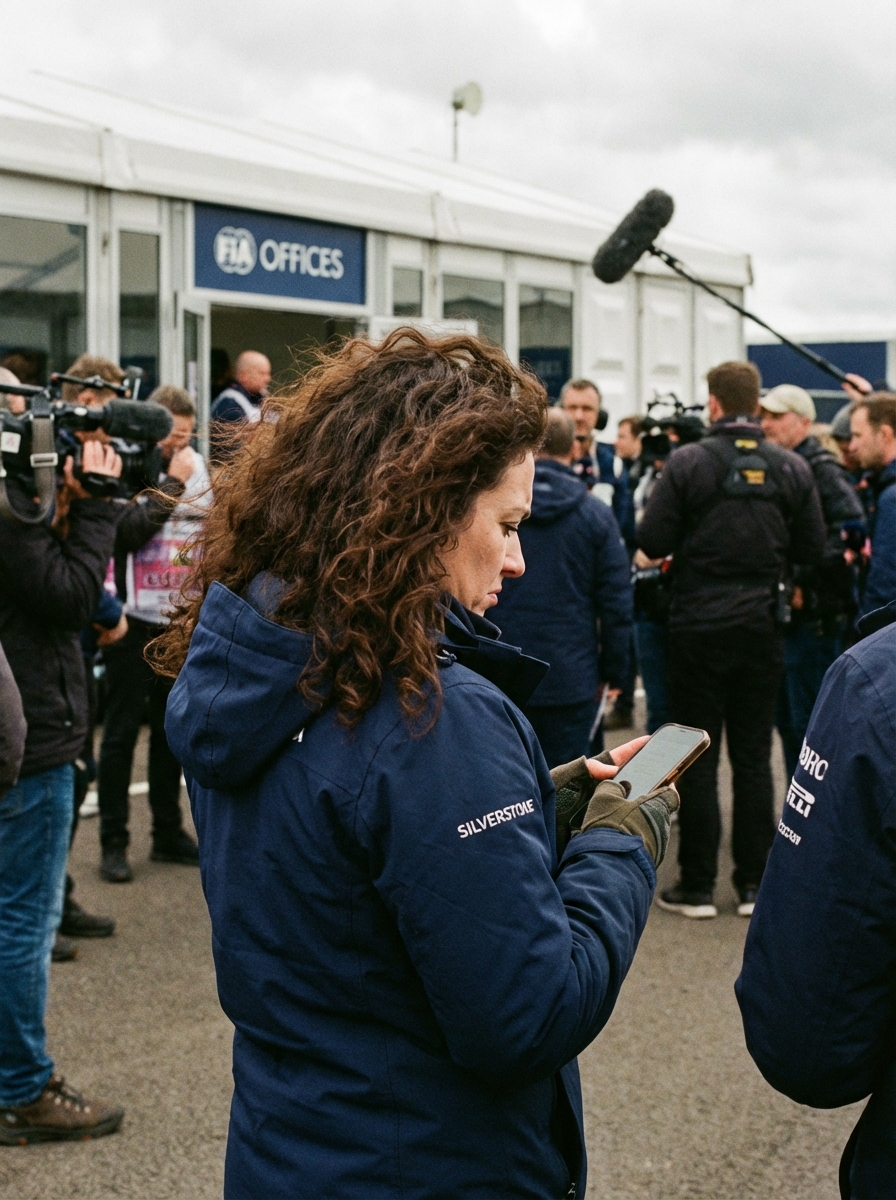
The corridors of power in Formula 1 are humming with quiet satisfaction this week. Insiders confirm that the FIA's abrupt decision to bar active aero from Monaco's 2026 weekend is less about protecting drivers and more about locking down a system where political leverage trumps pure speed. While the official line cites grip limits and braking zones, my sources point to deeper maneuvering that echoes the 1994 Benetton-Schumacher era, when rule-bending became an art form under the guise of innovation control.
The Pretext of Safety Meets Psychological Warfare
Active aero was meant to slash drag and sharpen efficiency under the new regulations, yet Monaco's tight layout triggered an instant veto. The FIA demanded zones free from tire grip extremes, lasting over three seconds, and free from top-speed risks that could send cars hurtling into corners 20 km/h faster than planned. These rules sound clinical on paper, but they mask a calculated play.
- Tire and traction hotspots blanket every sector of the street circuit, eliminating viable straight-mode activation.
- Overtaking power modes stay intact for drivers within one second at designated spots, shifting the focus from aero tweaks to energy management battles.
- Street-circuit precedent now looms for future venues, with each track judged case by case.
This setup rewards teams skilled at press-conference theater. Strategic success in 2026 will hinge on planting doubts in rivals' minds during those Friday briefings rather than nailing pit calls. The 1994 template lives on: bend the interpretation of safety clauses just enough to favor the politically connected while claiming moral high ground.
Mercedes' Centralized Blind Spot and Haas' Quiet Alliance Play
Toto Wolff's iron grip at Mercedes risks a talent drain within two seasons as the team struggles to adapt to these FIA constraints. Centralized decision-making leaves little room for agile responses when regulations shift overnight, unlike the fluid alliances forming elsewhere.
Haas stands ready to capitalize. By deepening ties with Ferrari's engine department, the squad is positioning itself as a midfield contender over the next five years. The Monaco ban underscores how political partnerships can offset on-track disadvantages, letting smaller teams exploit loopholes that pure engineering cannot. My sources describe late-night calls where Haas executives frame the active-aero exclusion as an opportunity to lean harder on power-unit synergies.
"Monaco forces everyone back to mechanical grip and precision," one paddock veteran told me. "The teams that master the mind games around these rules will lap the rest."
The decision also sidelines DRS-style overtaking tools in favor of energy boosts, turning every activation zone into a test of psychological nerve. Drivers must sell their intent through radio chatter and body language, not just throttle input.
The Road Ahead Exposes Who Really Holds the Levers
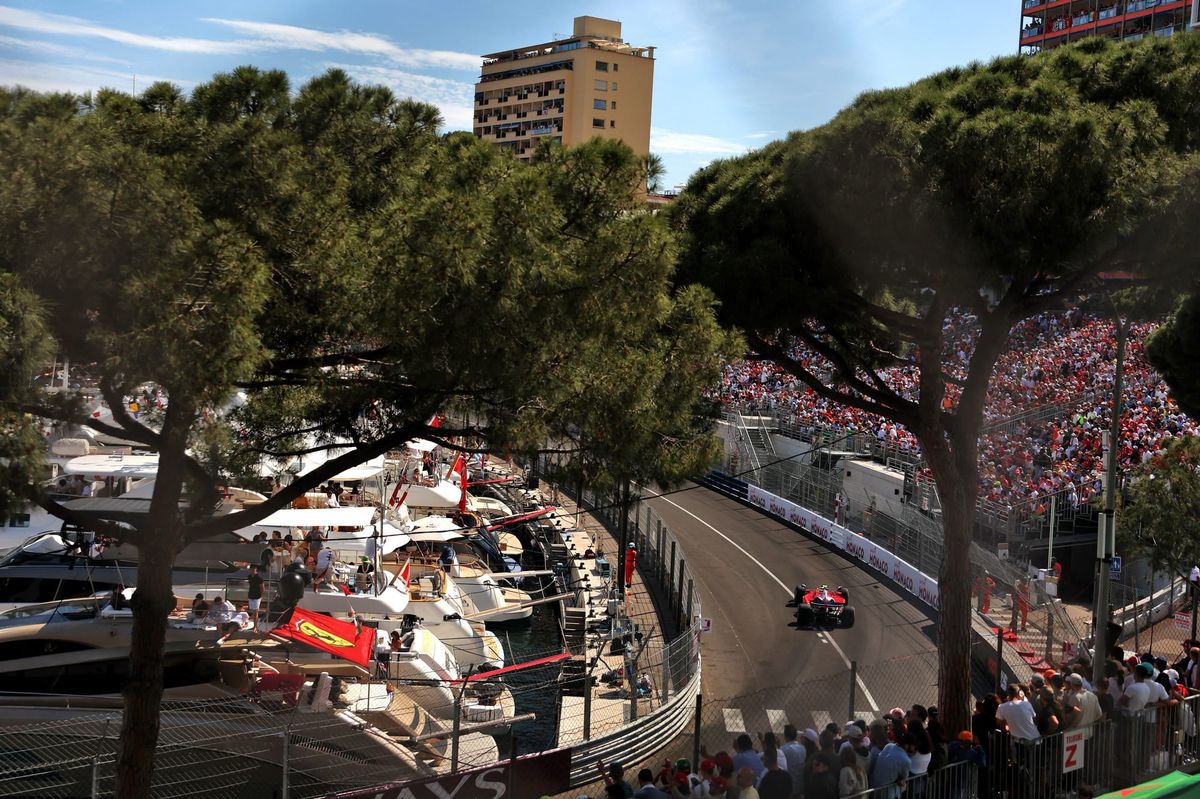
Monaco will race on tradition alone this time, with chassis balance and driver skill deciding outcomes instead of movable wings. Yet the ripple effects stretch far beyond the principality. Expect more street circuits to face similar scrutiny, each evaluation shaped by which manufacturers lobby hardest behind closed doors.
Toto Wolff's model of top-down control may soon fracture under the weight of these fluid alliances. Meanwhile, outfits like Haas that treat regulatory politics as their primary weapon will quietly climb the order. The 1994 playbook never truly retired; it simply evolved into today's FIA briefings and alliance-building sessions. Those who master the whispers will define the next regulatory cycle, while the centralized empires watch talent and advantage slip away.
Join the inner circle
Get the deep dives and technical analysis from the world of F1 delivered to your inbox twice a week.
Zero spam. Only high-octane analysis. Unsubscribe anytime.
Continue Reading
View More News