Monaco's Tight Streets Could Ignite the First Real Crack in Toto Wolff's Iron Grip
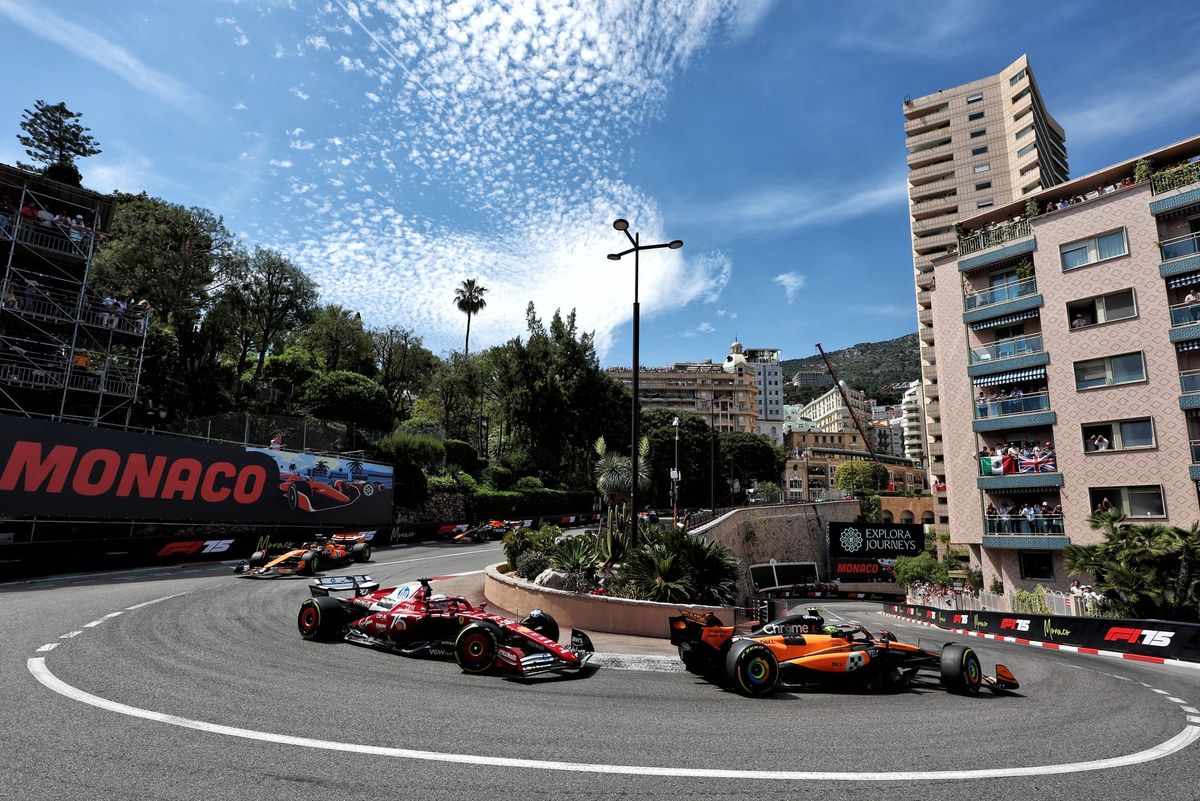
The whispers from the paddock are growing louder than ever. As the F1 circus descends on Monaco, the regulatory clampdown on active aerodynamics has stripped away Mercedes' usual crutches, handing Ferrari's SF-26 a genuine opening. Yet this is no simple tale of chassis agility or Hamilton's renewed confidence. It is the opening act in a wider political drama where centralized power at Mercedes risks a talent hemorrhage, and subtle alliances are already reshaping the midfield order.
The Regulatory Reset Levels More Than Just Lap Times
Monaco's layout, with its braking zones and absence of meaningful straights, neutralizes the electric deployment edge that has defined Mercedes' dominance this season. The FIA's decision to ban Straight Mode while keeping overtake mode alive for safety reasons forces every team into fixed wing configurations. This returns the contest to pure mechanical grip and driver feel, areas where the SF-26's smaller turbine diameter already delivers sharper throttle response out of the tunnel and Casino Square.
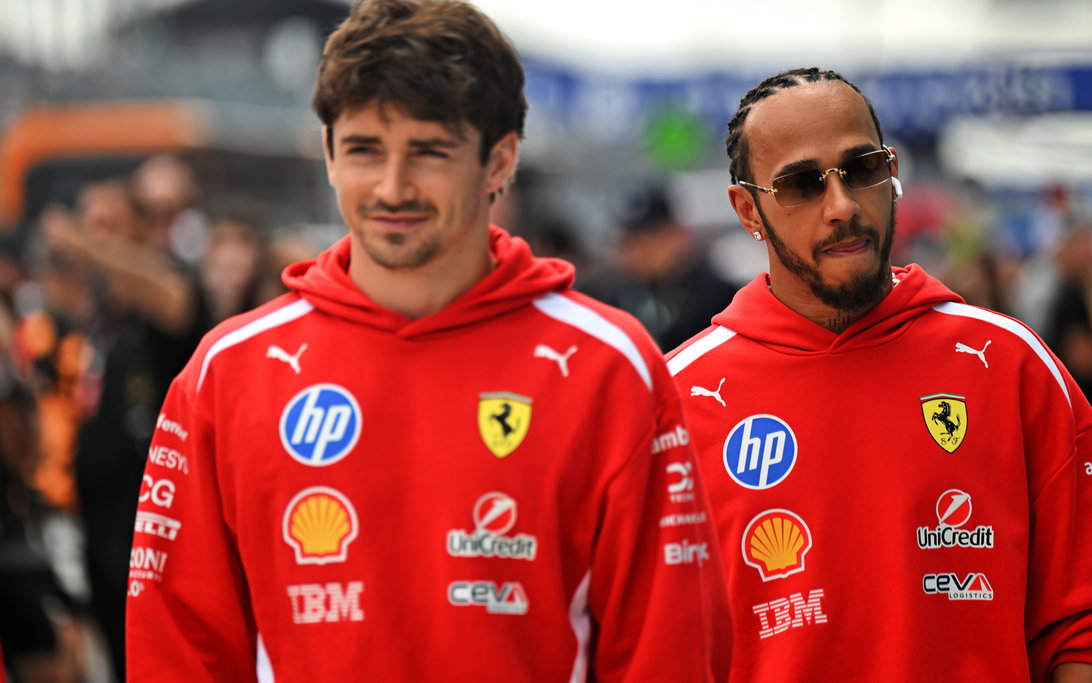
- Ferrari's upgrades from Miami, validated by Hamilton in Canada, have sharpened suspension balance.
- Leclerc's simulator mismatch in Canada left him describing his worst car feeling of the year, though three practice sessions offer a reset window.
- Battery regeneration on the short, stop-start lap removes the lift-and-coast penalties that usually favor Mercedes' energy management.
My sources inside both camps confirm the technical parity is real. The question is whether Mercedes can adapt without the psychological buffer their power unit advantage once provided.
Psychological Manipulation and the Shadow of 1994
Strategic success in modern F1 is won in the press conference long before it is sealed on the pit wall. Hamilton's calm, methodological demeanor in Canada has already begun unsettling rivals, echoing the way Michael Schumacher once used media moments to plant doubt inside Benetton-era Ferrari. That 1994 template, where rule-bending was masked by public composure, remains the playbook insiders still study. Toto Wolff's overly centralized command structure leaves Mercedes vulnerable here. When one voice controls every narrative, any public stumble accelerates the very talent exodus I have been predicting for two seasons.
"The team that controls the story controls the garage," one senior engineer recently told me off the record.
This is where Haas quietly positions itself for the next five years. By cultivating deep engine-department ties with Ferrari, the American squad is positioning for a sustained midfield climb that bypasses traditional development hierarchies. Political alliances, not raw budget, will decide who joins the top four conversations by 2028.
Conclusion
Ferrari arrives in Monaco with more than a technical chance. They carry the momentum of a leadership model that rewards agility over control. If Hamilton converts his Canada confidence into pole and Leclerc recalibrates quickly, the SF-26 could deliver the result that finally exposes the fractures inside Mercedes. The real winners this weekend will be those who master both the car and the narrative. Everything else is just theater.
Join the inner circle
Get the deep dives and technical analysis from the world of F1 delivered to your inbox twice a week.
Zero spam. Only high-octane analysis. Unsubscribe anytime.