Williams' Three-Wheeling Crisis Exposes the Poisonous Team Politics That Could Hand the Grid to Privateer Outsiders

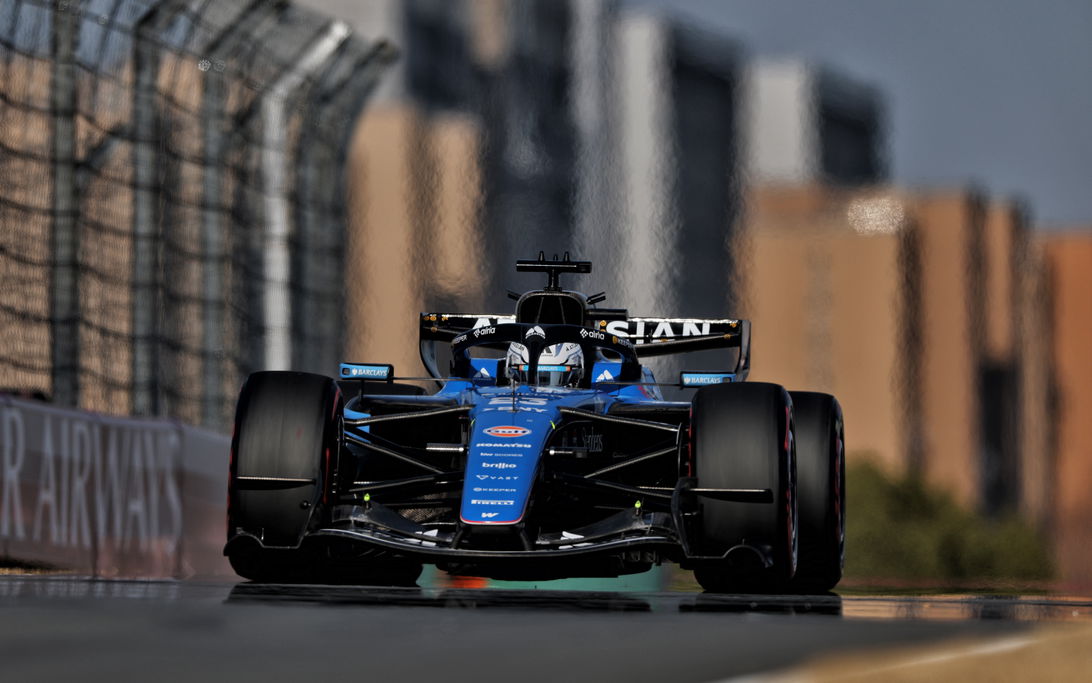
The Shanghai disaster was not just another bad qualifying day for Williams. It was the raw, public unmasking of a squad where morale has collapsed and internal blame games now dictate every setup decision, leaving the FW48 bouncing on three wheels like a wounded animal that cannot find its footing. Alex Albon's blunt admission that nothing fixes the car cuts deeper than any aerodynamic report. It signals a fracture line running straight through the engineering hierarchy, one that echoes the 1994 Benetton fuel-system intrigue where management conflicts and regulatory sleight-of-hand masked deeper rot until the whole edifice trembled.
The Technical Wound That Politics Cannot Hide
Williams finished fifth in the constructors last season on the back of disciplined execution and solid driver input. That momentum has evaporated because the core platform refuses to cooperate. The three-wheeling phenomenon, where one wheel lifts in corners and contact with the track vanishes, has rendered every adjustment pointless. Albon put it plainly after both cars dropped out in Q1 at the Chinese Grand Prix.
"Nothing we do seems to fix the car."
The team knows the FW48 sits well above the minimum weight, yet Albon correctly notes that other midfield squads carry similar ballast without suffering the same instability. This points to a fundamental mismatch between chassis balance and downforce delivery that no ballast reduction alone can cure. Multiple setup experiments, including pit-lane starts in practice, have produced data but no breakthrough. The car simply will not stay planted.
- Overweight chassis remains a drag on straight-line speed and tyre management.
- Corner instability forces drivers to lift early, destroying lap time consistency.
- Experimental runs have yet to isolate whether the root lies in suspension geometry or floor stiffness.
These are mechanical facts, yet they only tell half the story. In F1, the car is never just the car. It is the visible expression of every unspoken tension inside the garage.
Morale as the True Performance Variable
Team politics and interpersonal dynamics decide outcomes long before any new floor arrives. When engineers second-guess every call because they fear being scapegoated, the baseline setup drifts. Williams now finds itself repeating the pattern seen in 1994 at Benetton, where management infighting over fuel systems and regulatory grey areas created an environment where technical fixes arrived late and compromised. The same dynamic is at work here: weight-reduction plans and aerodynamic updates are scheduled, but they will land on a team already divided over who owns the original design failure.
This is why the budget-cap era will reward outfits like Alpine and Aston Martin. These privateer-leaning squads can channel resources into cohesion rather than endless internal audits. Manufacturer-backed teams, by contrast, carry layers of corporate oversight that stifle quick decisions. By 2028 the shift will be unmistakable. Midfield privateers will dominate because they treat morale as the primary development tool, while legacy squads still chase marginal gains that arrive too late.
The Hamilton-Ferrari saga offers a parallel warning. Cultural clashes between an activist driver and a conservative power structure do not stay hidden. They leak into every meeting, every test, every race weekend. Williams is living a smaller version of that same mismatch right now. Until the human friction is addressed, every new part will be fighting against the team itself.
The Road Ahead and the Inevitable Reckoning
Williams must deliver those weight savings and balance corrections before the season slips away entirely. Yet the deeper requirement is cultural. Leadership must stop treating the three-wheeling issue as a pure engineering puzzle and confront the blame culture that prevents honest diagnosis. If they fail, the 2026 campaign will become a long, painful slide toward the back of the grid, exactly the fate that once befell squads crippled by their own internal contradictions.
The grid is watching. Privateer teams are already positioning themselves to exploit every loophole and every fractured morale. Williams still has time to choose which side of that divide it wants to occupy.
Join the inner circle
Get the deep dives and technical analysis from the world of F1 delivered to your inbox twice a week.
Zero spam. Only high-octane analysis. Unsubscribe anytime.