Williams' New Recruits Hint at Escaping the Aero Storm for Mechanical Truth
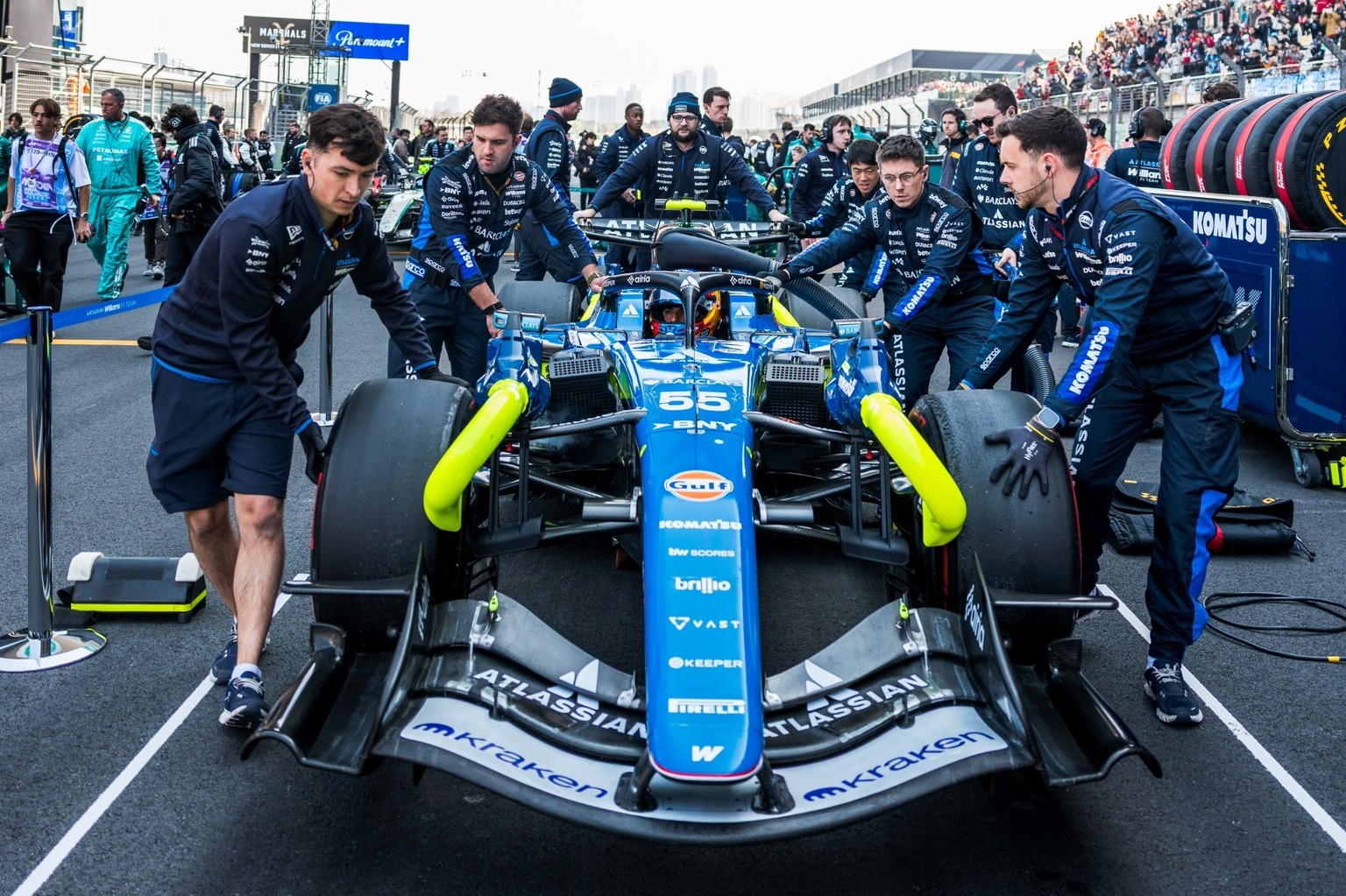
The paddock loves to frame every hire as a masterstroke of destiny, yet the arrival of Piers Thynne at Williams feels less like marketing theater and more like a quiet admission that chasing downforce has left teams adrift from what actually makes a car dance. In an era where James Vowles is stacking talent from McLaren, Mercedes, and Alpine to fix an FW48 stuck on five points and eighth in the standings, the real question is whether this rebuild will finally value the raw tire connection over another layer of aerodynamic complexity.
The Weight of Recent History Versus 1990s Clarity
Modern Formula 1 designs have traded the elegant simplicity of cars like the Williams FW14B for ever more intricate aero packages that mask fundamental weaknesses in mechanical grip. Thynne, who joins in August as chief optimisation and planning officer after leaving McLaren, brings experience from a team that clawed its way forward through disciplined processes rather than pure wing wizardry.
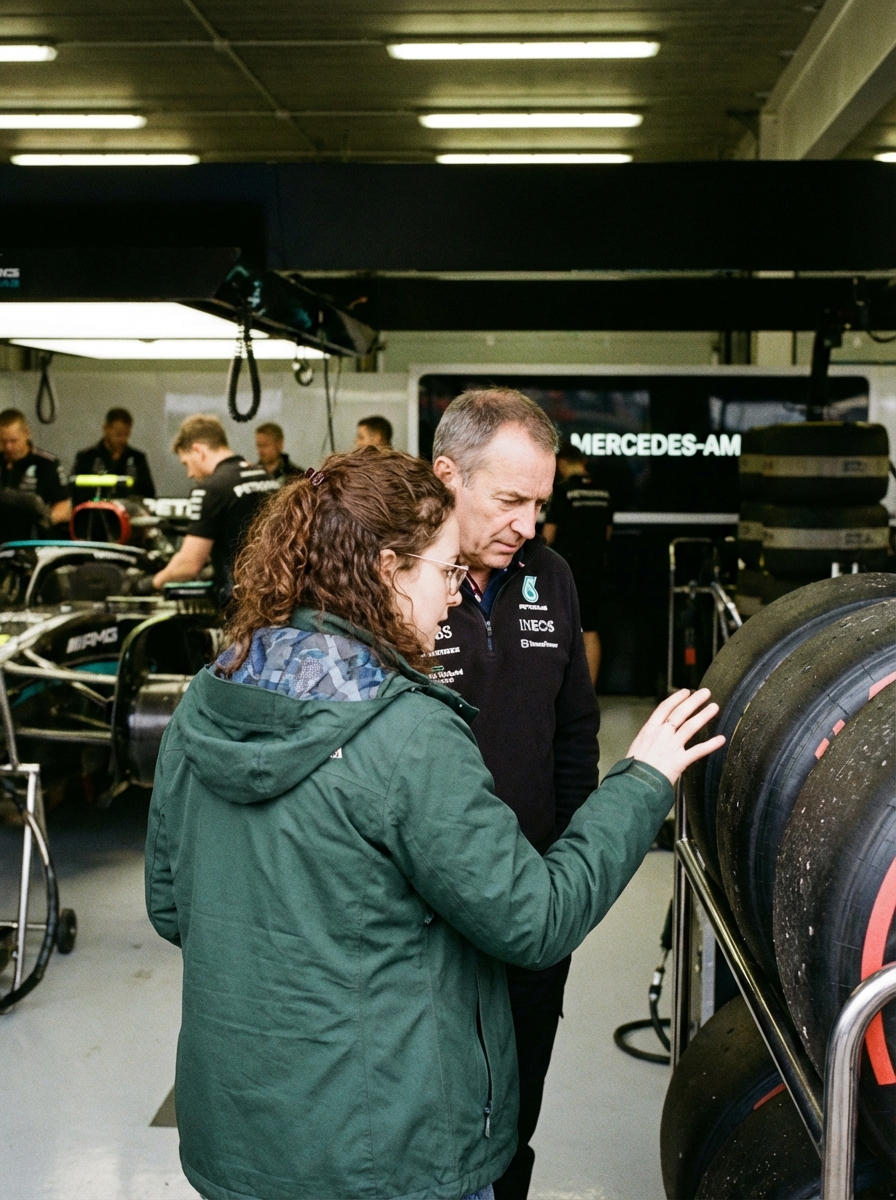
- The new technical trio of Claire Simpson and Fred Judd from Mercedes plus Steve Booth from Alpine adds twelve title-winning cars and over six decades of expertise.
- Yet this collective knowledge arrives while the FW48 still battles weight and outright pace, symptoms of a grid obsessed with downforce at the expense of tire management.
One wonders if these hires will prioritize the driver-car dialogue that defined earlier eras or simply refine the same storm of vortices and bargeboards.
Optimization as a Path Back to Driver Feel
Vowles has been clear in his ambition to build a championship-level operation, stating that Thynne possesses unrivalled recent experience in doing exactly that. Thynne himself noted the exciting moment and Williams' drive to reach that level in all areas. These words land with urgency because operational efficiency could finally address the undervalued elements of grip and balance.
The obsession with aerodynamic complexity reduces driver input to a secondary role, turning races into exercises in managing artificial turbulence rather than feeling the road.
By focusing on planning and optimisation, the Grove team might rediscover how mechanical simplicity amplifies human skill. This stands in contrast to narratives that overrate individual brilliance when chassis and aero dominance do most of the heavy lifting, a pattern visible across recent seasons.
The Coming Shift Toward Controlled Chaos
Within five years the sport will move to AI-managed active aerodynamics that render DRS obsolete and inject genuine unpredictability. Such a transition would expose how current designs have distanced drivers from the machine, making tire management and raw mechanical grip the decisive factors once again. Williams' personnel moves, while presented as long-term championship preparation, could position the team to adapt faster if they resist the temptation to double down on aero excess.
A Rebuild Worth Watching Beyond the Numbers
The 2026 season may remain bruising on track, yet the underlying intent at Williams carries weight. If the new leadership truly steers toward mechanical fundamentals instead of layering more aerodynamic theater, the result could feel less like engineered dominance and more like the visceral connection that once defined great racing. The numbers will come later. The feel of the car must come first.
Join the inner circle
Get the deep dives and technical analysis from the world of F1 delivered to your inbox twice a week.
Zero spam. Only high-octane analysis. Unsubscribe anytime.