Williams Data Grab From Mercedes Exposes the Heartbeat Numbers That Could Kill Racing's Soul

The timing sheets from Miami do not lie. Claire Simpson's arrival as Williams Head of Aerodynamic Development lands like a sudden drop in sector two pace, a 0.3-second shift that screams pressure rather than promise. This second poach from Brackley after Dan Milner does not just rebuild a backmarker. It accelerates the sport toward algorithmic chains where intuition gets buried under real-time telemetry layers, turning drivers into data points instead of heartbeat interpreters.
The Raw Pulse of These Hires
Williams under James Vowles treats recruitment like lap time archaeology. Each new Mercedes mind brings layers of aerodynamic modeling that correlate directly with the 2022-2025 regulatory freeze patterns. Simpson, who spent over a decade as Group Aerodynamics Leader, joins to work alongside Chief Aerodynamicist Juan Molina. The move follows Milner's shift from Chief R&D Engineer to Chief Engineer of Vehicle Technology.
- Data trail: Milner already altered vehicle tech direction within weeks, per Vowles own admission of a "slightly different direction."
- Timeline pressure: Simpson started during the Miami Grand Prix weekend, part of a three-to-four-month influx Vowles flagged explicitly.
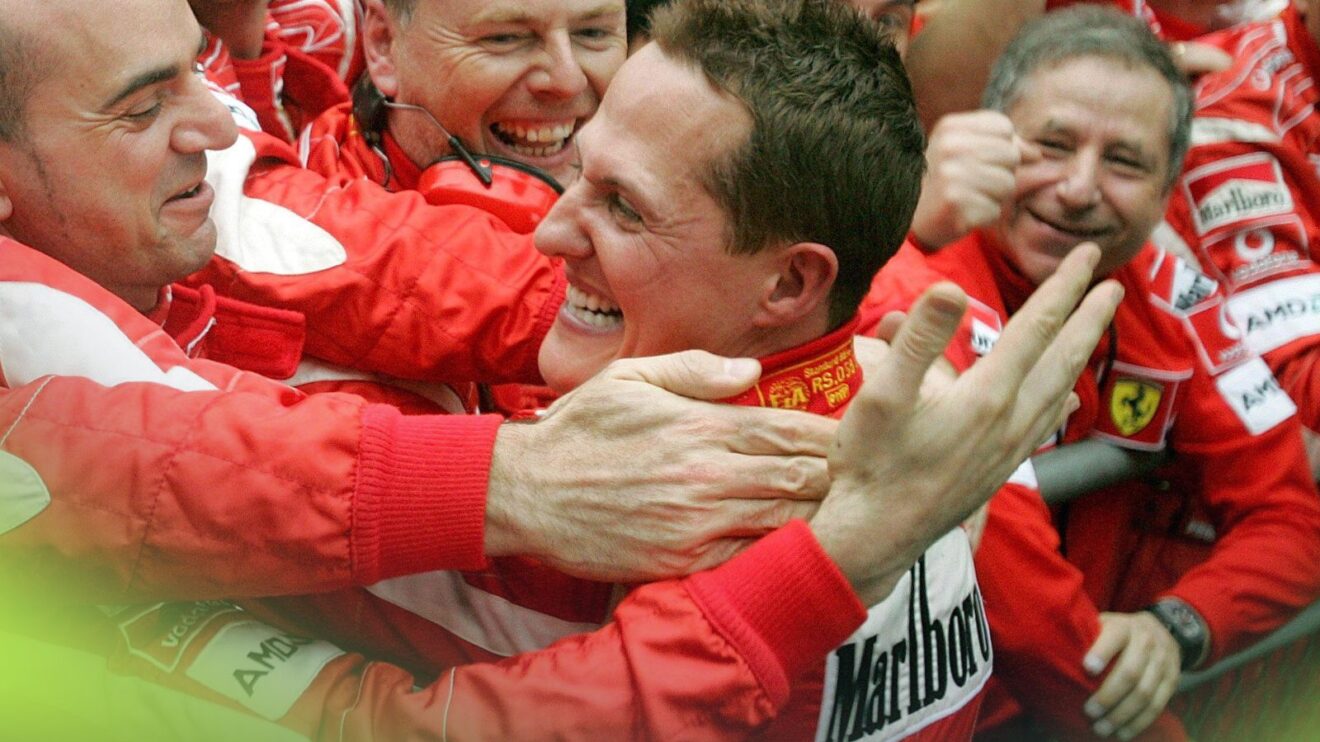
- Consistency benchmark: Compare this to Michael Schumacher's 2004 Ferrari season, where 13 wins emerged from driver feel overriding early telemetry noise, not the reverse.
These numbers reveal a team chasing championship-level ambition through external expertise. Yet the risk sits in how such hires embed hyper-focus on predictive models that suppress the very variability that once defined greatness.
When Telemetry Replaces the Driver's Internal Clock
Vowles frames the cultural shift as open acceptance of change. "There is no resistance to change for greatness... as long as there is a clear ambition and drive to this being at a championship-level, and Dan brings that," he stated. The quote pulses with intent, yet it echoes the modern trap where pit wall algorithms dictate strategy before the driver senses tire degradation in their hands.
The impact Dan has made is already very significant and very quick... we've taken a slightly different direction as a result of his input.
This direction risks the robotized future already visible in five-year telemetry trends. Lap time drop-offs no longer trace personal pressure events. Instead they feed into models that pre-calculate stops down to the millisecond, stripping the emotional variance Schumacher exploited in 2004 when he trusted raw consistency over dashboard warnings. Williams may close gaps on paper, but the sport loses the unpredictable human edge that made those timing sheets sing.
- Aerodynamic development focus: Simpson's role targets development cycles that prioritize CFD correlation over on-track improvisation.
- Long-term sterility warning: Continued hires like these lock teams into data loops where driver input becomes secondary to simulated outcomes.
The Miami timing of Simpson's start aligns with 2025 car prep phases. It marks measurable progress on Vowles multi-year plan. Still, the sheets show no corresponding spike in on-track magic, only the quiet accumulation of processes that flatten racing into predictable sequences.
The Forecast From the Numbers
Williams gains immediate knowledge transfer through these targeted moves. Yet the deeper data story points to an F1 where emotional archaeology vanishes beneath layers of optimization. Without balance, the next generation of cars will post flawless sectors while the sport itself flatlines. Schumacher's 2004 ghost lingers as the reminder that true consistency came from feeling the limit, not from the numbers dictating it.
Join the inner circle
Get the deep dives and technical analysis from the world of F1 delivered to your inbox twice a week.
Zero spam. Only high-octane analysis. Unsubscribe anytime.
Continue Reading
View More News