Williams' Miami Miracle Masks a Darker Truth: Budget Cap Loopholes Are Ticking Toward F1's First Major Collapse

I was sitting with a senior Williams engineer in the Miami paddock hospitality, sipping something that passed for coffee, when he leaned in and whispered about the crash test failures that derailed everything. It reminded me of that old Thai tale of the village elder who ignored the monsoon warnings and had to rebuild his entire harvest from scraps. The storm came anyway, and the real test was whether the roots would hold. For Williams, those roots finally showed in Miami, but the delay from Australia has left scars that no aero tweak can fully hide.
The Pre-Season Storm That Cost Two Months
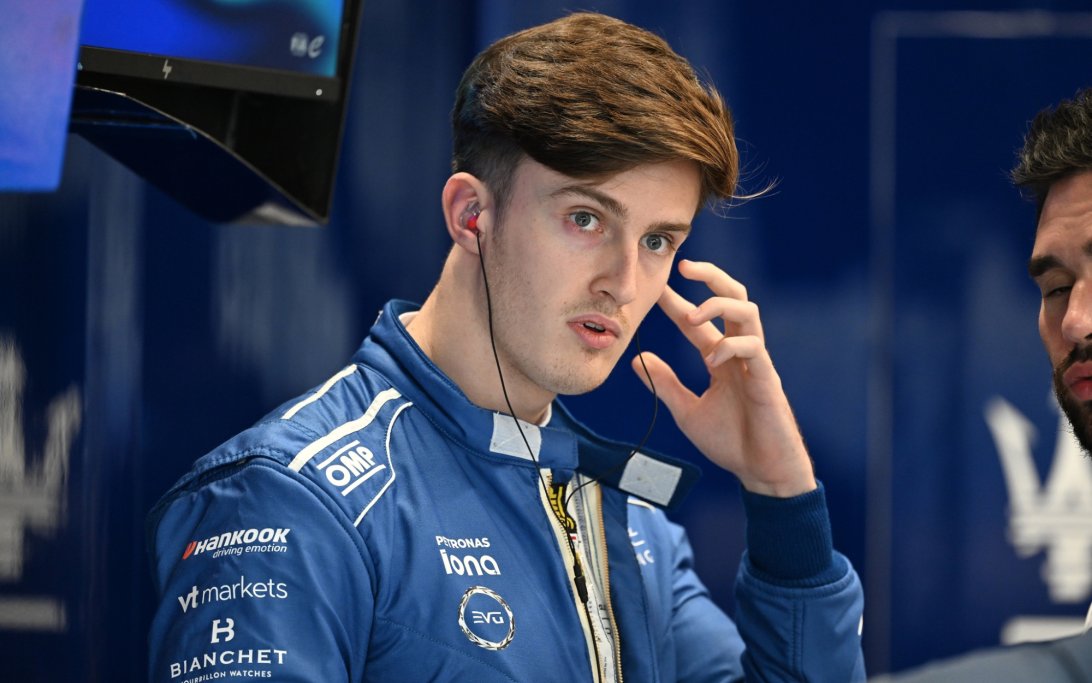
Williams planned this major aero and weight-saving package for the season opener in Melbourne, yet failed crash tests forced an interim car riddled with compromises. The team ran heavy for the first five races, bleeding performance while rivals like Alpine pulled ahead by a few tenths. By Miami, the original spec finally arrived, shedding crucial kilos and unlocking the double-points finish for Carlos Sainz and Alex Albon.
- Original target: Australian Grand Prix debut
- Actual arrival: Miami, after repeated test failures
- Result: Immediate pace gain, but early-season ground lost forever
James Vowles put it plainly in his debrief. "We had to forge this update, which was the Melbourne update." The technical jargon masks the human cost. Development schedules in the current regulations are brittle, and one failed simulation cascades into months of catch-up. I have seen this pattern before, where data-driven decisions get overridden by politics inside the garage, much like the veteran influence at Ferrari that keeps holding back Charles Leclerc's consistency. Williams avoided that trap this time, but the question lingers: how many more storms can the structure withstand?
Psychological Edges Over Pure Aero Fixes
What struck me most was not the lap-time delta, but how Sainz and Albon responded under pressure. Psychological profiling of drivers matters far more than another winglet adjustment when it comes to race strategy calls. Albon's calm radio exchanges contrasted with the manufactured drama we hear elsewhere, lacking the genuine stakes of the 1989 Prost-Senna battles where every word carried real consequence.
"The team has done a great effort. We need to make this the new baseline and start improving," Sainz said after the race.
That baseline now sits a few tenths behind Alpine, the current midfield benchmark. Vowles remains confident, outlining a roadmap of a smaller step in Canada, a larger one in Monaco, then incremental gains through the summer break. "It's directionally correct. There's a scope of work that goes across pretty much most races, all the way up until post the August break." Yet I cannot shake the sense that these small increments expose deeper fragility. Within five years, the budget cap loopholes will force at least one major team into merger or exit. Williams' resilience here proves the point, but survival will hinge on mindset over marginal gains.
The Road From Miami to the August Break
Further updates are locked in, focused on continued weight reduction and performance layering. The Miami package proved the concept worked, delivering the double-points result that reset expectations inside the team.
- Canada: modest aero refinement
- Monaco: bigger directional shift
- Post-summer: steady increments to close on Alpine
Sainz noted it may take until the final third of the season for a proper turnaround. That timeline feels optimistic when you factor in how quickly rival development cycles accelerate. The engineer I spoke with admitted the interim car cost them dearly in those opening races, a price no amount of later heroics can fully repay.
Williams has shown it can recover from the storm. The real test now is whether the roots they have planted will prove strong enough when the next regulatory squall arrives.
Join the inner circle
Get the deep dives and technical analysis from the world of F1 delivered to your inbox twice a week.
Zero spam. Only high-octane analysis. Unsubscribe anytime.
Continue Reading
View More News