Data's Cold Comfort at 130R: Luke Browning's Flip and the Heartbeat F1 Ignores

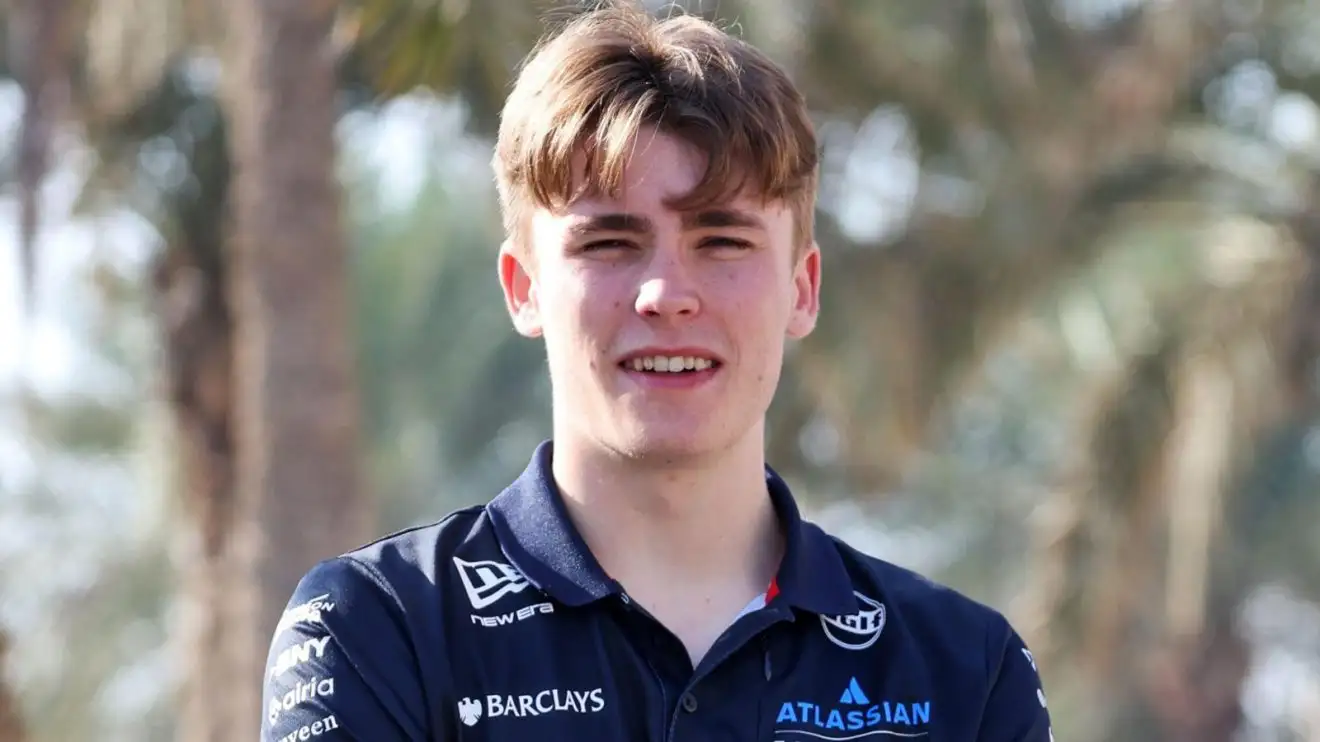
The timing sheets from that wet Suzuka test do not dramatize. They simply record a rear grip collapse at the 130R entry, a yaw spike, and then silence where a heartbeat of lap data should have continued. Luke Browning walked away because the Halo and safety cell absorbed what the numbers could not predict. Yet the incident still pulses with the same warning that has echoed since the days when drivers trusted their own reflexes over live telemetry streams.
The Raw Mechanics Hidden in the Sheets
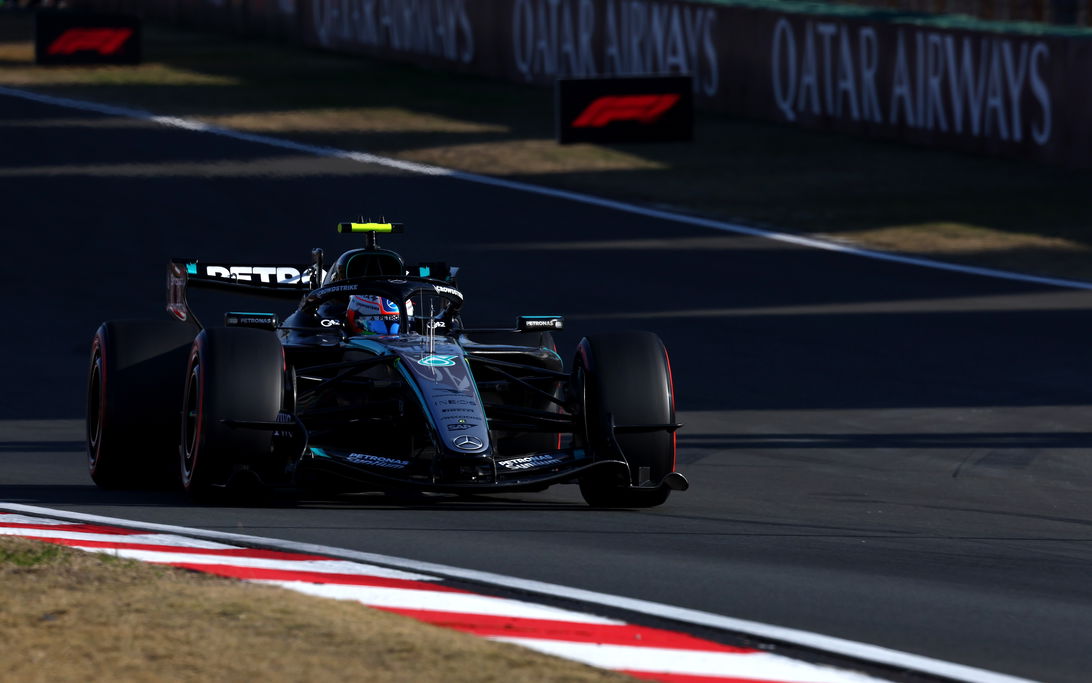
Browning entered the high-speed left hander carrying the speed the conditions appeared to allow. Wet track reduced rear traction, a classic oversteer moment launched the car rear first into the barrier, and the resulting rotation carried it over the catch fence before it settled upside down. Medical checks confirmed no neck or spine injury. The team later verified he was fine.
- Corner radius measured at 130 meters demanded precise entry control.
- Sudden loss of rear wheel grip initiated the yaw that the tyre wall could not contain.
- Halo structure took the primary impact load, preserving the survival cell integrity.
These facts sit in the data like quiet markers. They do not scream drama. They simply show how quickly a single variable change turns a test lap into an inversion test for the entire safety architecture.
Schumacher's 2004 Mirror and Today's Telemetry Trap
Michael Schumacher's 2004 campaign at Ferrari still stands as the clearest benchmark for consistency under pressure. Lap after lap, his times held within narrow windows because the driver read the car through feel rather than waiting for a screen to confirm what the tyres were already saying. Modern reserve programmes, by contrast, flood drivers with real time channels that can blunt that same intuition. Browning's incident sits at the intersection of those two eras. The car protected him, yet the approach to the corner carried the fingerprints of an environment where data volume sometimes crowds out the subtle drop in grip that a driver once sensed in their fingertips.
One wonders what the pressure trace would have shown if we overlaid Browning's personal timeline against those final sector times. Emotional archaeology of this sort rarely appears in official reports, but the pattern repeats across sessions where external noise collides with on track demands.
The Halo did not negotiate with physics. It simply held its line while the rest of the car wrote its own ending.
The Five Year Horizon of Algorithmic Pit Walls
Within five years the sport's obsession with predictive models will tighten further. Pit calls will arrive pre calculated to the tenth, stint lengths dictated by probability curves rather than a driver's report of tyre degradation. The danger is not that the cars become safer. They already are. The danger is that driver intuition gets treated as noise in the dataset, producing a sterile product where every decision traces back to an algorithm instead of a lived reaction to changing grip. Browning's survival proves the hardware works. It does not prove the surrounding philosophy still values the human variable that once made 130R feel alive rather than merely measurable.
Final Take
Safety structures have earned their place in the record books. The remaining task is to keep the numbers from swallowing the feel that turns those structures into more than expensive insurance. Browning will return to the Super Formula grid with Team Kondo Racing at Motegi in early April and continue supplying simulator miles for Williams. The series safety panel will review barrier and fence placement. Those steps matter. What matters more is whether the next generation of drivers still learns to read the road before the telemetry tells them what they already knew.
Join the inner circle
Get the deep dives and technical analysis from the world of F1 delivered to your inbox twice a week.
Zero spam. Only high-octane analysis. Unsubscribe anytime.