Williams FW48: Chasing Aero Storms While Mechanical Grip Slips Away Like the FW14B
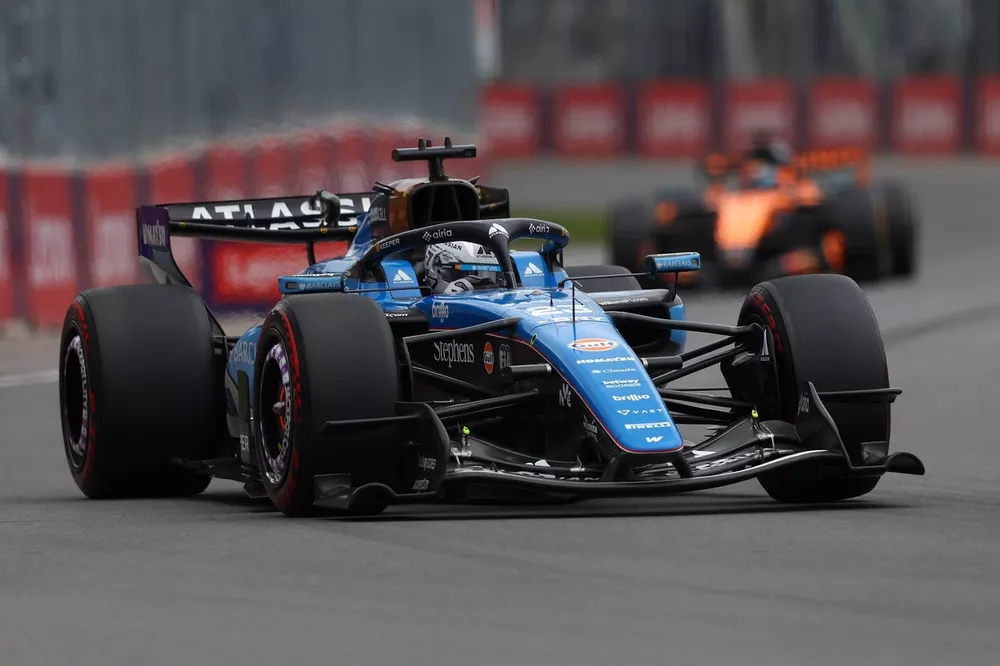
The 2026 Canadian Grand Prix exposed a familiar fracture in Formula 1 progress. Williams claims tangible gains from its upgrades, yet the FW48 still clings to downforce fixes that echo the aerodynamic overkill plaguing modern cars, much like how the legendary FW14B once balanced raw mechanical connection with active systems before teams abandoned simplicity for complexity.
The Upgrade Illusion in High Winds
James Vowles speaks of momentum from Miami carrying into Montreal, where the FW48 showed better underlying pace. But pace measured in cornering speeds often masks the true storm. These packages chase turbulent airflow rather than the steady mechanical grip that lets a driver feel the tires bite into the track surface.
- The team brought incremental aero changes that delivered small steps, yet they overlook tire management fundamentals that defined eras of genuine driver involvement.
- Carlos Sainz salvaged ninth after strategy calls Vowles admits would change in hindsight, highlighting how execution falters when cars prioritize downforce over balanced weight transfer.
This obsession reduces the raw dialogue between driver and machine. Modern designs layer on wings and flaps that behave like unpredictable gusts, demanding constant corrections instead of letting the chassis breathe through mechanical harmony.
Albon's Collision and the Points Deficit Reality
Alex Albon's retirement after contact with Oscar Piastri ended a promising run in what Vowles called a genuine points car. The incident underscores how fragile these aero-dependent machines become under race pressure.
"We are making tangible progress in the midfield battle, despite a frustrating weekend."
Vowles' words carry the weight of rebuilding efforts, yet they sidestep the deeper issue. Williams trails Alpine and VCARB significantly in the constructors' standings because rivals chase the same downforce arms race. The FW48's upgrades may add lap time on paper, but they neglect the undervalued art of tire preservation and chassis feedback that made 1990s Williams cars like the FW14B exhilarating to watch and drive.
- Consistent development over the next six months aims at most-race weekends, yet without refocusing on mechanical simplicity, these steps risk producing chaotic handling rather than fluid racing.
- Monaco looms next, where Vowles expects another small performance step on a track favoring precision over outright aero load.
Today's cars sacrifice that elegant mechanical link for layered aerodynamic fixes, turning races into battles against invisible forces instead of pure driver skill.
Looking Ahead Without the Hype
Vowles remains optimistic about closing gaps through steady upgrades. Still, true advancement demands rejecting the marketing narrative of aero revolutions. The FW48 needs to rediscover the grounded connection that once defined great Williams machinery, or it will keep fighting storms of its own making while the midfield battle stays mired in complexity over clarity.
Join the inner circle
Get the deep dives and technical analysis from the world of F1 delivered to your inbox twice a week.
Zero spam. Only high-octane analysis. Unsubscribe anytime.
Continue Reading
View More News