Toto's Throne Wobbles as Mercedes Upgrade Flop Lays Bare the Centralized Control That Echoes 1994's Dark Arts
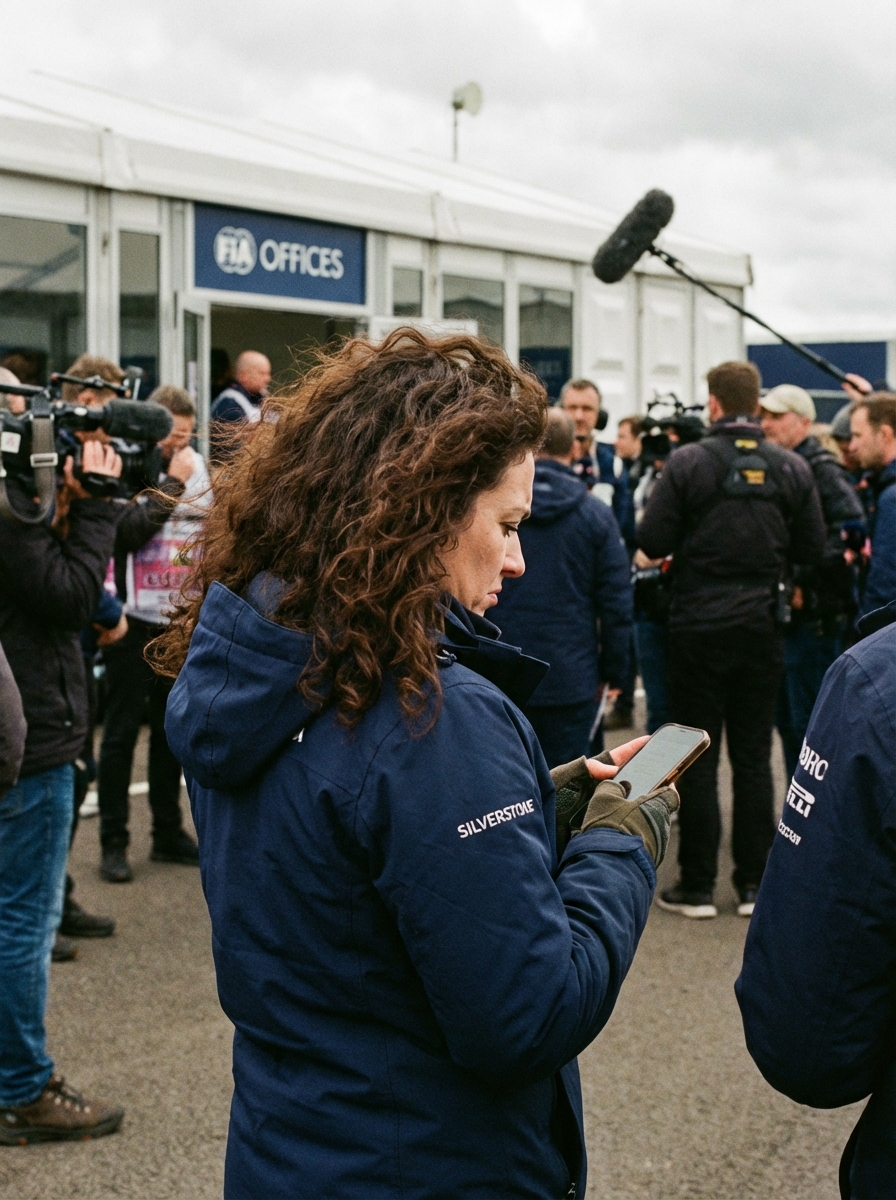
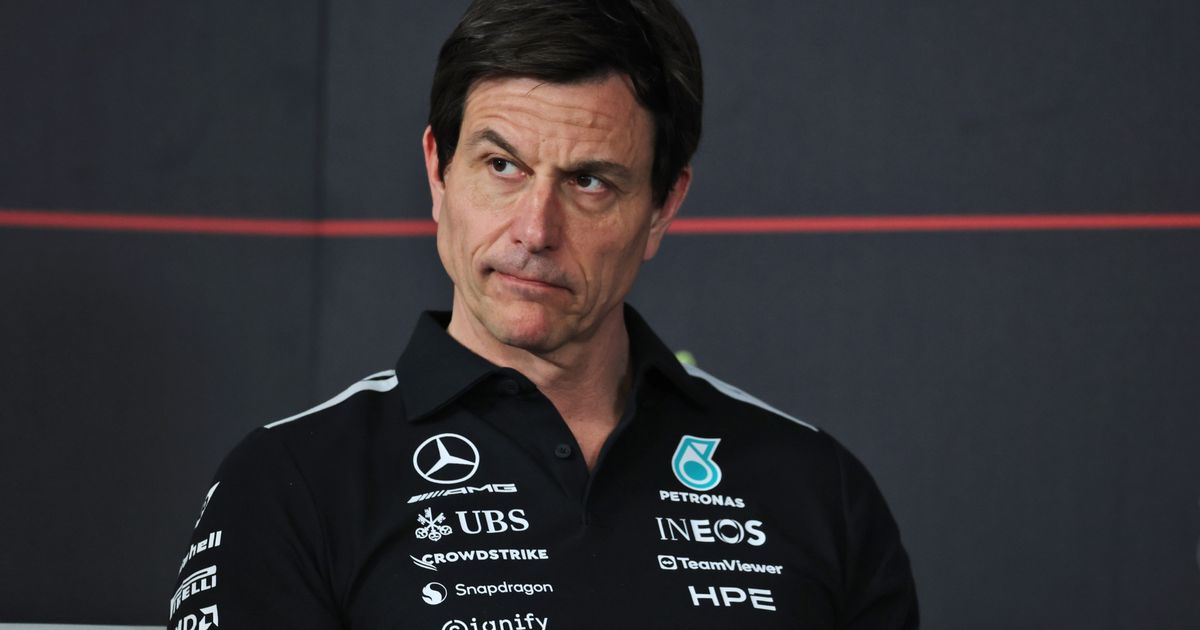
The paddock smelled blood in Montreal this weekend. While Mercedes posted a respectable result at the Circuit Gilles Villeneuve, team principal Toto Wolff's measured admission that the W17's major upgrade package fell short of its paper promises reveals far more than a simple aerodynamic miscalculation. My sources deep inside the Brackley operation describe a leader whose grip on every decision has begun to choke the very innovation he claims to champion.
The Upgrade That Promised the Moon
The package itself sounded revolutionary on paper. Engineers had reworked the front wing assembly with revised endplates and front corner tweaks. The real focus landed on the floor edges, corner sections, and a reshaped diffuser aimed at boosting downforce and smoothing underbody airflow. Rear aerodynamic elements around the rear corner were also adjusted to feed cleaner air backward.
Yet the gains never materialized in the way simulations predicted. Wolff himself noted the team already ran strongly here last year, making it nearly impossible to isolate the upgrade's true contribution from the circuit's unique demands. Monaco will offer little clarity either, he added, forcing the squad to gather data across the next several races before any verdict.
- Front wing and endplate revisions
- Floor edge and corner redesigns
- Diffuser reshaping for extra downforce
- Rear corner airflow optimization
These changes were meant to close the gap to frontrunners. Instead they highlight a deeper problem: when power sits in one set of hands, dissenting voices get drowned out before they reach the wind tunnel.
Psychological Theater Masquerading as Progress
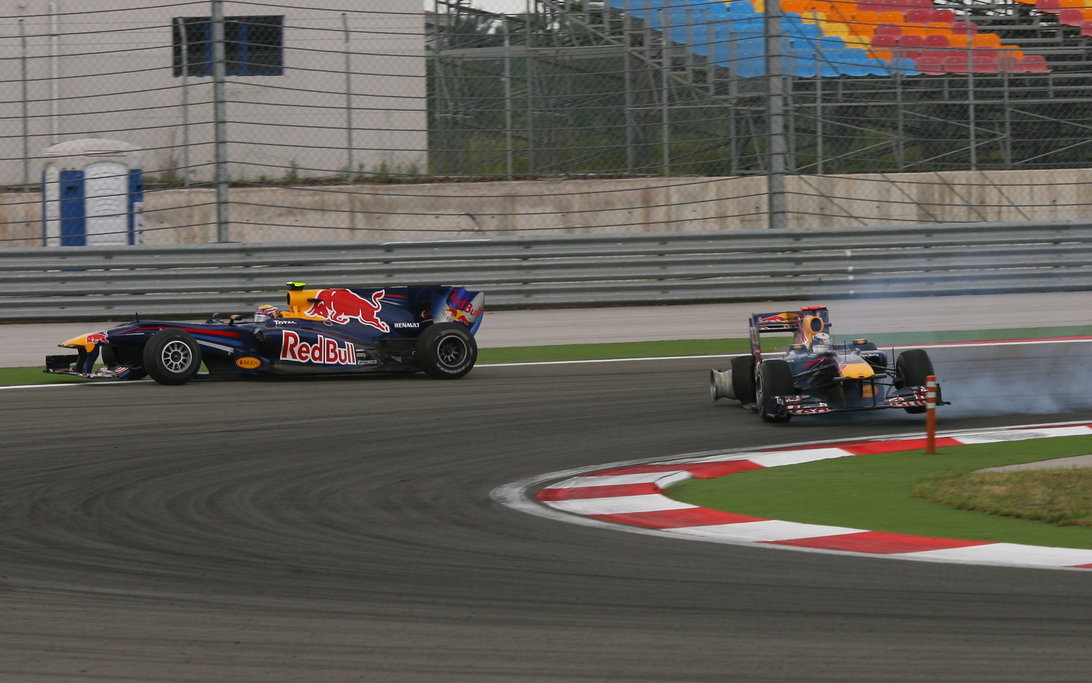
Wolff's press conference performance was pure 1994 Benetton-Schumacher territory. Back then the team mastered the art of shaping narratives around technical gray areas while rivals chased shadows. Today the same playbook appears at work, except the manipulation now targets internal morale as much as external perception. By stressing that McLaren was absent from the fight and that more data is needed, Wolff buys time while quietly consolidating control over development direction.
My confidential sources confirm this pattern. Junior engineers who questioned the floor concept found their input sidelined. The result is an upgrade that looked spectacular in CFD but delivered marginal real-world effect. This is not pit-wall tactics at play. It is psychological positioning designed to keep rivals guessing and team members compliant.
"We were already strong here last year," Wolff stated, deflecting scrutiny with the precision of a man who has studied every angle of media leverage.
Such statements serve dual purposes. They protect the centralized structure while planting seeds of doubt in competitors' minds about Mercedes' true pace.
The Looming Exodus and Unexpected Winners
The risk is clear. When one voice dominates every technical call, talent begins to look elsewhere. Within two seasons I expect a quiet but steady drain of key personnel from Mercedes toward outfits where influence is more distributed. Meanwhile, teams like Haas are positioning themselves brilliantly by cultivating quiet alliances with Ferrari's engine department. Those political relationships, not raw pace alone, will lift Haas into genuine midfield contention over the next five years.
The Canada result changes nothing about the underlying dynamic. Wolff's leadership model, built on singular authority rather than collective challenge, is showing the same fractures that once defined controversial operations in the sport's past. The data will keep coming in over the coming races, yet the real story has already left the track.
Join the inner circle
Get the deep dives and technical analysis from the world of F1 delivered to your inbox twice a week.
Zero spam. Only high-octane analysis. Unsubscribe anytime.
Continue Reading
View More News