McLaren boss highlights 'counter-intuitive' energy flaw in F1 rules
McLaren's Andrea Stella reveals a strange flaw where a driving mistake can save ERS energy and lead to a faster sector time, calling it 'counter-intuitive' and questioning if it fits F1's racing DNA. He says it's now up to the FIA and F1 to assess the feedback and decide on potential fixes.
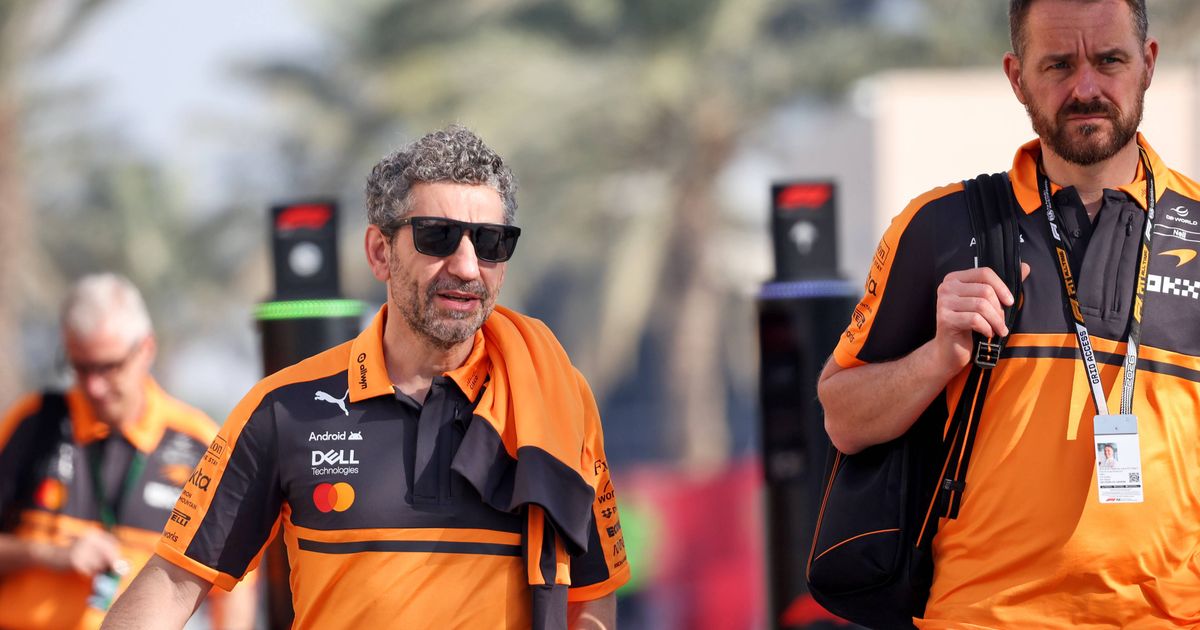
McLaren team principal Andrea Stella has pointed out a bizarre flaw in Formula 1's current technical regulations, where a driver making a mistake can sometimes save energy and lead to a faster overall sector time. He described the situation as "counter-intuitive" and questioned whether such scenarios belong to the true DNA of racing, suggesting it's a philosophical question for the sport to address.
Why it matters:
This quirk highlights a potential unintended consequence of the complex energy management regulations in modern F1. If driving errors can be strategically beneficial in certain scenarios, it challenges the fundamental principle that perfect execution should always yield the best result, potentially undermining the purity of the competition in the eyes of drivers and purist fans.
The details:
- Stella revealed that McLaren drivers Lando Norris and Oscar Piastri have occasionally reported that a mistake, like being delayed on the throttle, actually saves battery energy (ERS).
- The saved energy can then be deployed later on a straight, making the overall sector time faster than if the corner had been taken perfectly.
- Stella framed this as a high-level question for the sport: "Do we accept that this counter-intuitive situation belongs to the business or not?"
- He emphasized that drivers and fans are key stakeholders in finding the answer to this philosophical dilemma.
- The team principal clarified that the tools to respond now exist, as enough is understood about the regulations to apply tweaks, but the decision rests with the FIA and Formula 1 to assess and act.
What's next:
The ball is now in the court of the FIA and F1's rule-makers to collect feedback and decide if a regulatory adjustment is needed. Stella's public comments add significant weight to the debate, signaling that teams are actively noticing these quirks. Any potential tweak would aim to realign the regulations so that flawless driving is unequivocally rewarded, preserving the sport's competitive integrity.
categories: [
Don't miss the next lap
Get the deep dives and technical analysis from the world of F1 delivered to your inbox twice a week.
Zero spam. Only high-octane analysis. Unsubscribe anytime.
Join the inner circle
Get the deep dives and technical analysis from the world of F1 delivered to your inbox twice a week.
Zero spam. Only high-octane analysis. Unsubscribe anytime.
Continue Reading
View More News