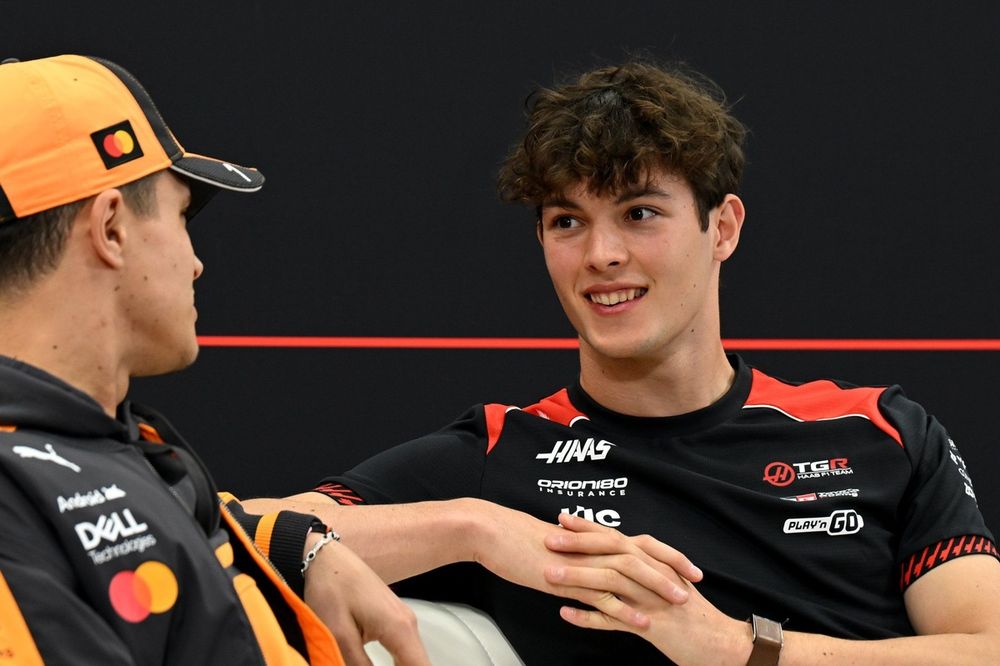
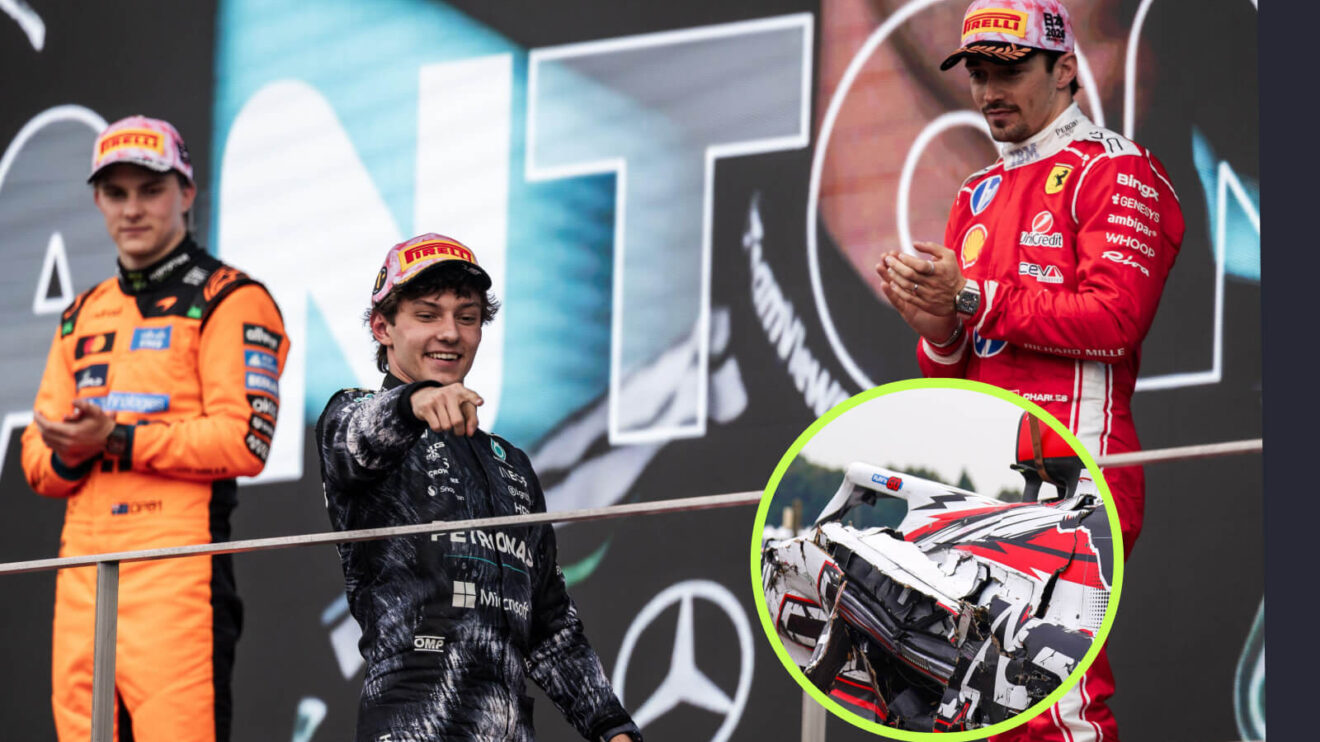
Haas driver Oliver Bearman is earning widespread praise for his strong adaptation and results in his second F1 season, despite a high-speed crash at Suzuka that was caused by taking evasive action. Analysts highlight his pace and team integration as standout features of his early 2026 campaign.
Adidas is reportedly finalizing a major three-year sponsorship deal with Red Bull Racing worth €27 million per year, set to begin in 2027. The agreement would give the sportswear giant partnerships with three F1 teams, marking a significant expansion of its presence in the sport and a direct alignment with the current championship-winning outfit.
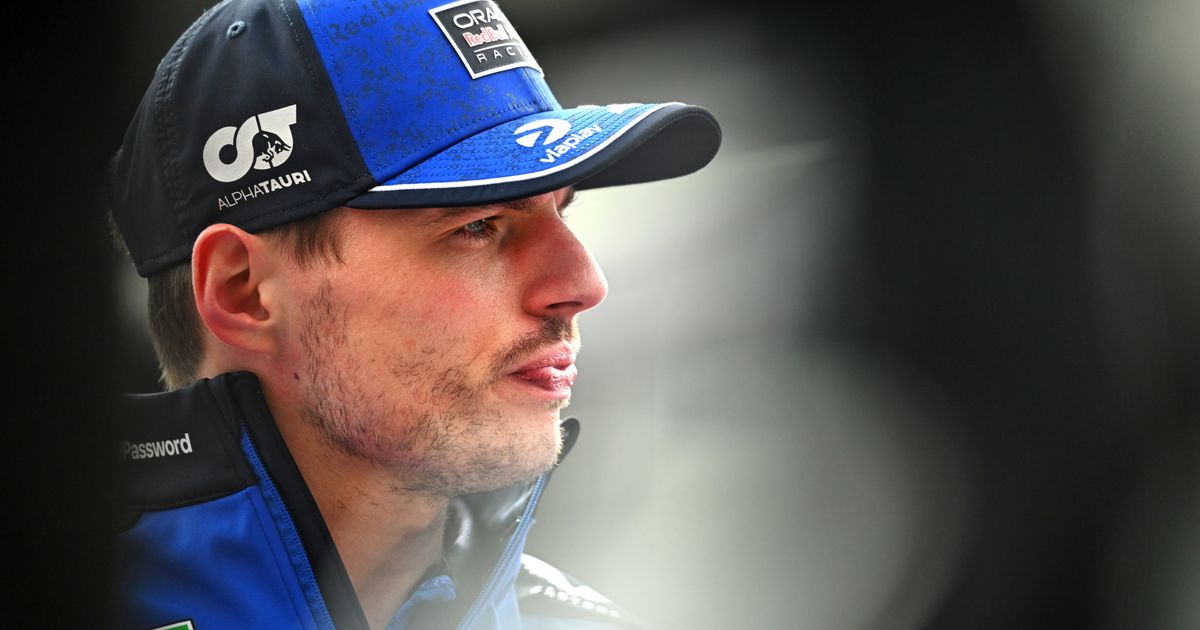
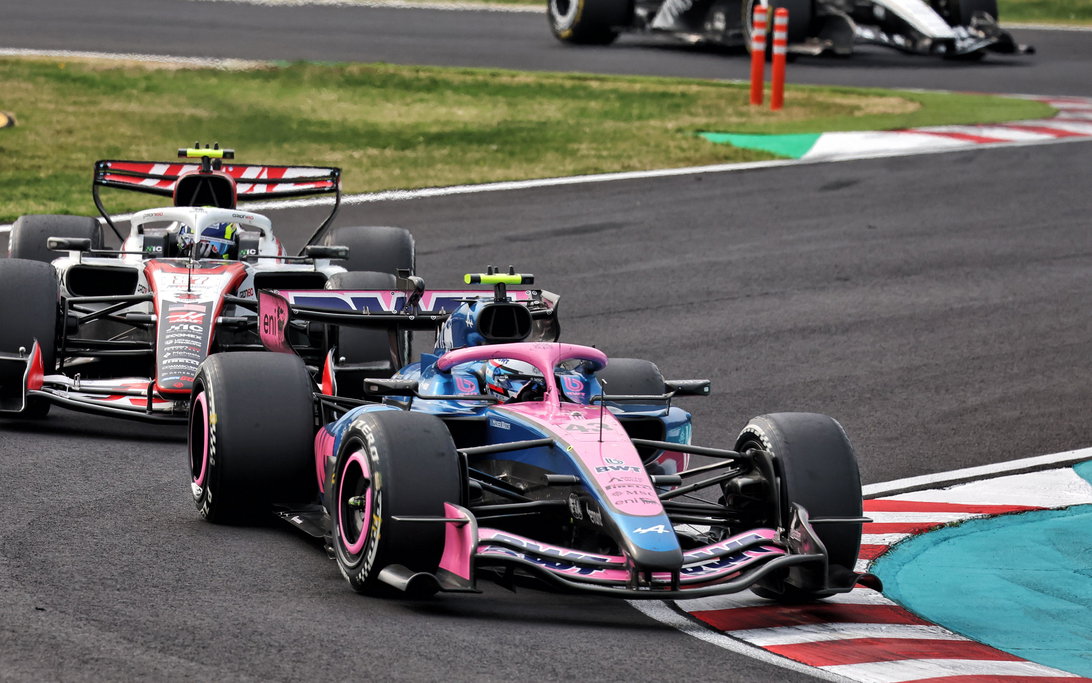
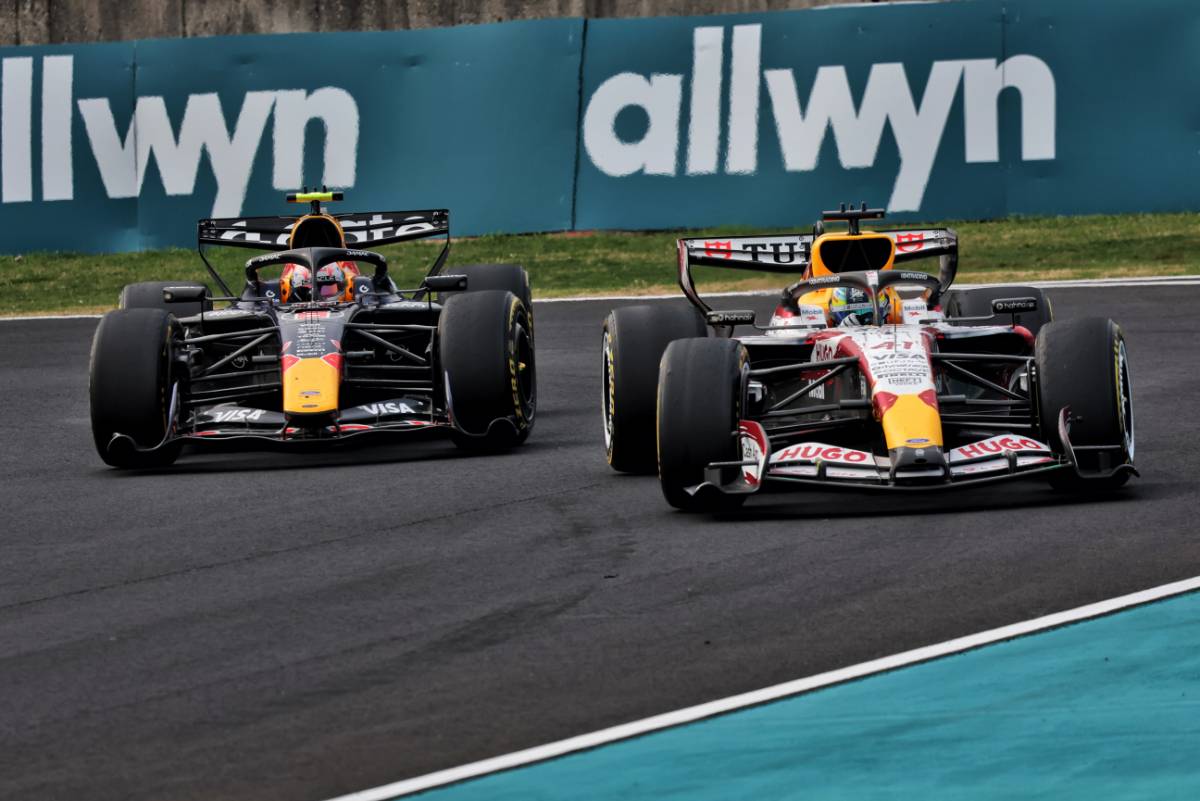
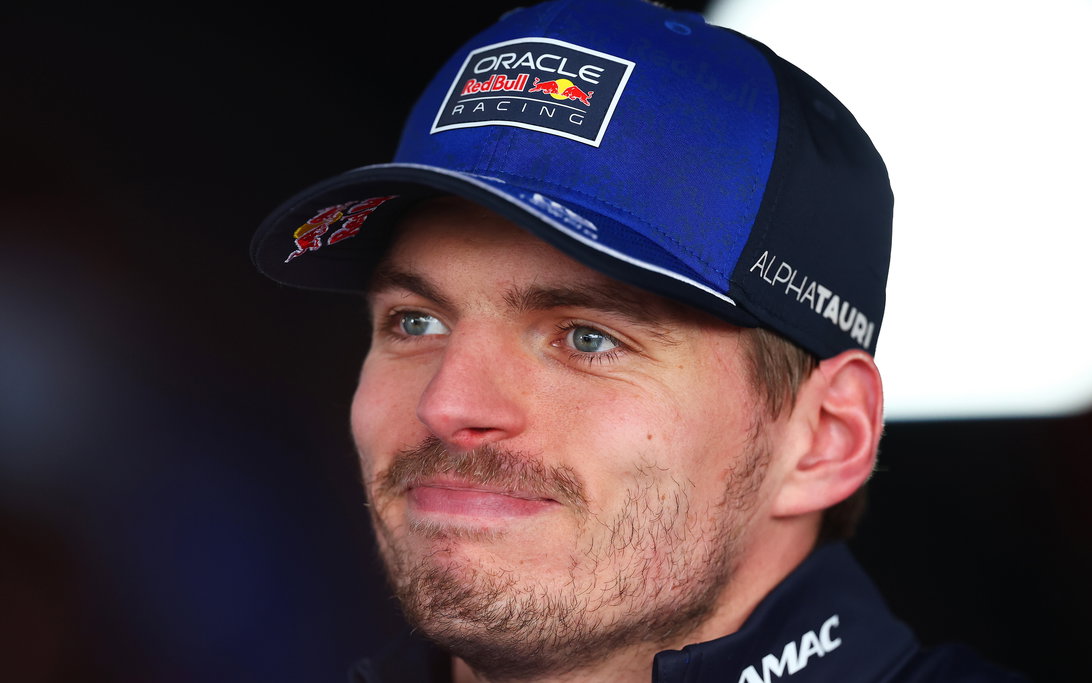
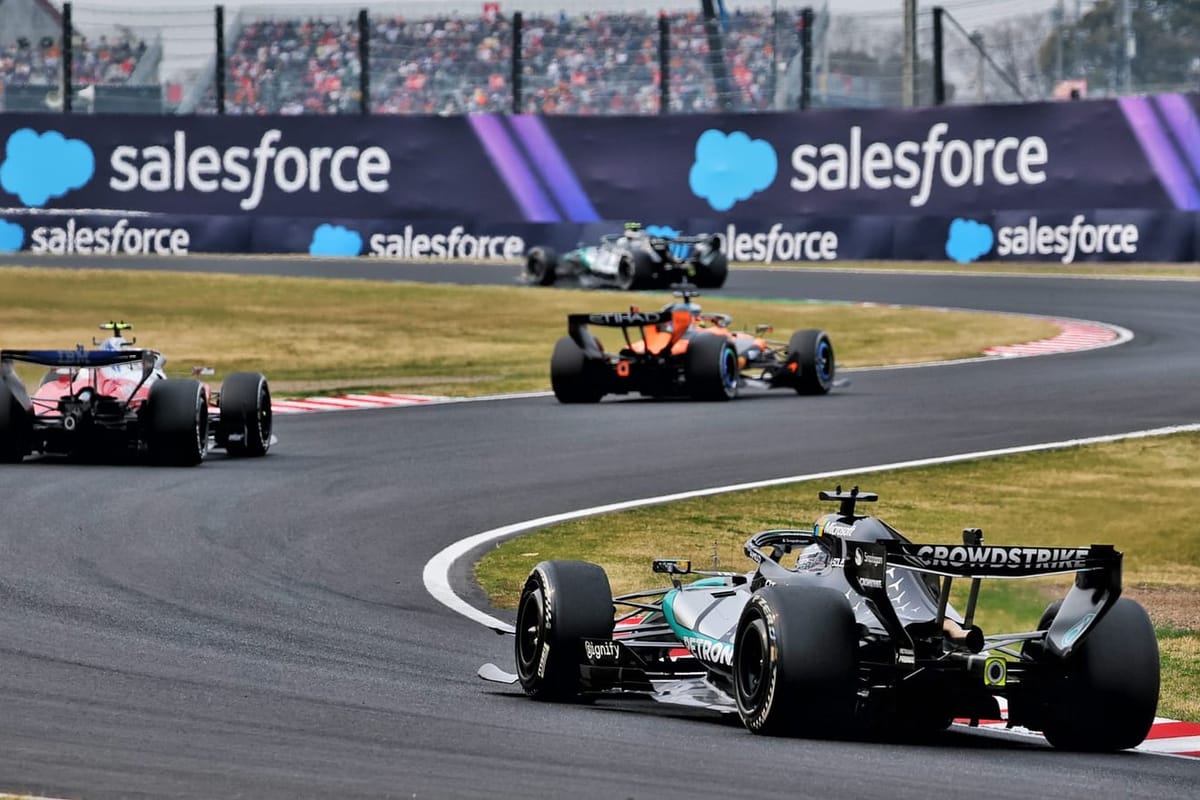
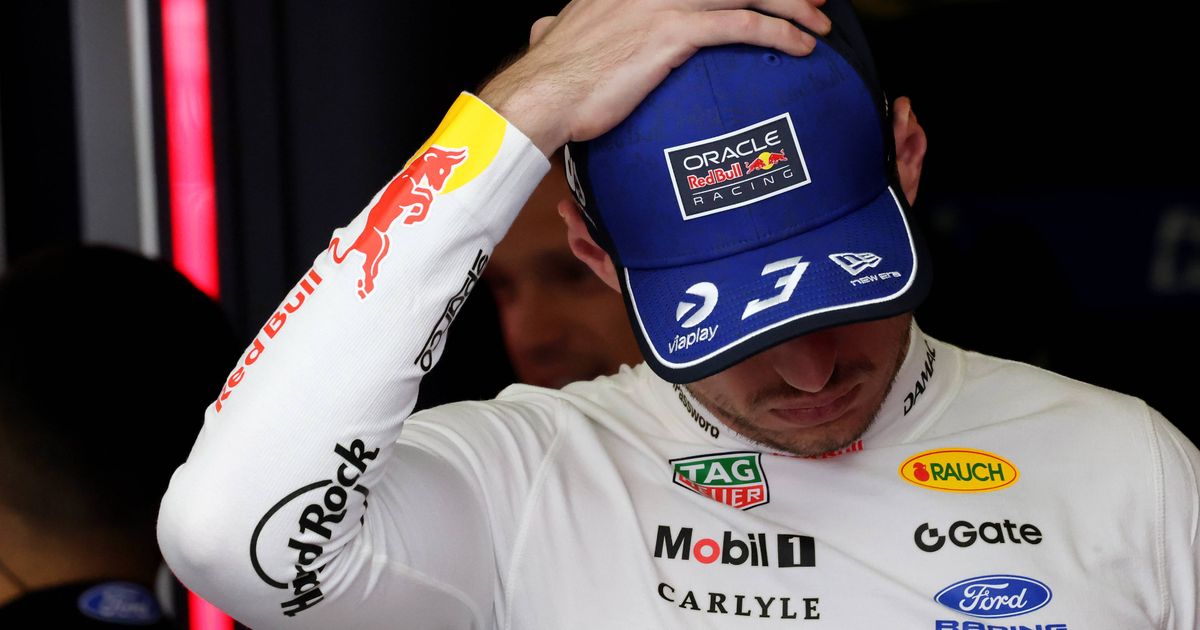
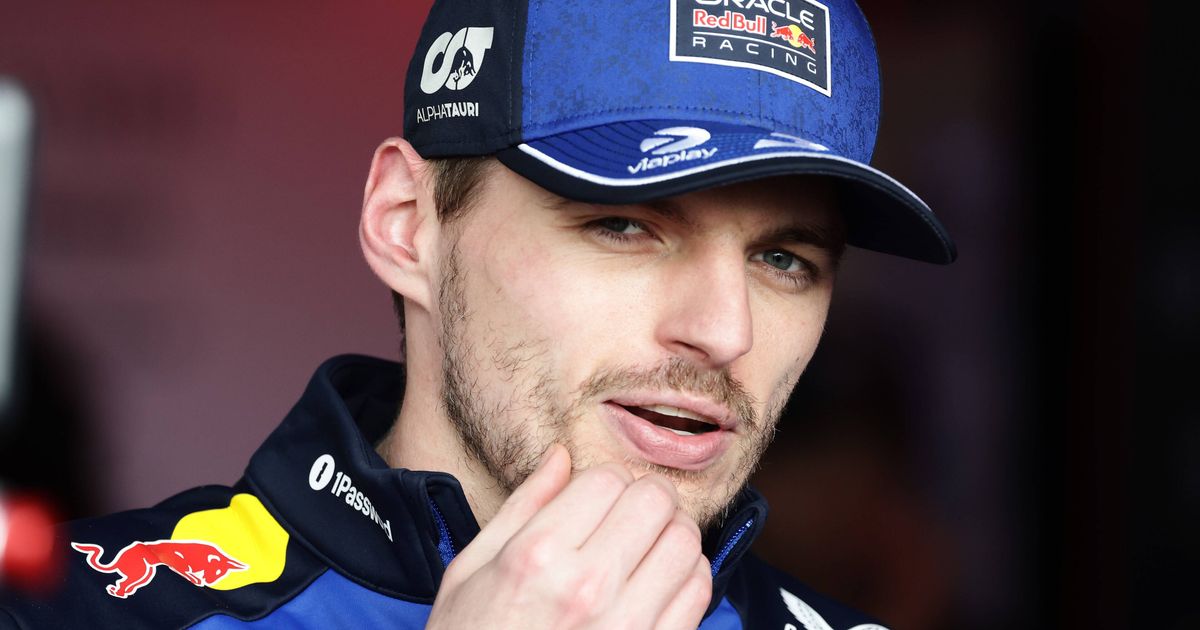
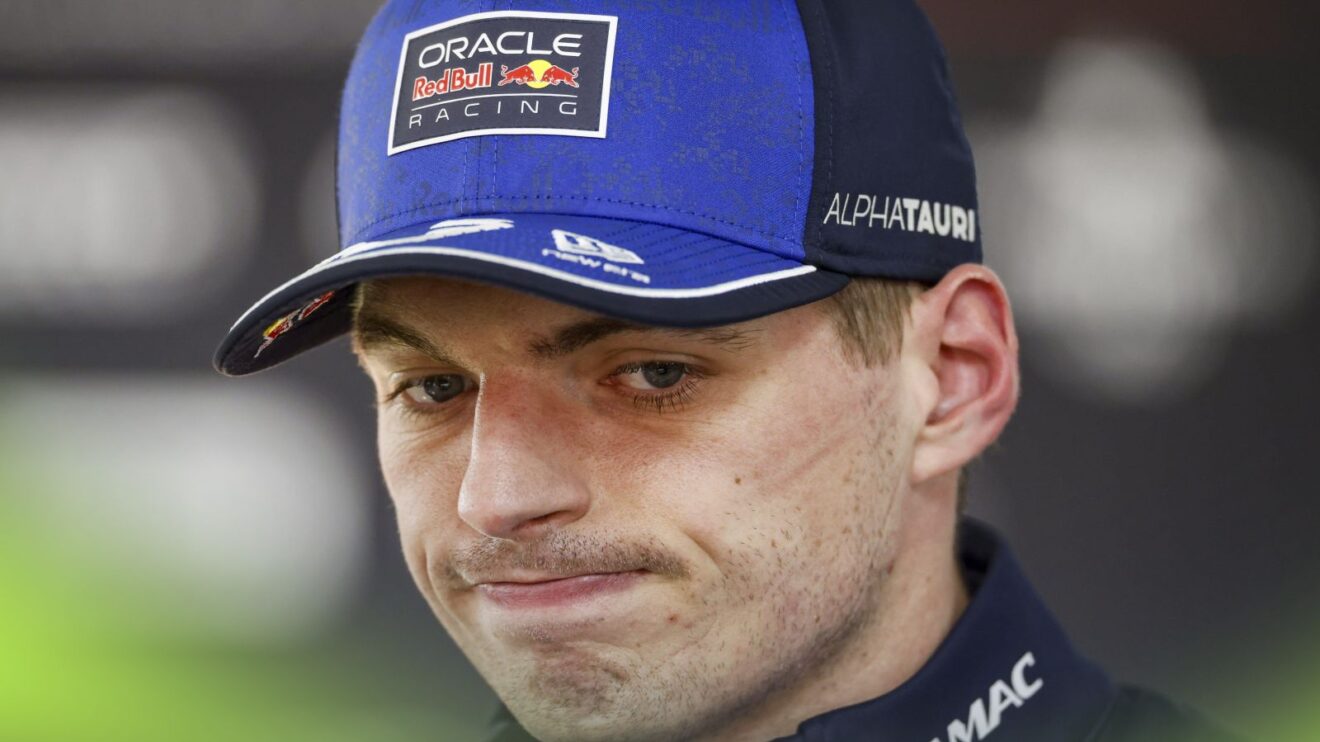
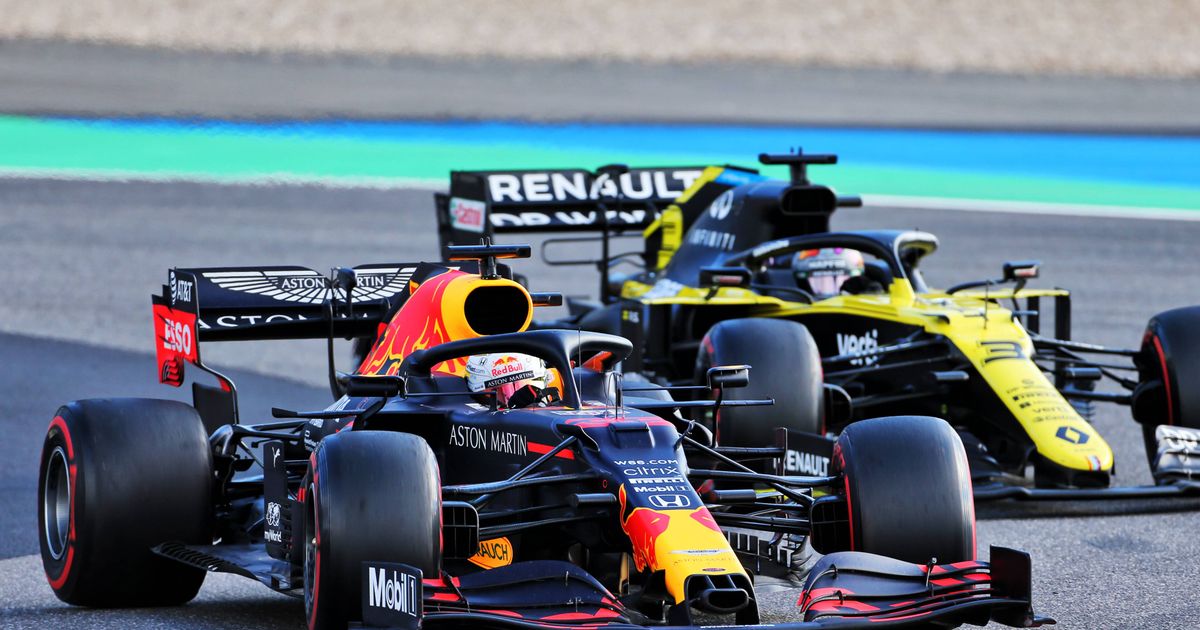
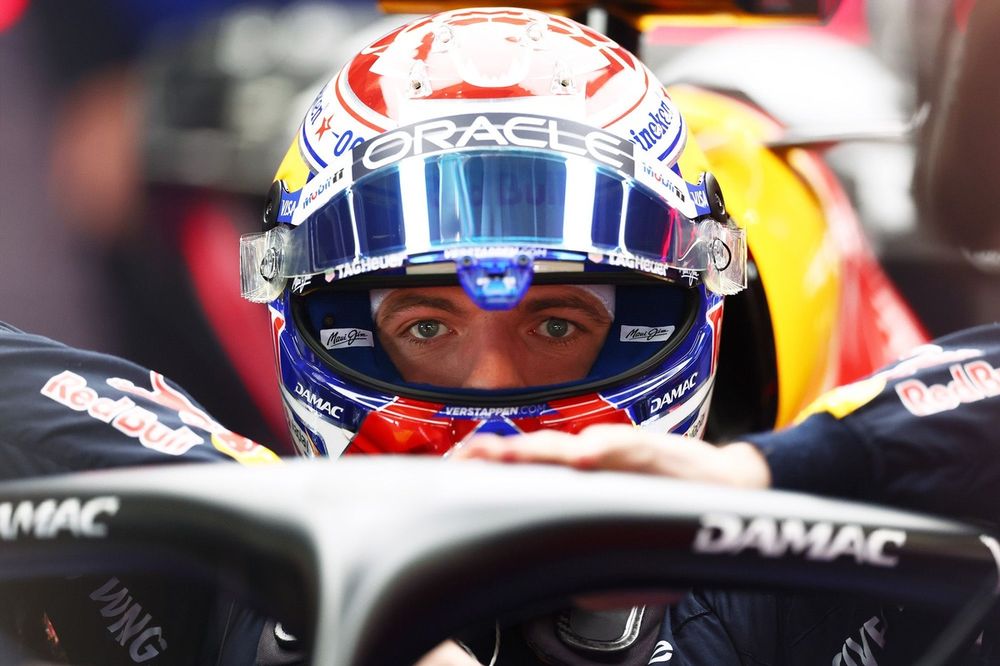
Max Verstappen revealed his now-viral wave to Pierre Gasly during the Japanese GP was a gesture of tactical surrender. Trapped behind the Alpine, Verstappen explained that using his car's battery energy to attempt a pass left him a sitting duck on the straights, forcing him to back off and recharge before trying again.
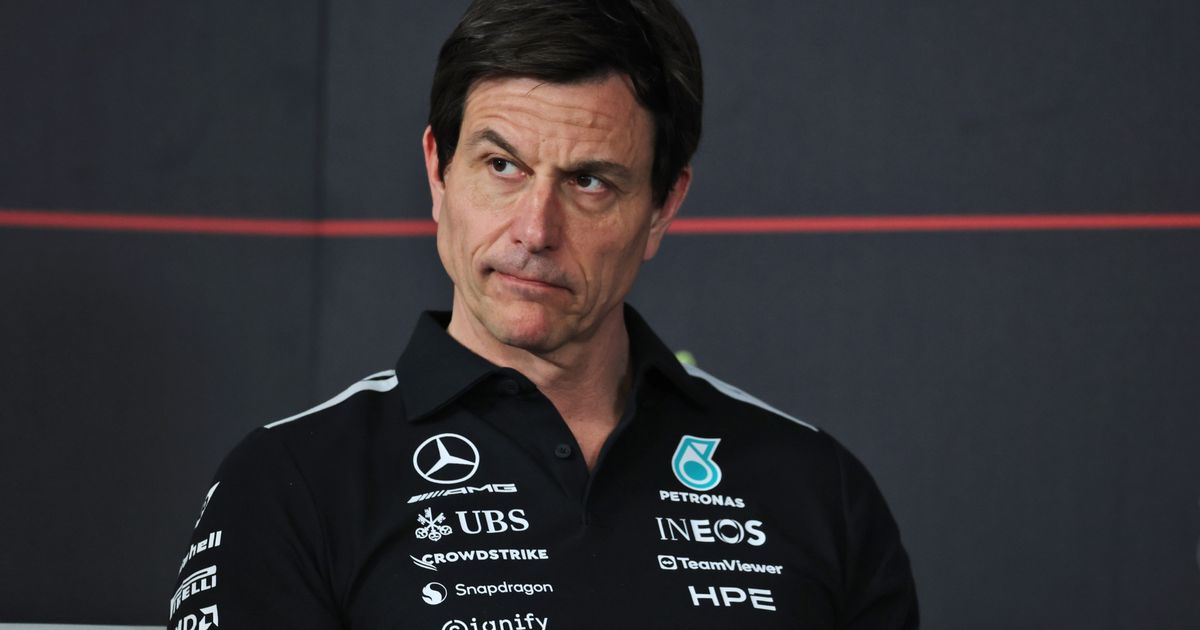
Toto Wolff doubts Christian Horner can easily return to F1, citing their intensely fractured relationship and actions he "cannot comprehend." While crediting Horner's impact as a controversial personality good for the sport, Wolff's comments underscore the significant professional barriers Horner now faces in seeking a new role after his Red Bull exit.
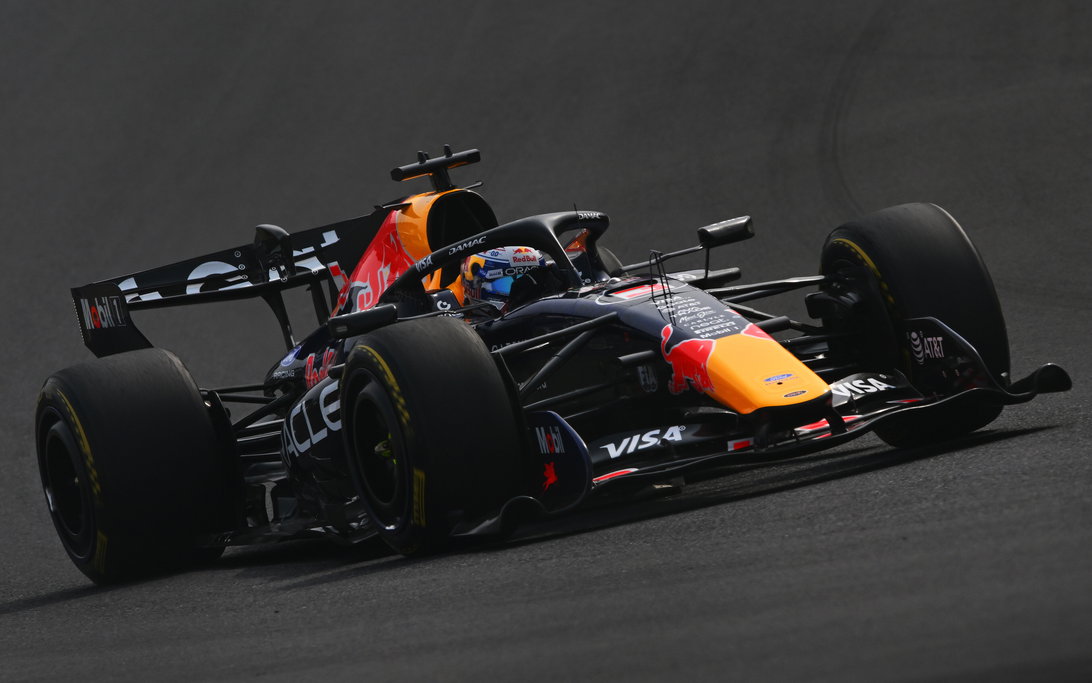
Isack Hadjar revealed his anger during the Japanese GP was directed at his car's critical battery failure, not his battle with Arvid Lindblad. The Red Bull junior driver described being left "powerless" and criticized the RB22's chassis as fundamentally slow, highlighting a deeper performance issue overshadowing intra-team rivalry.
Oliver Bearman's high-G crash at Suzuka, caused by a massive speed differential under F1's new 2026 power unit rules, has confirmed driver fears about dangerous "Mushroom Boost" effects. The incident has prompted urgent safety reviews and discussions about changing how drivers race and manage energy to prevent similar accidents.
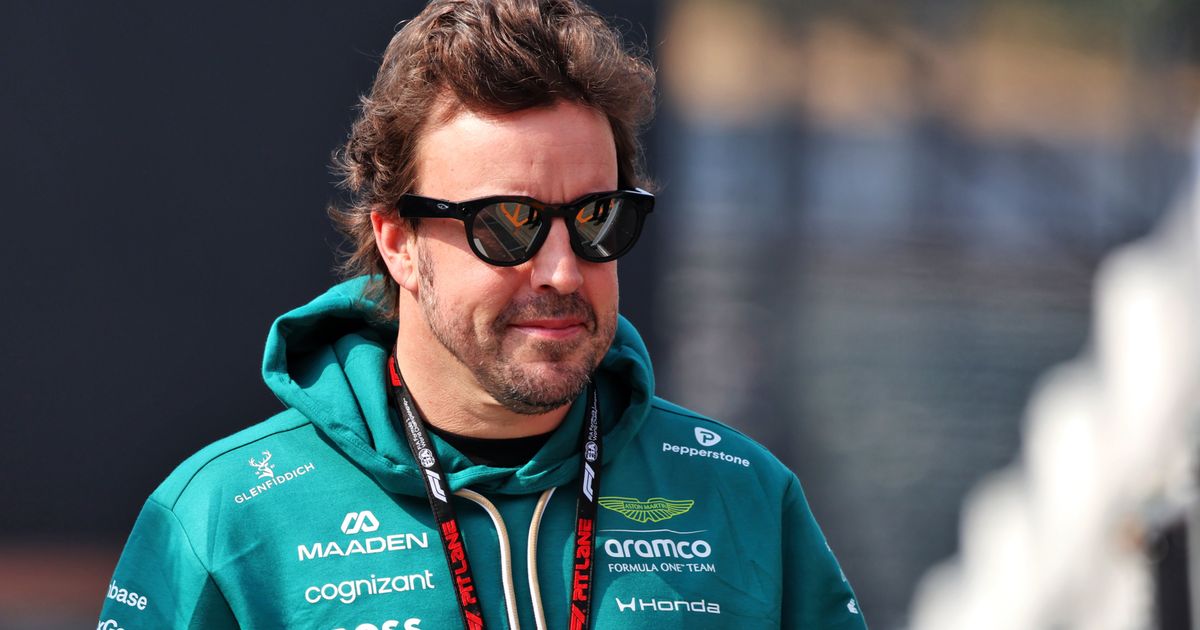
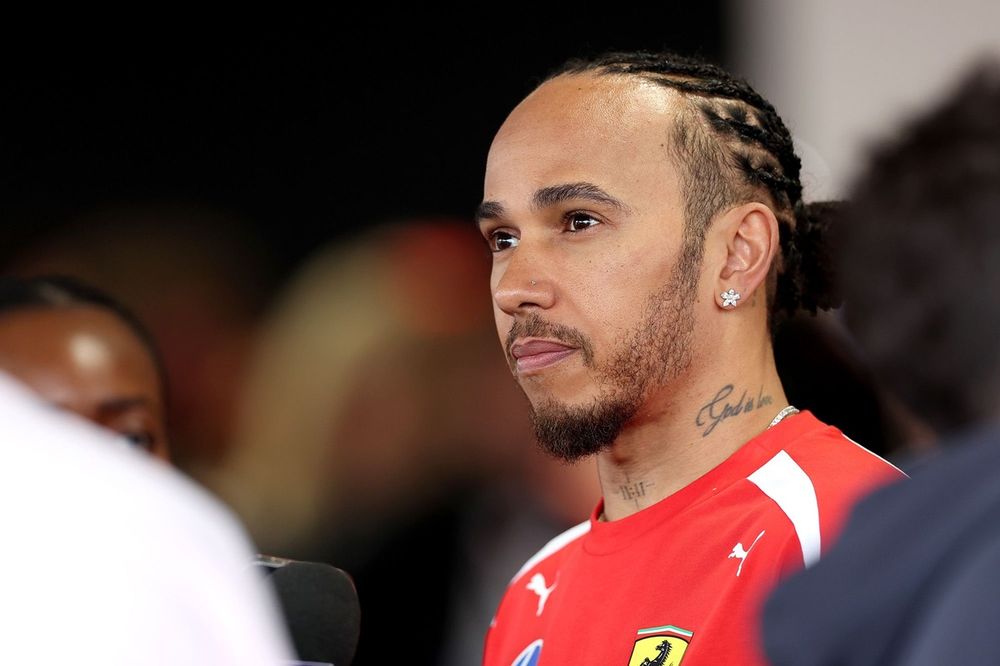
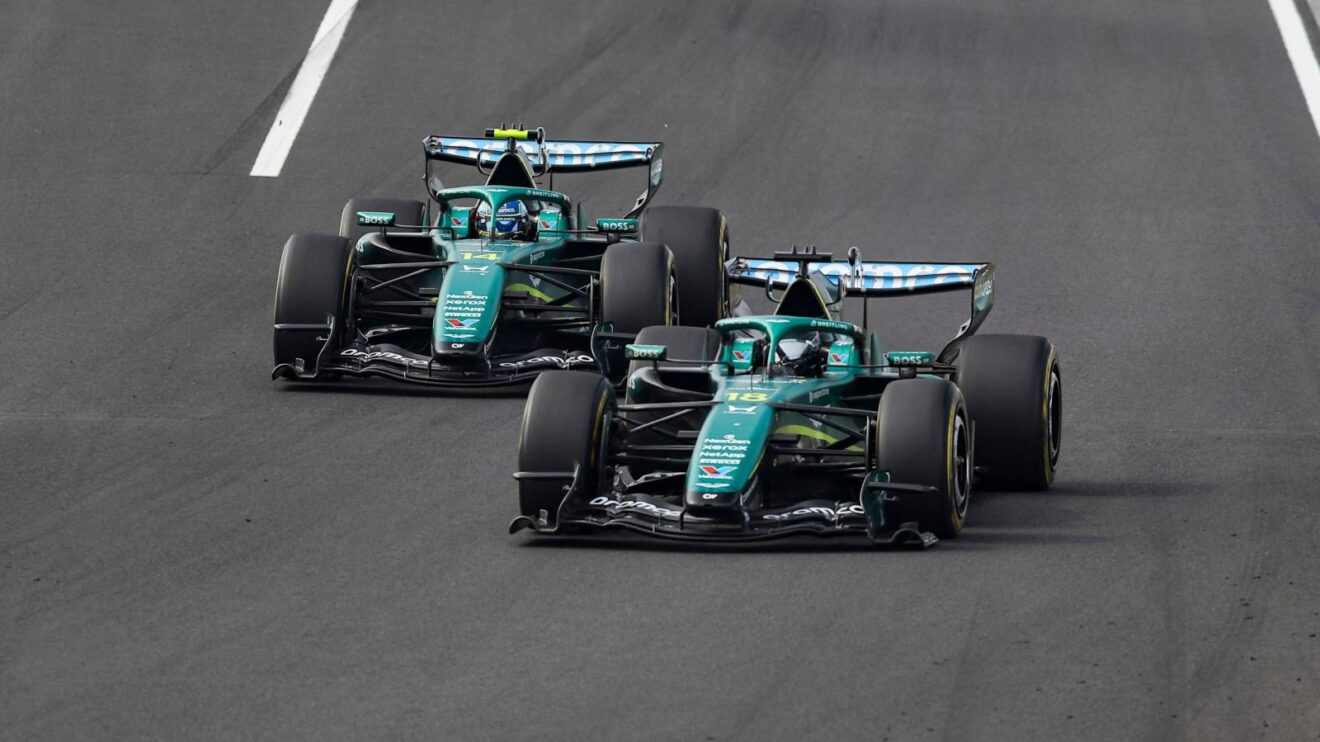
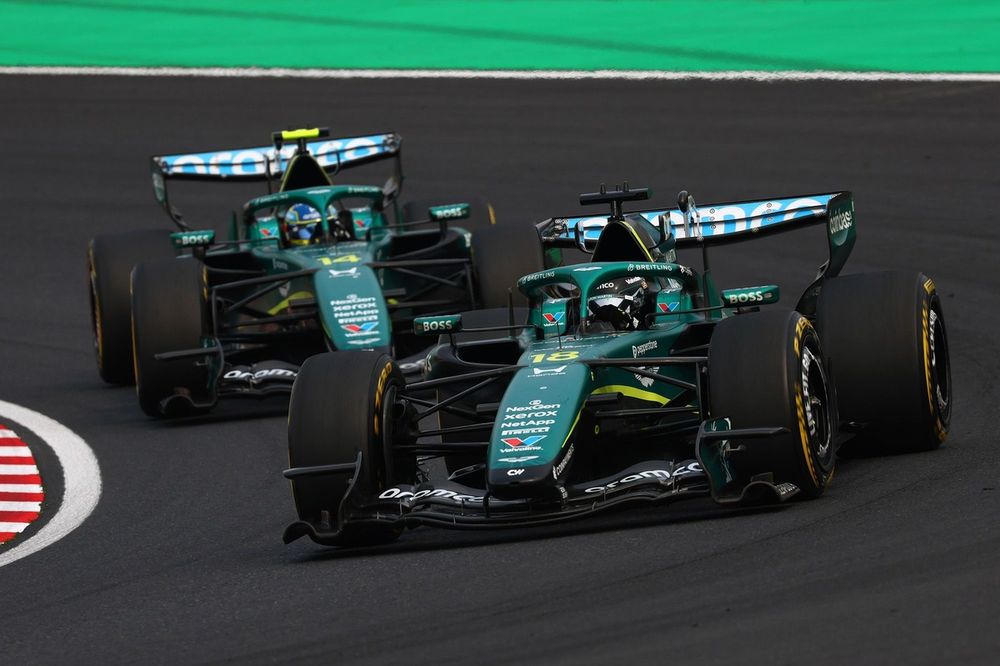
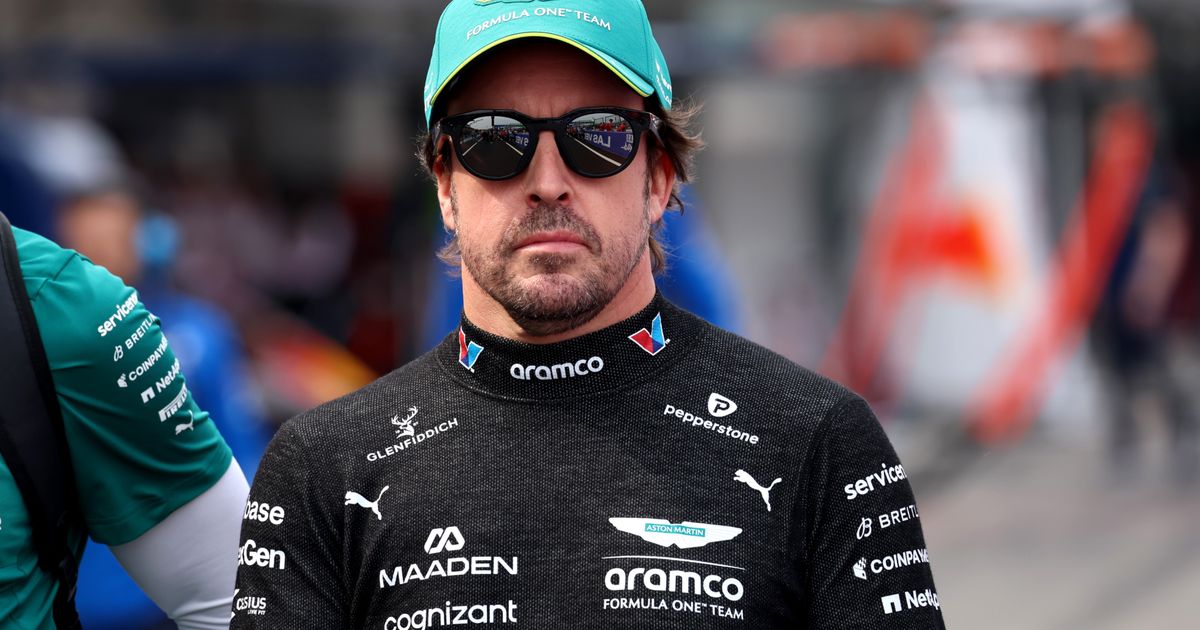
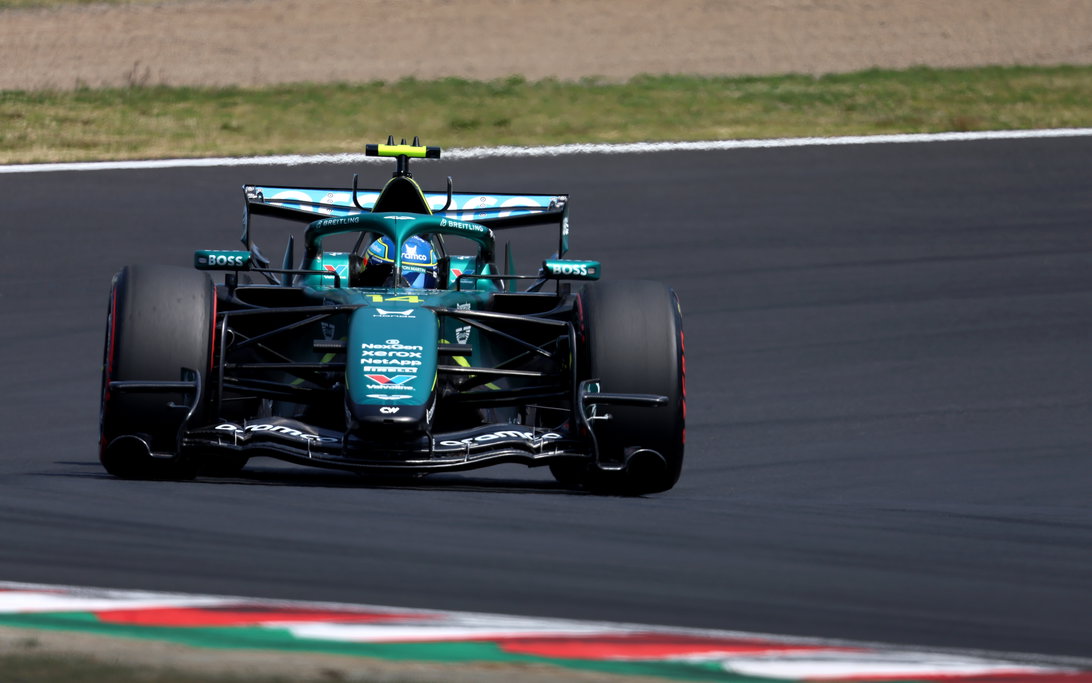
Fernando Alonso claims modern F1 cars have become so easy to drive that 50% of his team could manage it, arguing high-speed corners are now just battery recharge zones that remove driver skill. He also criticized overtakes as becoming 'unintentional' due to battery power differences rather than strategic maneuvers.
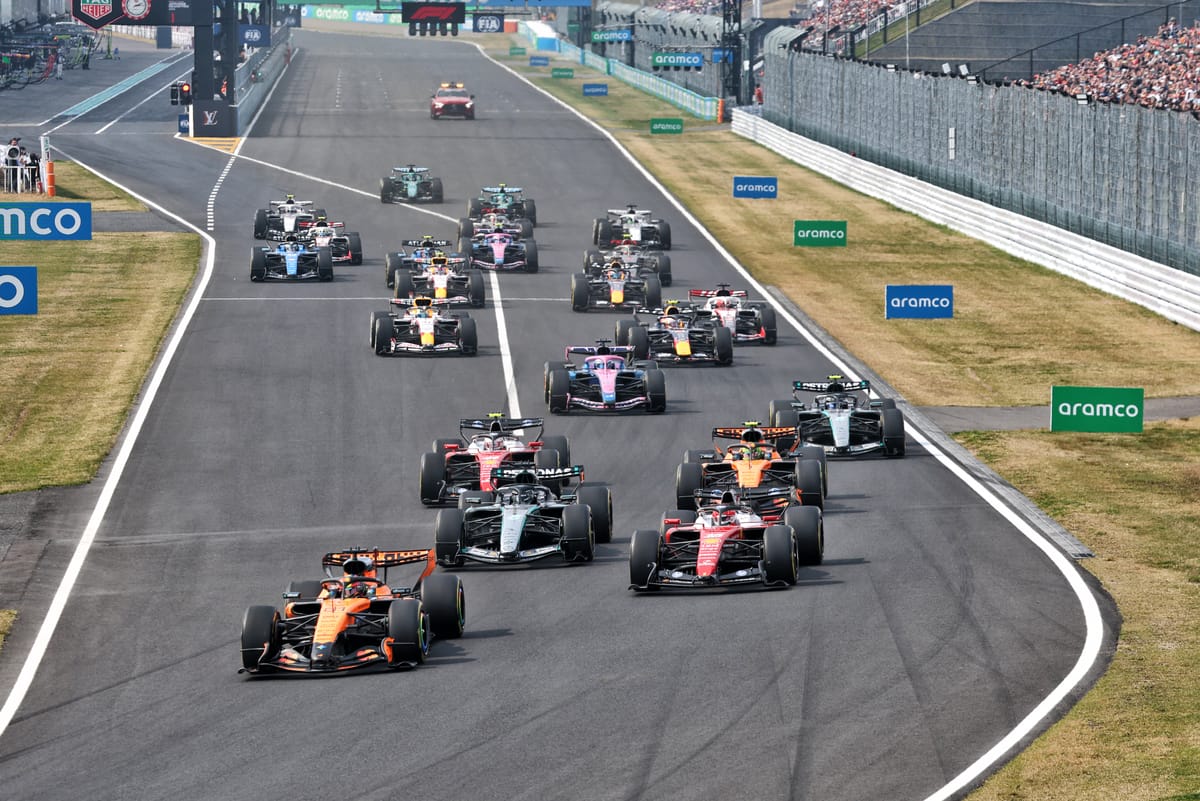
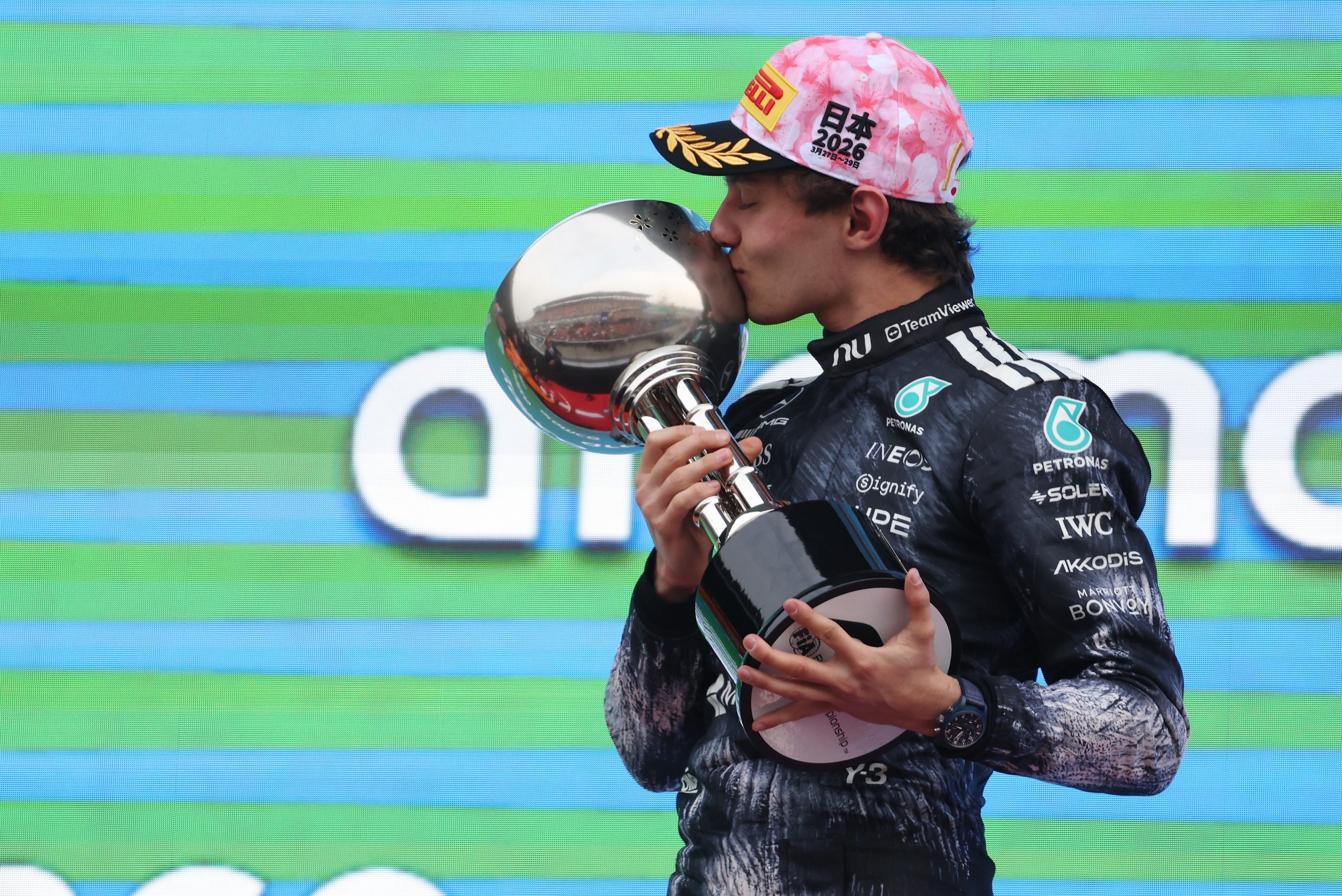
Kimi Antonelli's Japanese Grand Prix victory was a double milestone, making him the youngest-ever F1 championship leader and securing the 500th win from pole position in the sport's history. The achievement highlights the lasting advantage of starting at the front, a trend dating back to the very first world championship race in 1950.
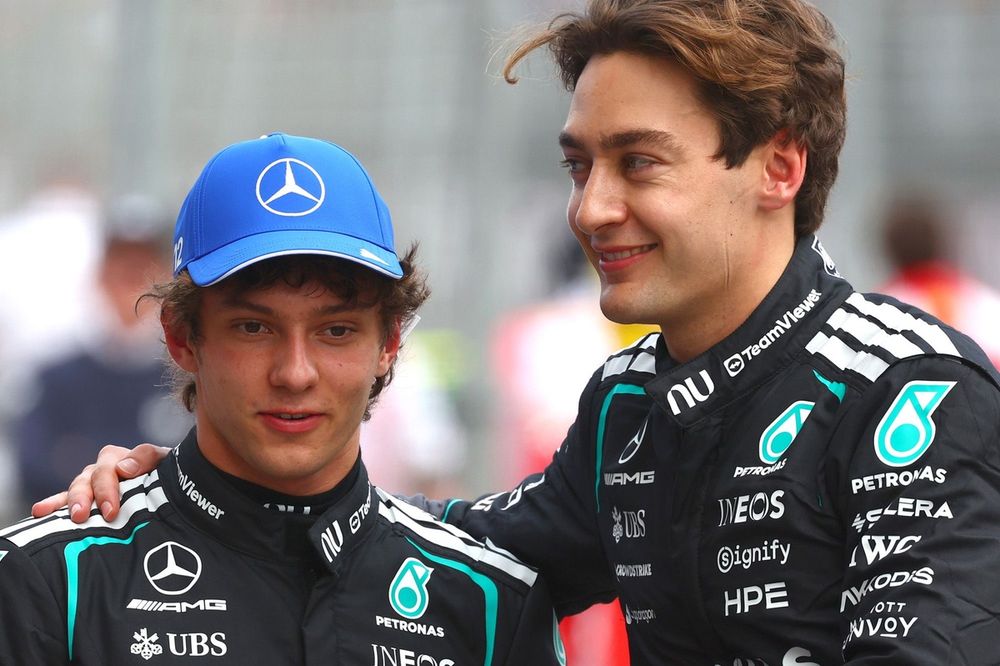
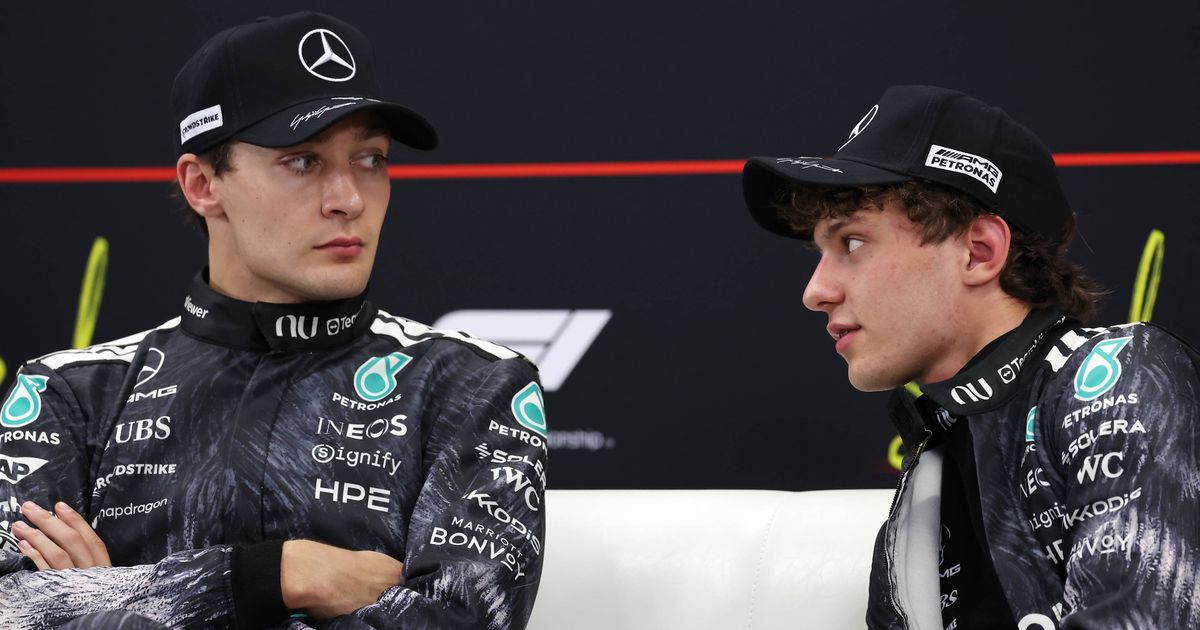
Toto Wolff praised Kimi Antonelli's superb recovery drive to win the Japanese GP but criticized the rookie's poor start, calling it a "botch" and part of Mercedes' "mediocre" starting trend. While Antonelli shined, teammate George Russell struggled with car setup, finishing fourth.
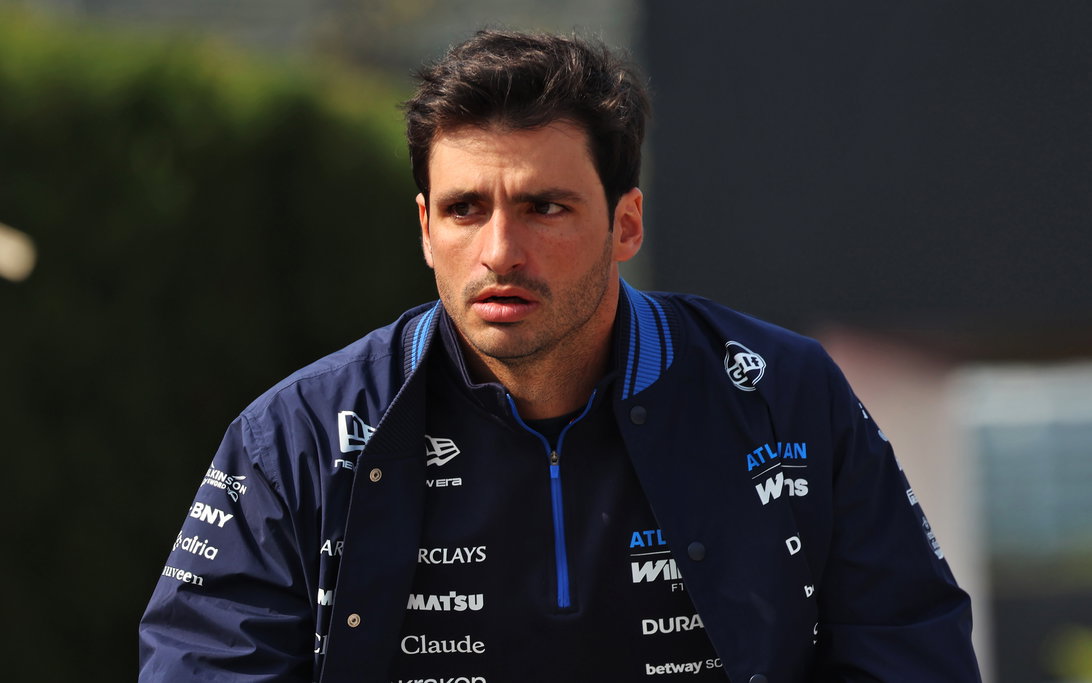
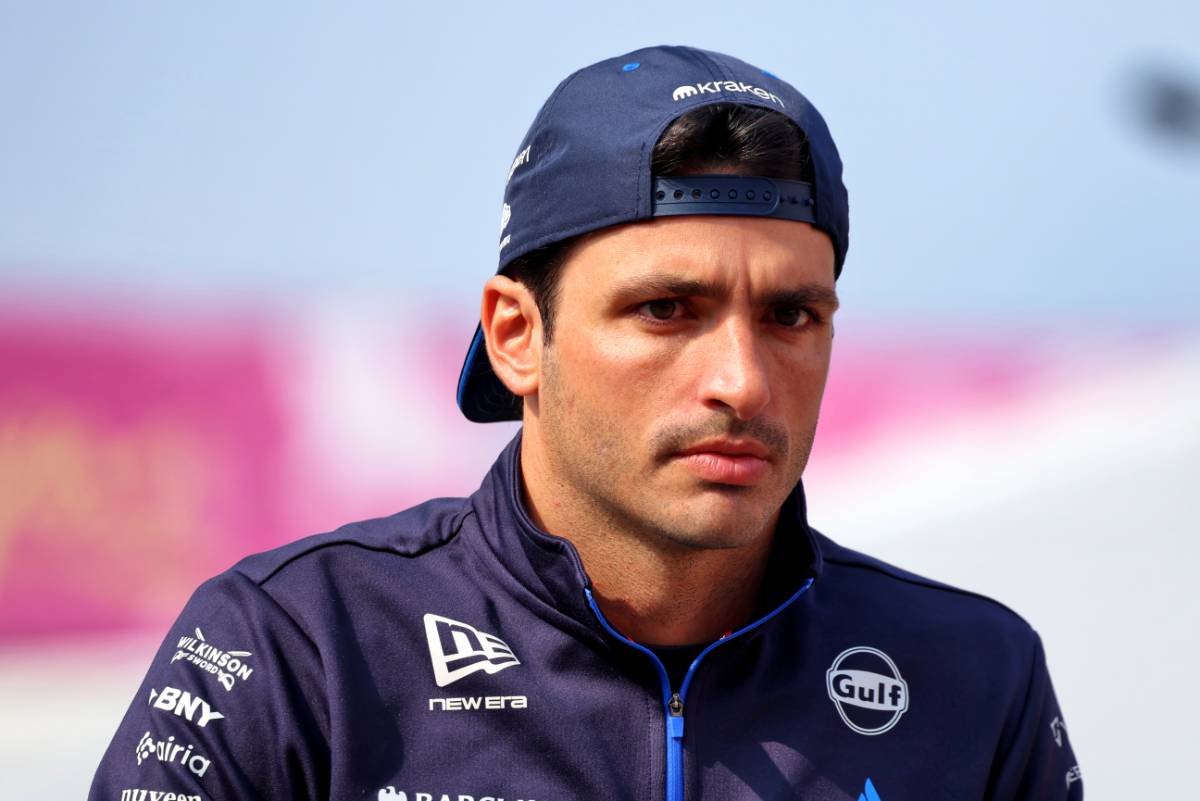
Carlos Sainz urges the FIA to listen more to drivers than teams when revising the 2026 F1 rules, warning that dangerous speed differences caused by the new power units led to Oliver Bearman's huge crash in Japan. He argues teams care more about TV spectacle, while drivers face the real safety risks.
Carlos Sainz blames the FIA for ignoring driver warnings after Oliver Bearman's high-speed crash at Suzuka, caused by dangerous closing speeds from power unit issues. He warns that without immediate regulation changes, similar incidents on upcoming street circuits like Miami could have catastrophic consequences.
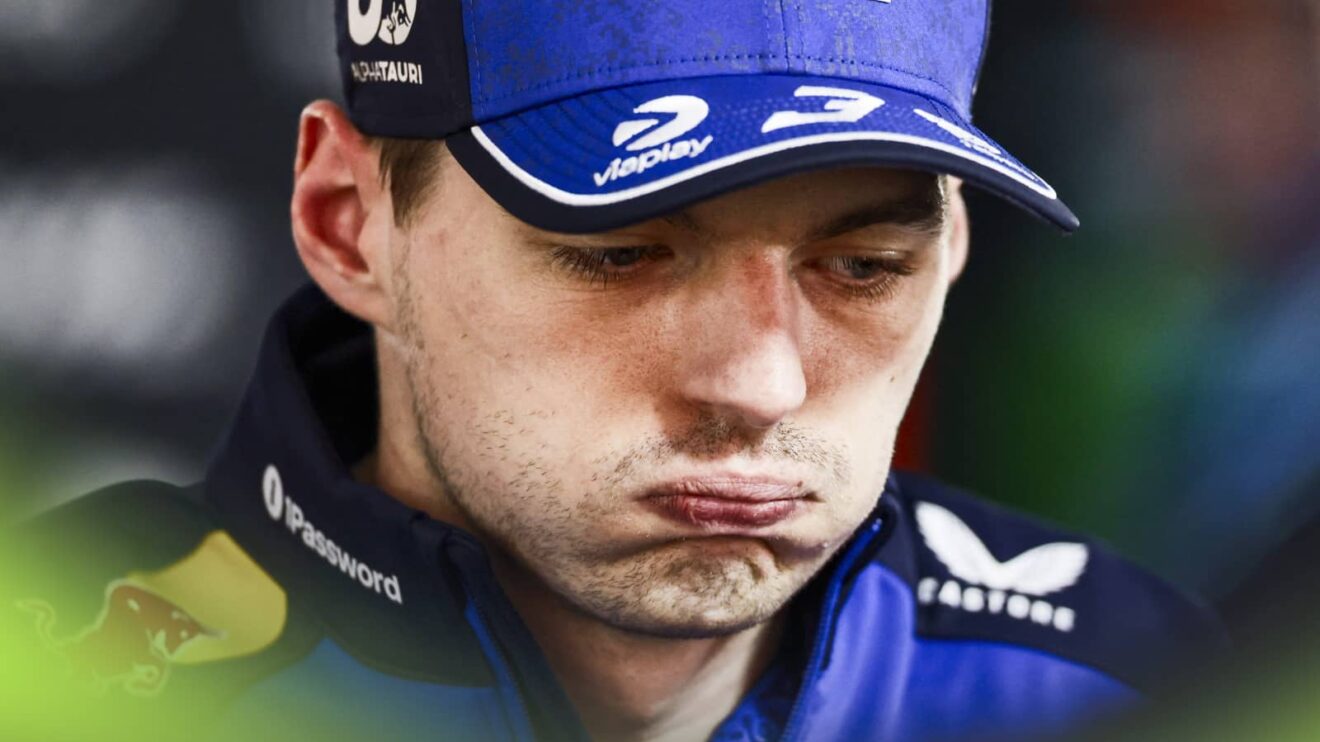
Max Verstappen is deeply frustrated with F1's 2026 regulations after a poor Japanese GP, where overtaking was impossible and a massive crash highlighted safety risks. The Red Bull driver criticized the confusing energy management rules that ruin the driving experience and hinted his future in the sport depends on changes.