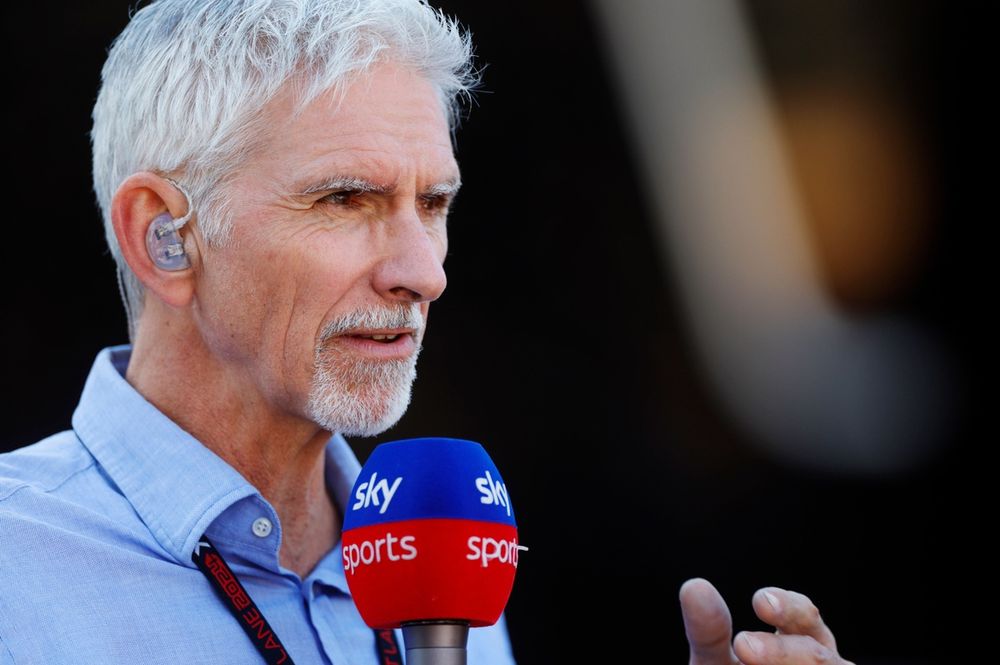
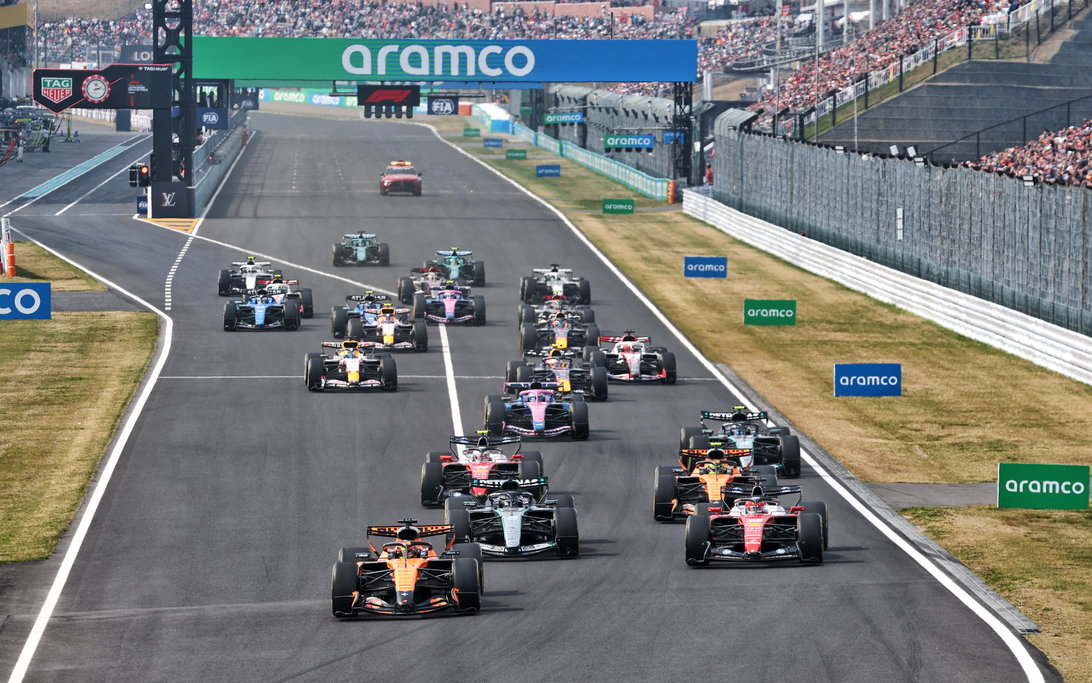
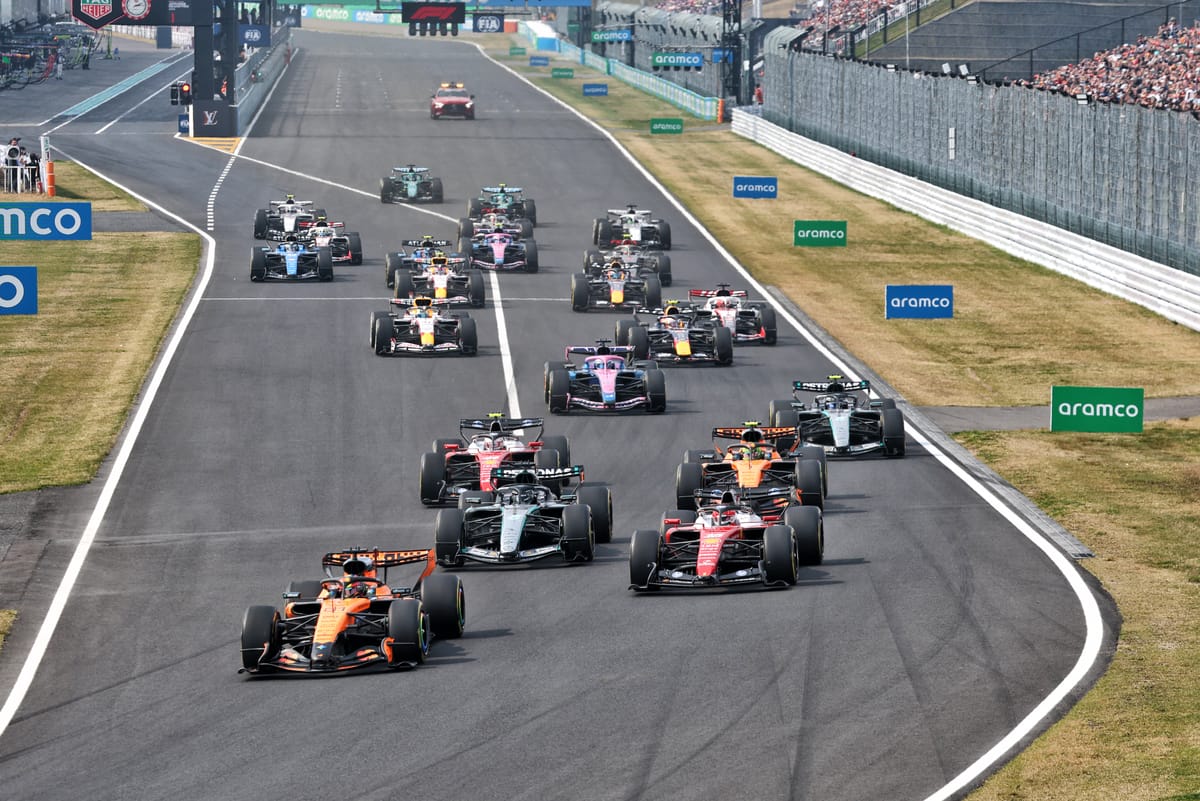
F1 legend Damon Hill pushes back against criticism of the 2026 regulations, arguing the need for strategic energy management has made races more tactical and entertaining. He cites the Japanese GP's multiple overtakes and a notable increase in passing compared to 2025 as proof the new rules are working.
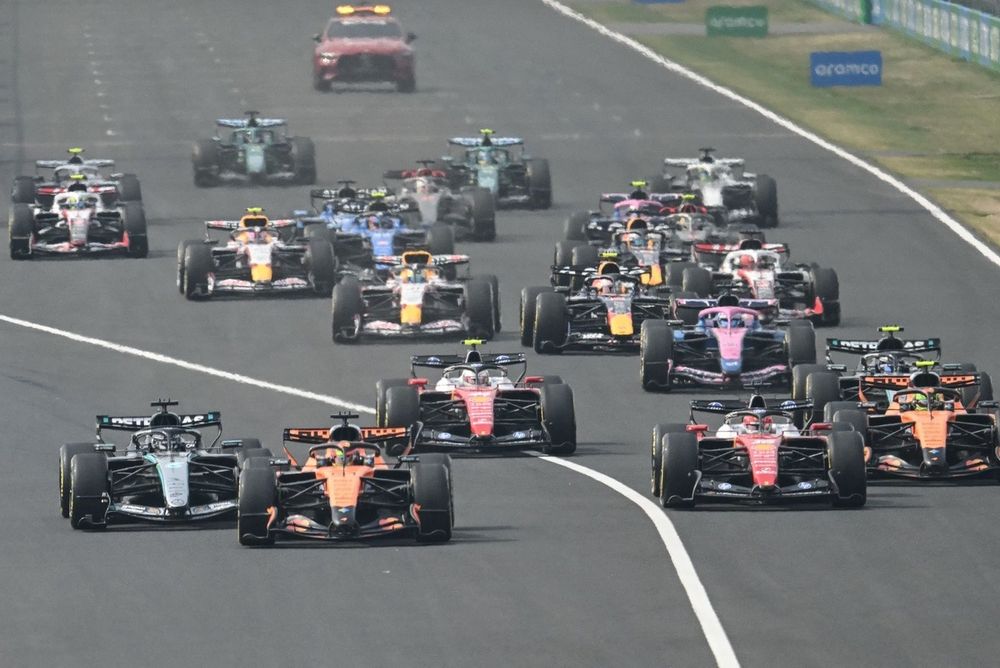
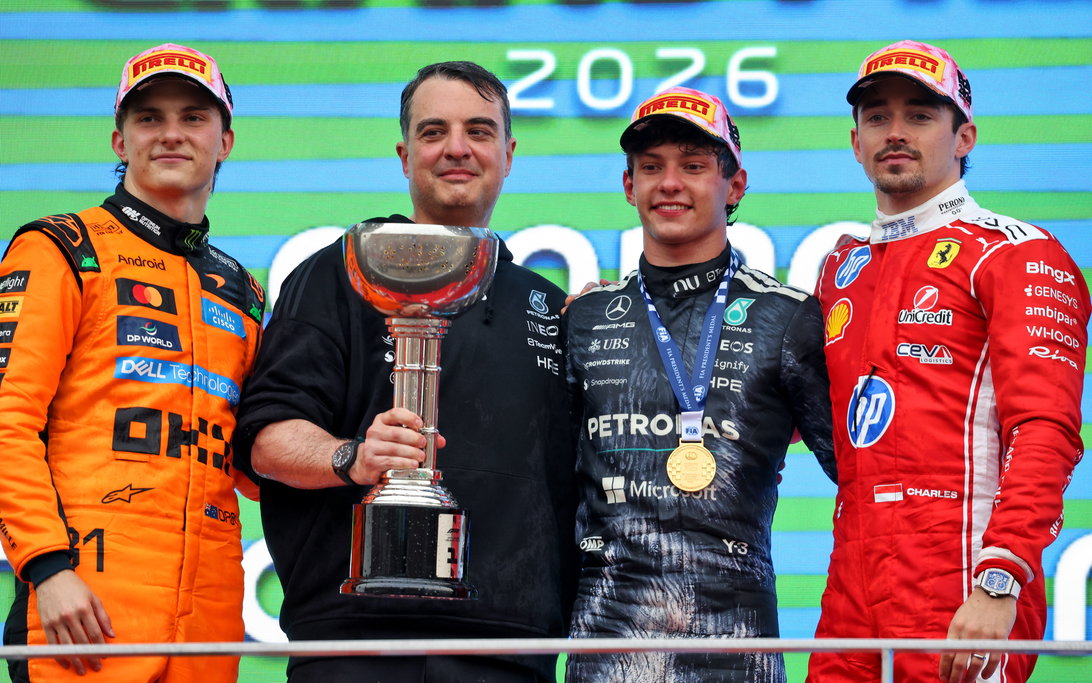
Kimi Antonelli won the F1 Japanese Grand Prix despite a self-admitted error at the start that dropped him from pole to sixth. A fortuitous safety car allowed him to recover and take his second straight win, moving him into the championship lead, though poor starts remain a significant hurdle in his 2026 season.
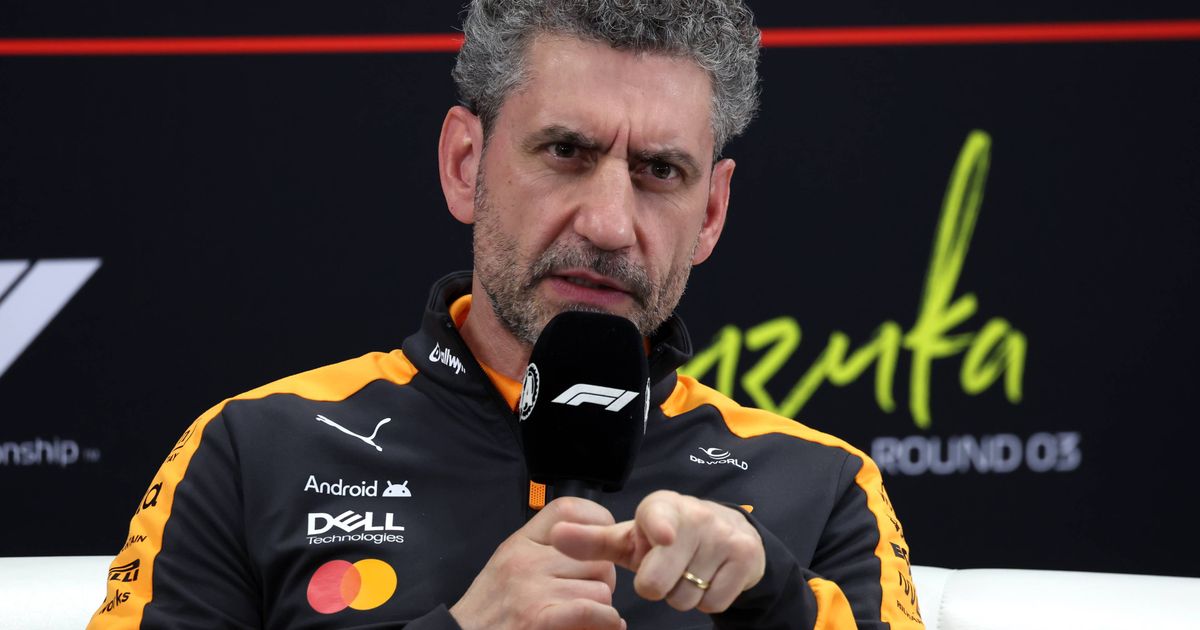
Ferrari's Fred Vasseur attributes Lewis Hamilton's late-race drop at Suzuka to a lack of straight-line speed without an overtake mode, a known weakness the team is working to fix. Hamilton fell from contention to a distant sixth, highlighting a critical performance deficit.
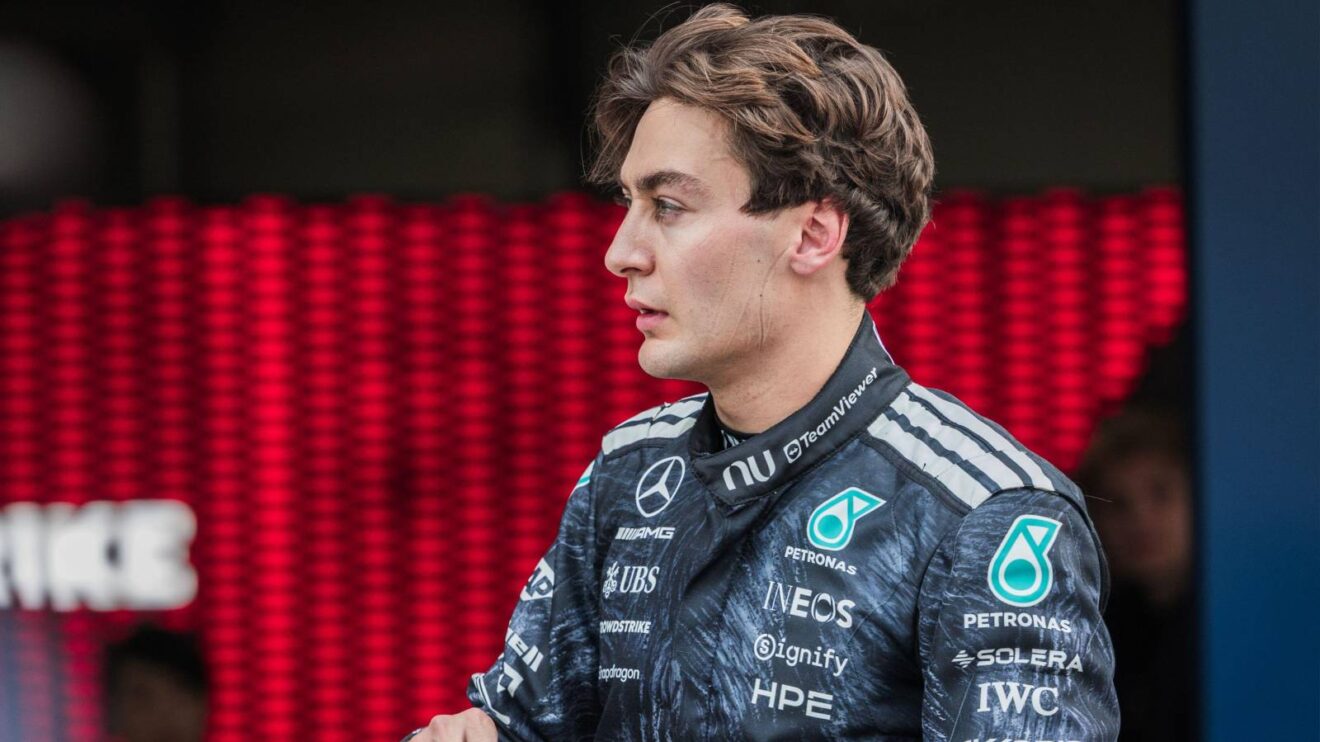
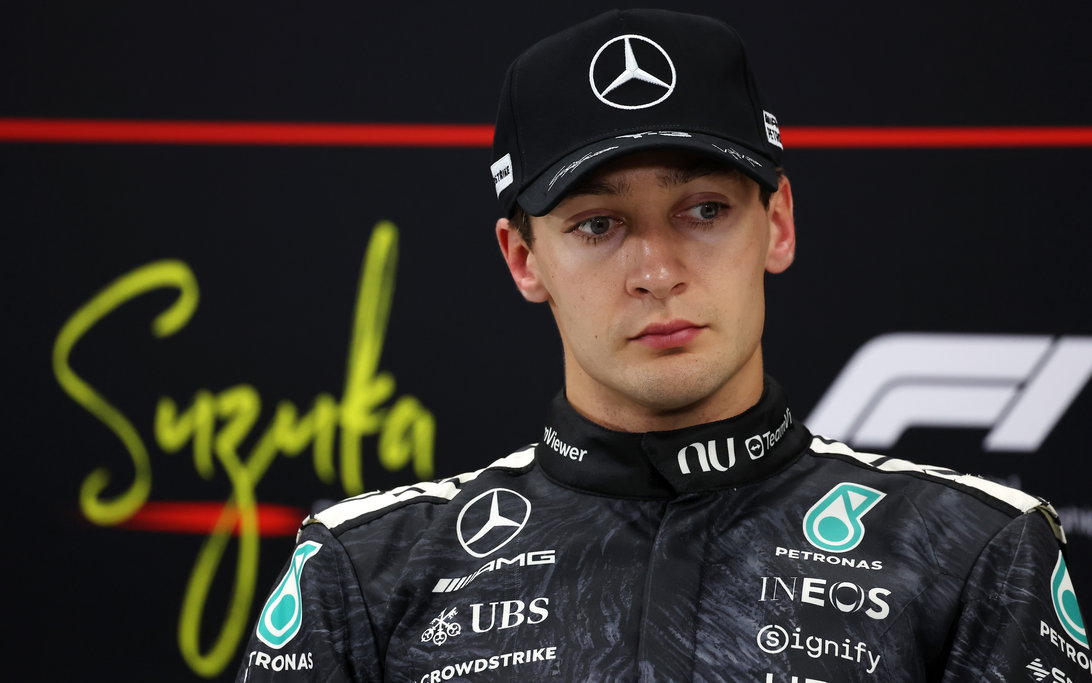
Jacques Villeneuve suggests Mercedes' dominant 2026 car has a crucial flaw: it struggles severely in dirty air. This weakness was apparent in Japan, where both Andrea Kimi Antonelli and George Russell faced difficulties fighting through traffic, potentially exposing a vulnerability rivals could exploit despite the team's perfect win record.
Following Oliver Bearman's crash at Suzuka, caused by 2026 rule-induced speed differences, Alpine's Franco Colapinto faced online abuse. His management team urged fans to support him positively, not engage with hate, highlighting ongoing concerns over both new technical safety risks and the toxic culture of driver harassment online.
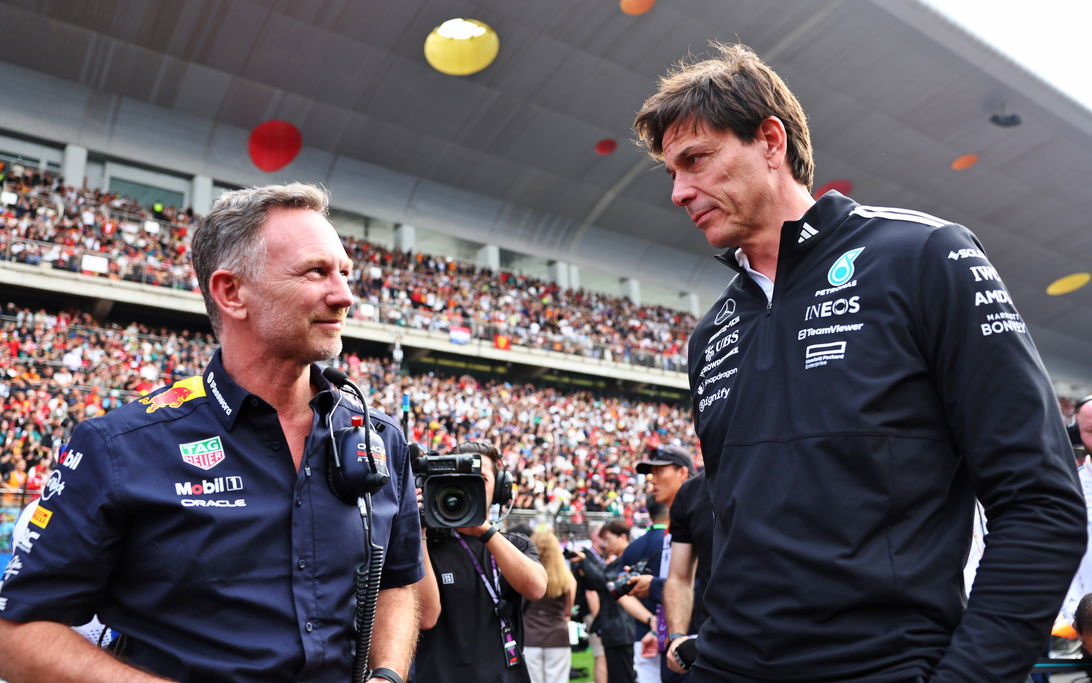
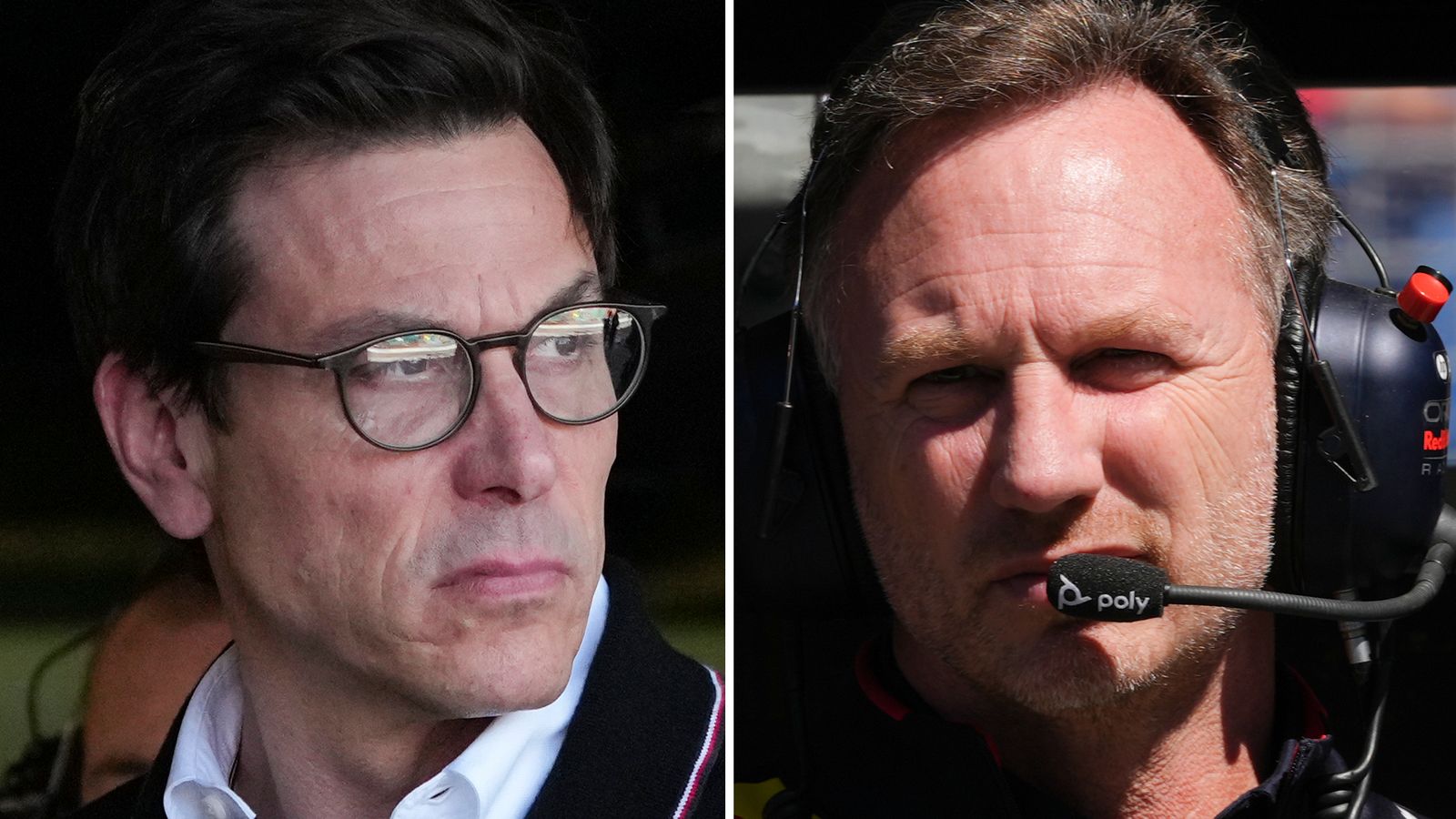
Toto Wolff admits F1 misses the "controversial" personality of Christian Horner but doubts they could ever be allies, as rumors swirl about Horner seeking a team ownership stake to return to the sport. Wolff dismissed any link between Mercedes' own interest in Alpine and Horner's potential involvement.
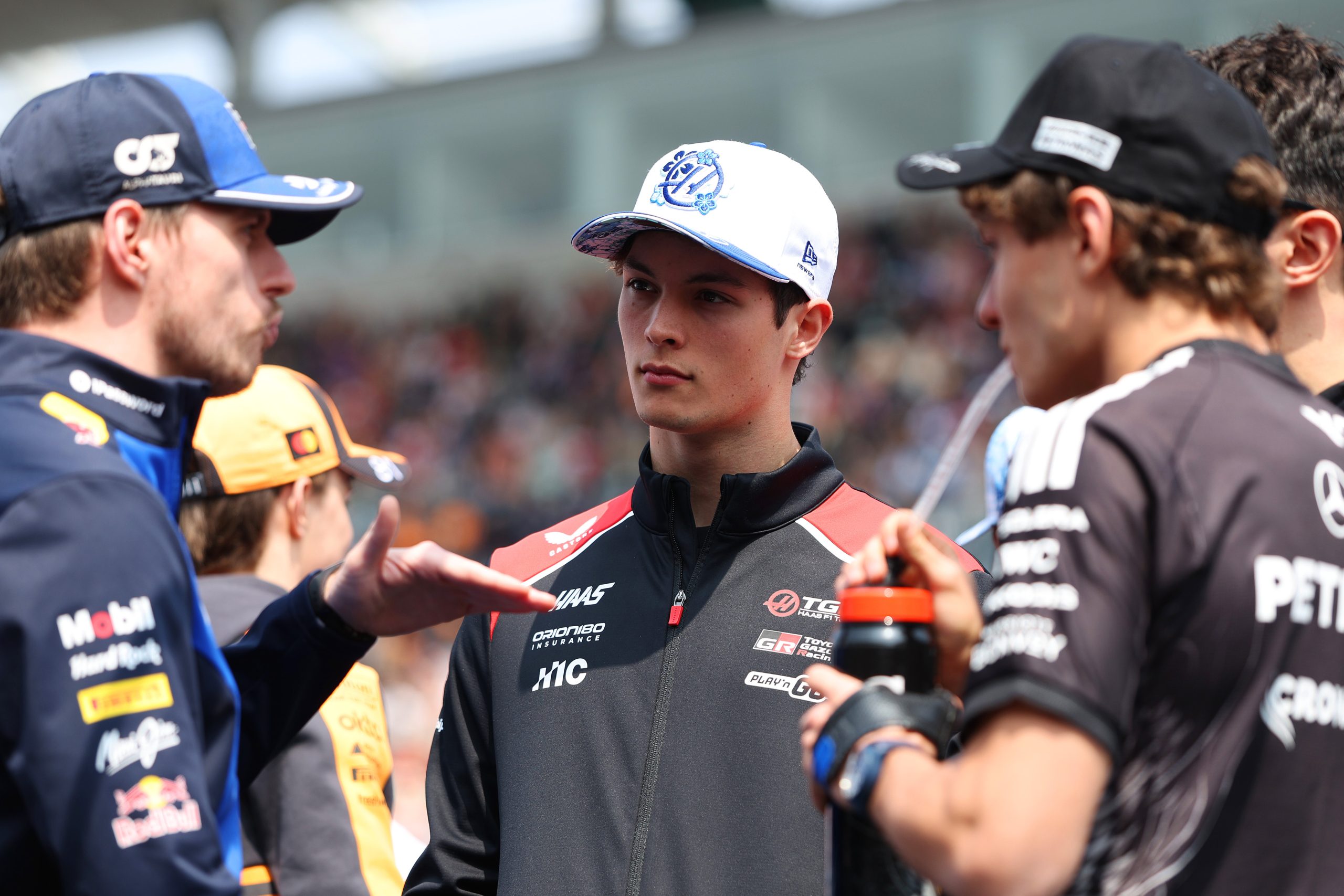
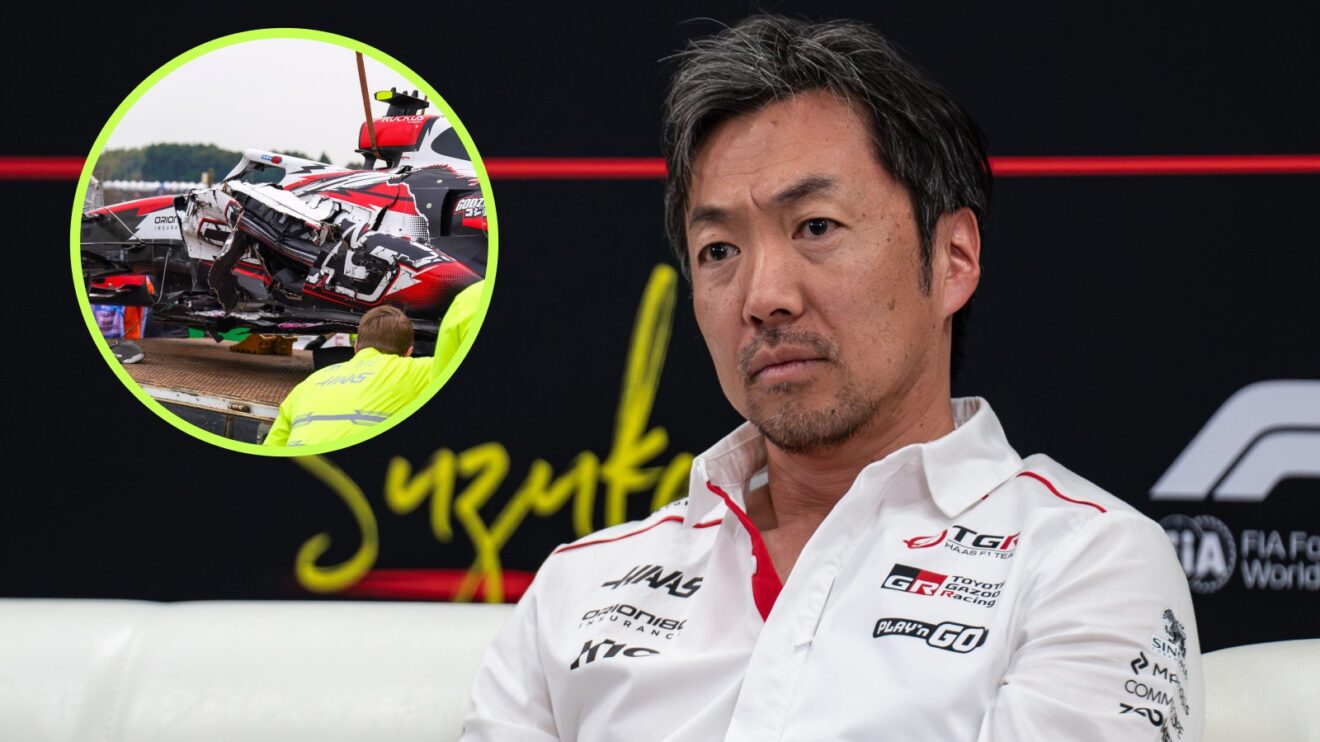
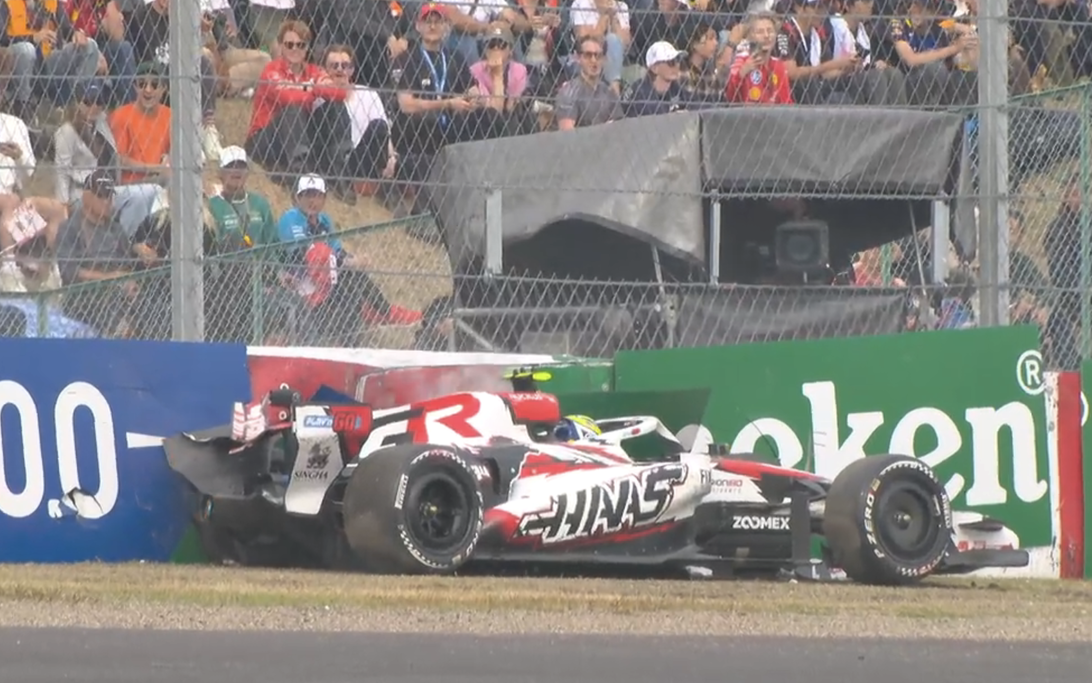
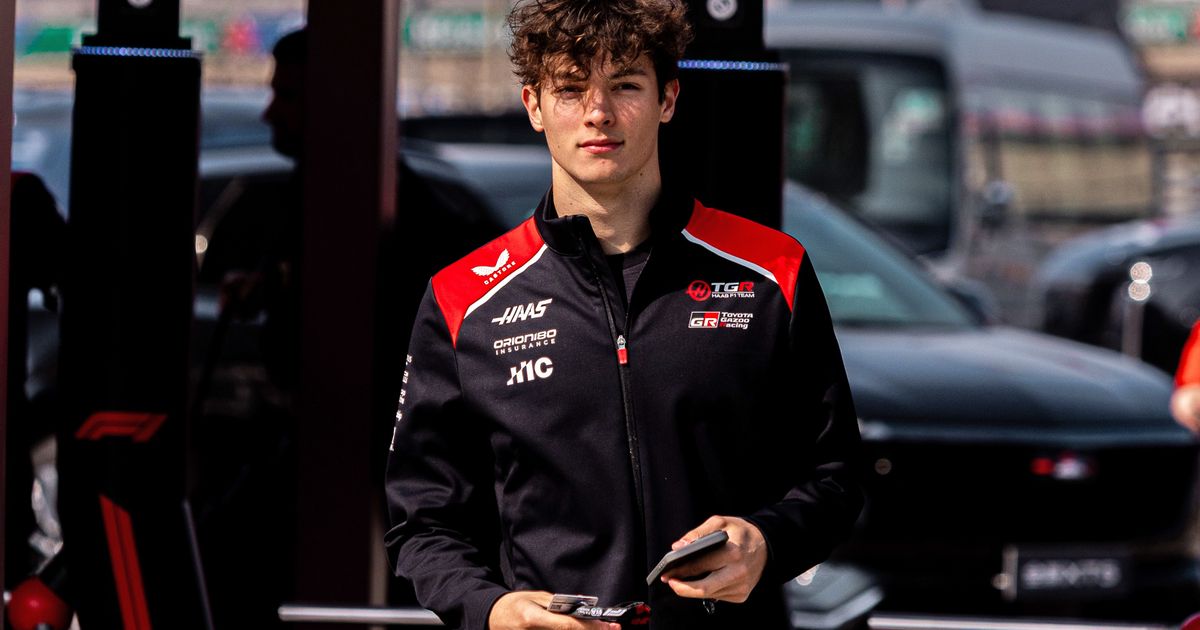
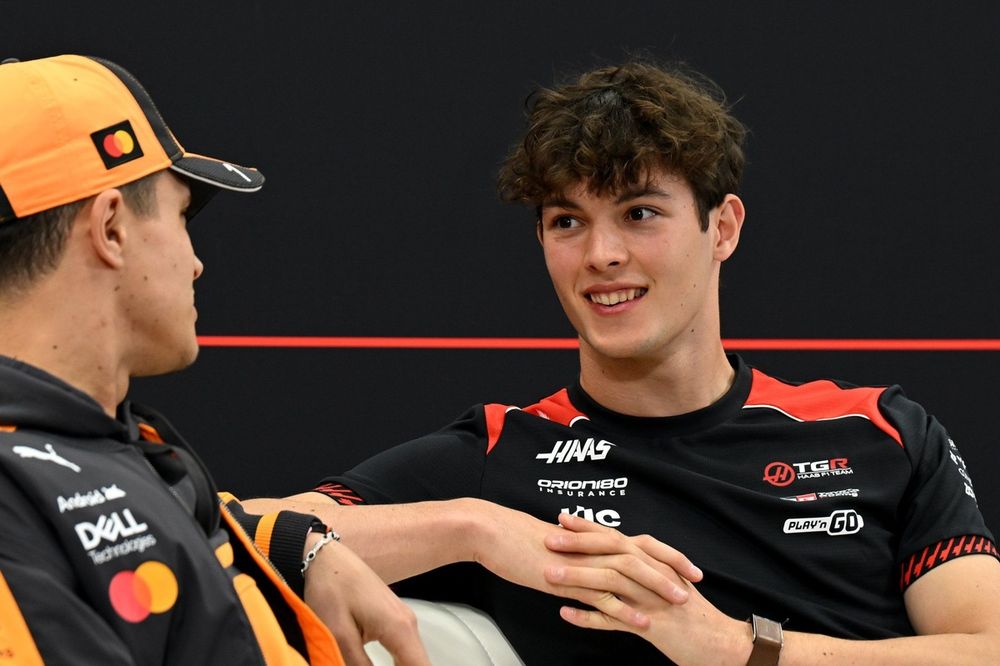
Haas team boss Ayao Komatsu says a 50kph speed difference caused by F1's energy deployment rules led to Oliver Bearman's huge 50G crash in Japan, not driver error. The incident has sparked urgent safety talks about closing speeds, with Bearman miraculously escaping serious injury.
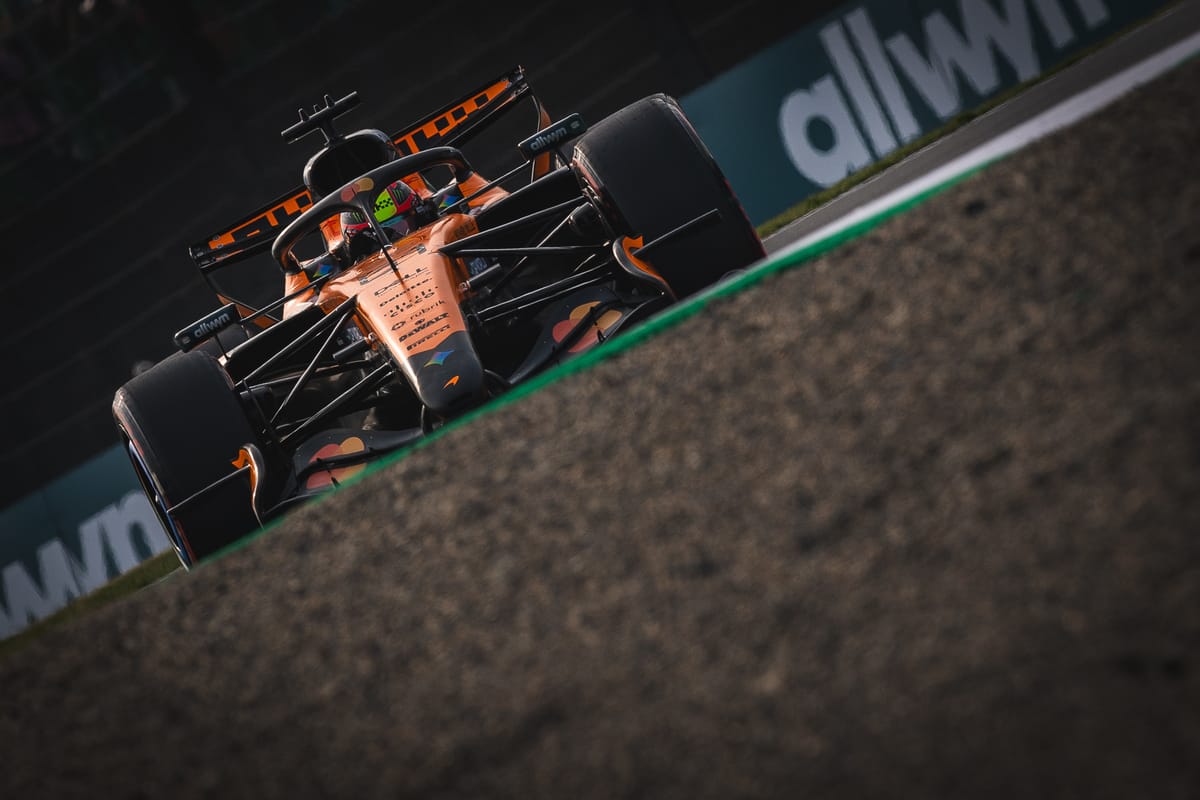
Oscar Piastri and McLaren showed unexpected race-winning pace at the Japanese GP, leading until a mistimed Safety Car handed victory to Mercedes. While a win was lost to circumstance, the performance marks a dramatic and positive turnaround for the struggling team in the 2026 season.
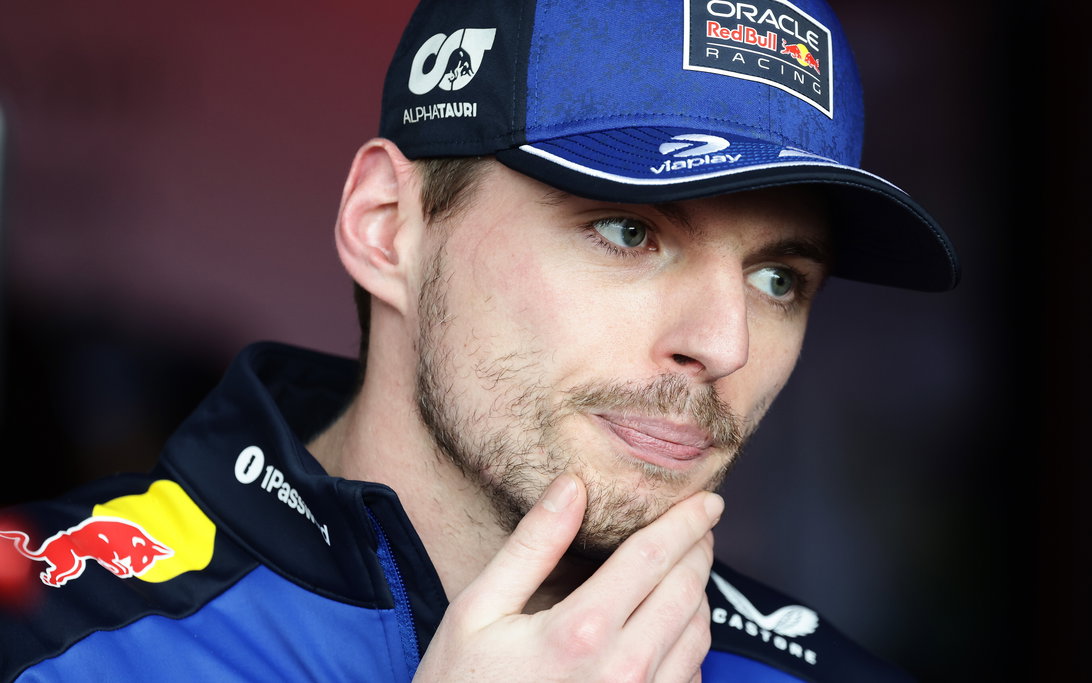
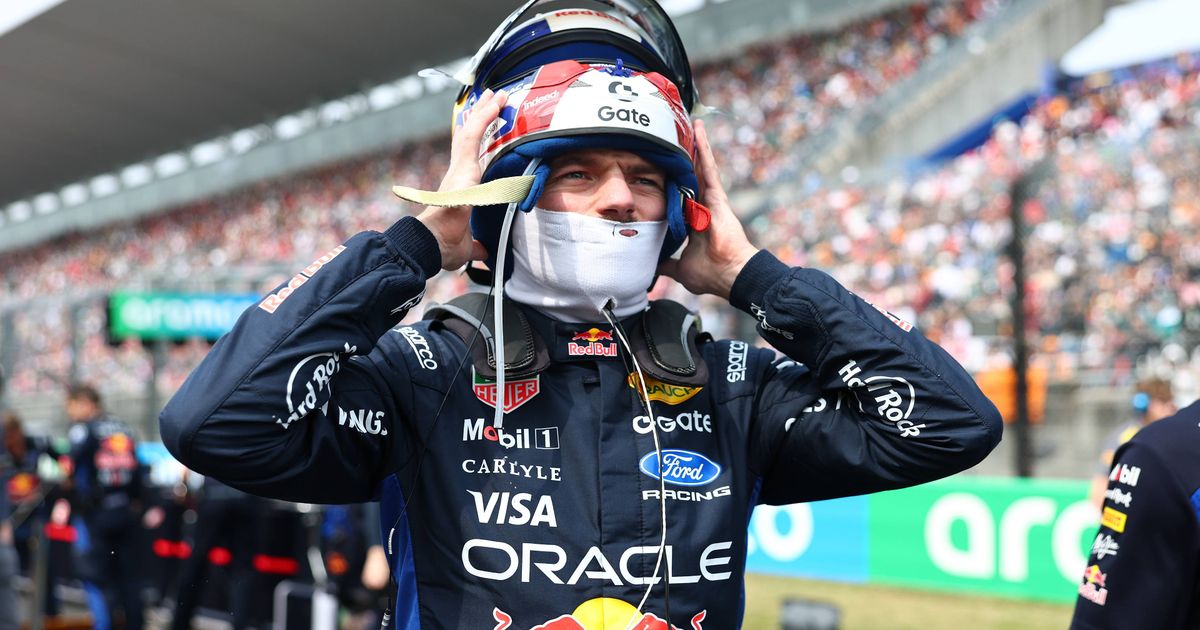
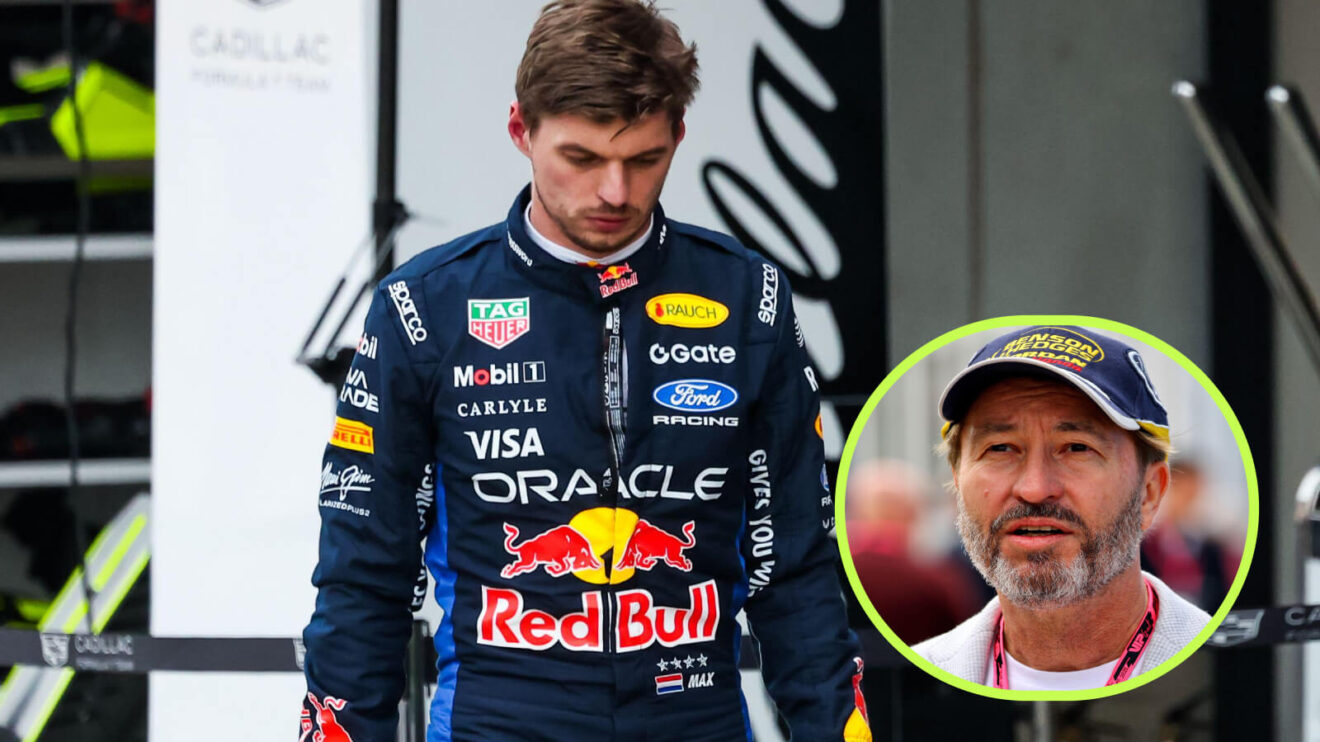
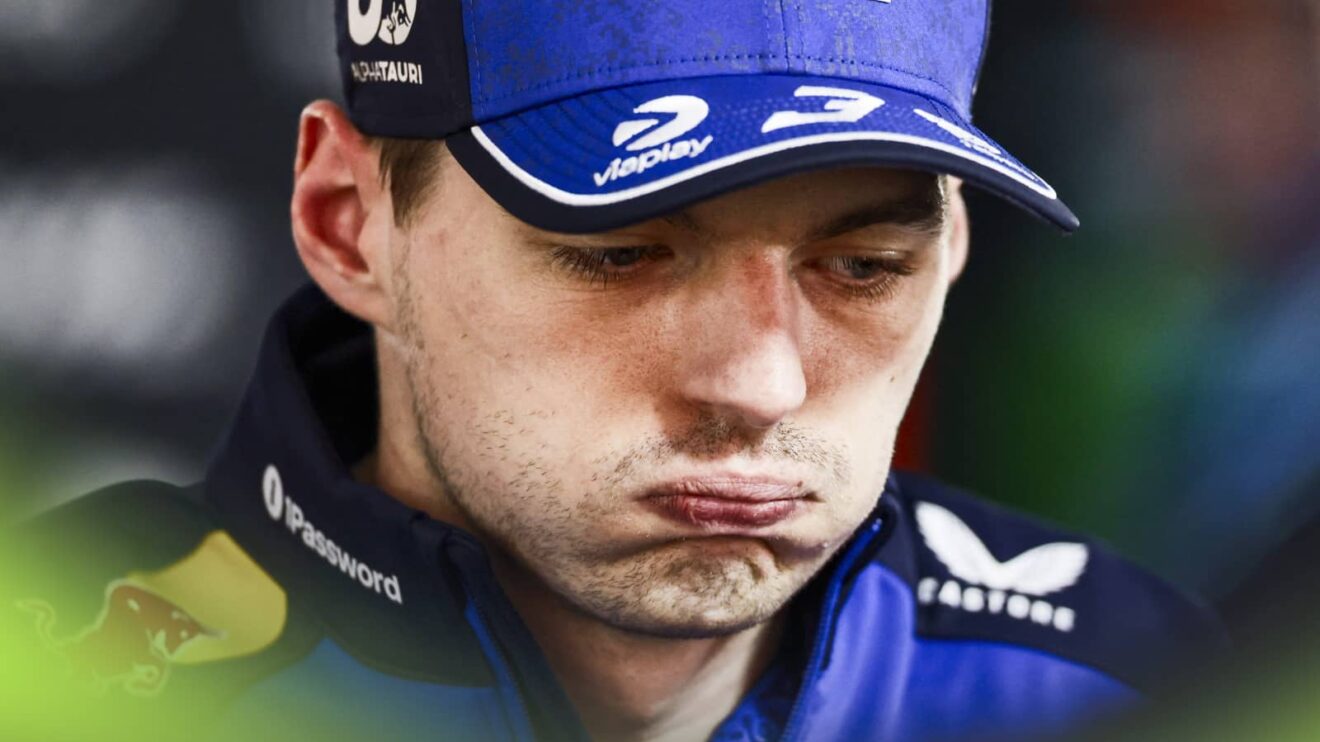
Max Verstappen has deepened speculation about leaving F1, attributing it not to performance but to a loss of enjoyment with what he calls 'anti-driving' regulations. He contrasts his private happiness with the grind of the calendar, stating money is no longer a motivator, and his views find sympathy with other drivers like Lando Norris.
Oscar Piastri earned top marks in a dramatic Japanese GP, where Kimi Antonelli became F1's youngest championship leader despite a flawed drive. The race was punctuated by strategic twists, technical retirements, and a heavy crash for Oliver Bearman, highlighting a mix of standout performances and frustrating weekends across the grid.
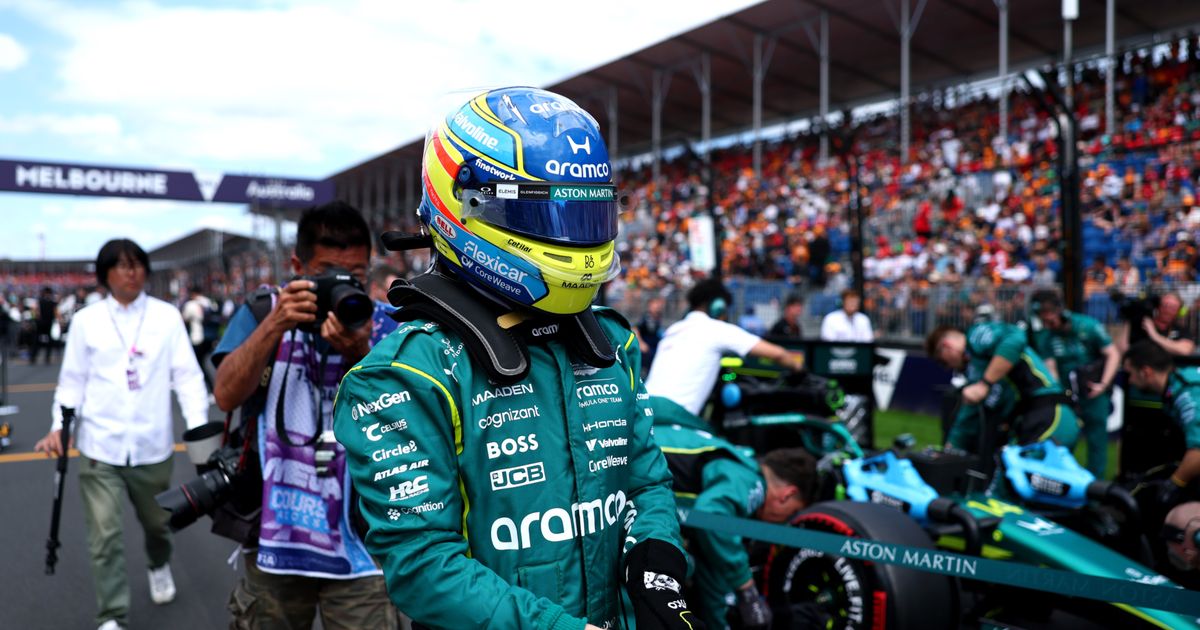
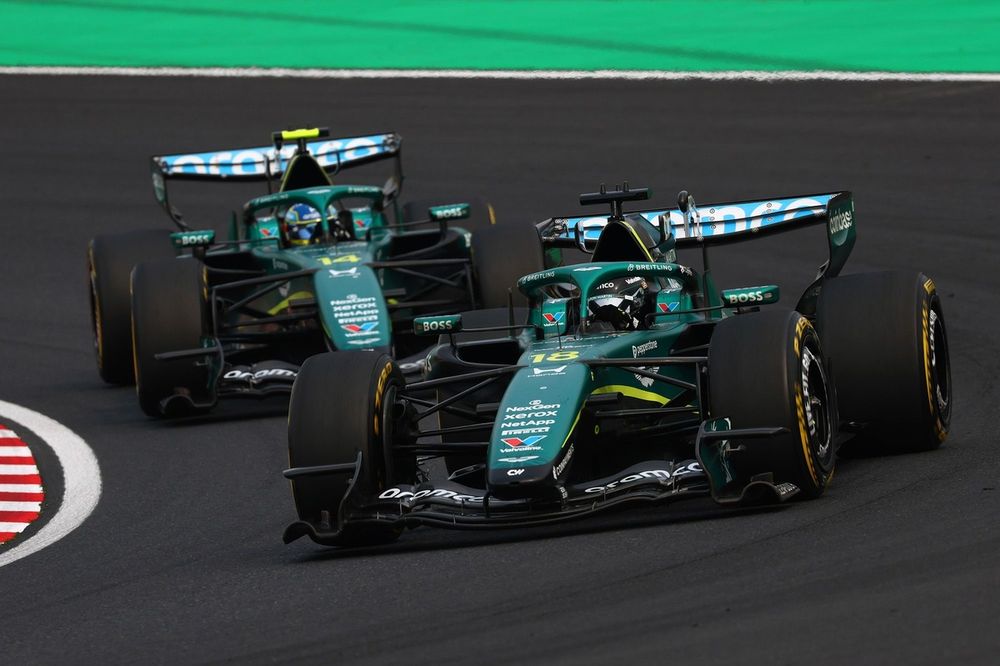
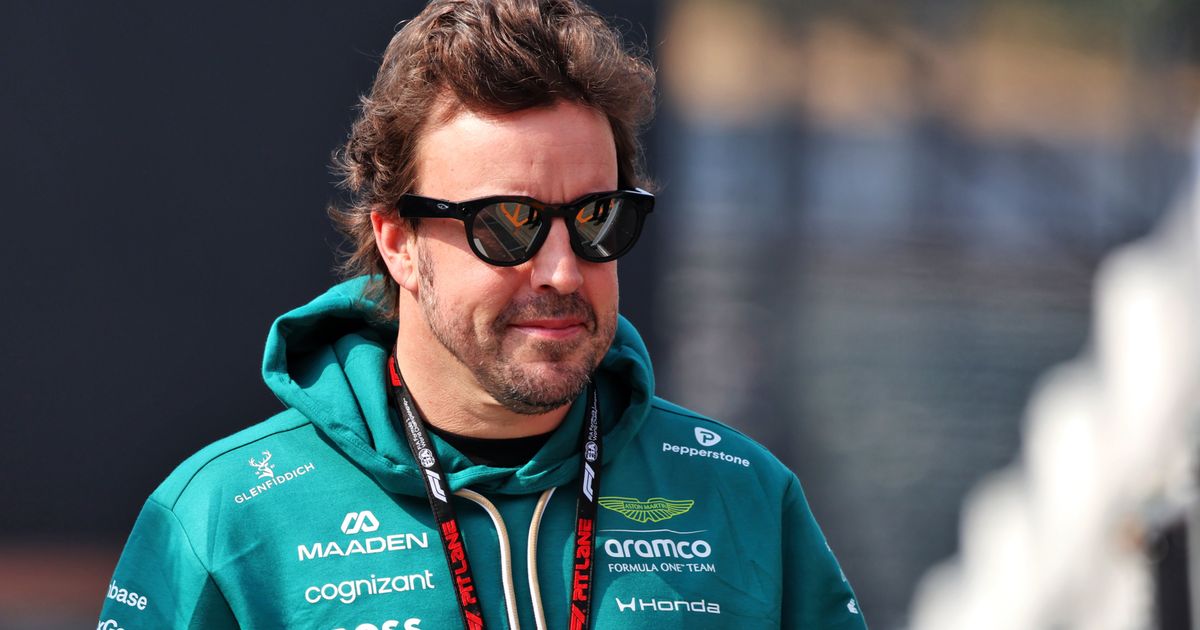
Lance Stroll and Fernando Alonso are reduced to fighting each other at the back, calling it their 'own Aston Martin championship,' as the team struggles with Honda power unit vibrations and reliability woes in the 2026 F1 season.
Pierre Gasly's defensive perfection for Alpine tops Edd Straw's performance rankings for Japan, ahead of a stellar Oscar Piastri and race-winner Kimi Antonelli. The list evaluates who truly excelled beyond the race results, with notable weekends for Esteban Ocon and a subdued performance from Max Verstappen.