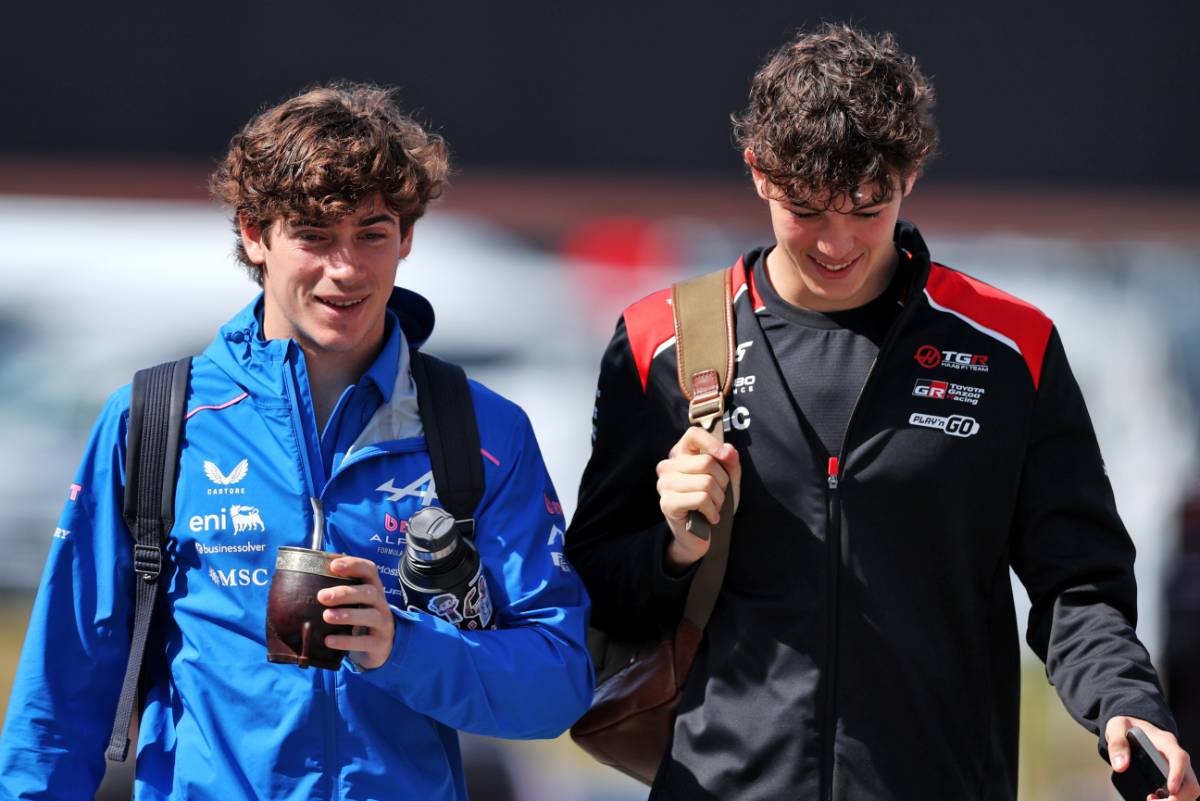
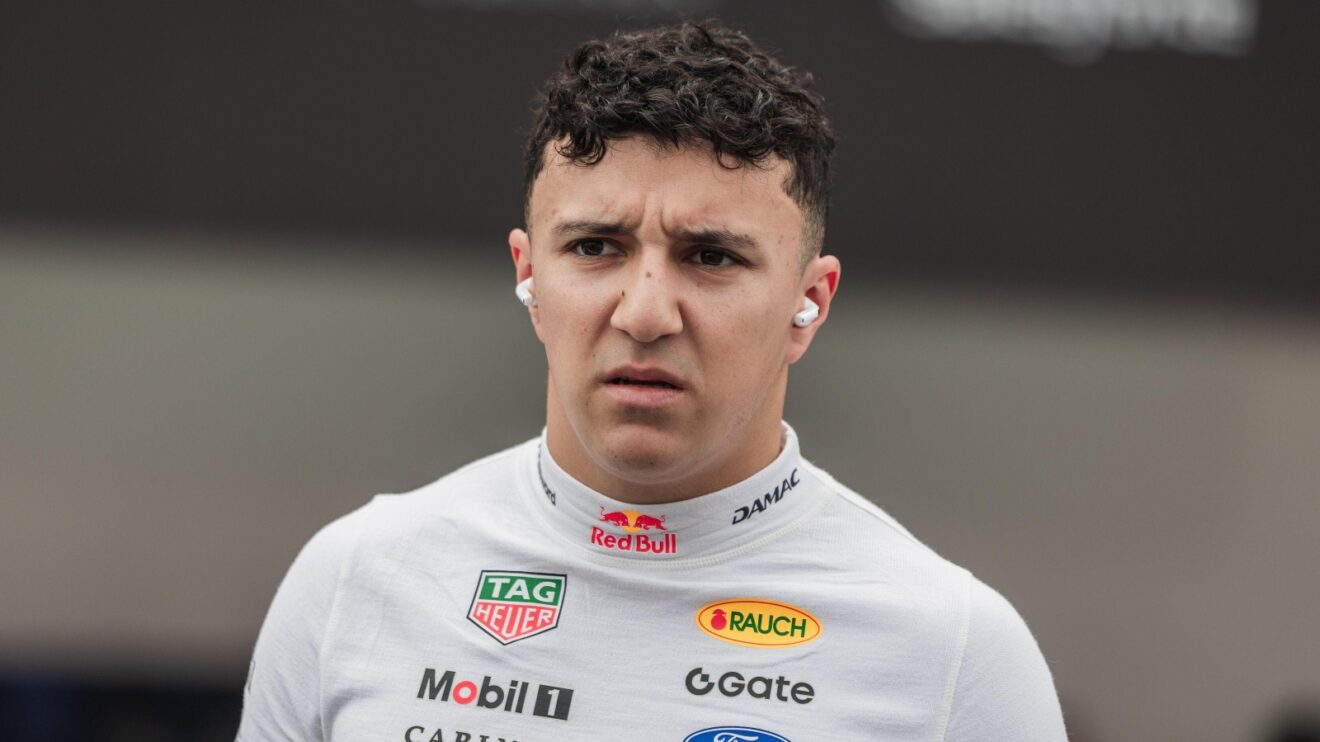
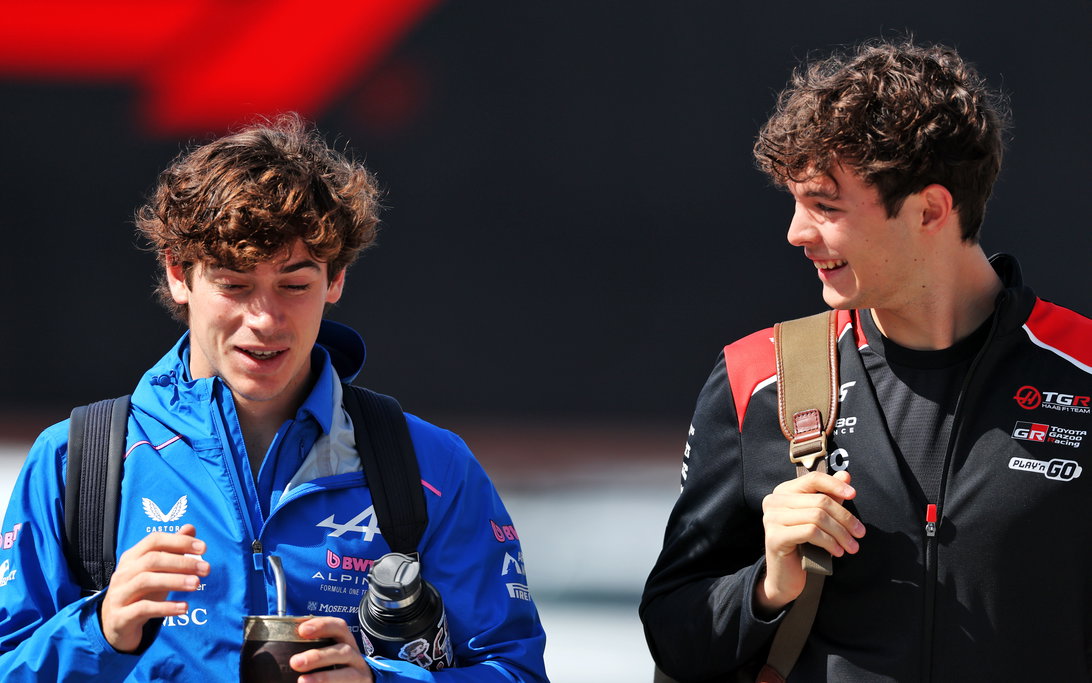
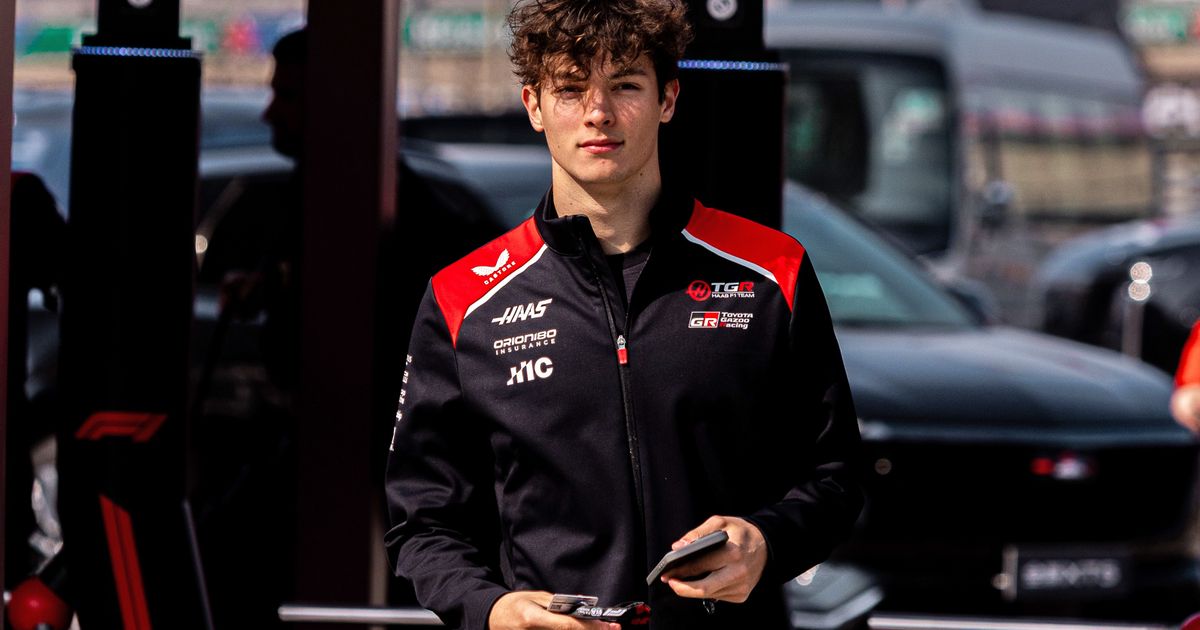
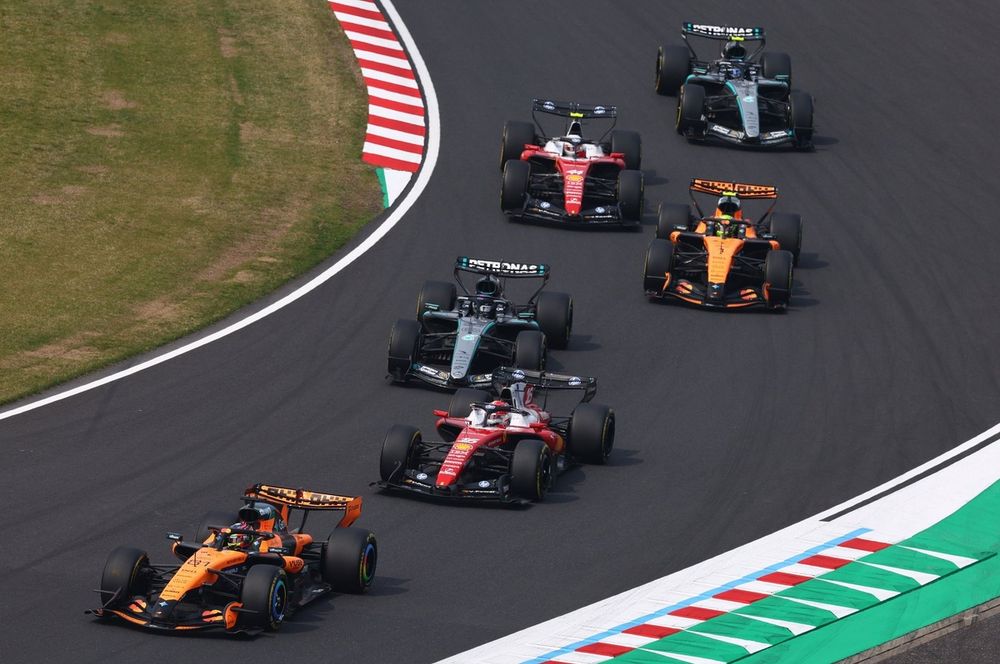
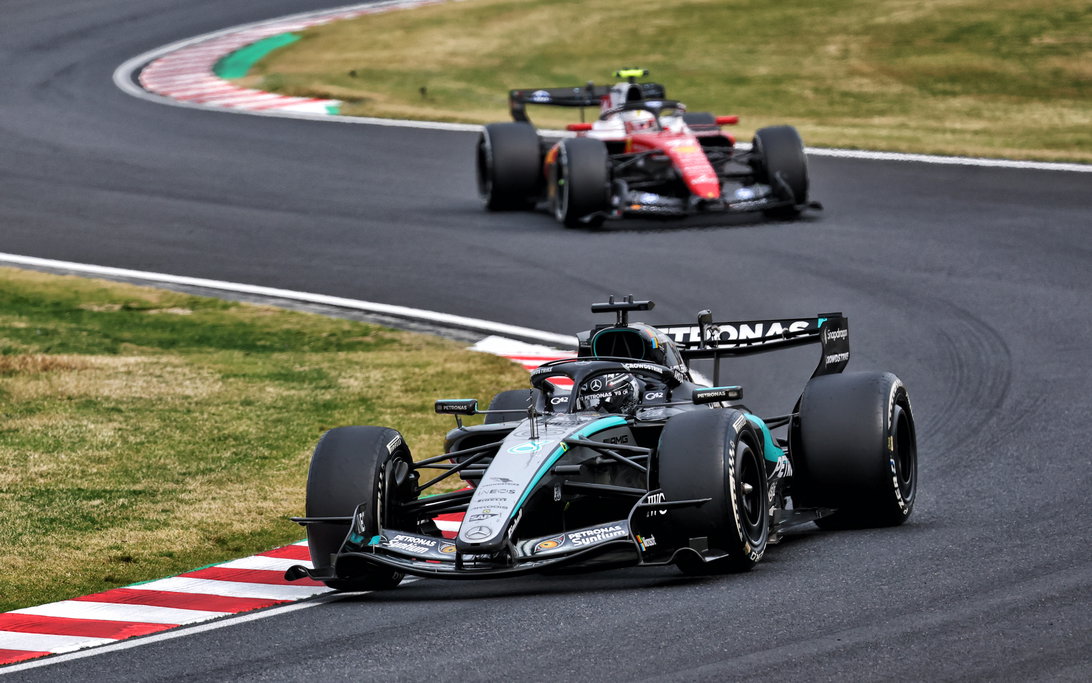
Alpine rookie Franco Colapinto's management team has defended him against online backlash after his car, in energy recovery mode, was hit from behind by Oliver Bearman at Suzuka. The team cited F1's complex energy rules as the cause, not driver error, following criticism from some pundits and a wave of toxic social media reactions that highlight the intense pressure on new drivers.
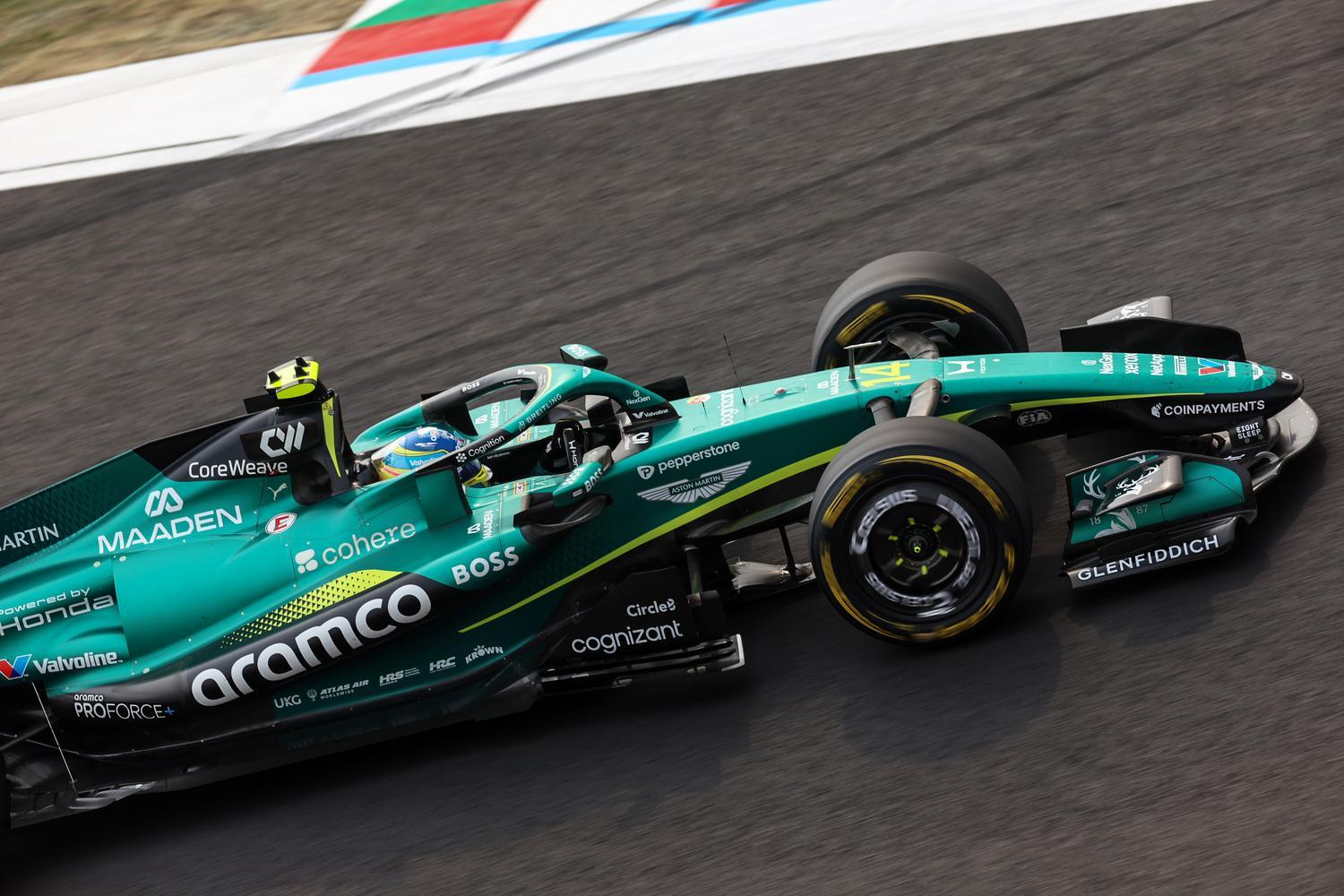
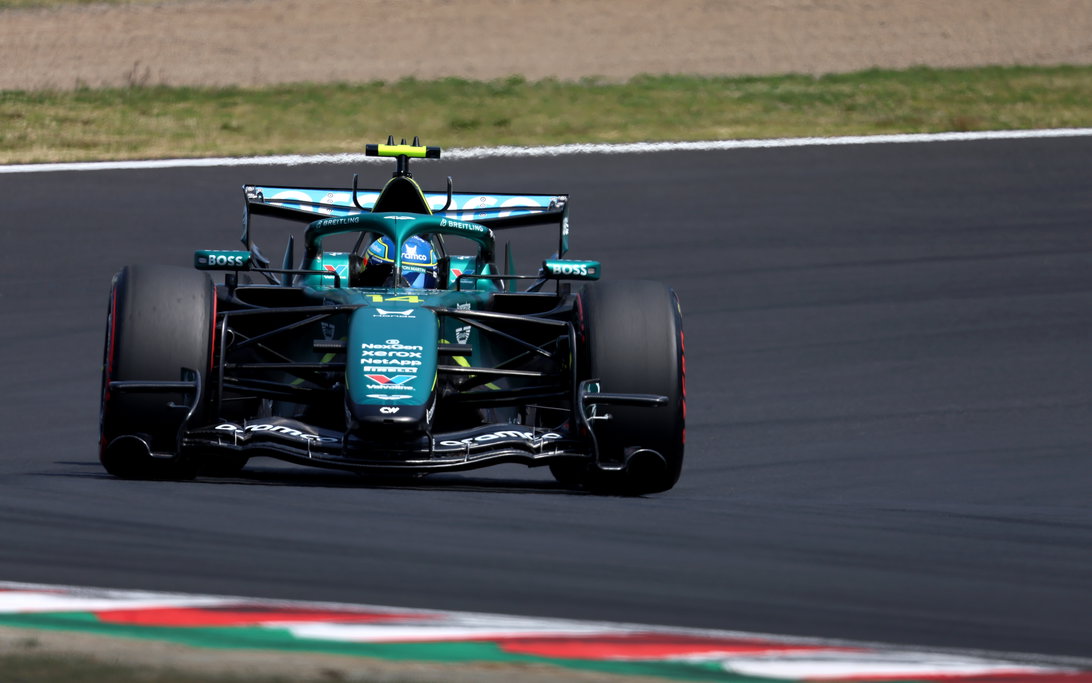
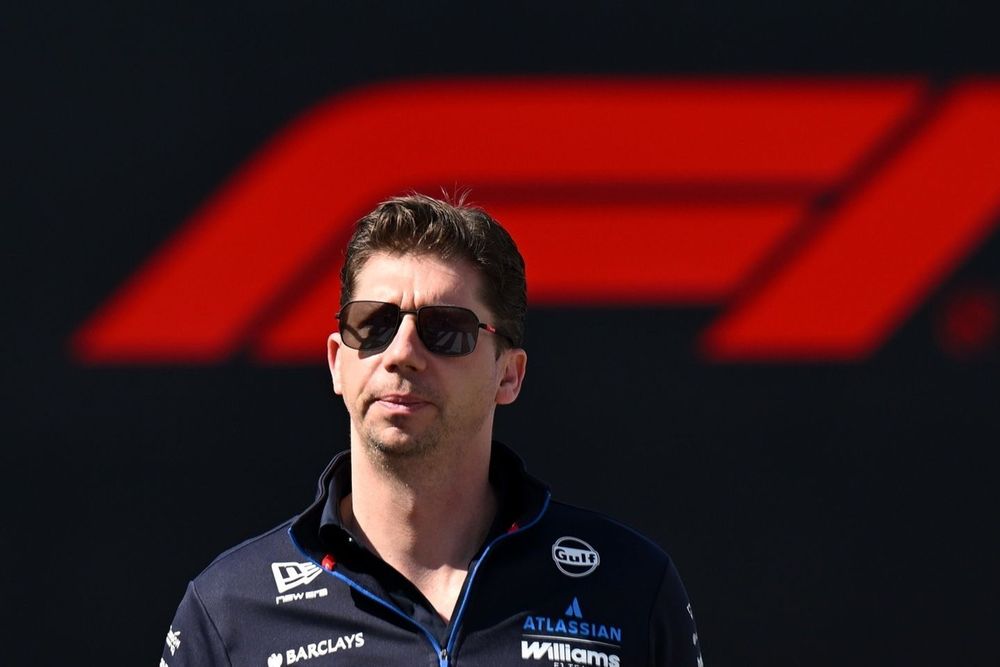
Aston Martin achieved its first race finish of the 2026 season in Japan with Fernando Alonso, but team principal Mike Krack stressed it's a modest step, not a turnaround, for a team still focused on solving fundamental reliability problems.
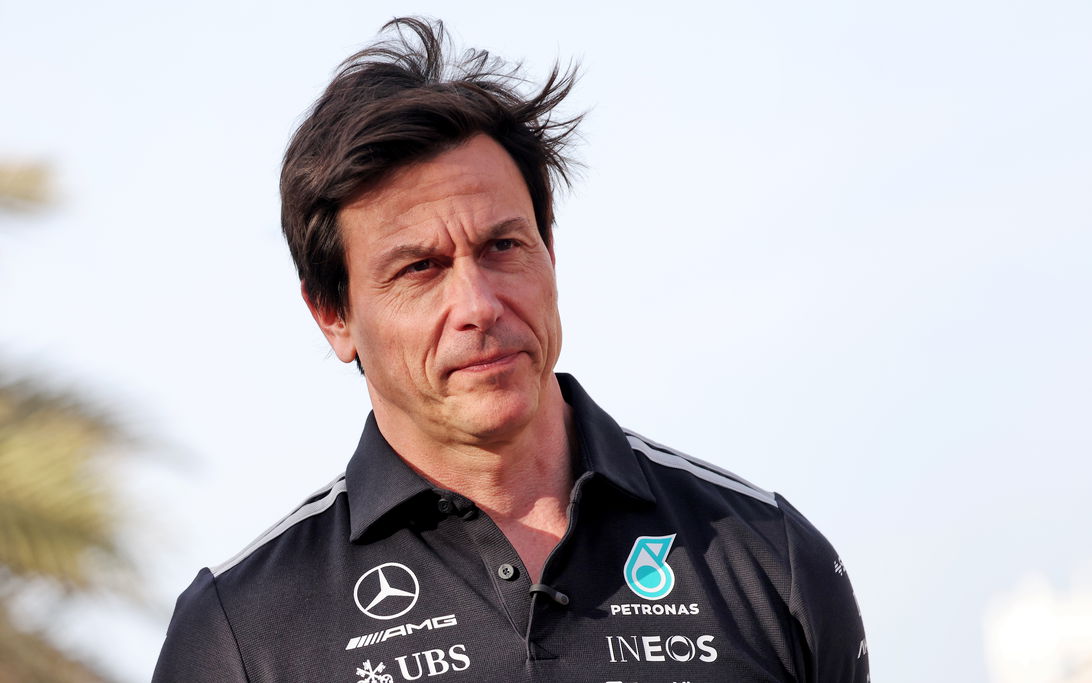
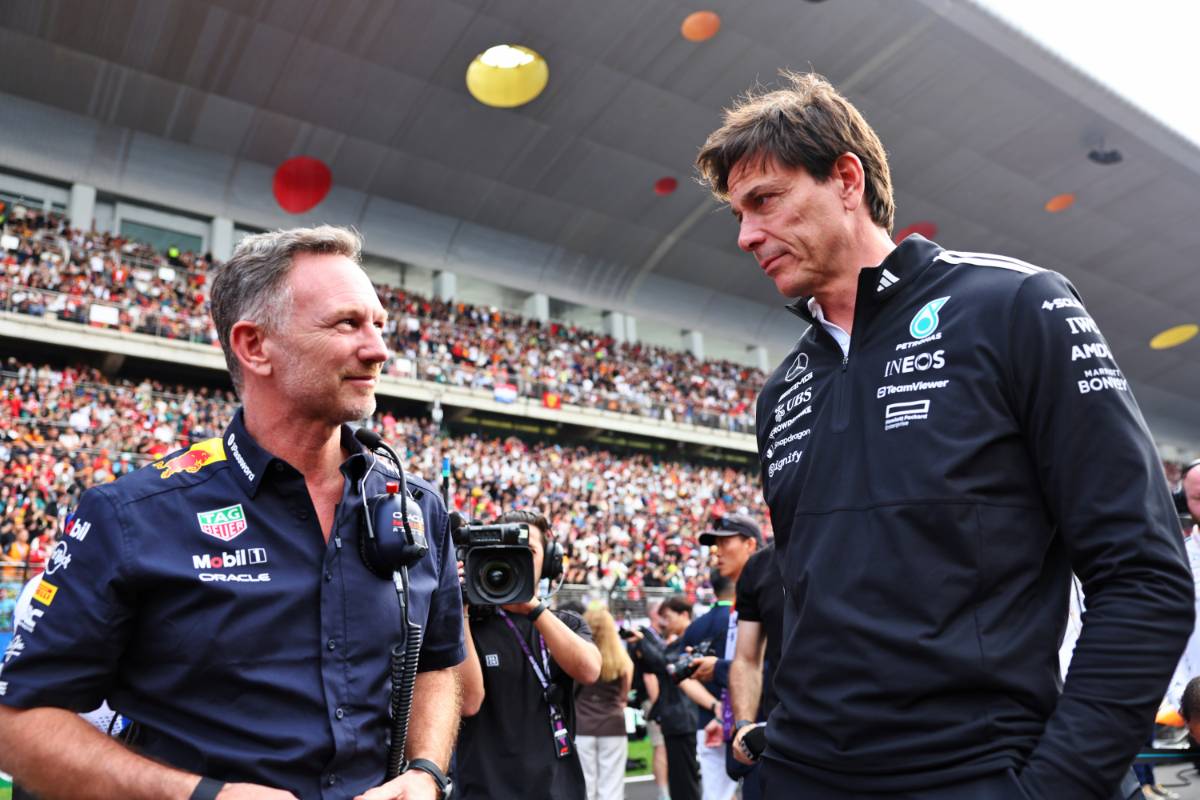
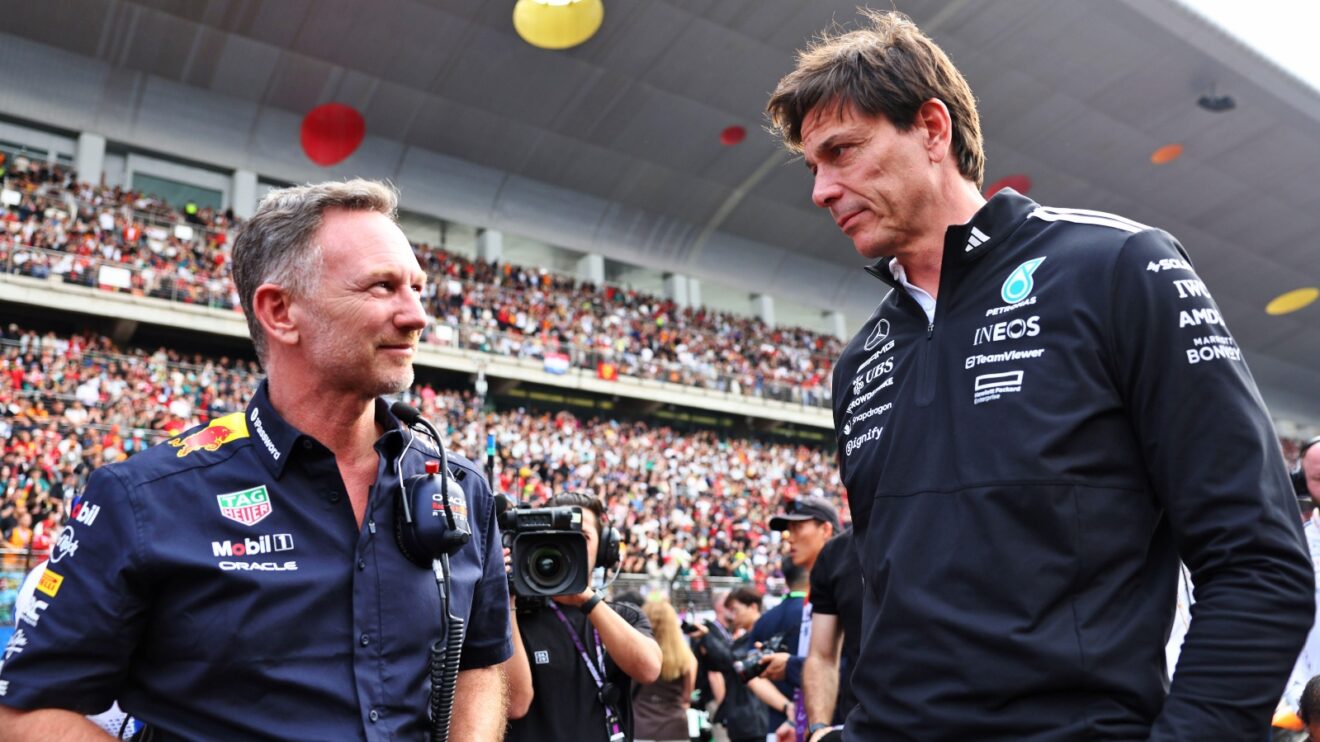
Toto Wolff has denied that Mercedes' consideration of an investment in Alpine is connected to Christian Horner, calling rumors of a personal rivalry "made up." Wolff suggested Horner's management style created lasting repercussions, while asserting Mercedes' evaluation is strictly business. The exchange underscores the complex personal and power dynamics at play as Horner seeks a team ownership path back into F1.
Pierre Gasly has labeled Alpine's 2026 F1 car the best of his career after fending off Max Verstappen to finish seventh in Japan. His strong start, including out-qualifying Red Bull at three consecutive events, validates Alpine's high-risk strategy of focusing entirely on the new regulations and positions the team as a rising force in the championship.
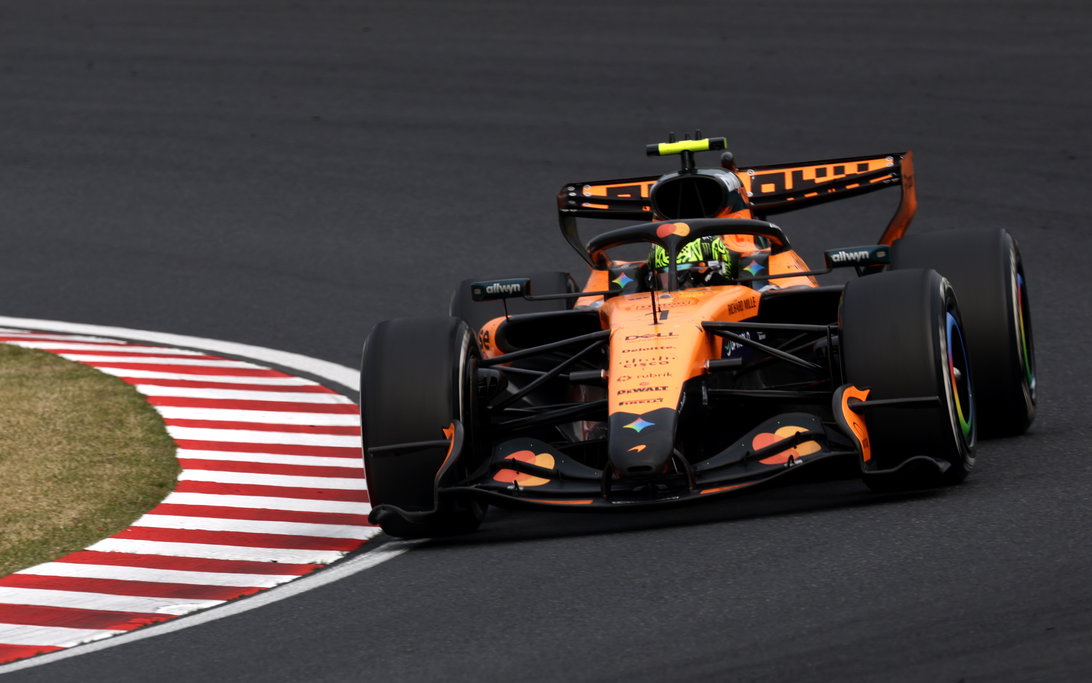
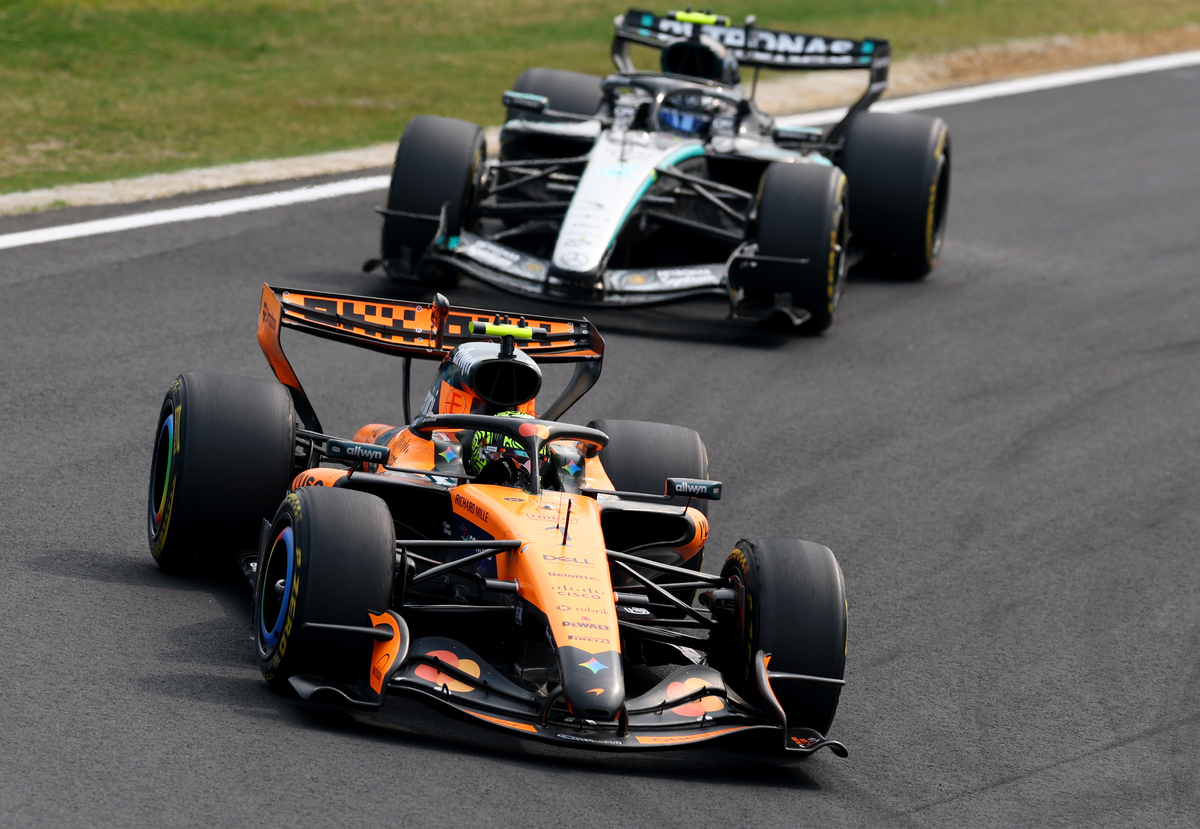
Lando Norris warns that F1's new power units are creating dangerous 'yo-yo' racing where drivers lose control to automated systems, linking the issue directly to a scary near-miss crash at the Japanese Grand Prix and calling for urgent changes.
F1 is exploring a major overhaul of active aerodynamics rules, potentially allowing drivers to use low-drag 'straight mode' anywhere on track during qualifying. This radical idea aims to solve the dual problems of dangerous speed differences and poor spectacle created by the 2026 cars' heavy energy management demands, offering a fix ahead of a crucial technical summit in April.
Toto Wolff expresses conflicted emotions about Christian Horner's possible F1 comeback, acknowledging the sport misses his controversial edge while reflecting on their deeply personal past rivalry. Horner is linked to a minority stake in Alpine, a move that could see the former Red Bull boss return to the paddock and rekindle one of F1's most storied feuds.
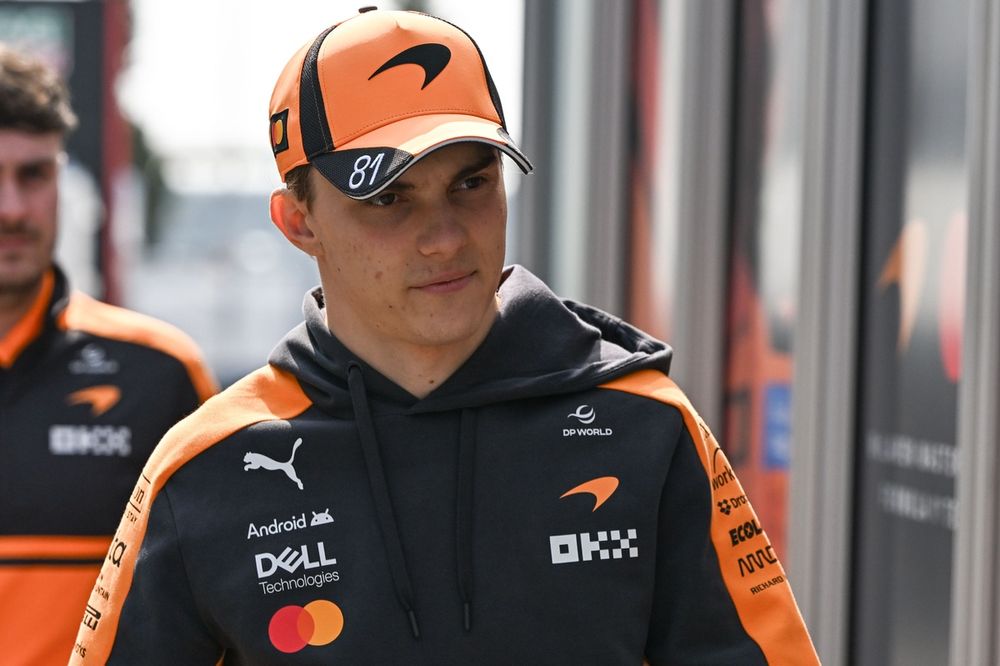
Following Oliver Bearman's terrifying high-speed crash in Japan, former F1 technical chief Gary Anderson warns the 2026 regulations create "dangerous" speed differences and must be changed urgently to prevent a fatal accident. McLaren has joined calls for the FIA to act, stating the incident was a predictable outcome of the current rules.
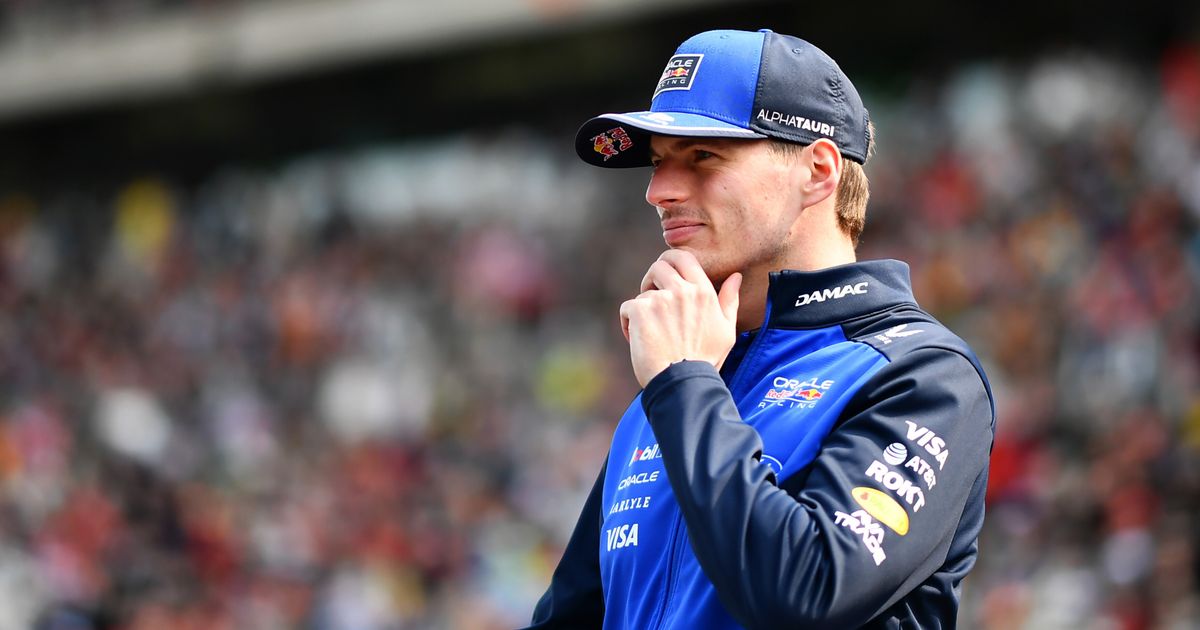
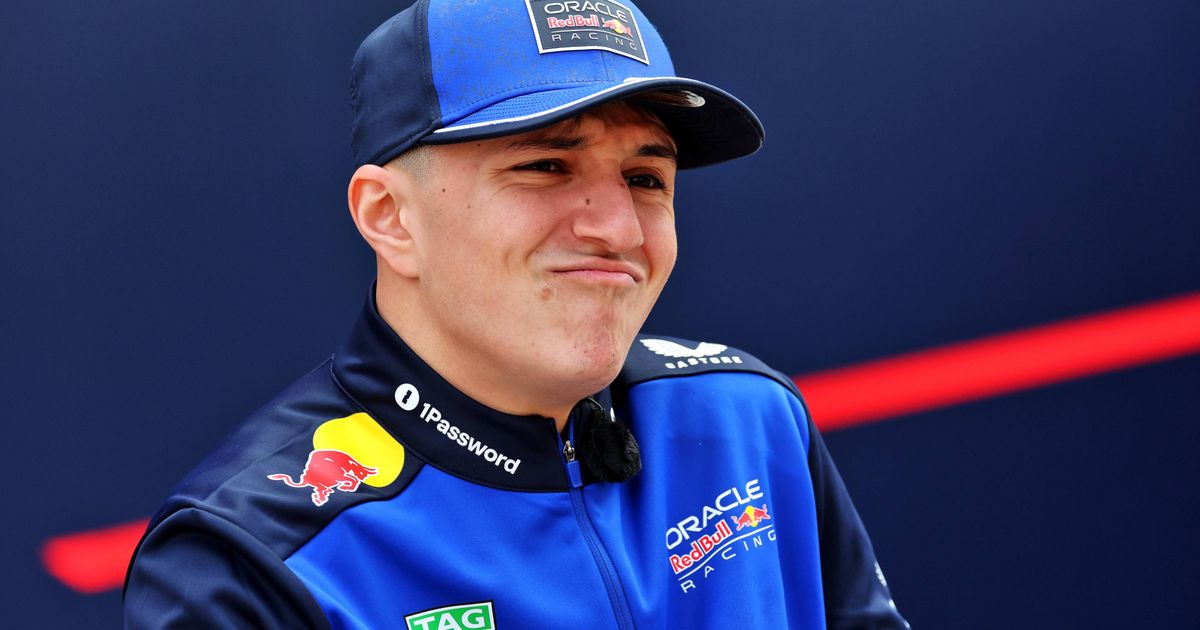
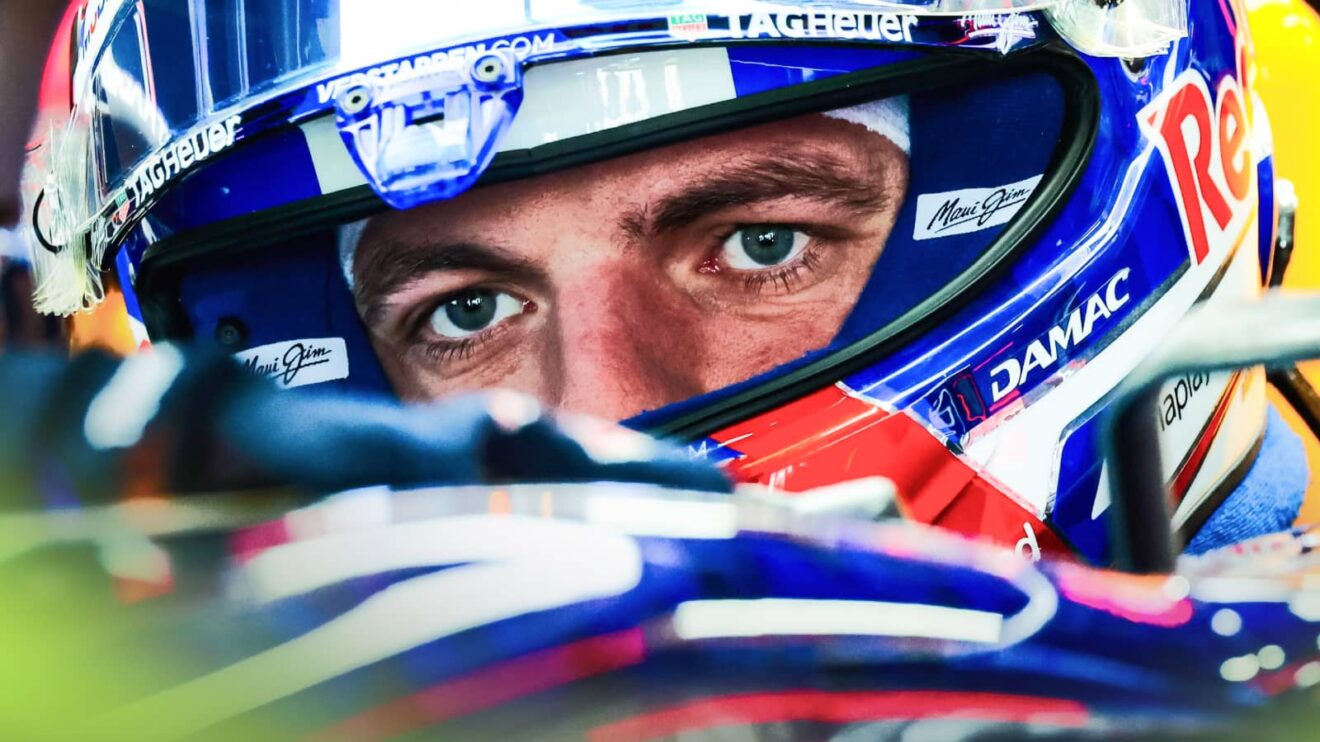
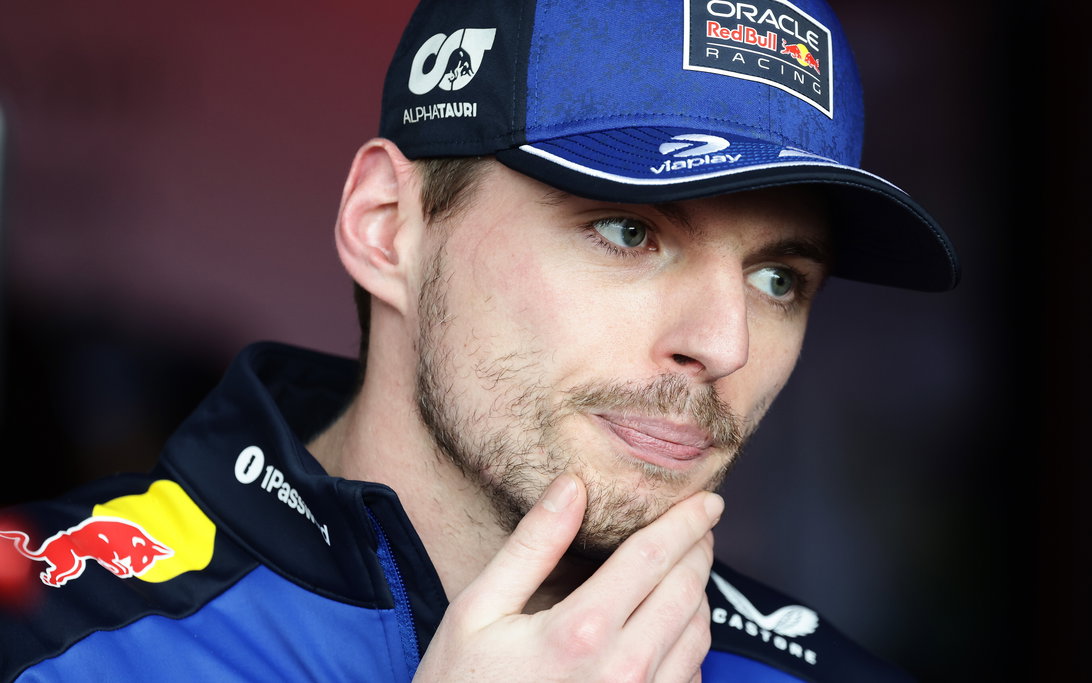
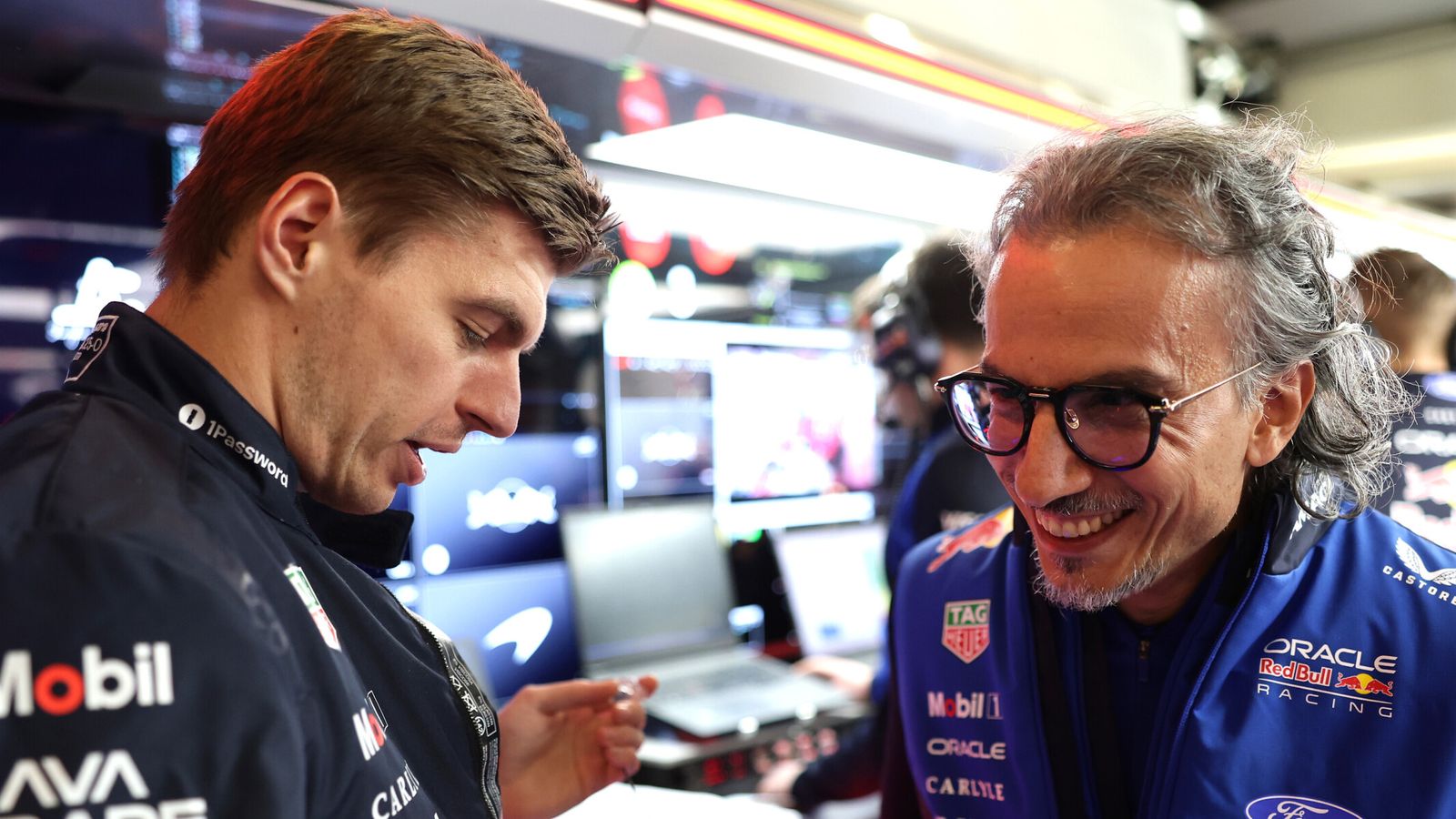
Red Bull Team Principal Laurent Mekies expresses confidence the team can improve its struggling 2026 car for Max Verstappen, targeting upgrades for Miami. This comes as Verstappen endures his worst competitive run since 2017, citing an unpredictable car and system limitations that make racing difficult.
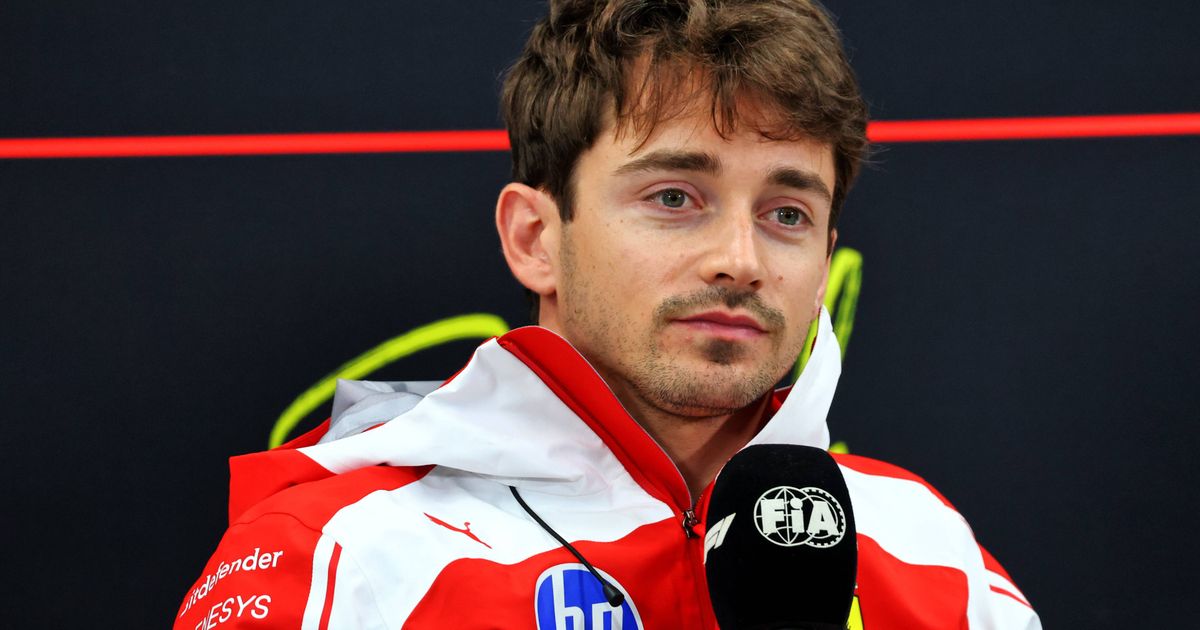
Charles Leclerc says Ferrari's power unit is currently the team's biggest weakness, but with no upgrades possible until the next homologation, the Scuderia must find performance through aerodynamics, chassis, and tire management to stay competitive.
F1 analysts and former champions report that today's drivers are suffering from extreme mental, not physical, exhaustion during races. This is driven by the overwhelming cognitive demands of managing the complex systems in modern F1 cars, a shift that could impact performance and safety.
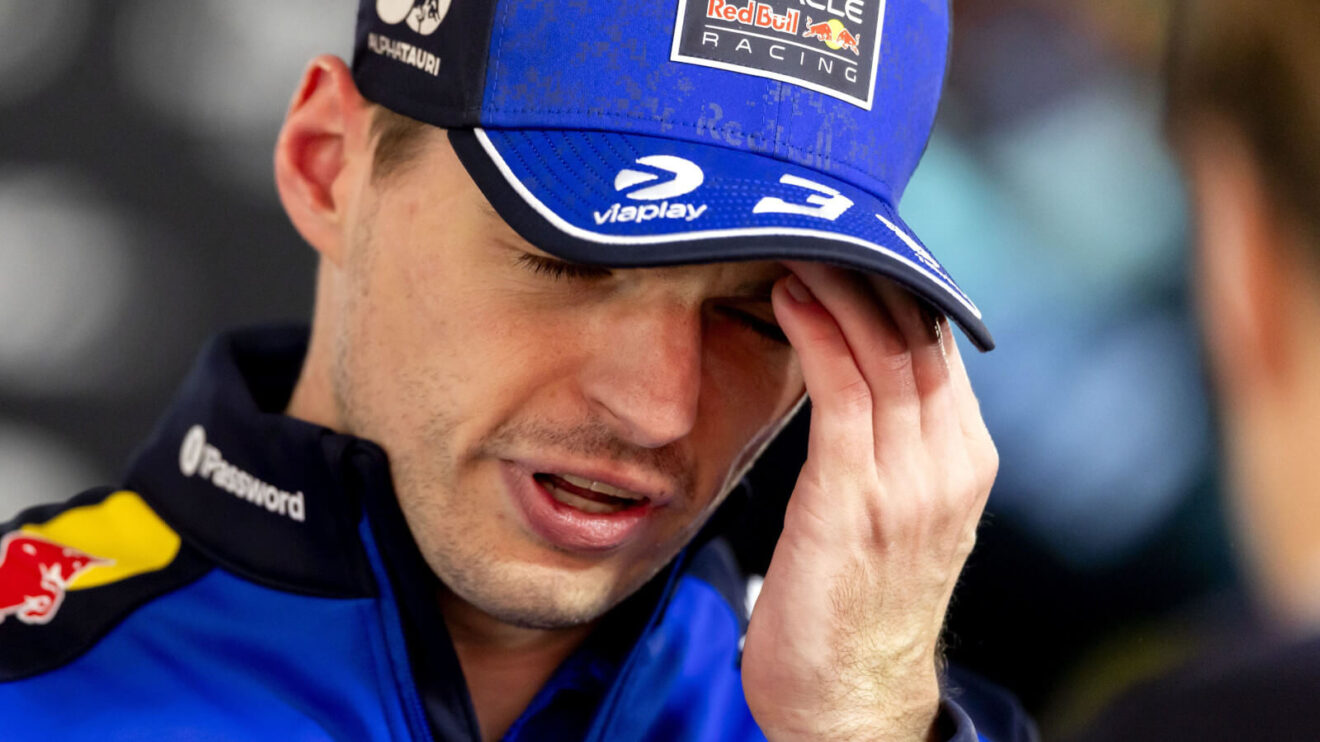
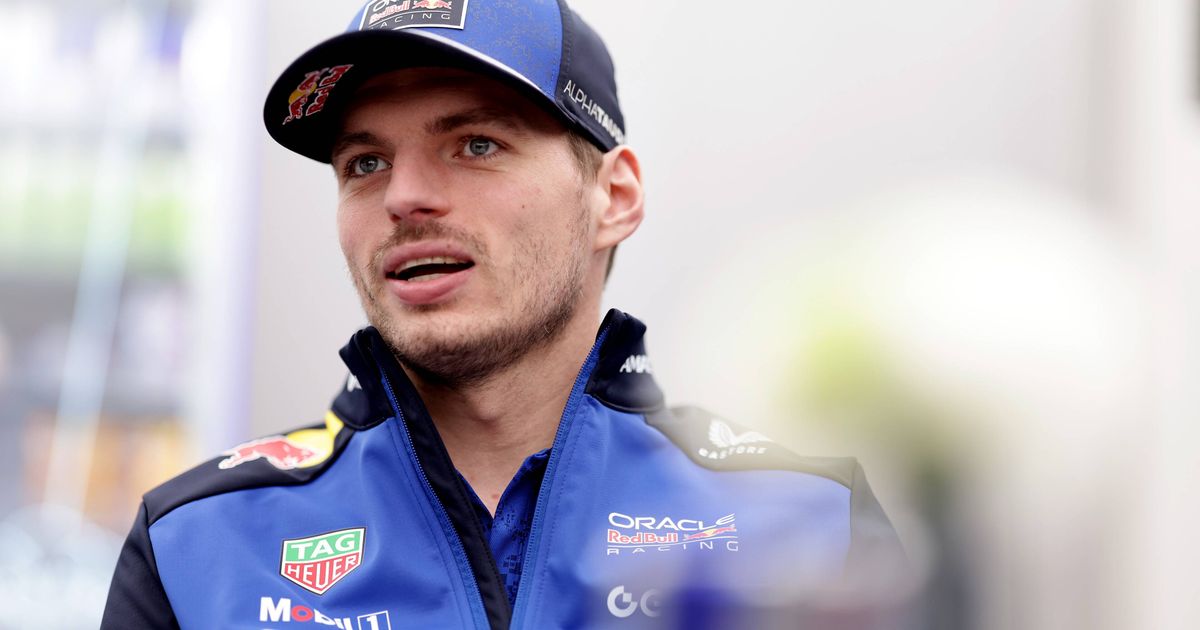
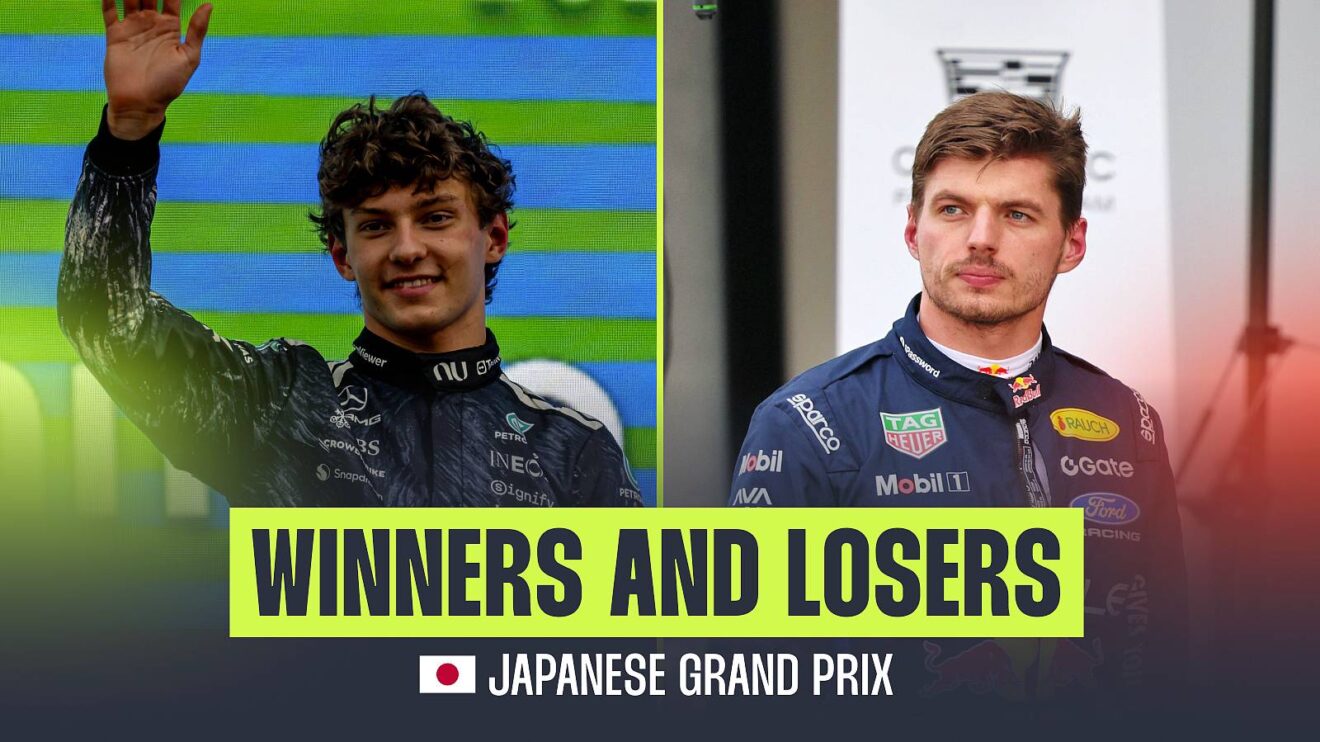
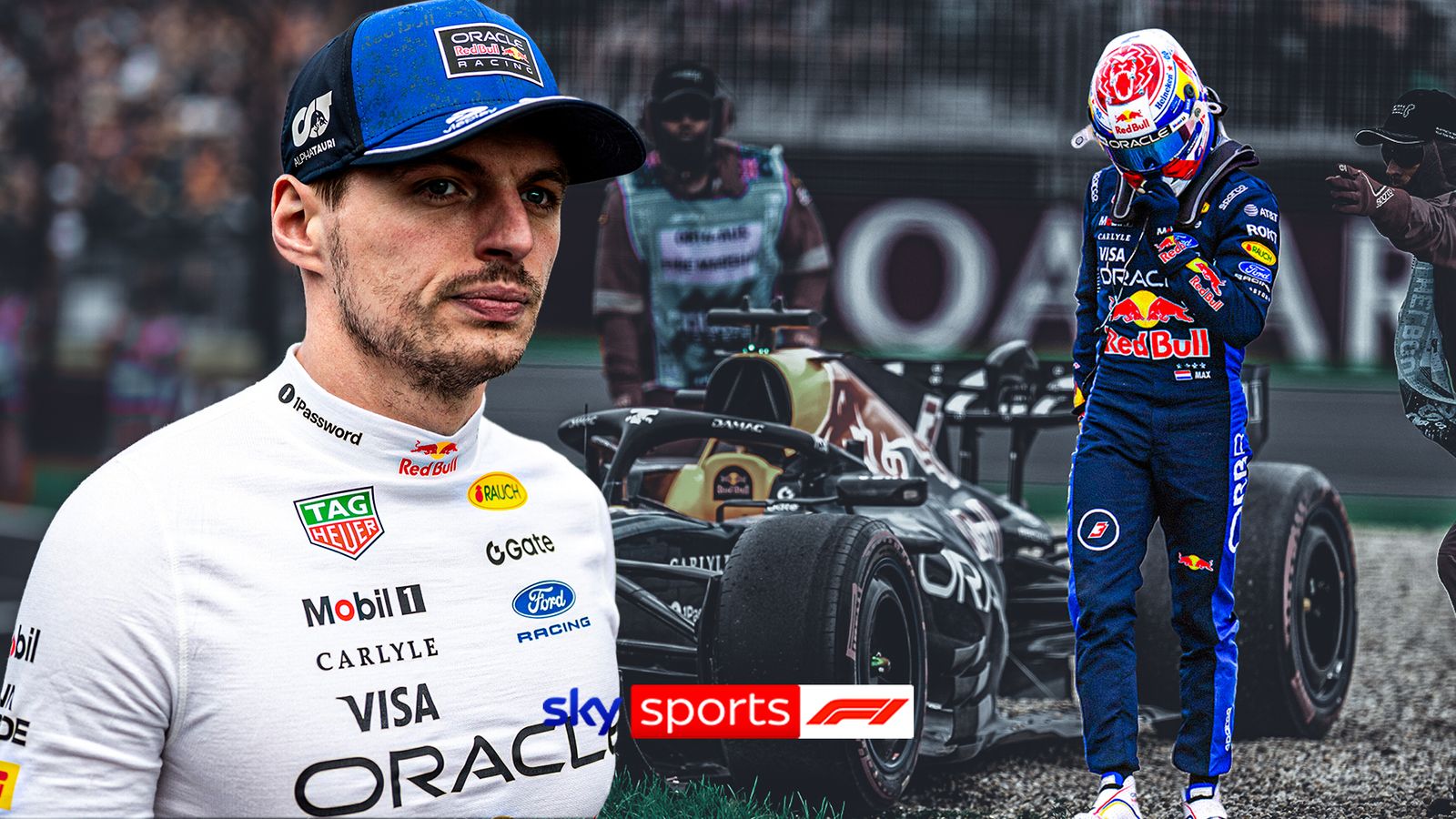
Max Verstappen's 2026 F1 season has begun with intense frustration as he battles an unpredictable and unbalanced Red Bull car. His public criticism and lack of results mark a stark contrast to his previous dominance, putting immediate pressure on his team to find solutions and raising questions about the competitive hierarchy under the new regulations.